
Zürich’s streets increasingly resemble a planning department’s art-school phase: green bands, giant bicycles, cheerful colours and enough visual guidance to leave ordinary road users more confused than informed. When every marking wants attention, clarity is inevitably the first casualty.
Author: Alex Reusch
I live in a small city in Switzerland, right next-door to Zurich. I am German, but born and grown up in Switzerland. Professionally, I am in the IT-business for over 25 years. I have plenty of hobbies and interests, which help me to relax, after a stressful day.
I am very much into:
- Photography
- Football (talking about it)
- Motorcycles (love my MONSTER)
- Electronic gadgets
- Technology
- Music (love my Piega’s)
- Weird movies
- F1 (I go totally nuts about it!)
I am passionate about almost everything I do. My motto is:
“Do it with PASSION or not at all”
A Word in Albania’s Defence

Albania is not the easiest country to travel through, but perhaps that is part of its appeal. Beyond the erratic driving and uneven infrastructure are dramatic mountains, clear seas, excellent food, surprisingly good wine and, above all, remarkable warmth. We went for a wedding and came home with a much broader affection for the country itself.
Travel Broadens the Mind. Getting Home Tests It.

A magnificent wedding in Albania was followed by a journey home seemingly designed to test patience, infrastructure, border control, traffic planning and basic faith in humanity. From Tirana queue warfare to Zürich bureaucracy, cancelled Ubers and supermarket inspections, the day became an escalating comedy of inconvenience, until someone else’s travel disaster made mine look almost civilised.
Hi-Fi Has Put the Screen in the Wrong Place
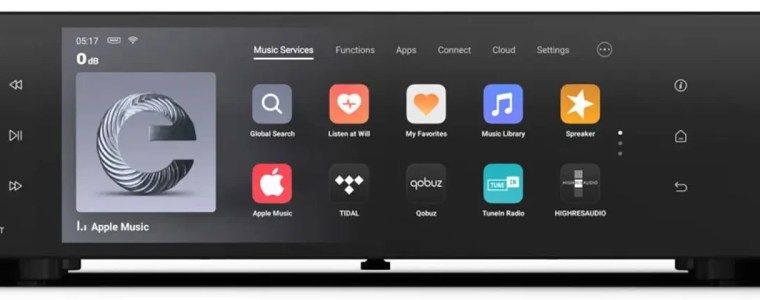
Touchscreens have become the fashionable face of modern hi-fi, yet most sit metres away where nobody can comfortably read or use them. Smartphones solve part of the problem but remain personal devices. A better answer is a shared, dedicated remote: tactile controls for everyday functions, a screen for browsing, and access anyone in the room can use.
At FIFA, Criticism Has Become a Coup
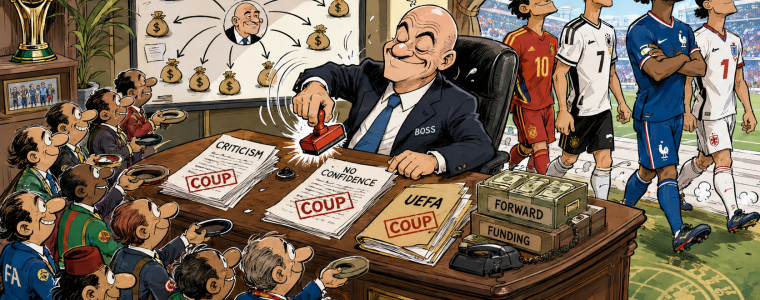
FIFA now treats criticism of Gianni Infantino as an attack on FIFA itself. Behind the rhetoric lies a political machine built on money, loyalty and 211 votes. The intriguing question is whether UEFA, having finally discovered that it can hurt FIFA where it matters, is prepared to use that power again.
Phishing Has Discovered Swiss German, and It Is Glorious
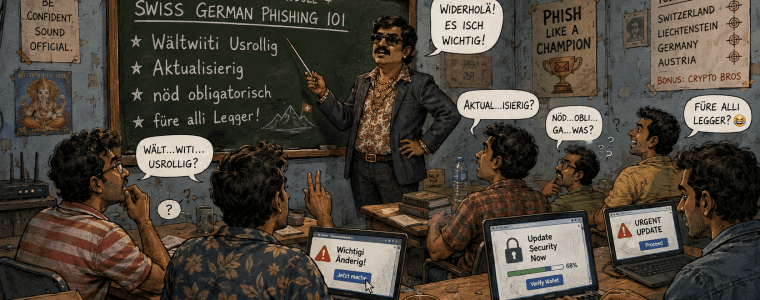
Phishing has discovered Swiss German, with predictably glorious results. Armed with AI, scammers are now localising their emails into synthetic dialect, apparently unaware that Swiss German is spoken everywhere but written very selectively. The result is less sophisticated social engineering than a cultural misunderstanding with a malicious link attached.
Zurich’s Quiet War on the Car

Zurich’s Rämistrasse and Universitätstrasse have become a lesson in how to discourage cars without formally banning them. Poorly coordinated lights, repeated zebra crossings, permanent stop-and-go traffic and cyclists treating tram tracks as an overtaking lane turn a major route into a daily exercise in frustration, all while motorists face the strictest enforcement.
Dear Google, Make It Turn Before You Make It Glow
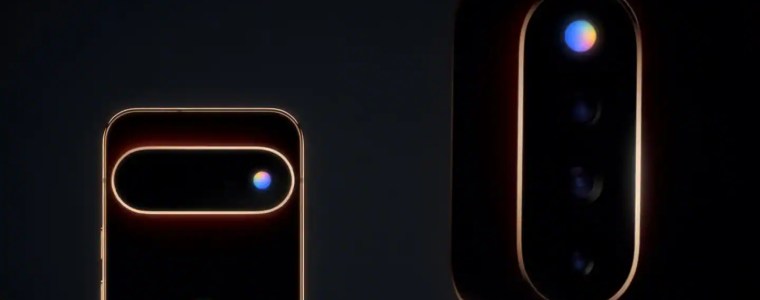
Google’s next Pixel may arrive with more artificial intelligence, more clever tricks and perhaps even Pixel Glow. Wonderful. Meanwhile, the phone still struggles with the primitive task of rotating its screen when turned. After years of Pixels, stuck apps, failed auto-rotation and dubious water resistance, the basics remain embarrassingly unfinished.
FIFA Wants to Sell Football. Infantino Wants to Keep the Keys.
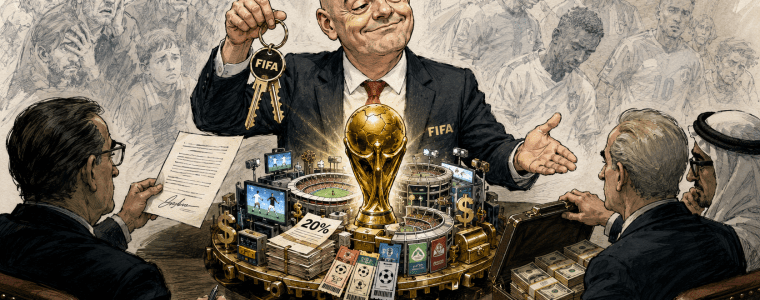
FIFA insists that football is not for sale while preparing to place the World Cup inside a $20 billion company and invite private investors to buy in. The proposal is more than another commercial excess. It reveals how completely Gianni Infantino has personalised FIFA, weakened its internal restraints and blurred the line between public office, private influence and his own future. UEFA has finally threatened resistance. This time, it must go further.
Billions Watching, Nobody Reading the Rules
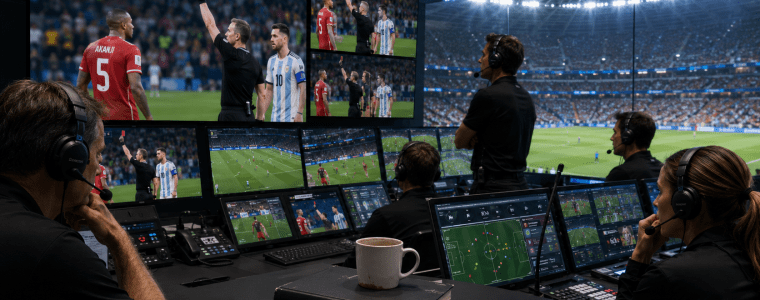
Billions watch the World Cup, billions are earned from it, and few things matter more to a country’s sporting pride than the fate of its national team. Football has analysts for throw-ins, consultants for sleep patterns and enough data to…

