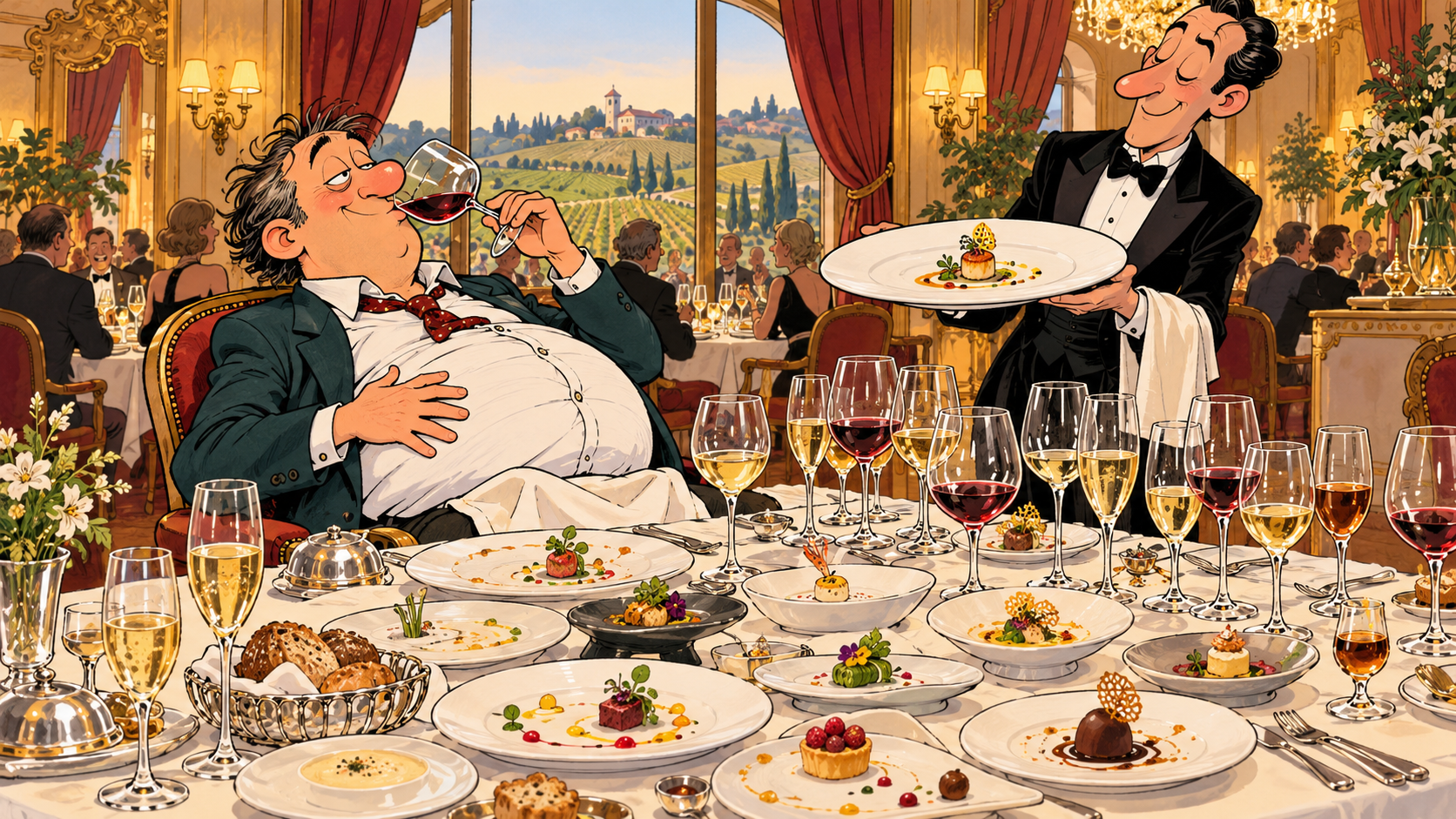
Franschhoek, a small town in the winelands near Cape Town, exists largely so that visitors can eat and drink well. We took this seriously enough to book Épice and La Petite Colombe on consecutive evenings, with tasting menus and premium wine pairings at both. We had given considerably less thought to whether the second evening would still feel like a treat.
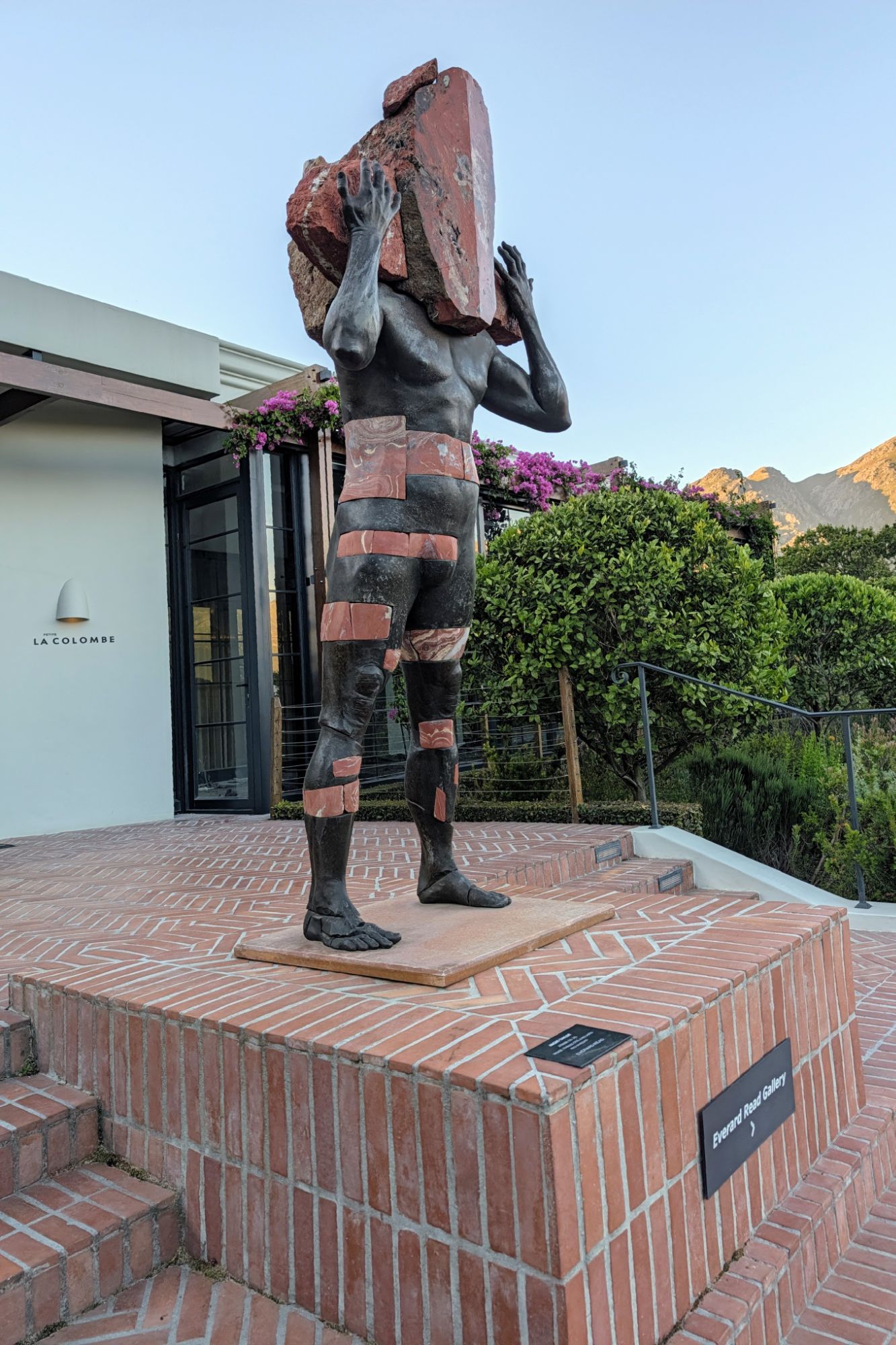
Both served excellent food, which makes this a more awkward article than it would be if dinner had been mediocre. The skill, imagination and work behind the plates were evident. Épice particularly impressed us with its use of spices and combinations that made us curious about what came next. La Petite Colombe offered real craftsmanship of its own, along with the spectacular setting of Leeu Estates.
The difficulty was accumulation. Each small course arrives with the apparent innocence of something that could not possibly fill you up. Add enough of them, along with bread, accompaniments and wine, and the reassuring smallness of the portions becomes a rather technical defence. Everything is delicate, measured and beautifully arranged, yet the overall result comes surprisingly close to gluttony, provided gluttony is served in sufficiently elegant instalments.
By the later stages, I could still recognise how good something was without having much appetite left to enjoy it. The ceremony asked for stamina too: arrivals, explanations, presentations and pairings, each deserving another moment of attention. I enjoy this occasionally, but somewhere along the way I began to miss a dinner that simply let me get on with eating it. Booking the whole production again the following evening was entirely our own mistake. Even delight benefits from a night off.
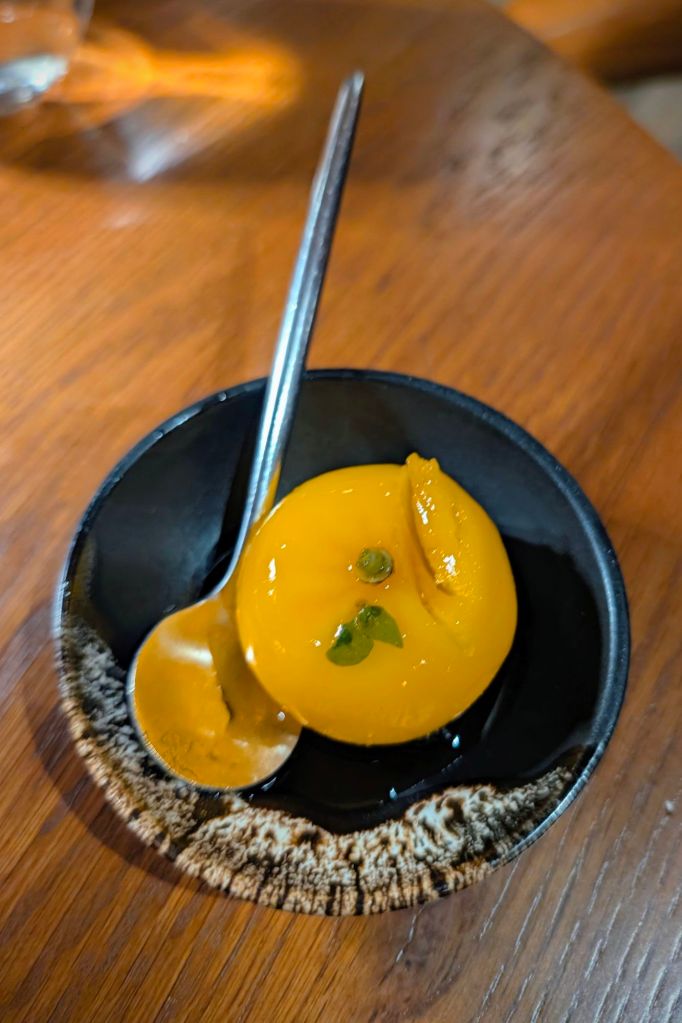
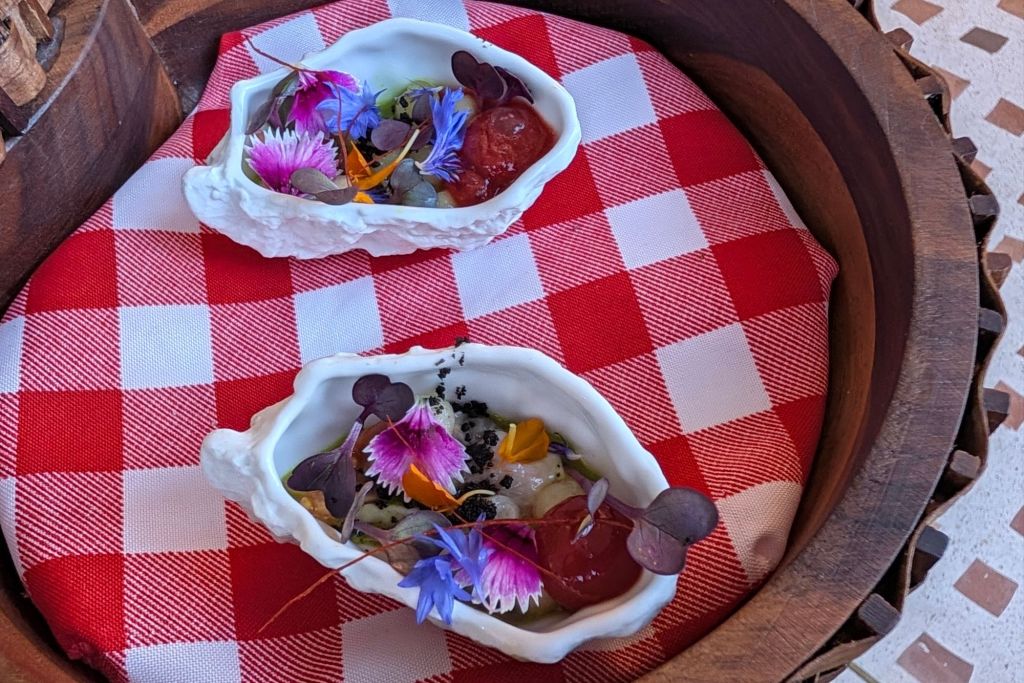
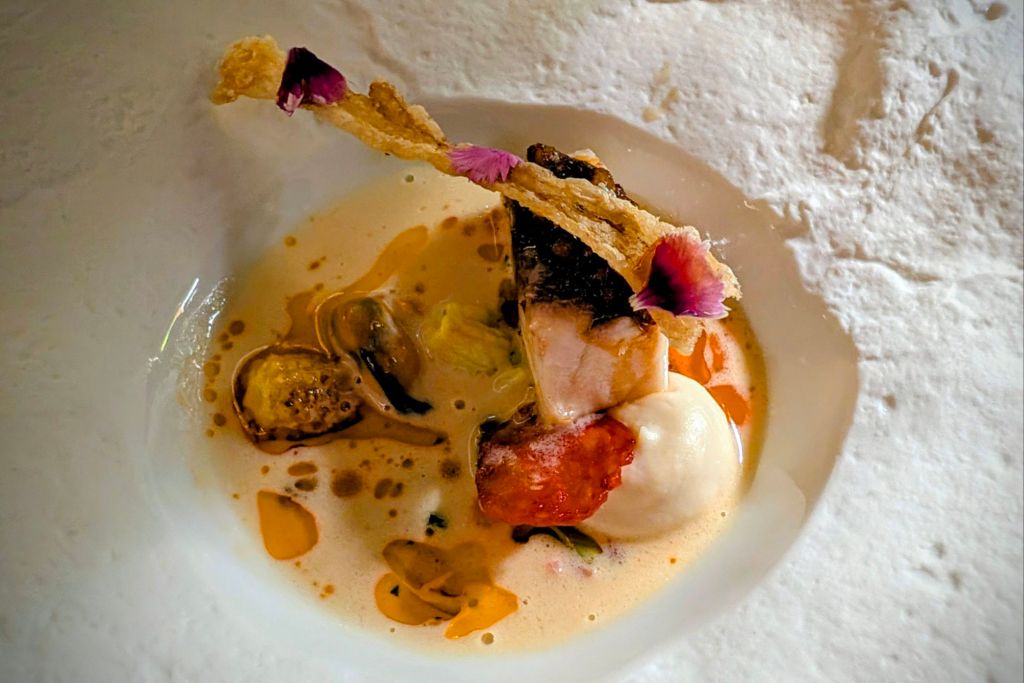
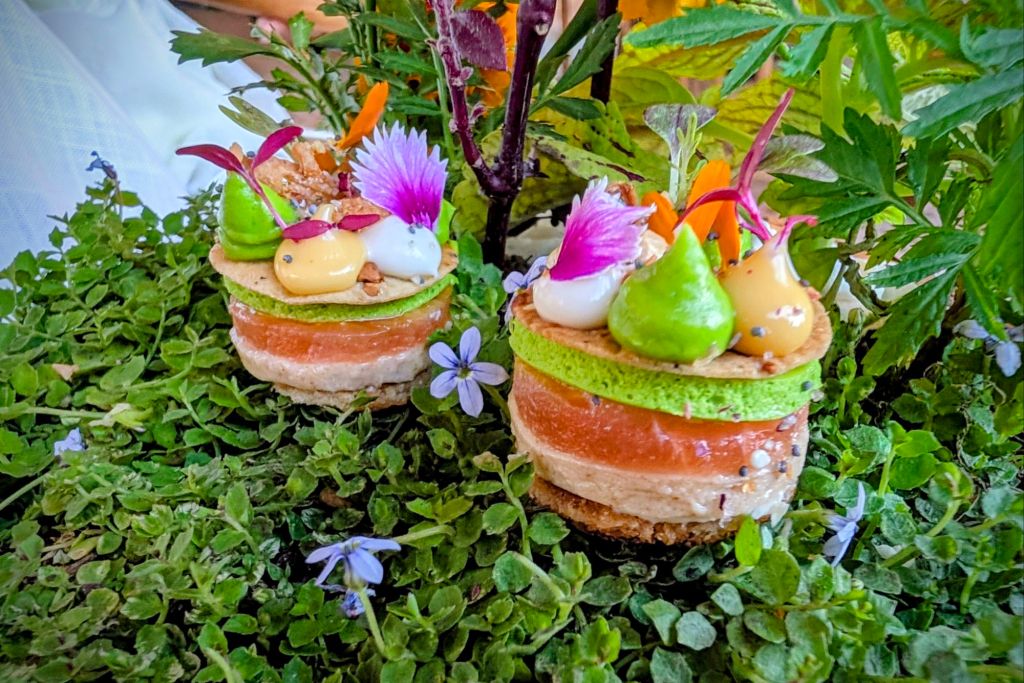
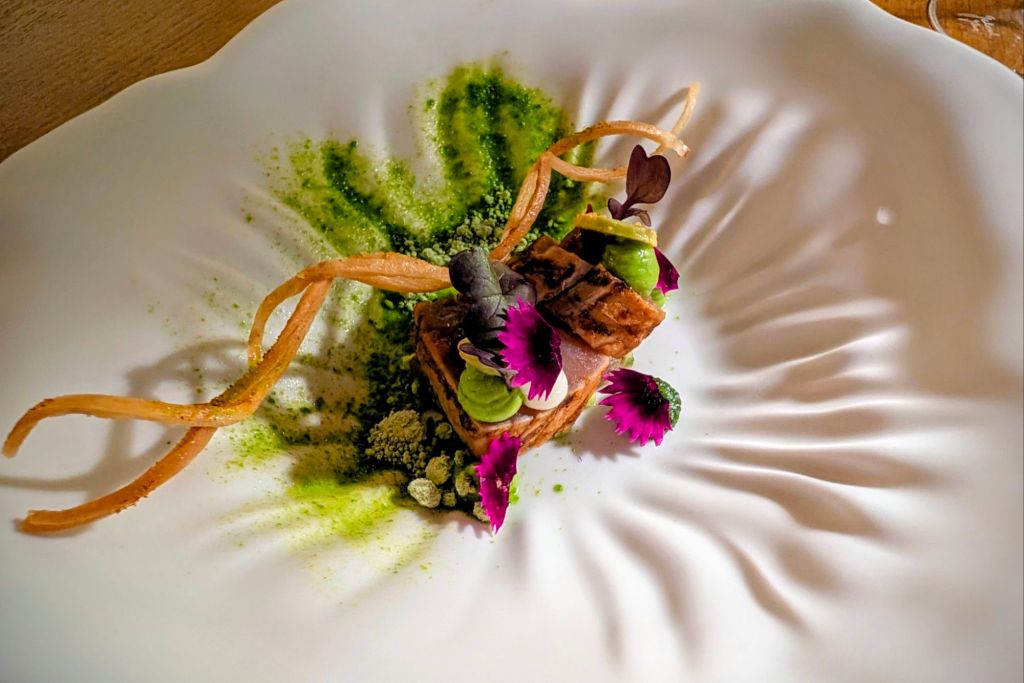
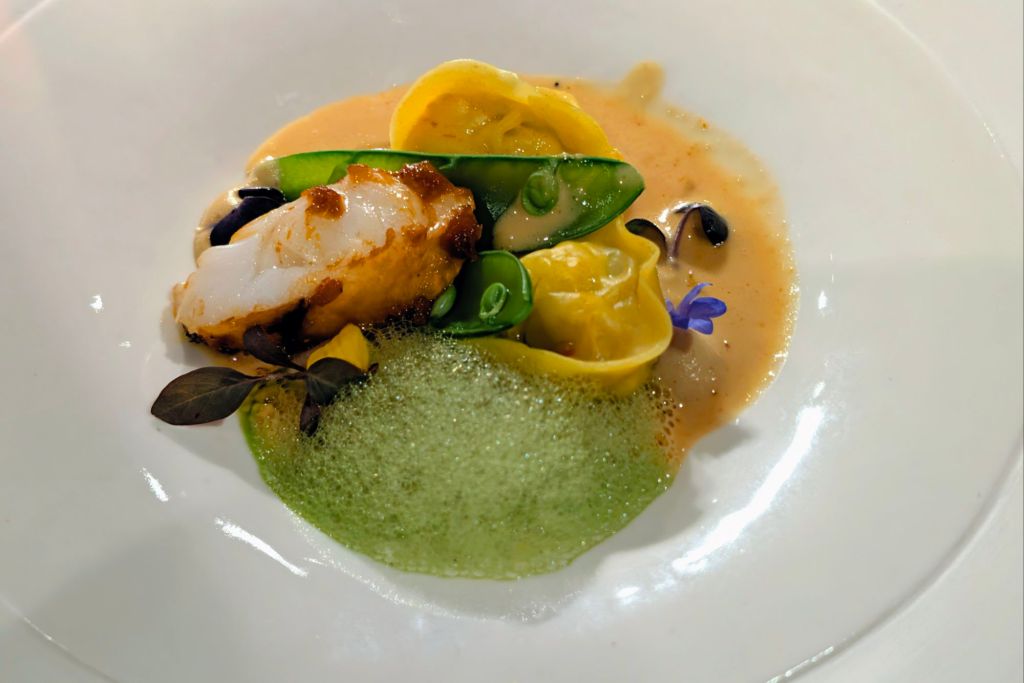
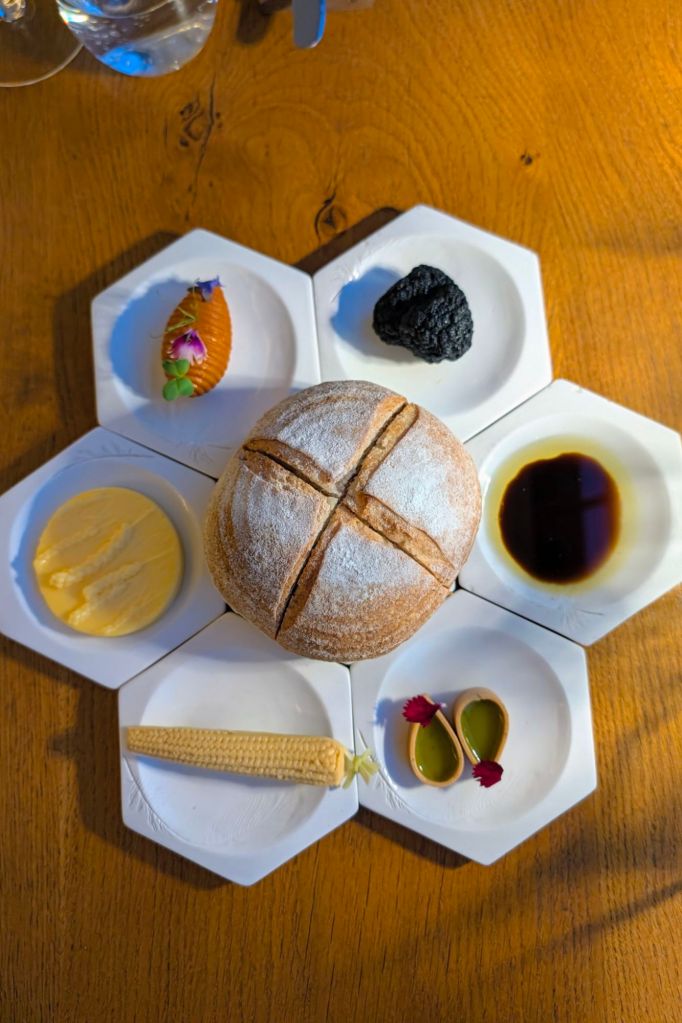
Our bill for two, wine pairings and tips included, came to roughly US$950 at Épice and US$1,100 at La Petite Colombe, the latter including our Wagyu upgrade. Even allowing for Franschhoek’s premium positioning and the labour involved, they are serious sums for dinner, including to someone from Switzerland, where restaurants have never been shy about testing a customer’s composure.
We chose to spend that money. What interested me afterwards was how readily an already expensive experience invited us to spend more. Having selected a premium wine pairing, you might imagine you had settled the matter of drinking very well. Yet further options involving rarer wines and another substantial increase in price suggested that even premium needed somewhere to look up. Rare bottles may justify their prices, but the hierarchy quietly changes the question from “Will we enjoy this?” to “Are we missing the better version?”
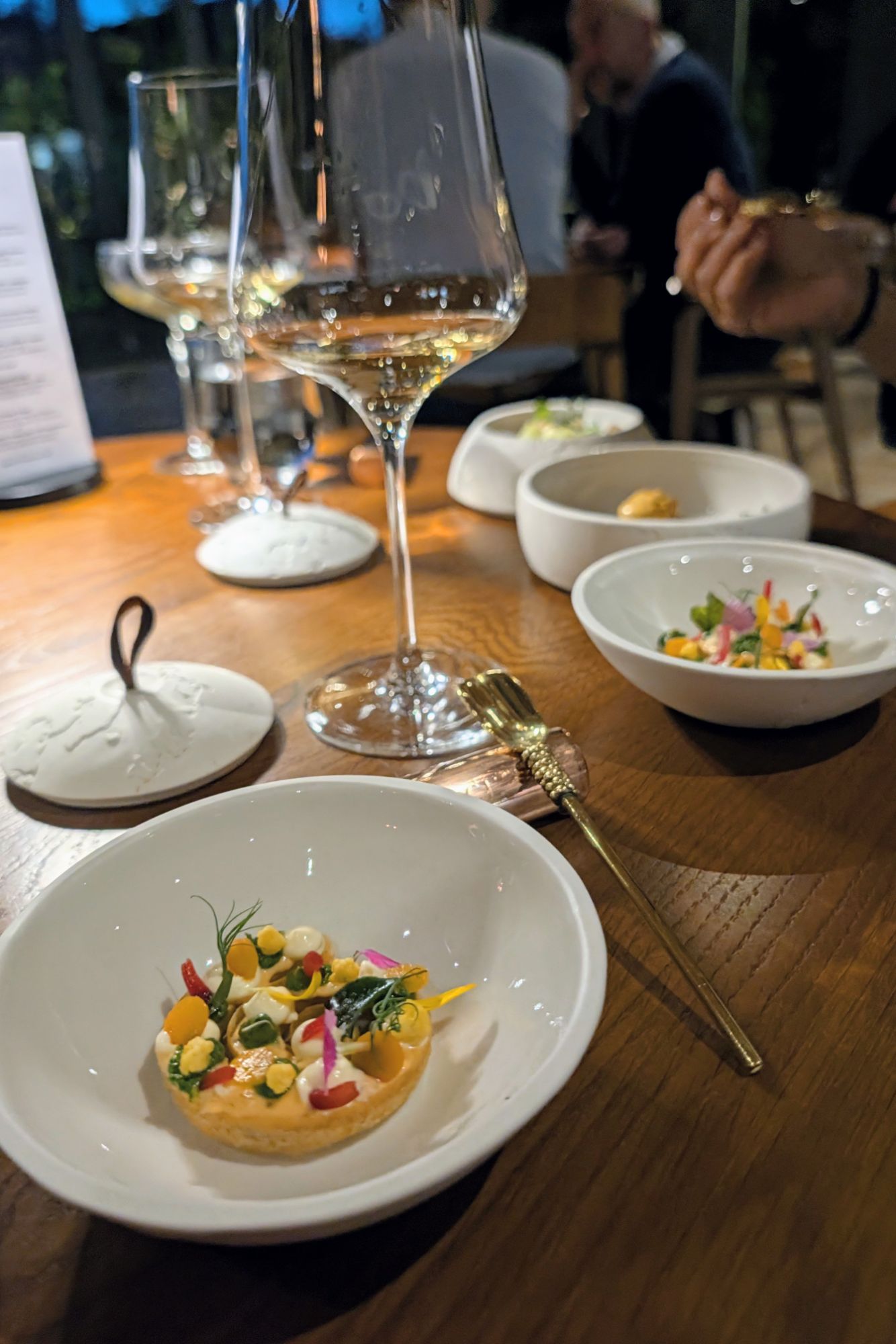
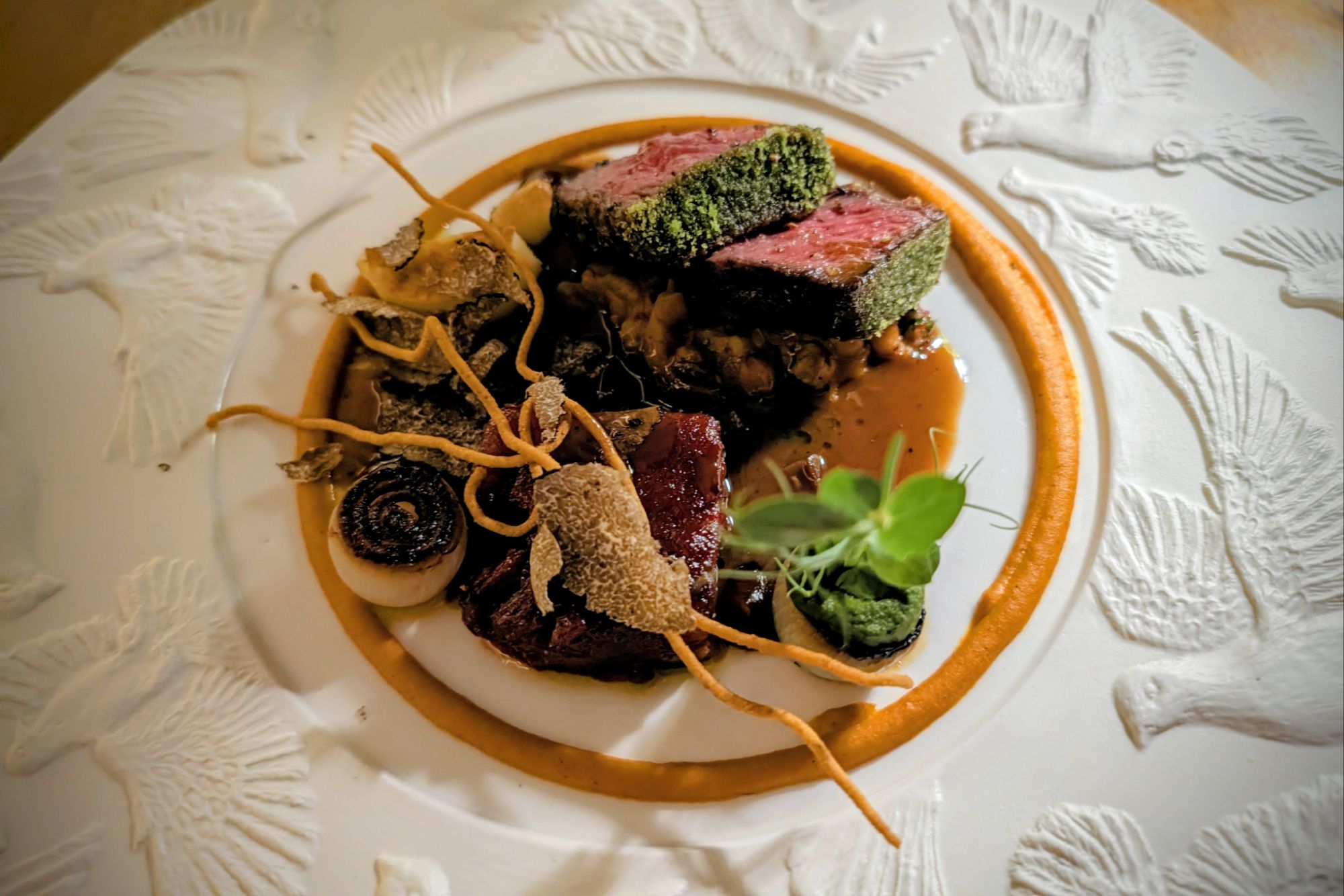
The meat option made this especially tangible. Both menus featured lamb as the main course. I like lamb, but having eaten it at Épice the previous evening, we chose the Wagyu upgrade at La Petite Colombe. This was therefore an upsell in which I willingly participated, largely because I fancied a different animal.
There is quite a leap between not wanting lamb and wanting Wagyu. A beautifully cooked sirloin or entrecôte might occupy some of the territory between those positions, not least in a country where I had found outstanding steak at remarkably reasonable prices. I do not expect a tasting-menu kitchen to operate a steakhouse on the side, but a thoughtfully chosen beef alternative would feel more hospitable than making a change of preference another occasion for a luxury supplement.
The Wagyu came in two preparations, and it was good. A substantially cheaper Wagyu steak I had eaten in Cape Town, however, had tasted better to me. I buy and cook Wagyu at home in Switzerland and have eaten the finest beef of my life in Japan, so I am hardly indifferent to what exceptional meat can offer. Here, the supplement was unmistakable; the improvement was less obvious.
That is where the upselling starts to jar. Having paid handsomely to trust the kitchen’s judgement, I would like to settle into the meal without wondering whether the more satisfying version is still available at an additional charge. It is a familiar sales technique, but it feels oddly cheap in surroundings devoted to refinement.
Some of the things that most improved our evening at Épice could not have been supplied through an upgrade. The room was intimate, the tables comfortably spaced and the noise level low enough for easy conversation. We could enjoy the cooking and still feel we were having our own evening. La Petite Colombe was busier and noisier, with less breathing room than I wanted at that price.
I suspect La Petite Colombe’s popularity has encouraged a tighter seating arrangement than is ideal for this kind of dining. The room felt less exclusive than the food. There is a curious contradiction when such care goes into the space around a morsel, while the space around the person eating it feels less generous.
I am glad we went, and Épice in particular is an evening I remember with real pleasure. But one such dinner would have been enough. Afterwards, I wanted something beautifully cooked, a good glass of wine and the freedom to decide whether dessert sounded appealing. That felt like a perfectly respectable ambition for dinner, even without a programme attached.
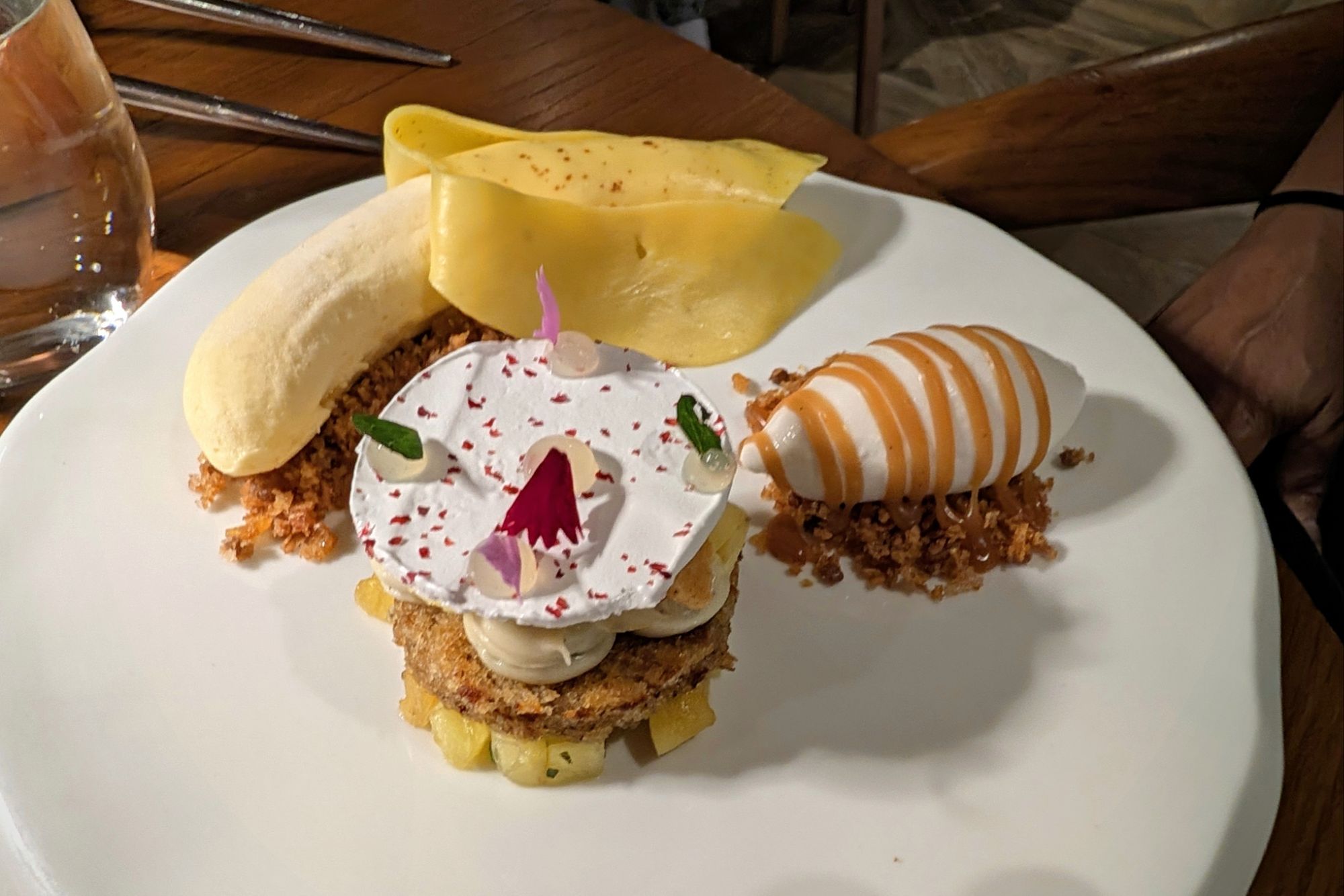
A kitchen capable of judging every spice, texture and degree of doneness so precisely might also consider the pleasure of stopping. I would happily leave with a few dishes still undiscovered. That would give me a reason to come back, rather than a reason to lie down.
As always, just my five cents.
//Alex

