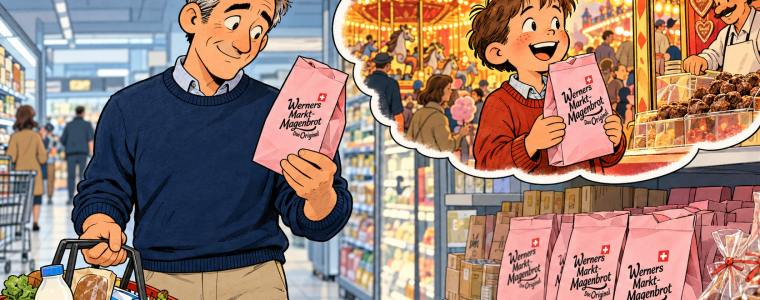
Werner’s Magenbrot is soft, beautifully glazed and thoroughly inconvenient to complain about. It tastes wonderful. But buying it at the supermarket has quietly removed something I remember from childhood: the wait for the fair. Apparently, I have reached the age where easy access to good gingerbread counts as a disappointment.
Author: Alex Reusch
I live in a small city in Switzerland, right next-door to Zurich. I am German, but born and grown up in Switzerland. Professionally, I am in the IT-business for over 25 years. I have plenty of hobbies and interests, which help me to relax, after a stressful day.
I am very much into:
- Photography
- Football (talking about it)
- Motorcycles (love my MONSTER)
- Electronic gadgets
- Technology
- Music (love my Piega’s)
- Weird movies
- F1 (I go totally nuts about it!)
I am passionate about almost everything I do. My motto is:
“Do it with PASSION or not at all”
The Autobahn Hero Meets a Swiss Speed Camera
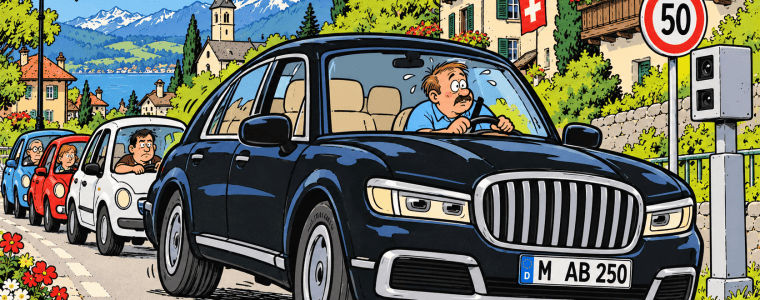
There is a particular kind of German motorist who finds Switzerland terribly amusing. Our motorways are too slow, our speed limits too restrictive, and our approach to driving evidently designed for people who consider arriving somewhere a rather vulgar ambition.…
Since When Is a Decade a Musical Genre?
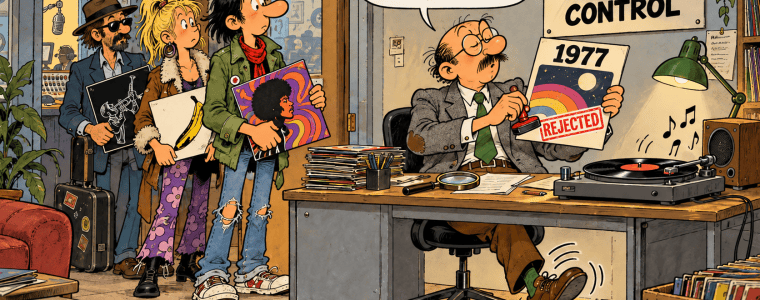
I grew up with the eighties and nineties, but apparently failed to notice that my musical taste was supposed to stop there. Radio has decades of extraordinary music at its disposal, from soul and funk to pop and rock. Yet choosing the next record often seems to involve checking its birth certificate before anybody bothers to listen.
The Time Capsule Has a Repeat Button
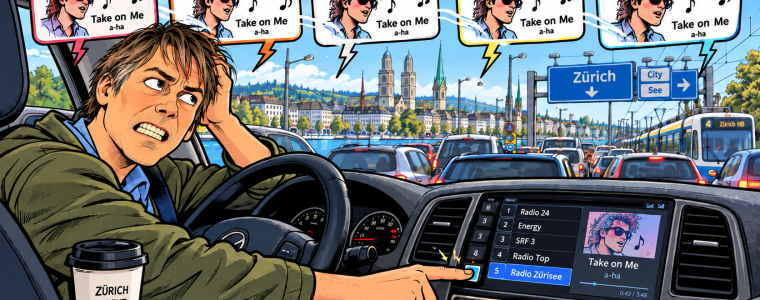
Radio around Zürich offers plenty of stations and remarkably little escape. Radio Zürisee tried something different by retreating into the 80s and 90s. A good idea, until the same safe classics start circling endlessly. The charts may be repetitive, but at least they change. Nostalgia on permanent rotation is simply repetition with better hair.
Dear Packers, I’m Running Out of Next Years

The Packers have spent the money, traded the picks and extended the people in charge. I had assumed protecting the quarterback might also feature in the plan. As injuries expose the cracks, Titletown’s championship ambitions are testing even my capacity for denial. Naturally, I still believe we’re going to the Super Bowl next season.
The Melody Is Borrowed. The Chatter Is All Yours.

Pop has discovered a shortcut: borrow a tune people already love, then talk over it until nothing is left to enjoy. Bebe Rexha's “New Religion” does it to Faithless's “Insomnia”, one of the greatest club records ever made. Somebody else wrote the melody. The chatter is all hers.
Dress for the Life You Intend to Post
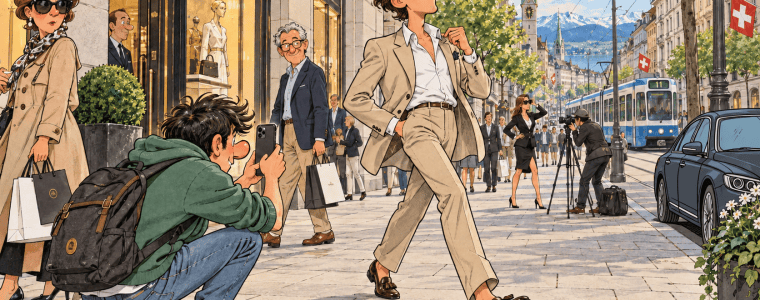
On Zürich’s Bahnhofstrasse, success requires neither money nor achievement, just a suit, a photographer and somebody else’s luxury car. A Saturday shopping trip becomes a front-row seat at Generation Instagram’s auditions for a life considerably more impressive than the afternoon spent manufacturing it.
Zürich Needs a Traffic Plan, Not Another Coat of Paint
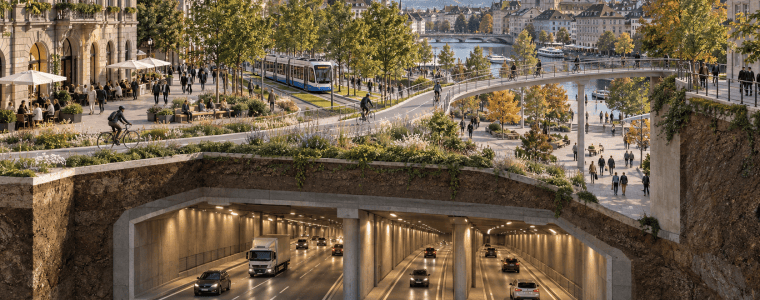
A new study finds Swiss cyclists crash at roughly twice the Dutch rate, with tram tracks, junctions and public transport stops among the trouble spots. Zürich can build a cycle tunnel beneath its main station, then leave everyone competing for the same contested metres above. The city needs better behaviour, better junctions and rather more ambition.
All That Intelligence, and Still the Wrong Rectangle

Smartphone cameras can reconstruct faces, combine exposures and insert the photographer into the picture. Yet my Pixel cannot let me choose the familiar 3:2 format when shooting. While reviewers inspect brickwork for evidence of photographic genius, I spend my evenings cropping every single image. Apparently, artificial intelligence still requires considerable manual labour.
Tesla Can Plan a Charge. It Should Learn to Plan a Journey.
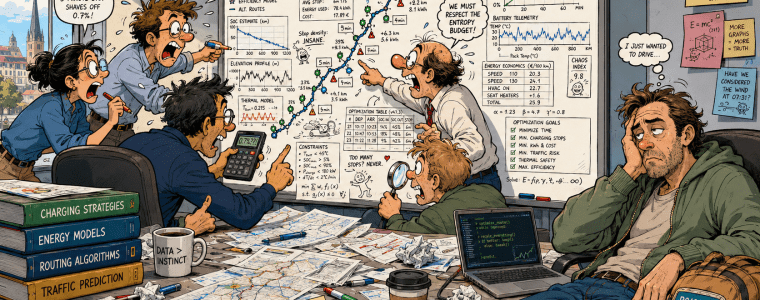
Tesla’s Supercharger network makes long-distance electric travel remarkably easy. Its Trip Planner is less convincing. By optimising relentlessly for charging speed, it can turn a journey into a sequence of brief, inconvenient stops while burying better options in a confusing interface. Tesla understands batteries brilliantly. It should spend a little more time understanding travellers.

