
Zurich’s Rämistrasse and Universitätstrasse have become a lesson in how to discourage cars without formally banning them. Poorly coordinated lights, repeated zebra crossings, permanent stop-and-go traffic and cyclists treating tram tracks as an overtaking lane turn a major route into a daily exercise in frustration, all while motorists face the strictest enforcement.
Category: Rant
Dear Google, Make It Turn Before You Make It Glow
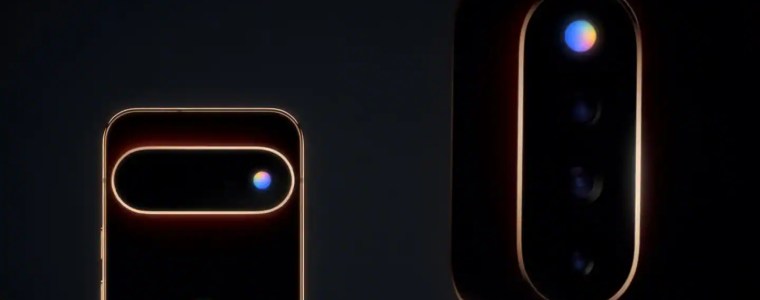
Google’s next Pixel may arrive with more artificial intelligence, more clever tricks and perhaps even Pixel Glow. Wonderful. Meanwhile, the phone still struggles with the primitive task of rotating its screen when turned. After years of Pixels, stuck apps, failed auto-rotation and dubious water resistance, the basics remain embarrassingly unfinished.
FIFA Wants to Sell Football. Infantino Wants to Keep the Keys.
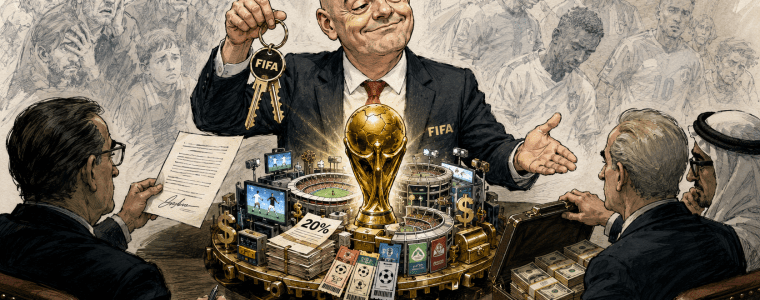
FIFA insists that football is not for sale while preparing to place the World Cup inside a $20 billion company and invite private investors to buy in. The proposal is more than another commercial excess. It reveals how completely Gianni Infantino has personalised FIFA, weakened its internal restraints and blurred the line between public office, private influence and his own future. UEFA has finally threatened resistance. This time, it must go further.
Billions Watching, Nobody Reading the Rules
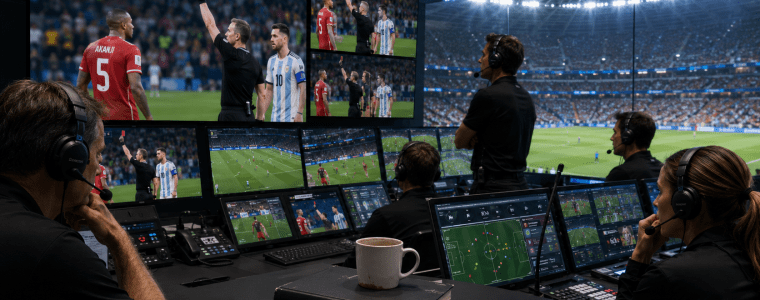
Billions watch the World Cup, billions are earned from it, and few things matter more to a country’s sporting pride than the fate of its national team. Football has analysts for throw-ins, consultants for sleep patterns and enough data to…
The Right Winner of a World Cup that came at Football’s Expense
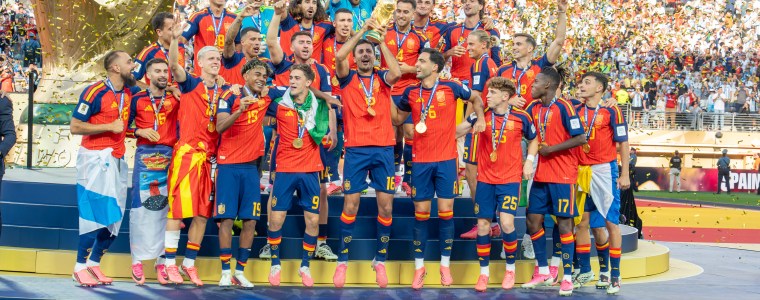
Spain were worthy champions, but the World Cup they won was harder to admire. Bloated beyond sporting necessity, interrupted for commercial convenience and damaged by inconsistent refereeing, weak VAR decisions and a group stage stripped of urgency, the tournament often seemed designed around inventory rather than football. Argentina’s cynical run nearly supplied the perfect ending. Spain prevented that. Their victory saved the result, but it could not repair the competition surrounding it.
Argentina’s World Cup has acquired an Asterisk
Argentina's path to the 2026 World Cup semi-finals has become inseparable from a growing refereeing controversy. From Messi's escaped red card to the VAR decisions against Egypt and Switzerland, the debate is no longer about isolated incidents but about consistency. This article examines why journalists, former players and national associations are increasingly questioning whether football's biggest tournament is still being officiated by the same standard for everyone.
Germany Had the Ball and Nothing to Offer
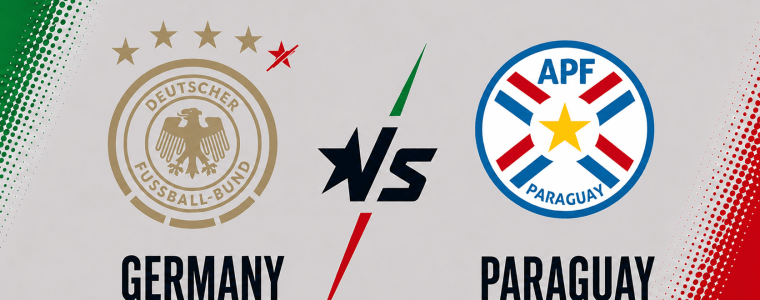
Germany’s defeat to Paraguay was not decided by penalties alone. It was exposed long before that, in a match where possession, passes and corners produced almost no real authority. Paraguay were poor, deeply limited and barely ambitious, yet Germany lacked the tempo, form and conviction to break through. The shootout only confirmed what the game had already shown: this was dominance without danger, and a deserved exit.
Germany vs. Ecuador. When a Meaningless Match Tells the Truth
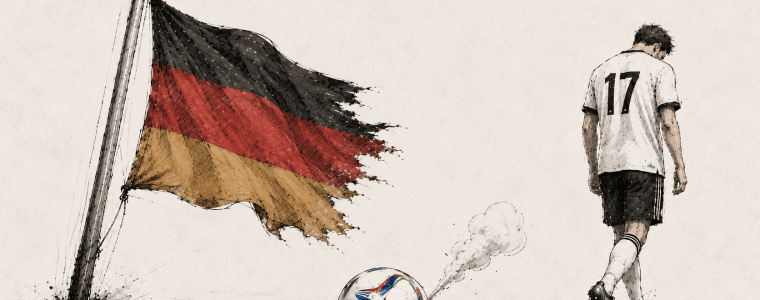
A supposedly meaningless defeat against Ecuador may have told Germany more than any comfortable win could. The match exposed a team without midfield authority, tempo or physical resistance, with too many famous names losing the ball as soon as football became uncomfortable. Musiala, Wirtz and Havertz looked fragile, Neuer looked late, and only a few exceptions suggested this side still remembers what a duel is.
FIFA has won. Football can sit somewhere else.
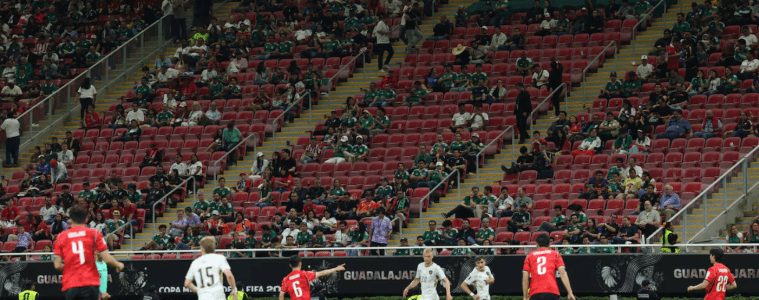
The empty seats at the 2026 World Cup are not a mystery. They are the visible result of a tournament priced, packaged and managed for maximum extraction rather than genuine supporter culture. FIFA may still make record money, and Gianni Infantino’s political machine may remain perfectly fed. But the gaps in the stands reveal something the attendance figures cannot hide: football’s richest event can still look strangely poorer without real fans.
Sports Journalism wants the World Cup Question, But Not the Answer
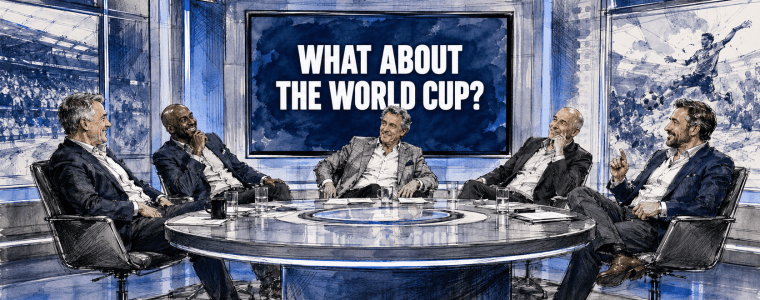
European football media keeps asking players whether they should speak about the FIFA World Cup 2026. But the real question is whether sports journalism itself has the courage to face what this tournament has become: a politically contaminated event shaped by war, exclusion, hostile entry conditions, security fears, absurd prices and a broken contract with the fans. The question is allowed. The debate is not.

