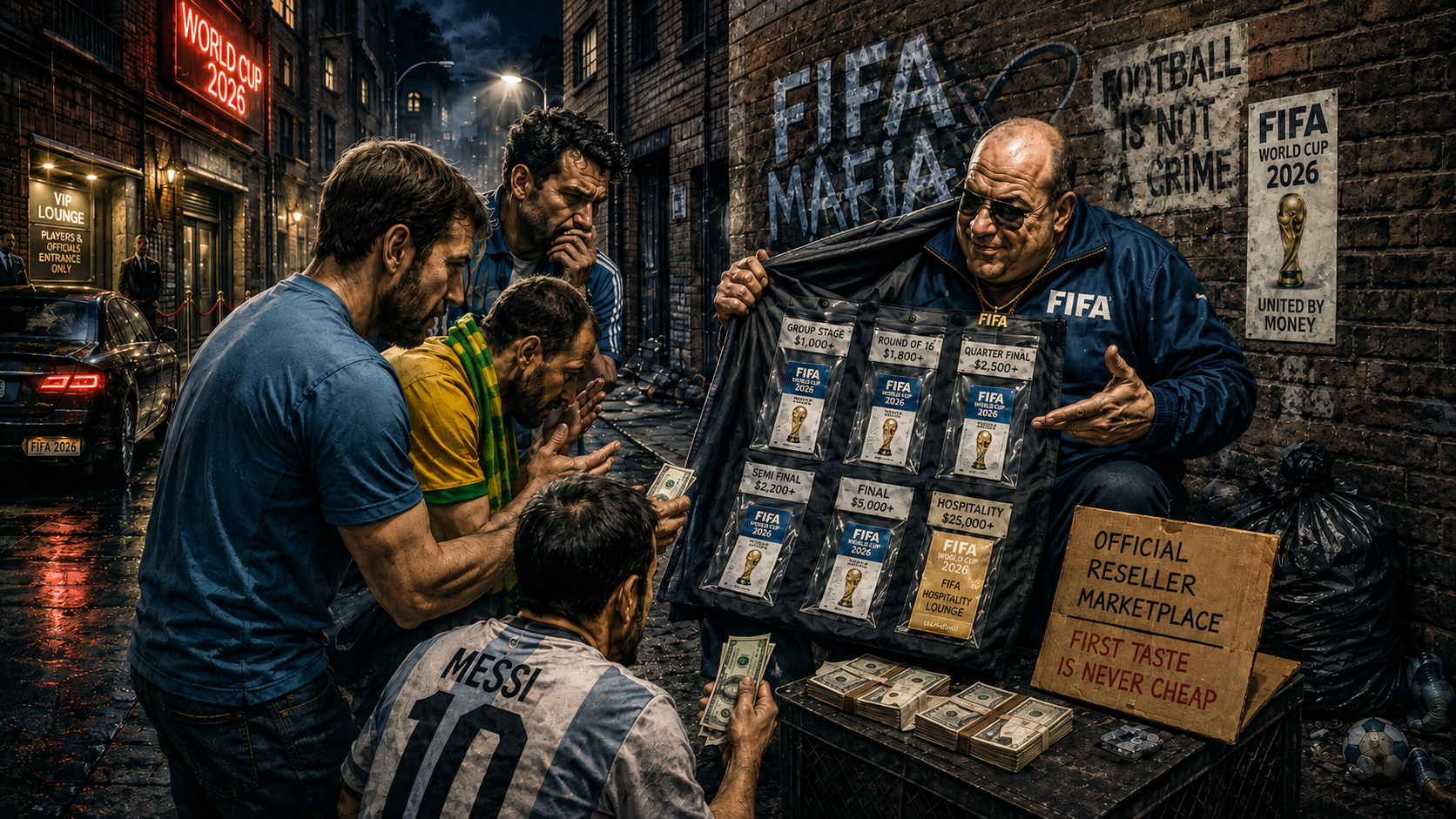
There has already been plenty of public criticism around the 2026 FIFA World Cup. Much of it concerns ticket prices, and rightly so. But the anger does not stop there. Around the tournament itself, especially around the United States as one of the three host nations, the whole thing increasingly feels less like a celebration of football and more like a global sporting event being processed through the machinery of money, security, restriction and corporate entitlement.
Still, I did not want to judge the ticket situation purely from headlines, social media outrage or the usual half-informed noise that surrounds every major event. So I did the simplest thing possible. I created my own FIFA ticketing account, logged in and looked for myself. That was enough.
Before I even reached the current ticket market, the whole process had already carried the smell of controlled confusion. In earlier sales phases (lottery draws), fans were not buying exact seats but expensive categories, guided by stadium maps that later turned out to be rather elastic. When FIFA finally assigned actual seats, buyers found themselves in areas that looked far less attractive than the category maps had suggested. FIFA’s defence was that the maps were only indicative. Of course they were. With FIFA, even disappointment comes with a disclaimer. So after the lotteries, the category games and the cheerful reinterpretation of seating maps, I wanted to see what buying tickets now actually looked like
On 14 May 2026, browsing tickets on FIFA’s own platform, I found no offers below USD 1,000 at first glance. None. The dominant impression was not football, but hospitality. Pitchside Lounge, VIP, Trophy Lounge, Champions Club, FIFA Pavilion. Premium experiences. Carefully named little temples of extraction, all polished in the language of exclusivity. The message was not subtle. Football is still available, but FIFA would clearly prefer that you consume it with a lanyard, a lounge wristband and the correct willingness to be financially skinned. One has to look properly to find actual tickets without being pushed into the hospitality swamp. And sorry, but I am a football fan, not an event slut.
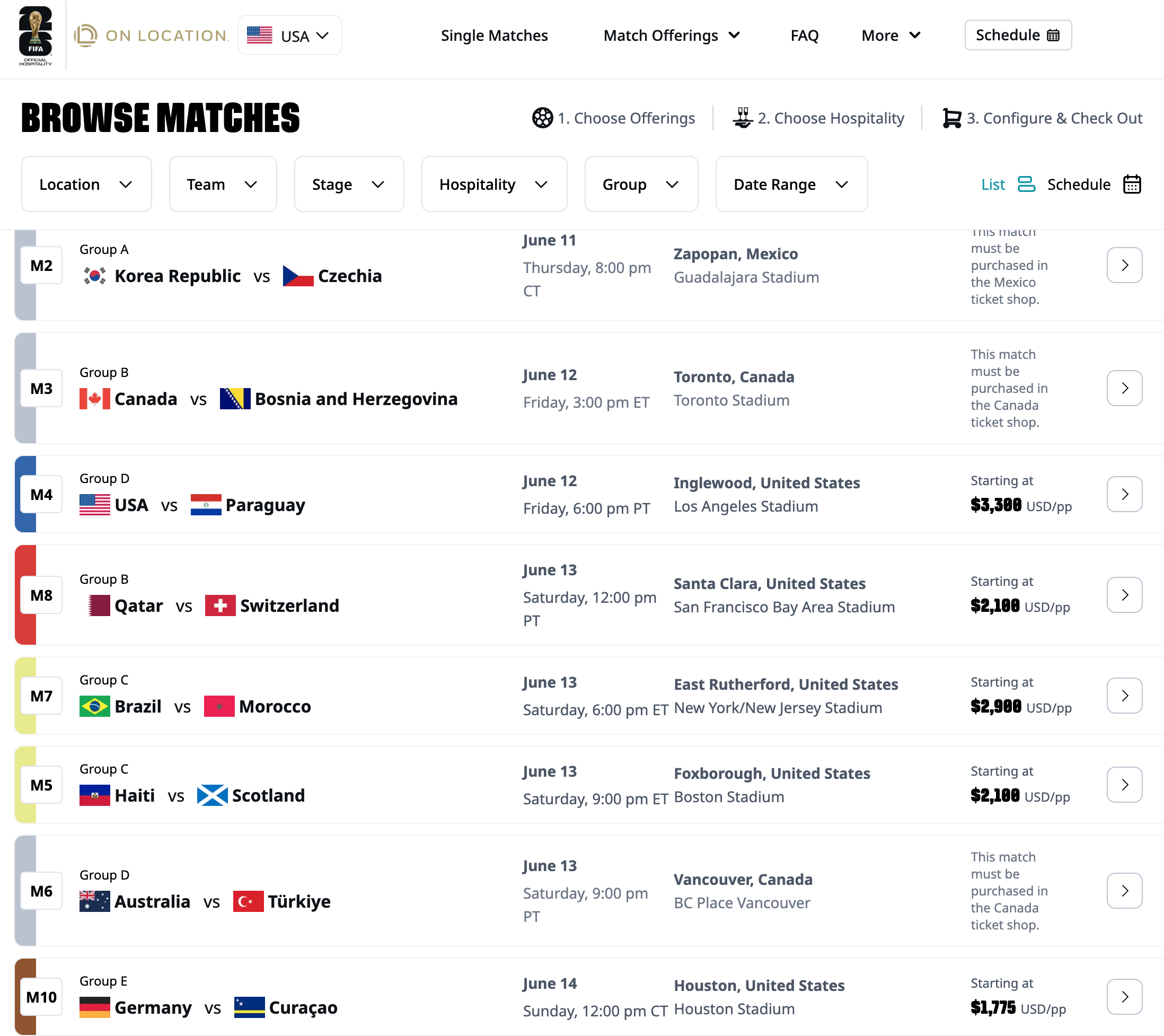
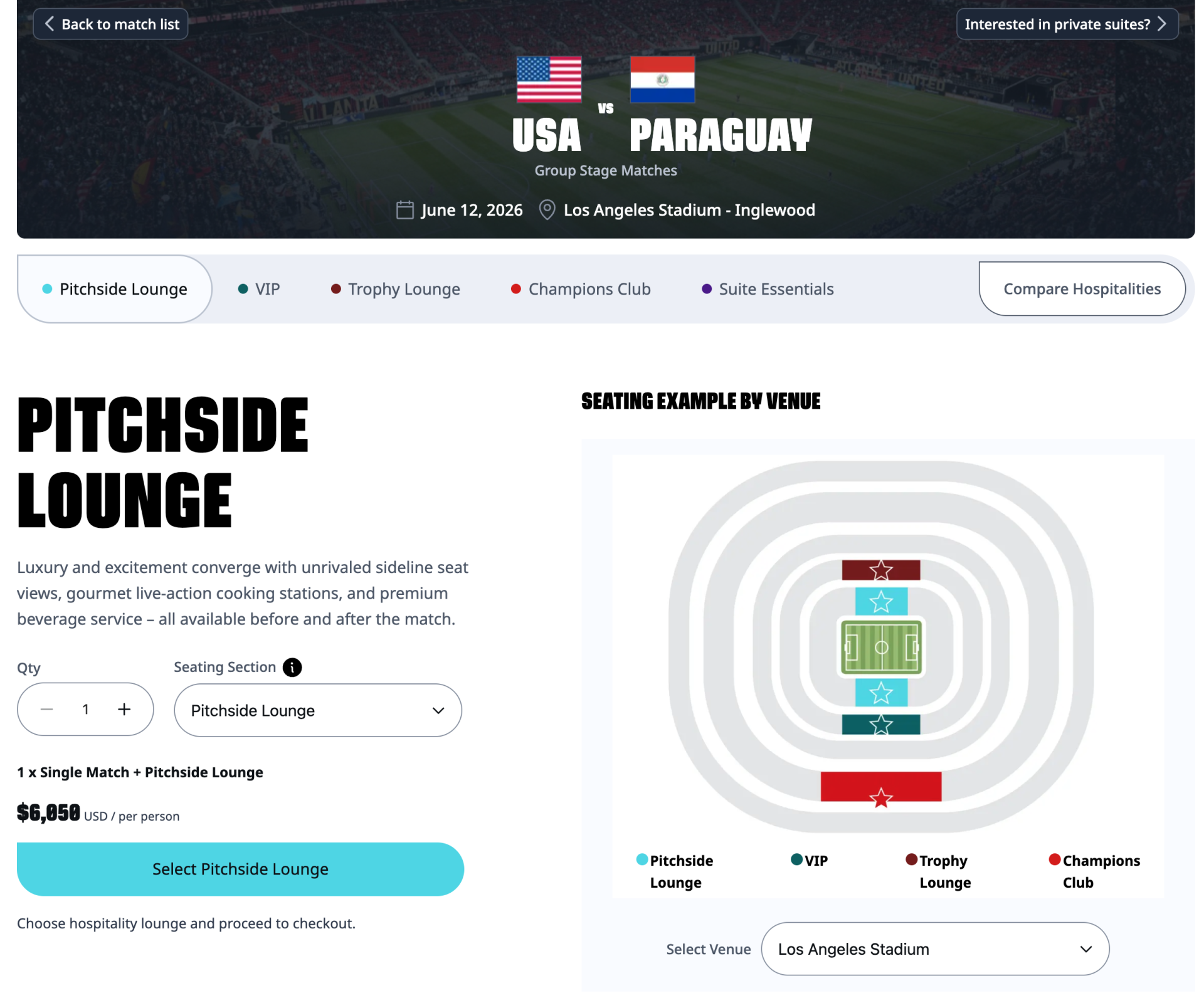
I support Switzerland and Germany, so naturally I searched for those matches. The first example was Germany against Curaçao. Against whom, one is tempted to ask. With all respect to Curaçao, this is not exactly the kind of fixture that would normally make the footballing world hold its breath. In any ordinary context, a group-stage match like that would interest a few loyal fans, some curious neutrals and the relatives of the players. But of course it is a World Cup, so we pretend every group game is now a sacred global occasion and price it accordingly.
And then, after clicking around, there it was. Actual tickets below 400 dollars. But the prices are set for individual seats and are completely random. Move down just one row, and you will pay more than double (USD 814). But it could even be ten or a hundred times as much. It’s like betting on individual numbers in roulette.
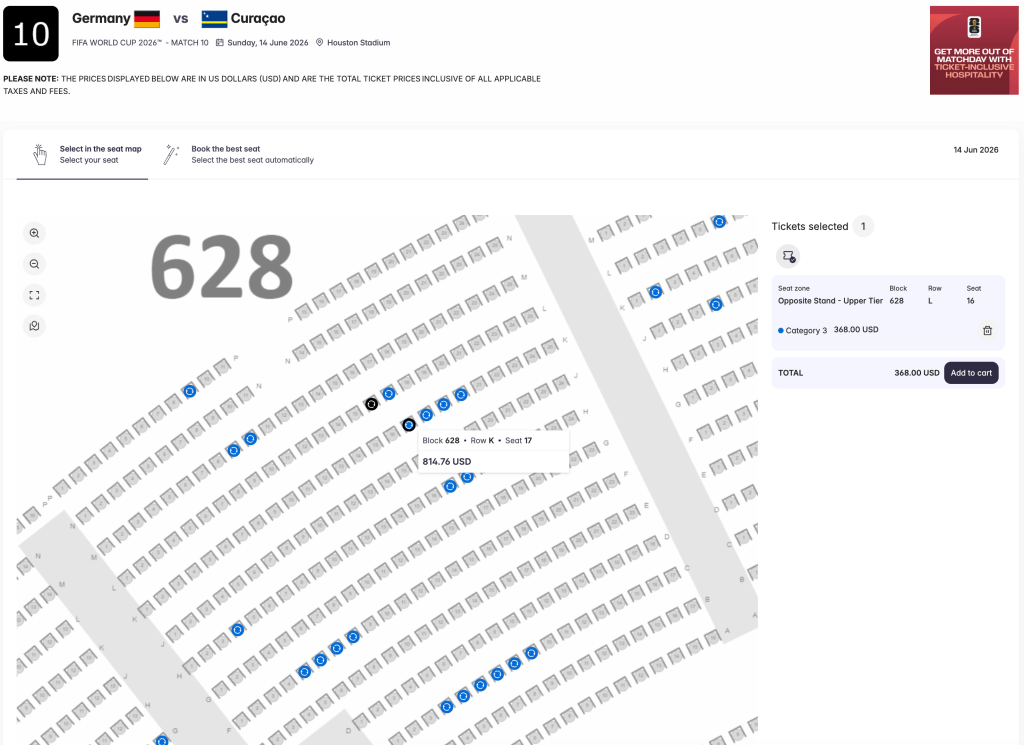
Cheap? Ha!
At that point I pulled out my old World Cup tickets. Not out of nostalgia, although there is plenty of that. Out of comparison. Because only when you place these numbers next to the tickets from previous tournaments does the scale of the current obscenity become clear.
A throwback to a great time.
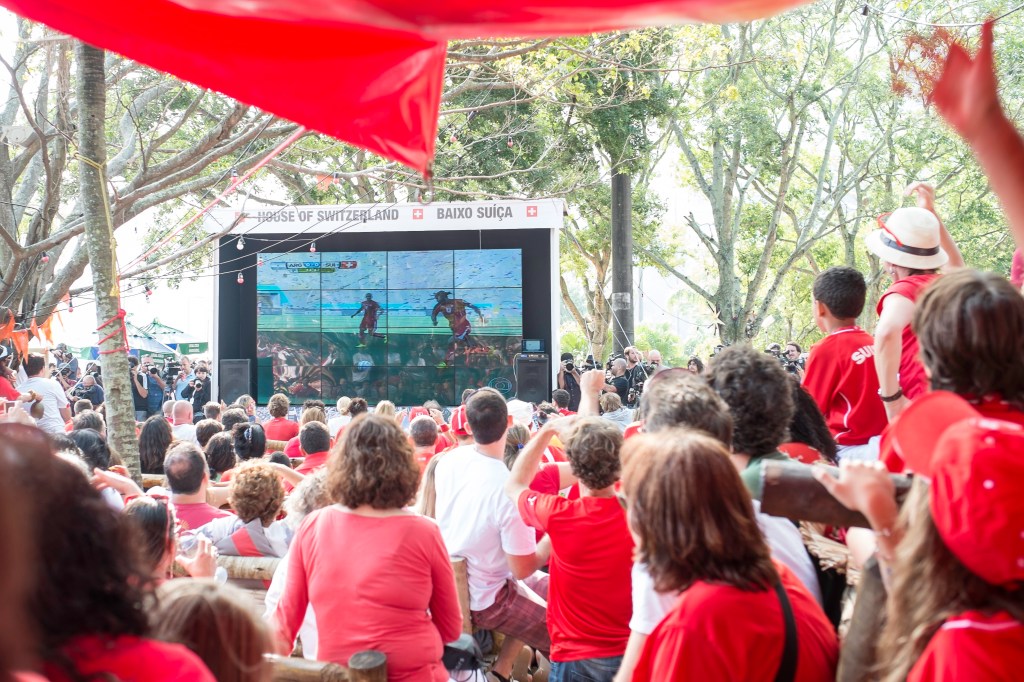
I was at the World Cup in Germany in 2006. To this day, it remains one of the best World Cups ever held. The official motto was “The world as guests among friends”, and for once the slogan was not just marketing decoration. It was true. We really were among friends.
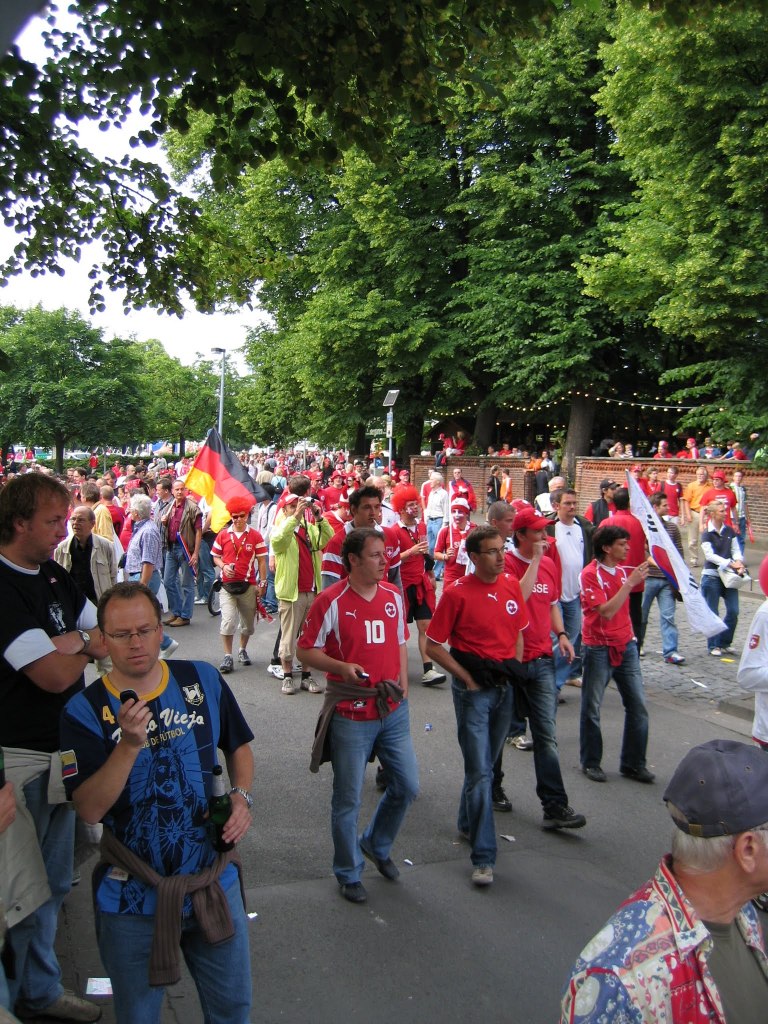
Germany was a giant football party. The whole country was alive with it. A friend and I drove from Switzerland into Germany for a World Cup road trip, and even the journey itself felt like part of the tournament. Fans everywhere. In towns, at motorway service stations, on the roads, in beer gardens, on fan miles. Honking cars, flags, chants, laughter, beer, sunshine, madness. It was endless and it was unique. Germany was not merely hosting a tournament. Germany had football fever.
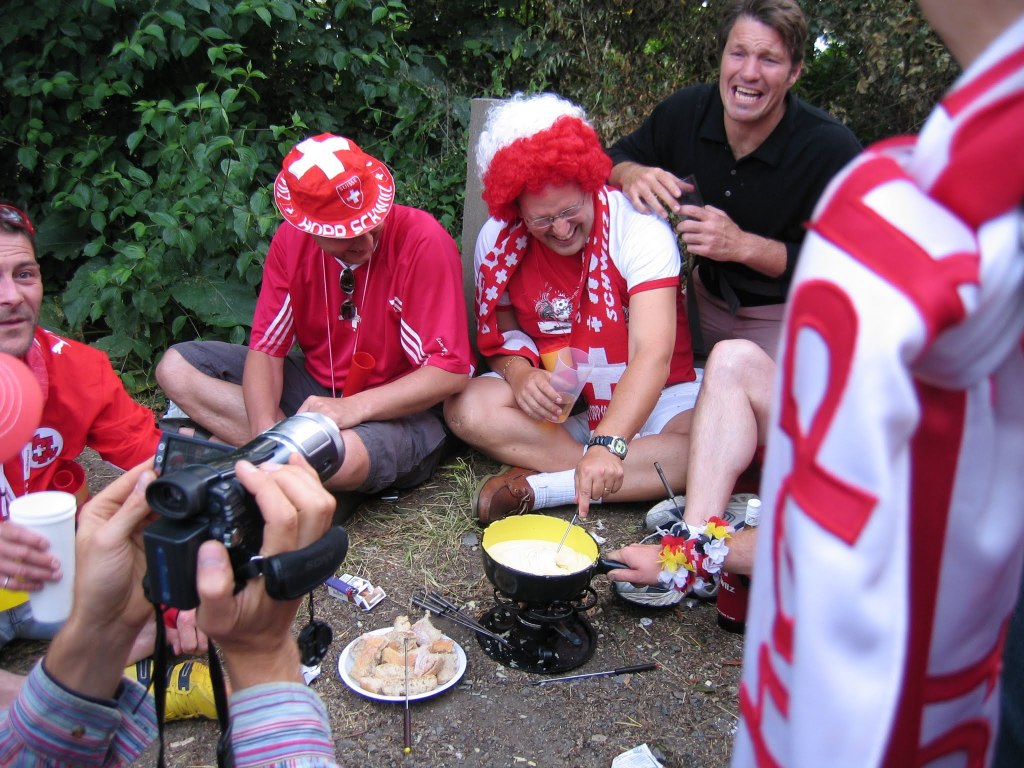
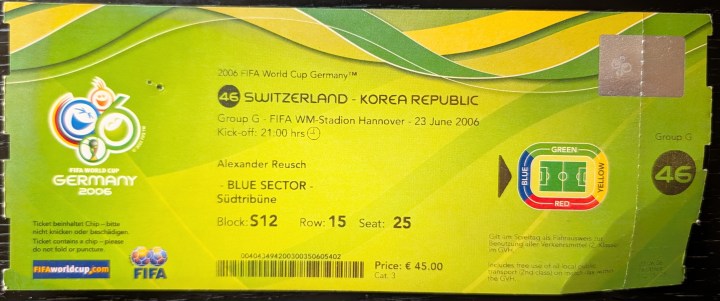
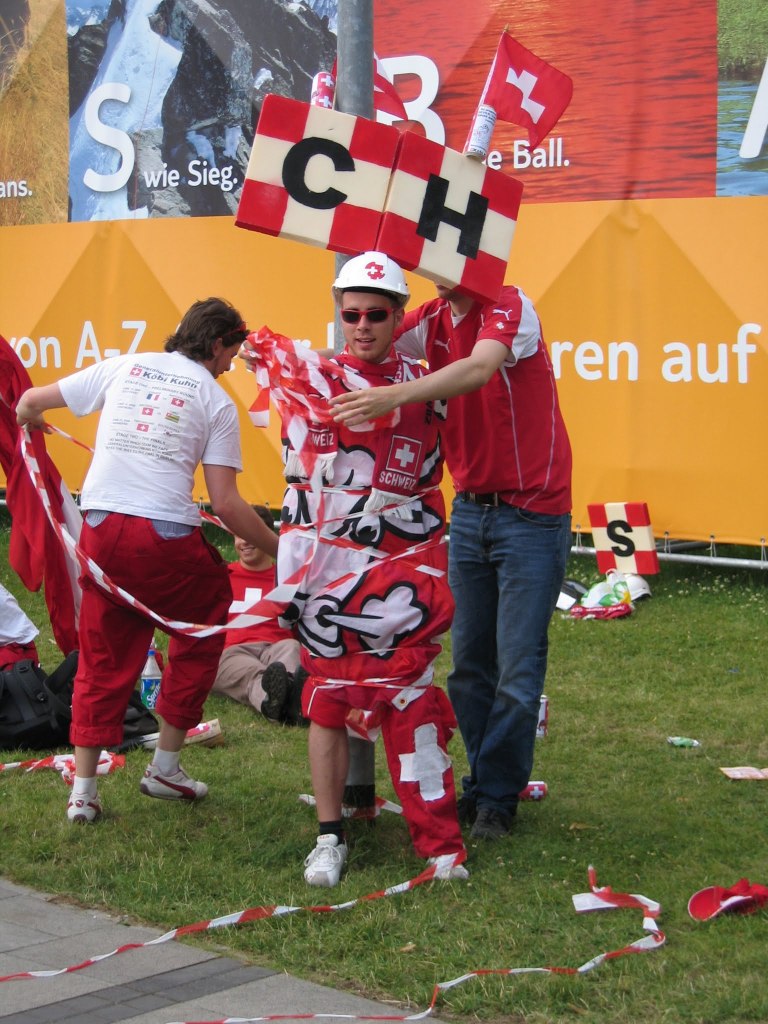
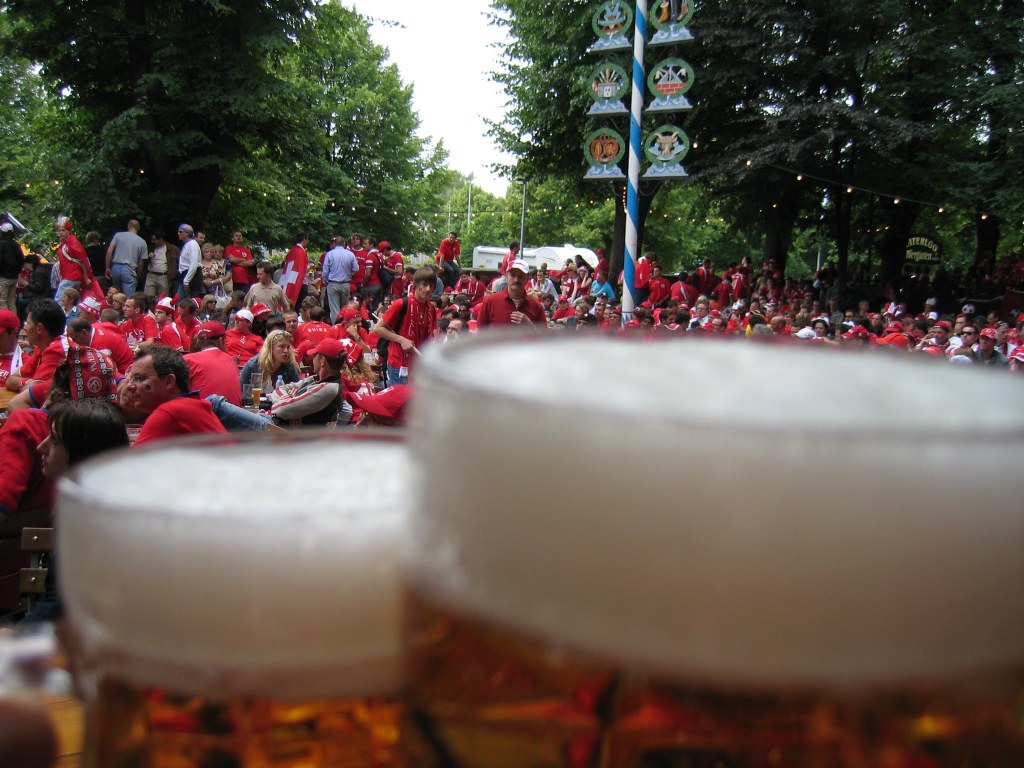
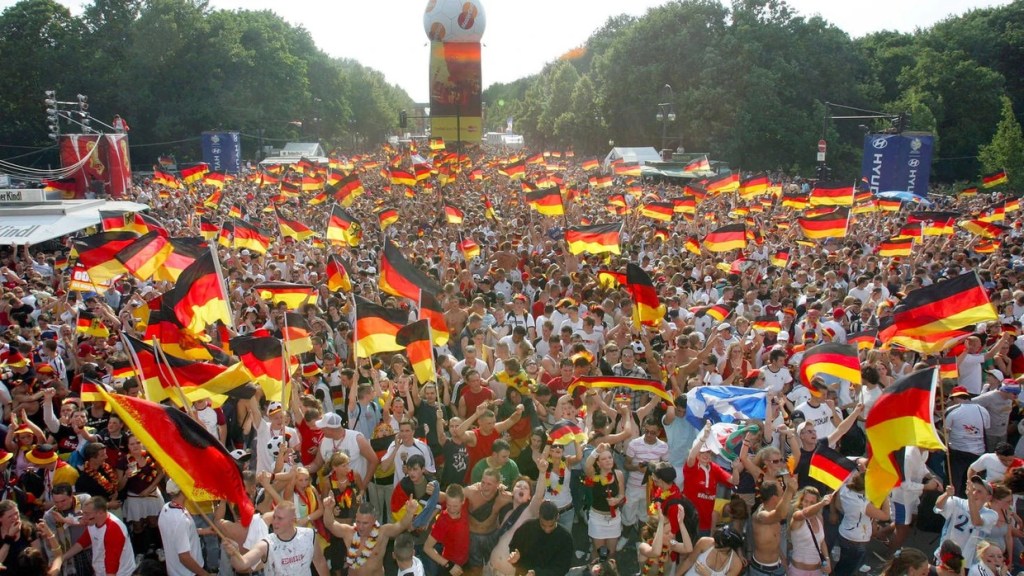
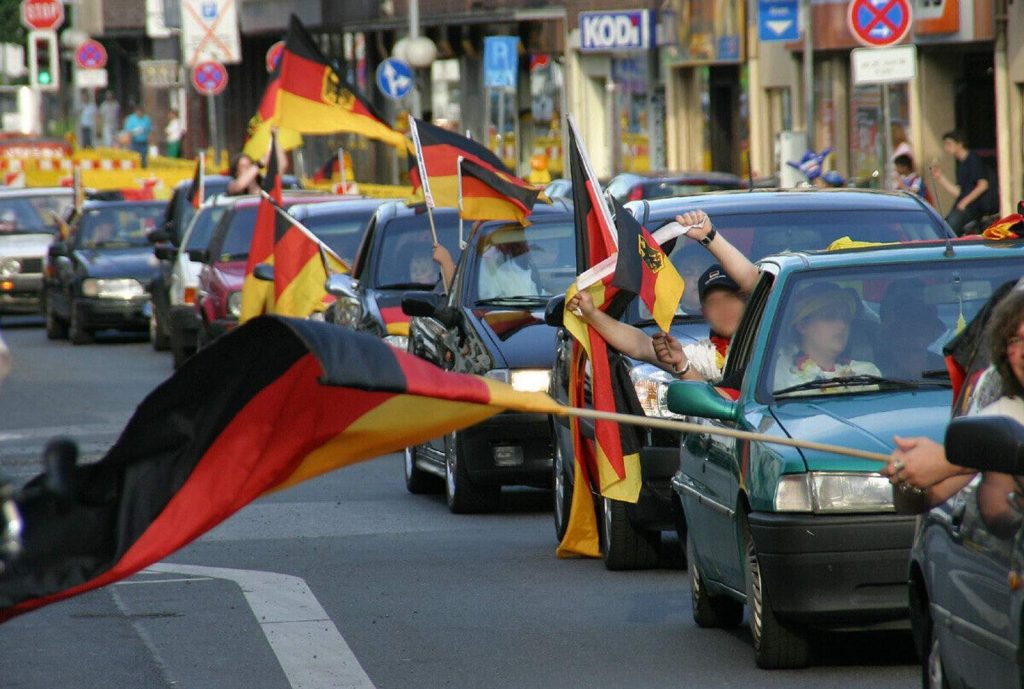
We watched Switzerland against South Korea in Hannover, the last group match, important for Switzerland’s qualification for the round of sixteen. Category 3 ticket: 45 euros. Around 50 dollars (USD). We met Korean fans, Swiss fans, Germans, neutrals, everybody. The atmosphere around the stadium was fantastic. Fan mile, beer mile, full escalation. It was a football festival in the best sense of the word.
We also watched Switzerland against Ukraine in the round of sixteen. Category 2 ticket: 78 euros, around 90 dollars official price. We bought it on the black market outside the stadium and paid a little more, but nothing absurd. It was a dreadful match, admittedly, one of those games that makes football look like a punishment invented by accountants. And then Marco Streller missed his penalty, visibly eaten alive by nerves, his tongue betraying the entire internal collapse before the ball was even struck. A national trauma for Switzerland. And still, unforgettable.
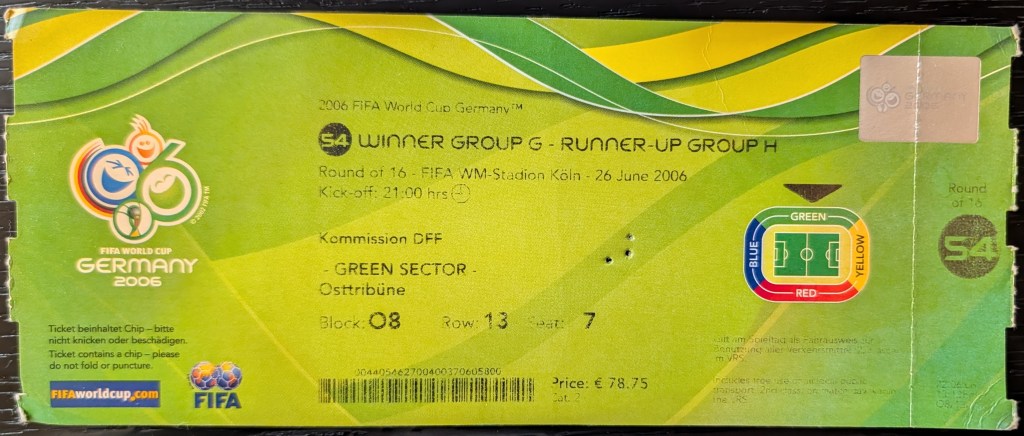
That is the point. Even the bad matches were part of something alive.
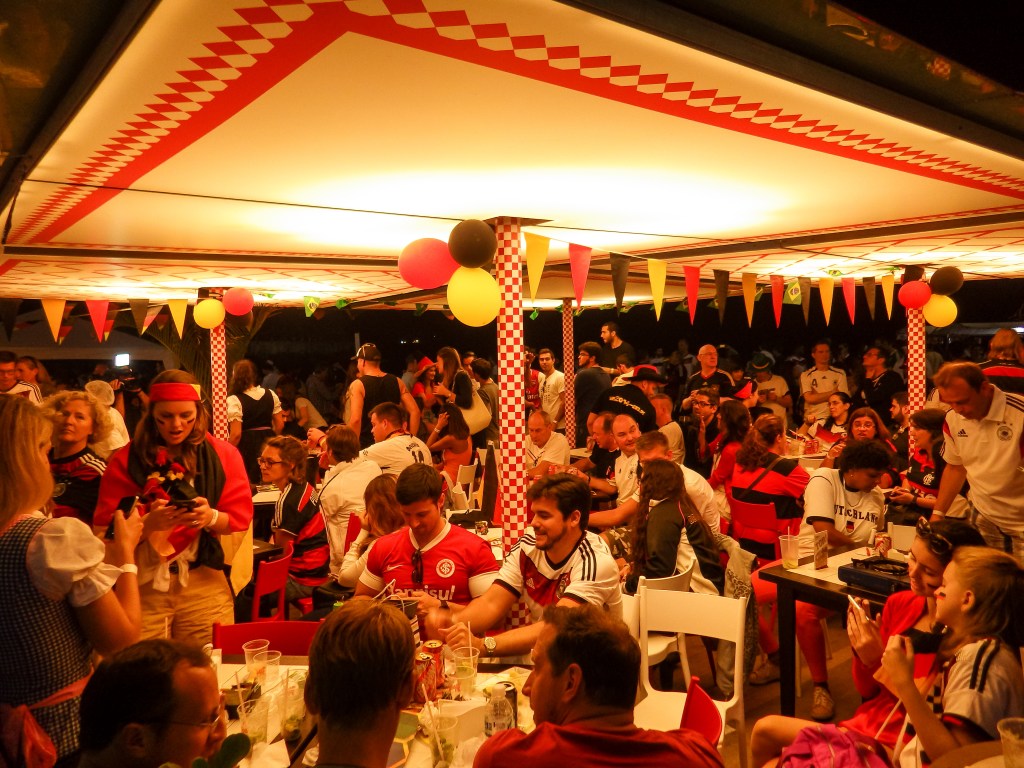
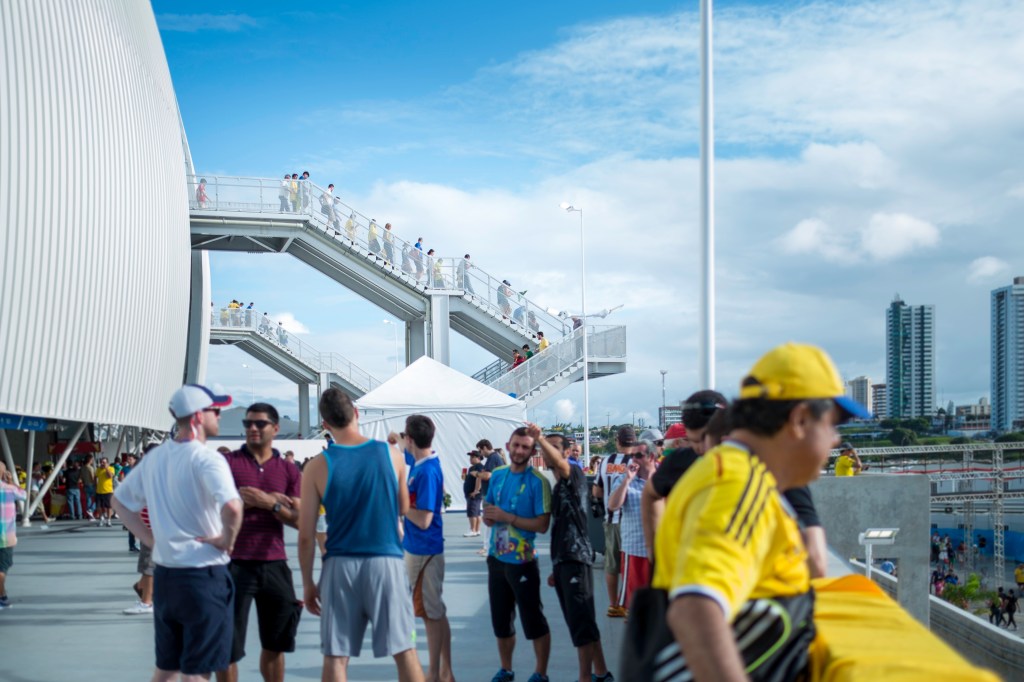
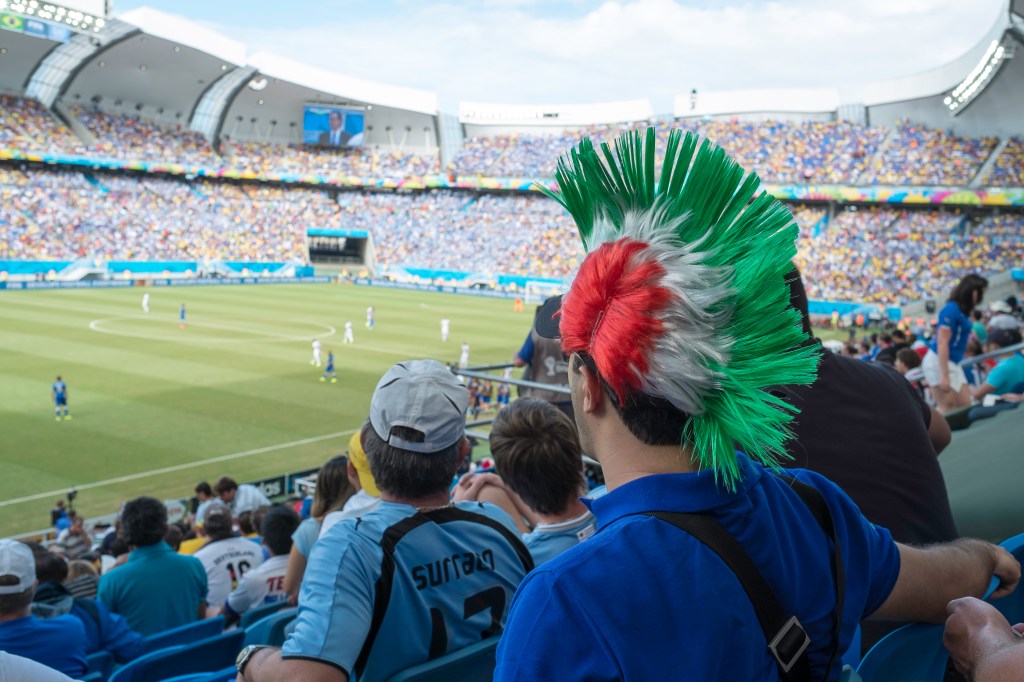
Brazil 2014 was another unforgettable trip. A different kind of World Cup, more chaotic, more humid, more intense, but just as real. A friend and I drove through heavy rain from Natal to Recife for Germany against the USA. It was a biblical downpour, but still a giant party. Germany against the USA was the final group match and relevant for qualification. Category 2 ticket: 135 dollars.
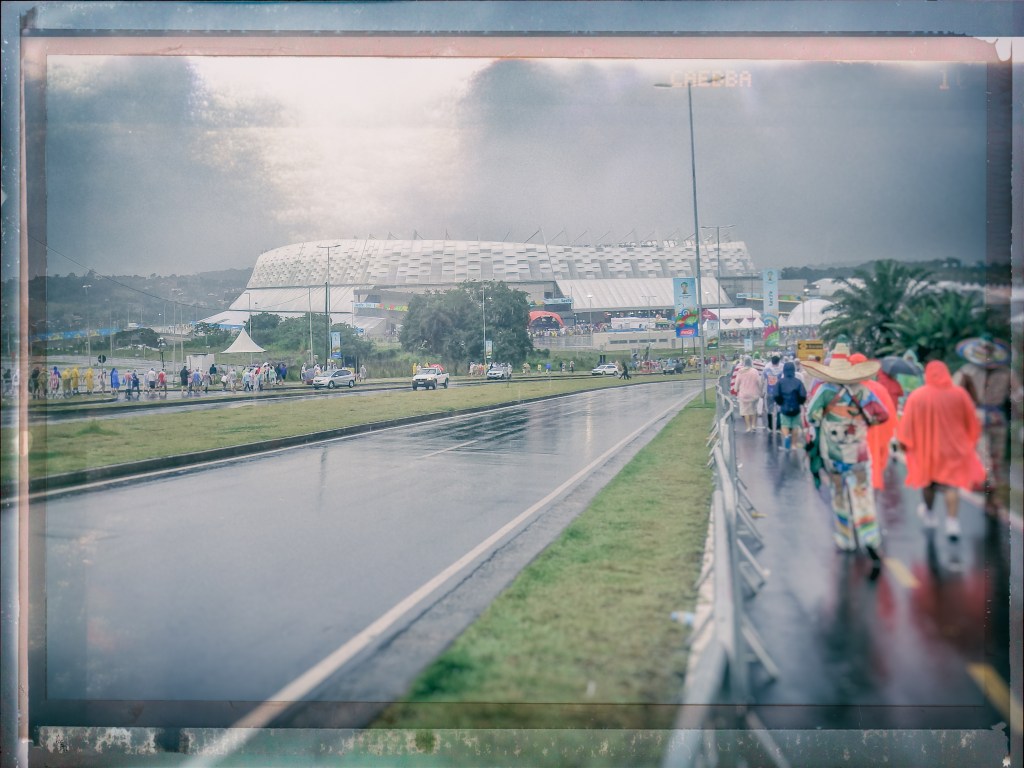
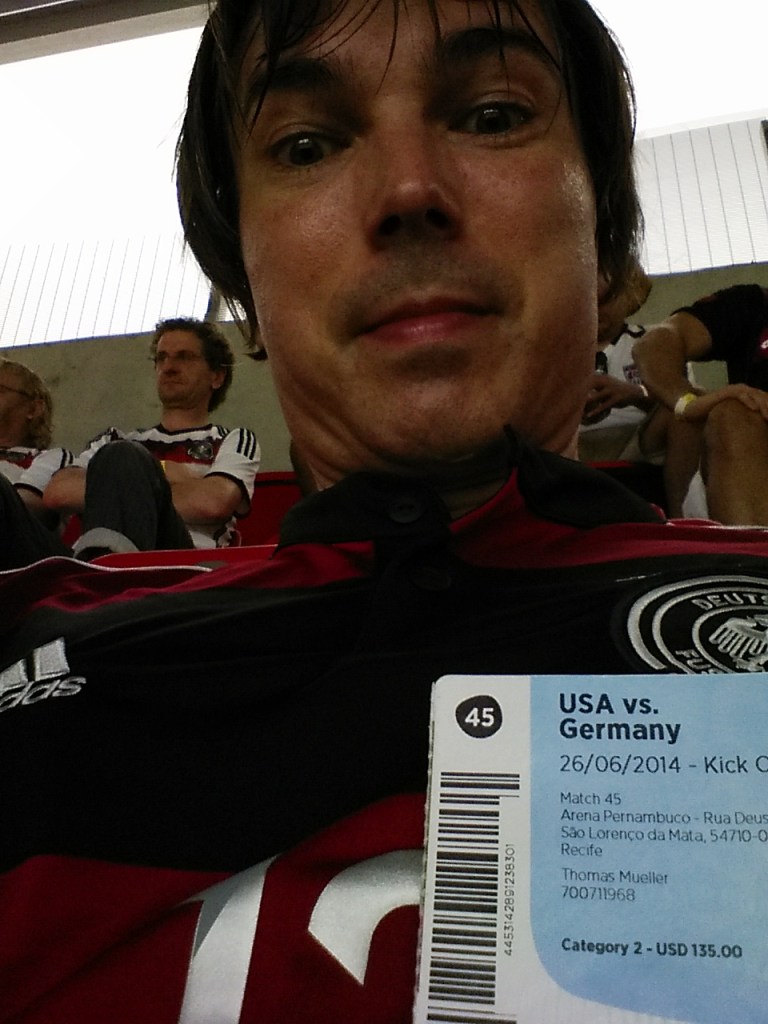
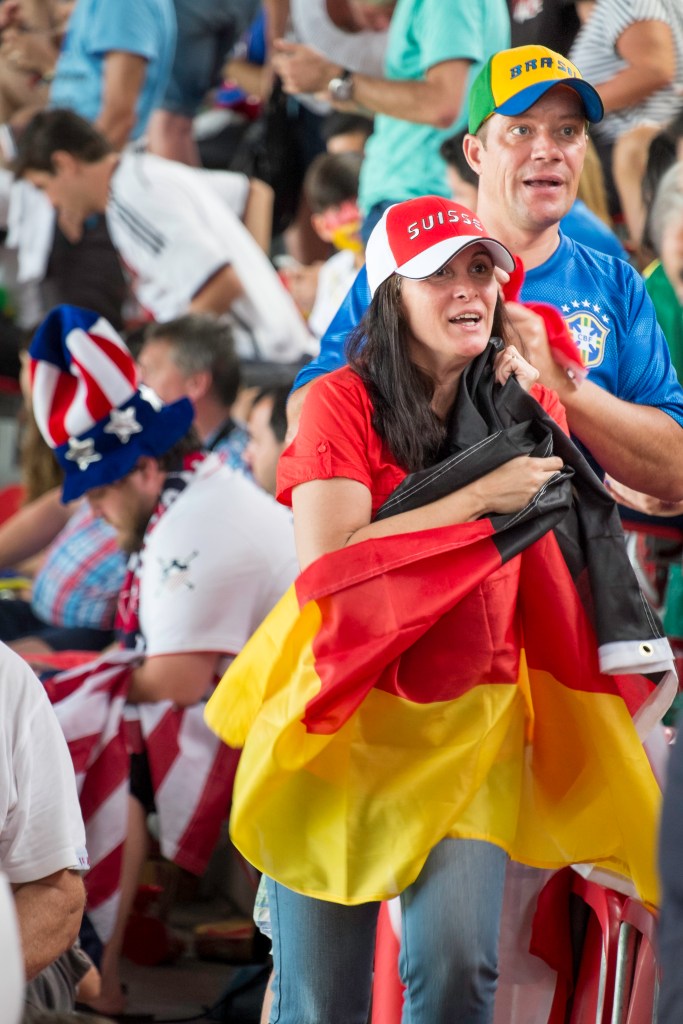
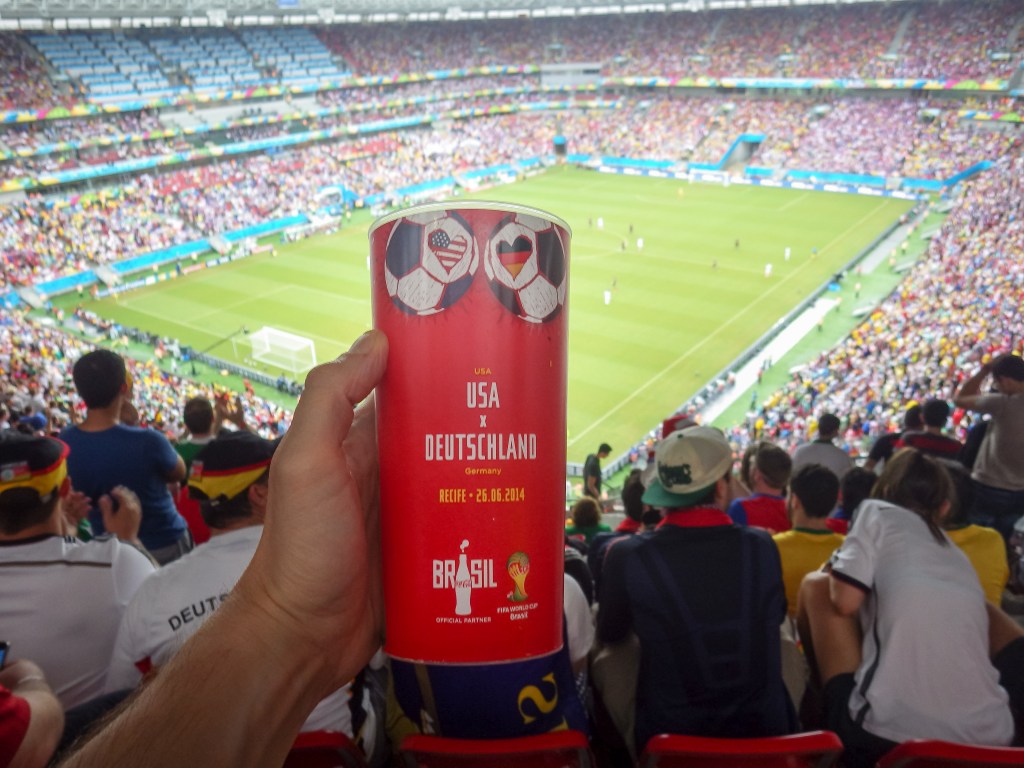
Read that again. Category 2. Germany against the USA. World Cup 2014. Official ticket: USD 135.
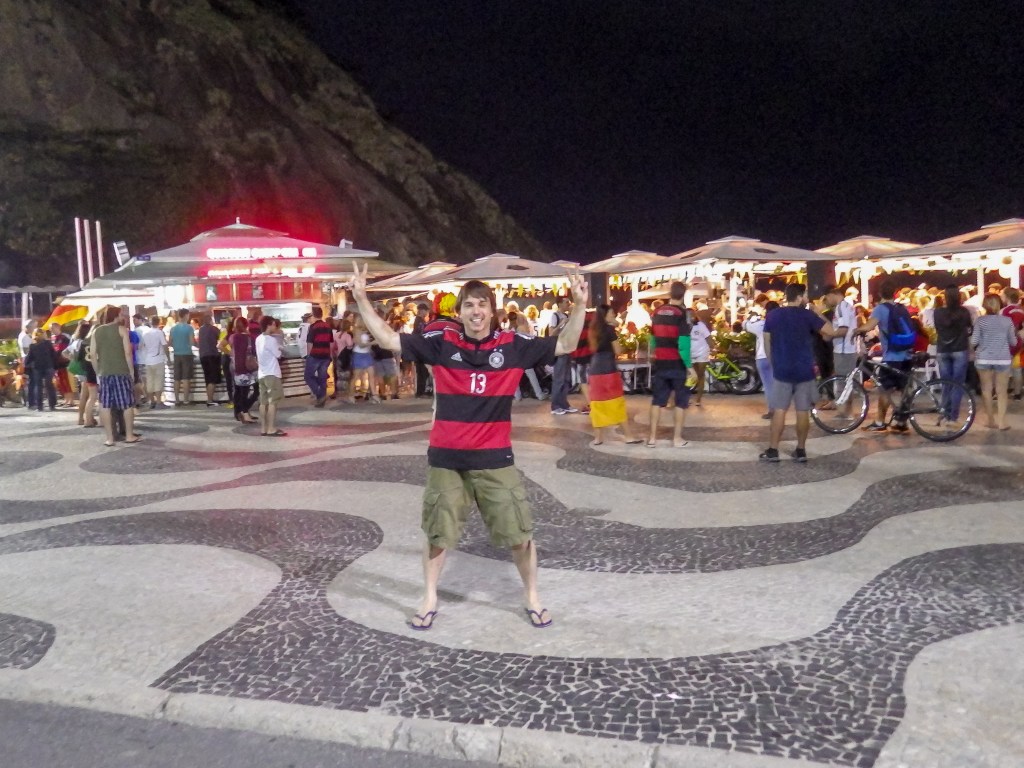
Later came the round of sixteen against Algeria, which I watched at a beach kiosk in Leme, Rio de Janeiro, where the German consul apparently offered free beer for every German goal. Brazil stood behind Germany like never before, except perhaps later in the final against Argentina. Then came the quarter-final against France in Rio. The tickets were still affordable, the party was legendary, and the tournament still felt like something that belonged to people rather than pricing departments.
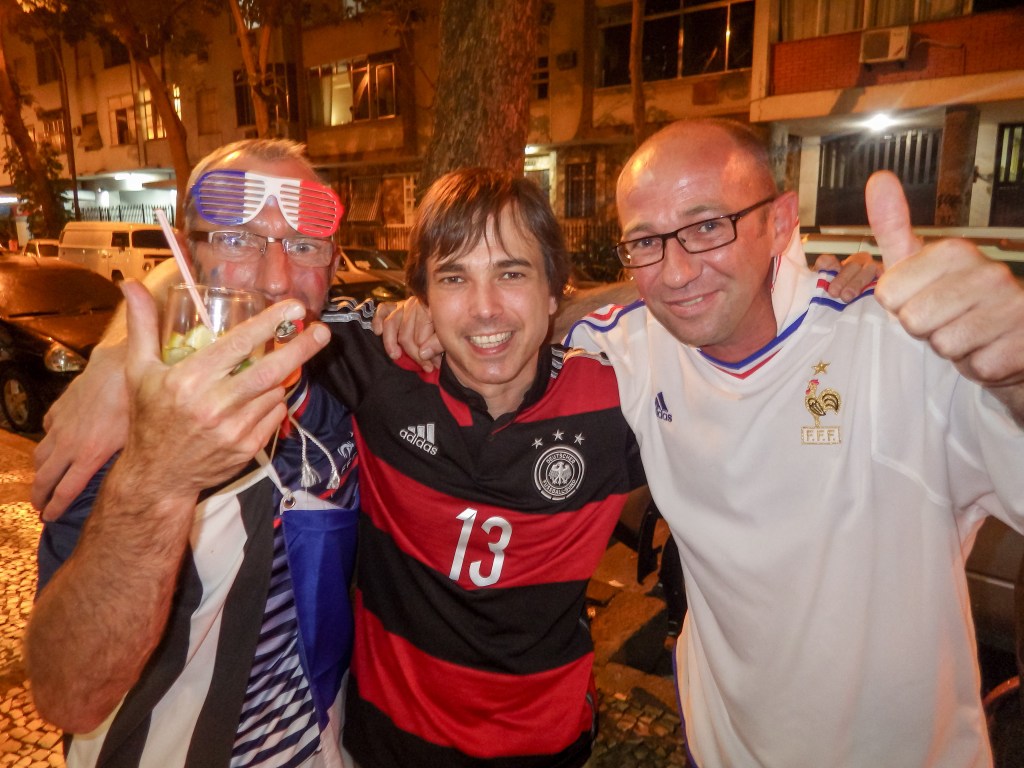
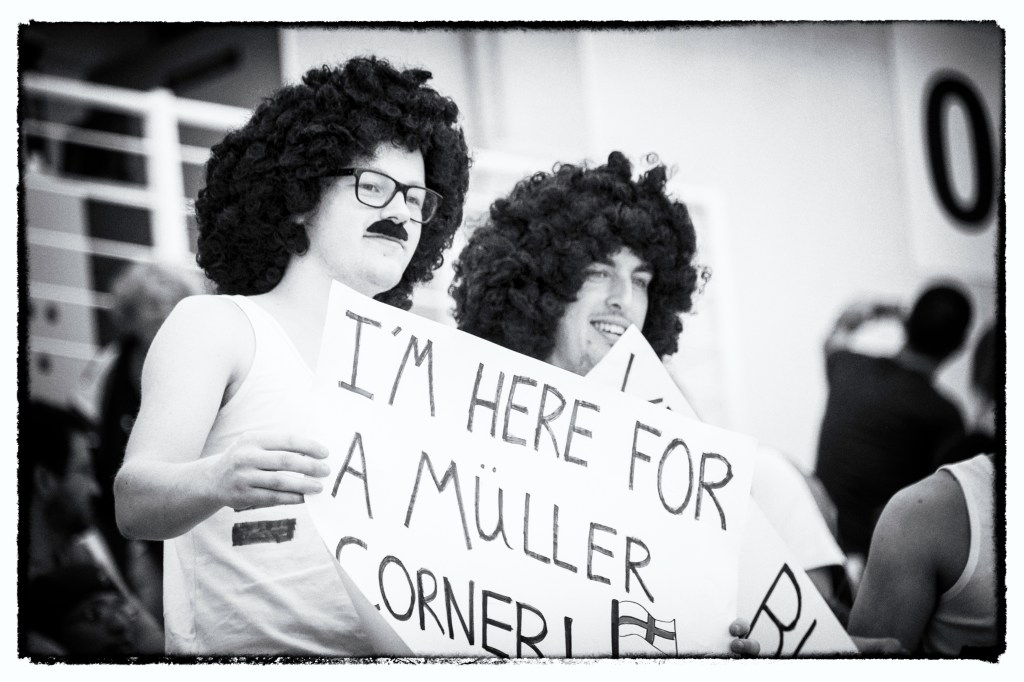
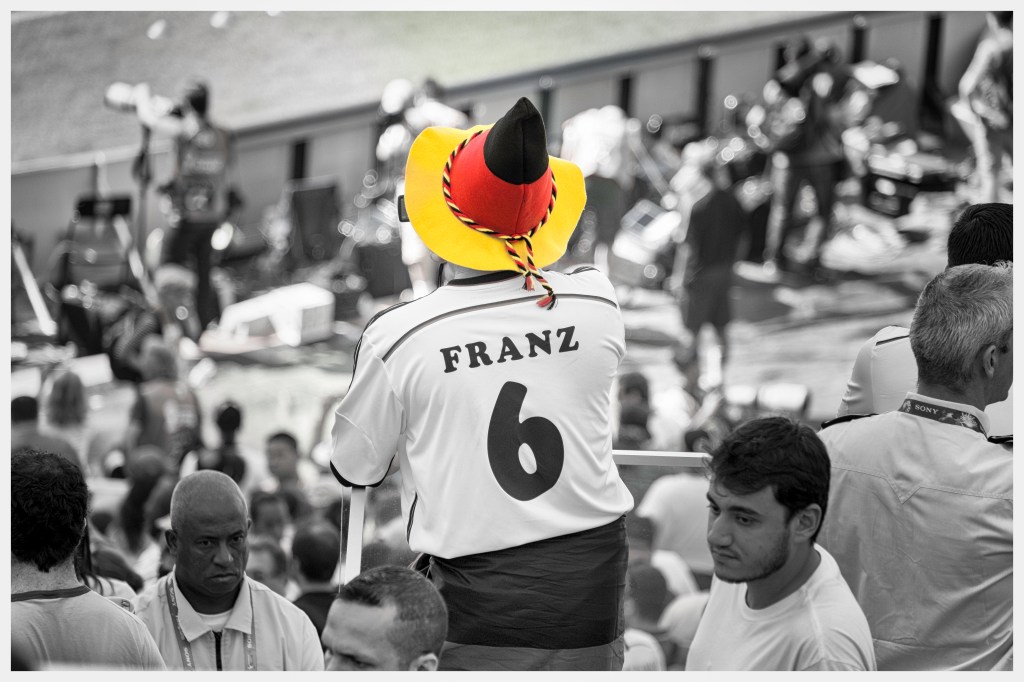
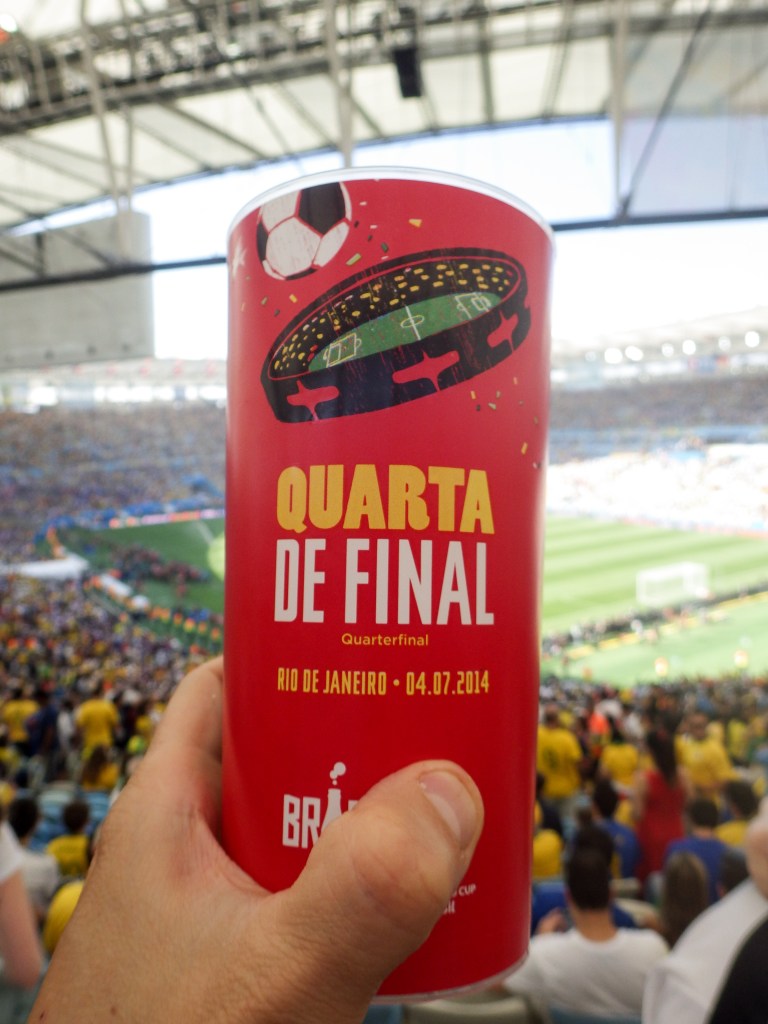
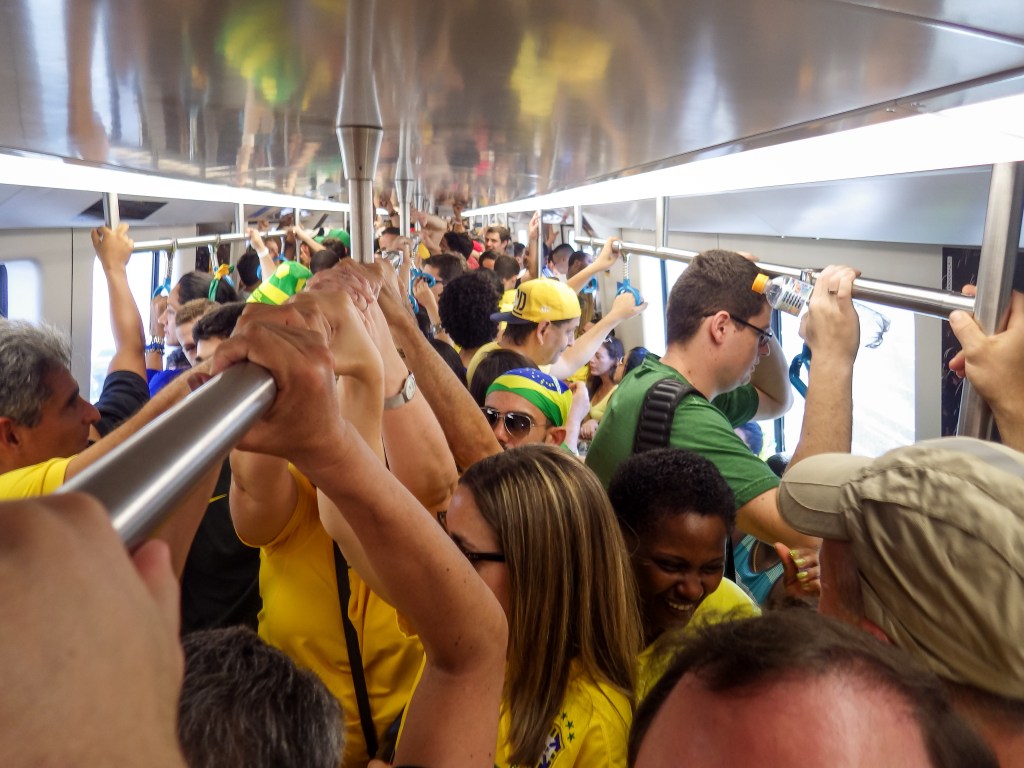
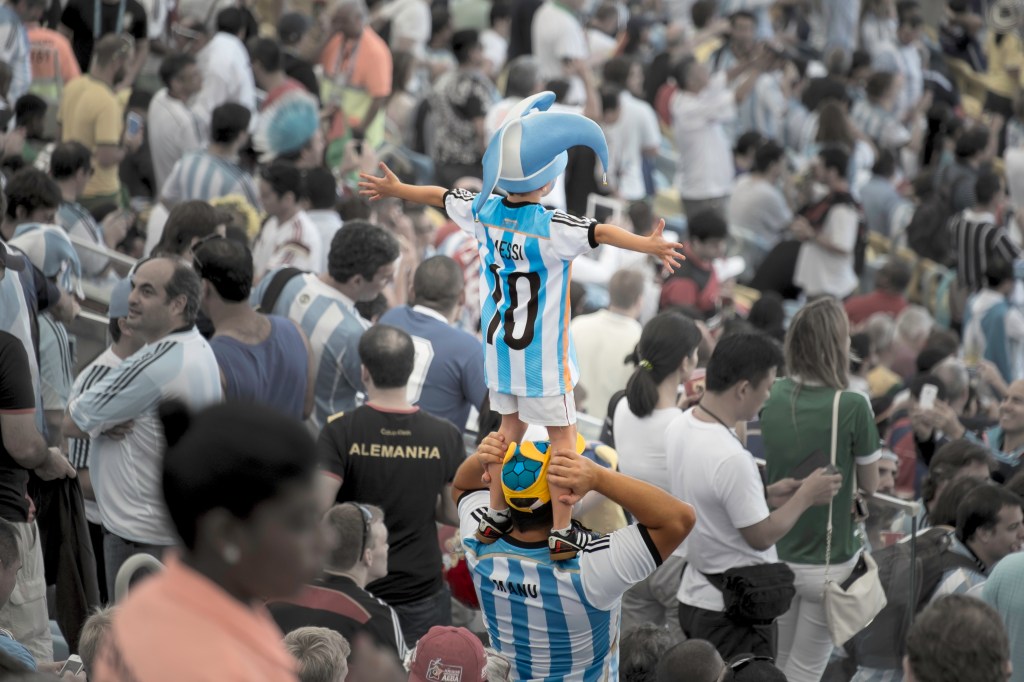
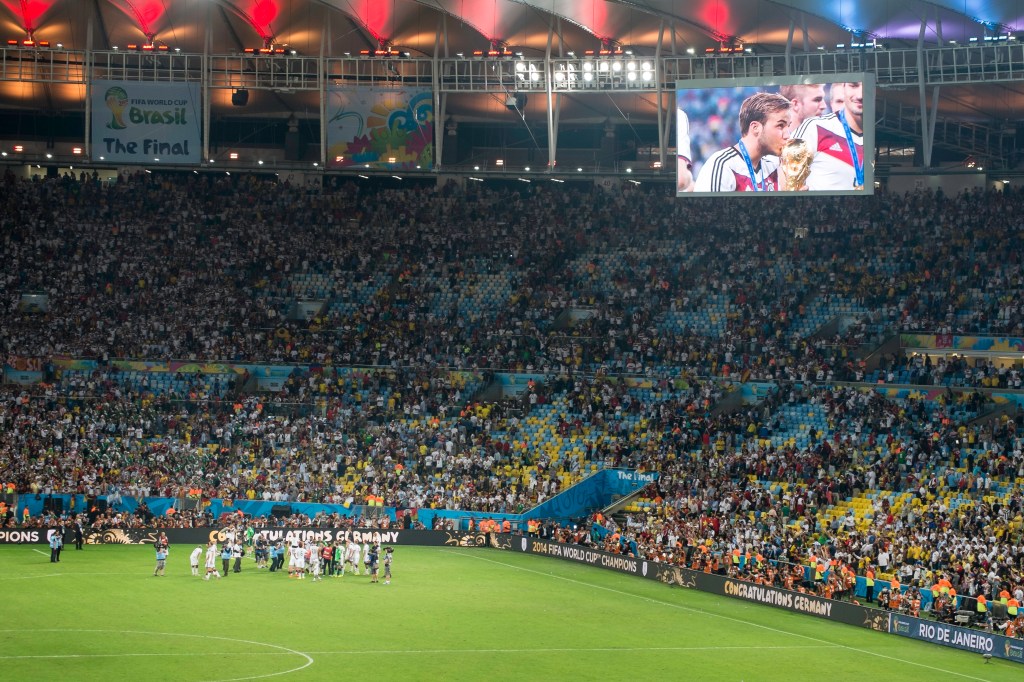
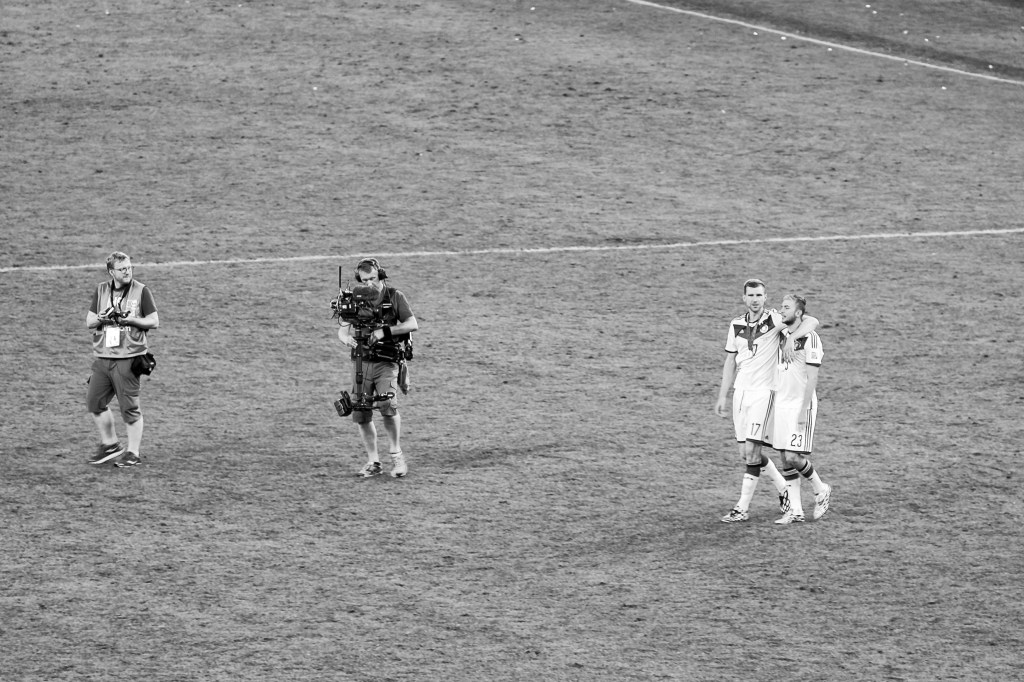
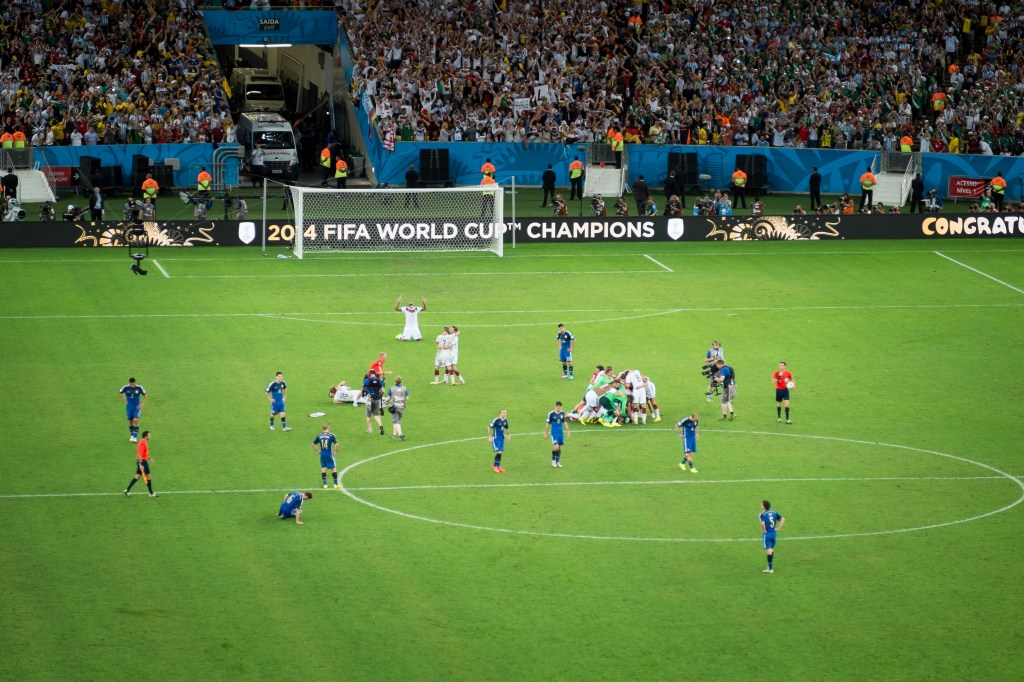
And then the final. Germany against Argentina. Maracanã. Category 3. The official FIFA price printed on the ticket was 440 dollars. Yes, I bought it on the street and paid around 1,500 euros, because it was the World Cup final, because it was Germany, because it was Argentina, because it was the Maracanã, and because sometimes life offers a moment where reason can politely leave the room. I saw my team win the World Cup. Once in a lifetime. Memory forever. Burned into me.
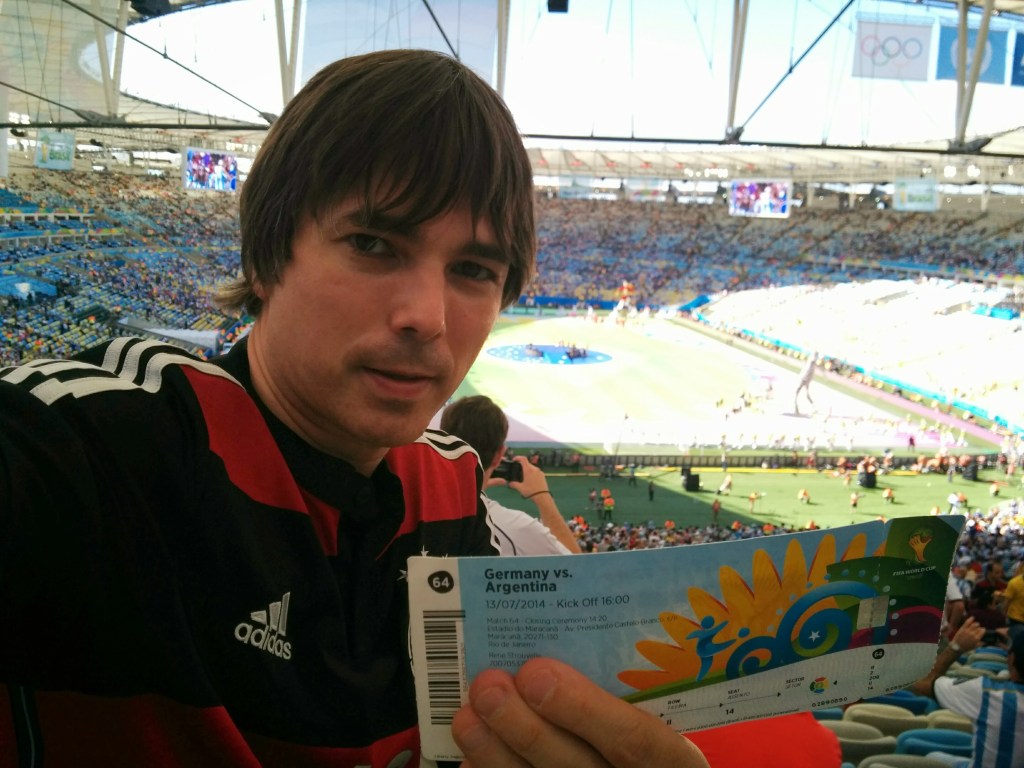
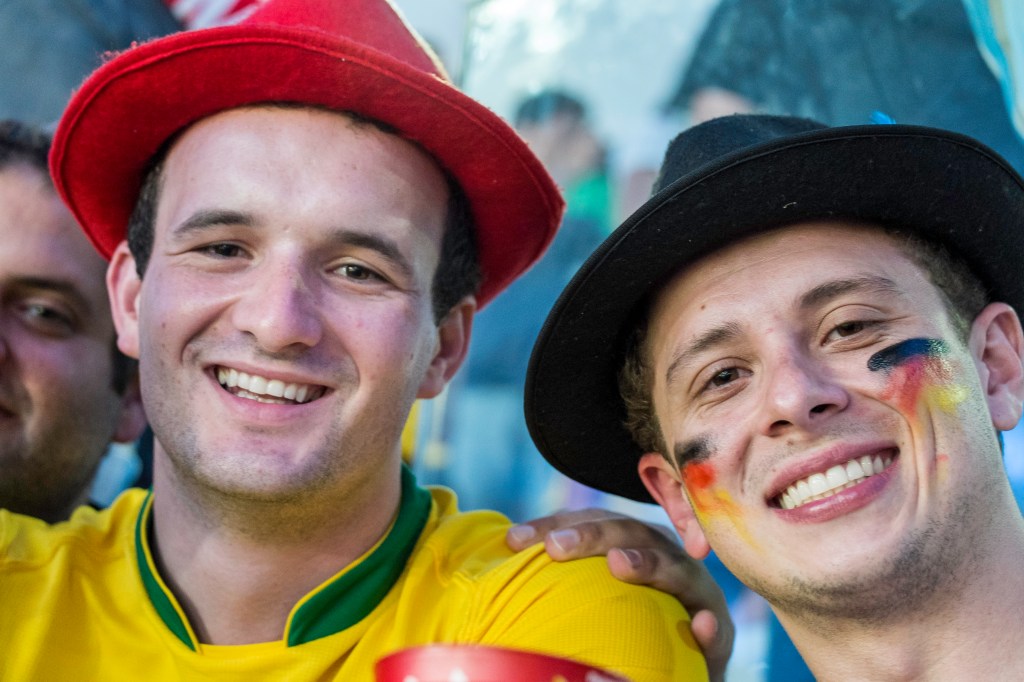
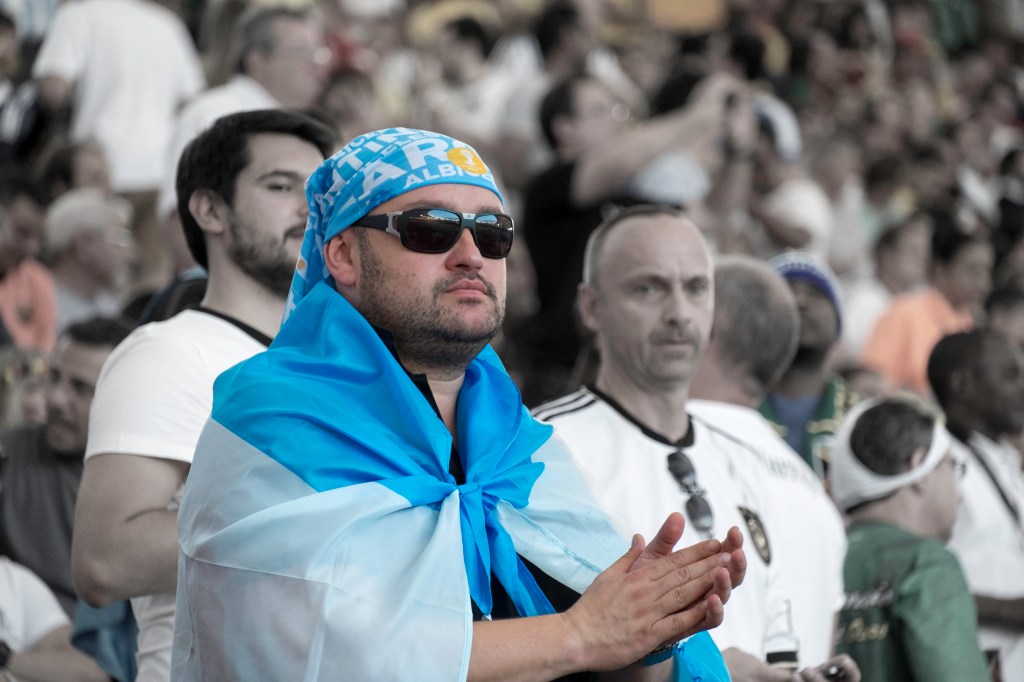
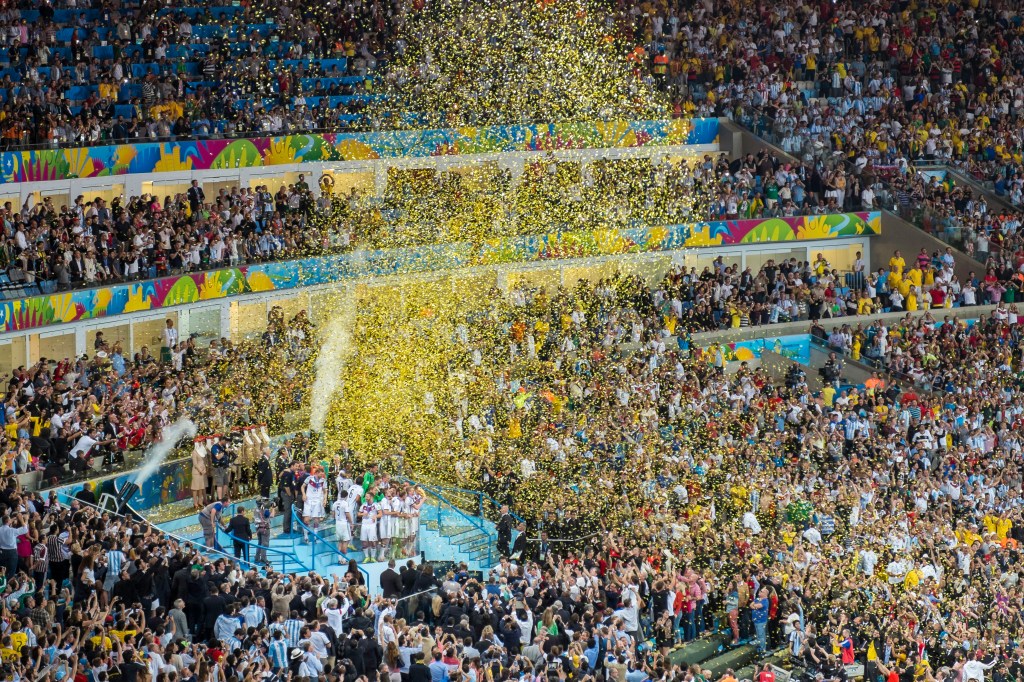
But again: the official price was 440 dollars.
Now back to the 2026 World Cup.
We are not talking about some shady stranger outside a stadium. We are talking about FIFA’s official ticketing and resale environment. And FIFA earns from it. Its own resale terms state a 15 percent fee on the total price on the resale marketplace. Reports have also described FIFA taking cuts from both sides of resale transactions. In plain language: the organisation that presents itself as guardian of the global game is not merely tolerating this market. It is feeding from it.
This is why the old black market comparison matters. In 2006 and 2014, the black market existed, of course. It always does. But it existed outside the official system. You knew what it was. It was risky, informal, sometimes overpriced, sometimes negotiable, sometimes absurd, but at least it had the honesty to look like what it was. FIFA has now taken that logic, cleaned it up, placed it behind an official login, added a fee structure and called it a marketplace. That is not fighting scalpers. That is curing the scalper problem in the mafia sense of the word. Bring it inside. Control the territory. Take the cut.
Look again at Germany against Curaçao. The same group-stage match. Prices swing wildly. Infantino can say, as he has, that an offer does not mean a sale. Fine. But that is not the real question. The real question is why FIFA allows such offers on its official platform in the first place. And once the entire transaction runs through FIFA’s own controlled platform, another uncomfortable question appears. Who really determines these prices? Are we looking at genuine asking prices from ordinary ticket holders, or at a market environment shaped, steered and optimised by the very organisation that profits from every movement inside it? The lack of transparency is already the problem. When an organisation with FIFA’s record asks us simply to trust the purity of its marketplace, scepticism is not paranoia. It is basic hygiene.
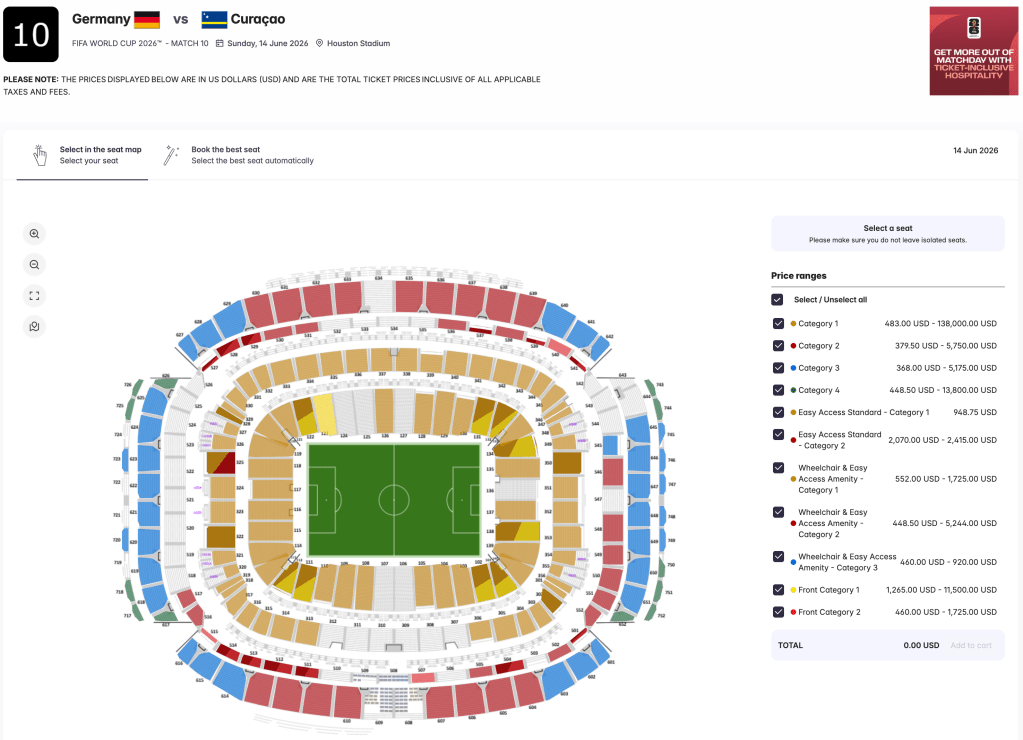
A Category 3 ticket for Germany against Curaçao listed at 138,000 dollars is not a market. It is a public insult. Why does this go through FIFA’s official sales channel? Why is this tolerated under the roof of the organisation that still dares to speak about fair sport, access, inclusion and the global football family?
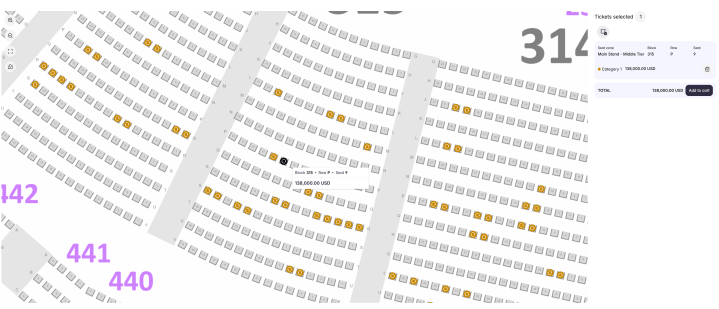
Because it is a mafia, and because FIFA has become the biggest crack dealer in the world.
Yes, exactly like that.
No polite euphemism. No softened little phrase about “commercial excess” or “challenging affordability”. This is not a challenging affordability situation. This is football being cut into lines on a mirror and sold back to addicts by the organisation that claims to protect them. All of it under the cover of fair sport. What a disgrace. What a joke.
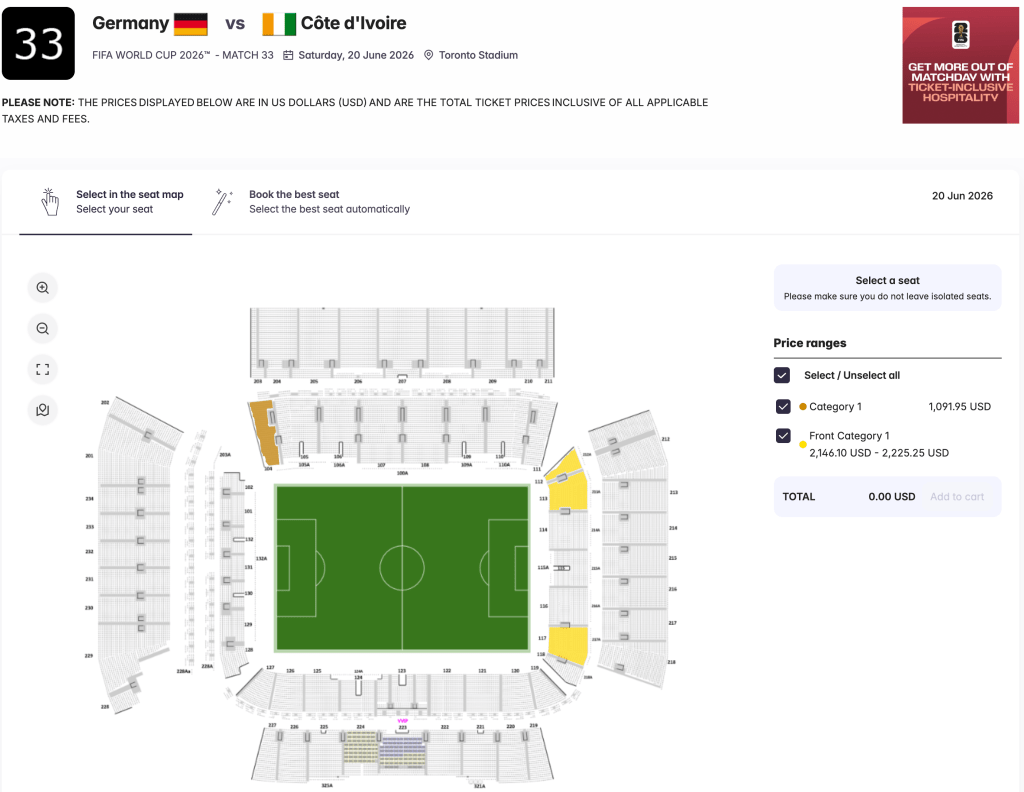
And it does not stop with one grotesque example. Germany against Côte d’Ivoire: the cheapest ticket I found was not below 1,000 dollars. For a group-stage match. For some miserable seat somewhere at the edge of the stadium, the kind of place where you spend half the match trying to identify players by body language and national colours. A complete joke.
Let’s have a look at the semi-finals. The cheapest ticket: above 2,700 dollars. Cheapest. That word alone should be enough to end the discussion. But if you feel ambitious, you can apparently also spend one million. Is FIFA crazy? Or do they simply never get full? Why is this allowed on their platform? Why are there countless offers in the five-figure range, and even above one million from Category 2 upward?
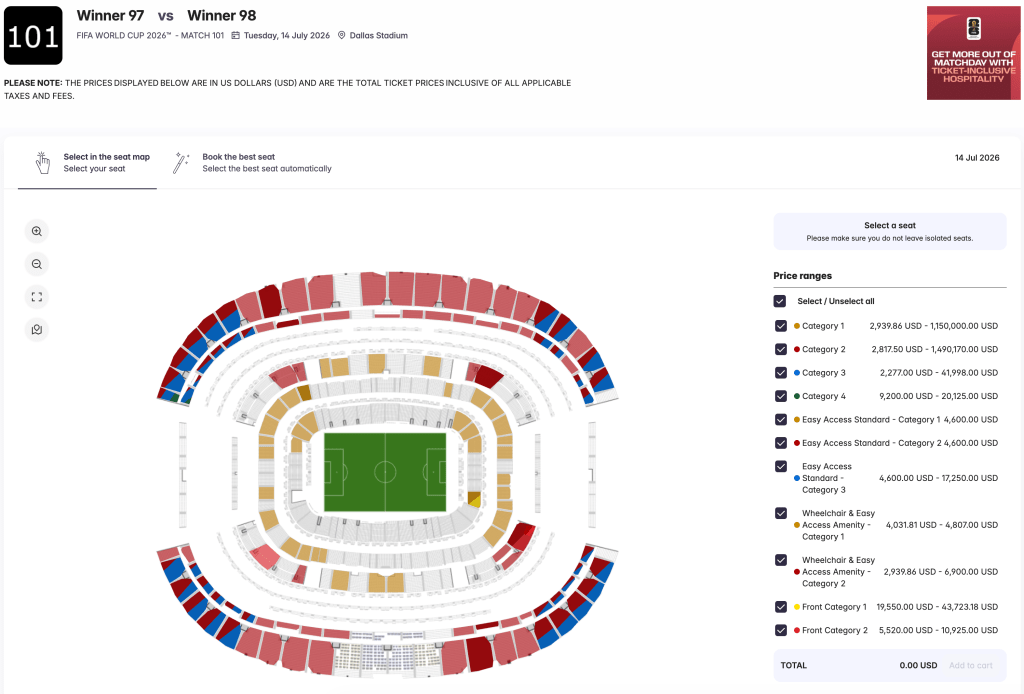
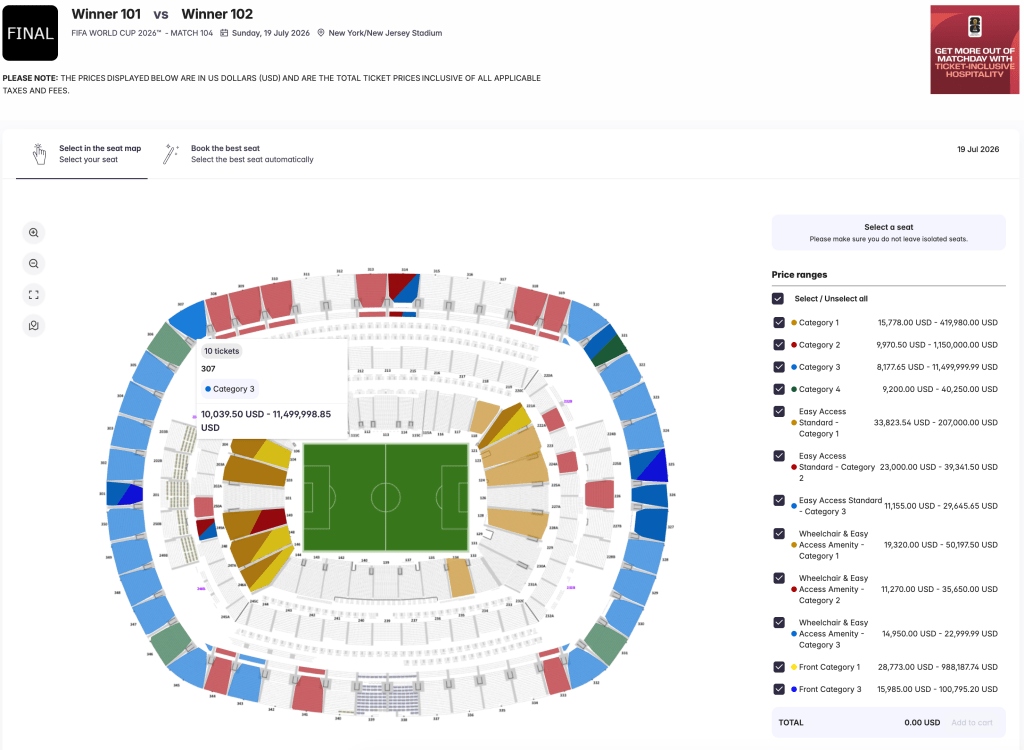
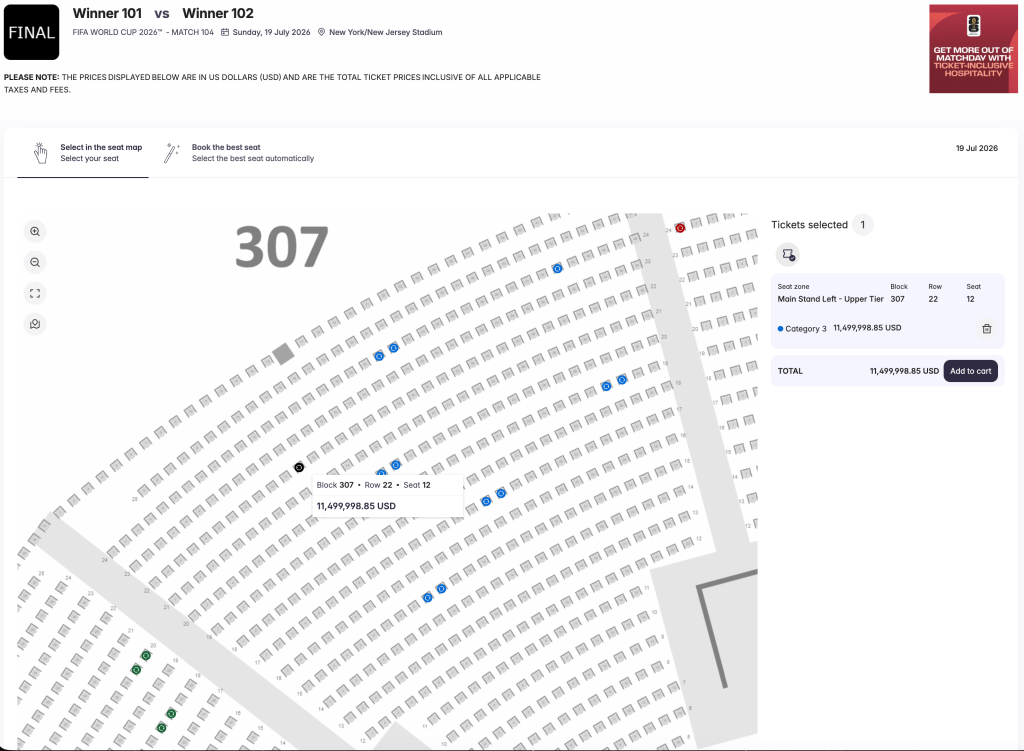
And then the final. The cheapest ticket I found was above 8,000 dollars. Nothing below. And the most beautiful little monument to this entire moral collapse: an 11.5 million dollar ticket in Category 3.
Of course only a complete idiot buys that. But again, that is not the point. The point is that when you look at the full price range across the final, it is no longer possible to pretend this is just one clown listing a fantasy number for attention. The whole environment has moved into a financial region where real football fans are no longer the assumed audience. They are decoration. They are useful in the promotional film. They are less useful in the revenue model.
Another useful way to look at the same problem is the Fan Affordability Index discussed in this video, which compares ticket prices with average income in the countries of the fans. That is exactly the point: these prices are not merely high in abstract dollar terms. They are structurally out of reach for normal supporters in many football nations.
And apparently, this is no longer just a fan complaint or a blogger’s interpretation. The attorneys general of New York and New Jersey have now launched an investigation into FIFA’s World Cup ticketing practices, including soaring prices, variable pricing and allegations that fans were misled about seat locations (also see this video).
And spare me the argument that resale prices may drop shortly before or during the tournament. That helps locals, not international fans. Flights, hotels and rental cars get worse the longer you wait, and entering the United States, especially with visa requirements, is not designed for spontaneous football romance. In some cases, even simplified entry or bond relief depends on already having a valid World Cup ticket and using the FIFA PASS process, which makes the idea of travelling first and finding a ticket later almost absurd. International supporters need planning and certainty. Without that, the teams may still arrive, but too many of their own fans will not.
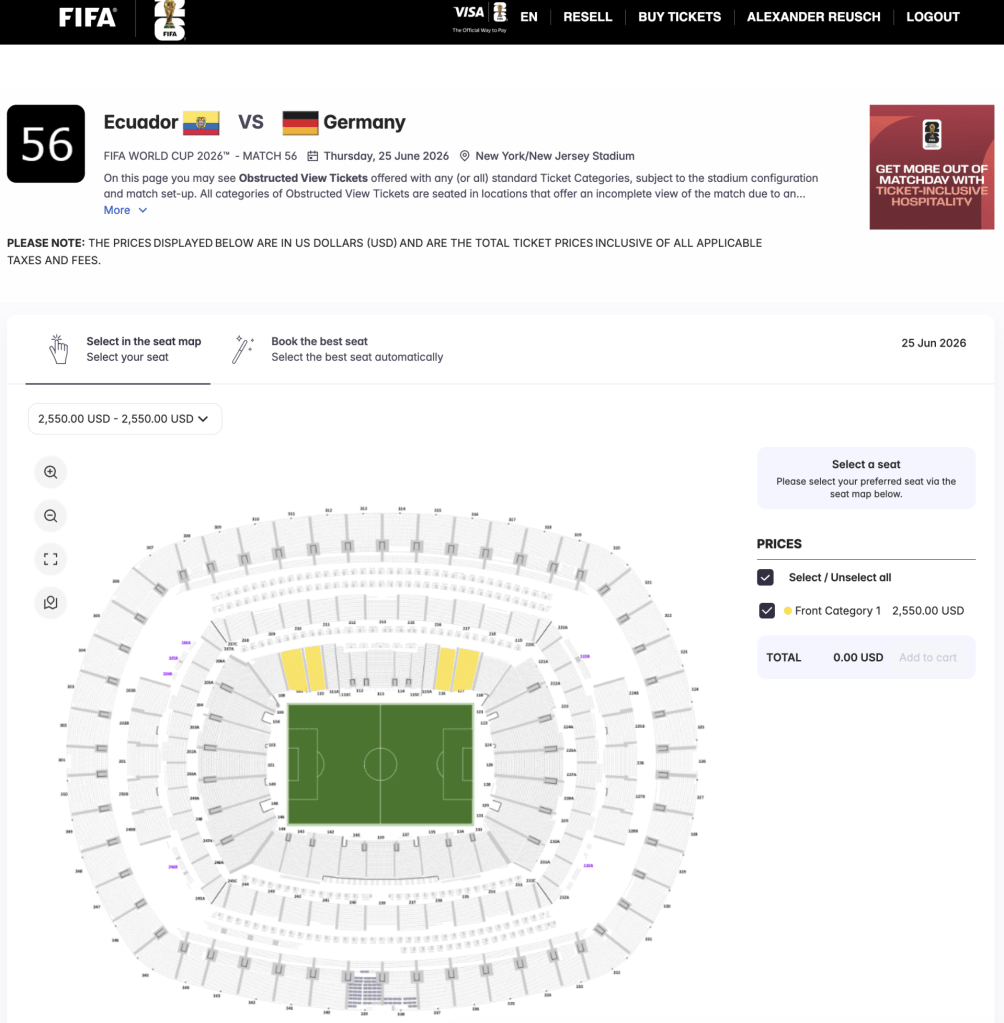
Update, 5 June 2026: And then FIFA kindly removed even the last possible excuse. On its ticketing site, new “Last-Minute Sales” appeared, separate from the Marketplace. In other words, these were not resale tickets from greedy buyers trying to cash in. These were tickets offered directly by FIFA.
So I joined the digital queue and looked at Germany against Ecuador. A group-stage match. In a 48-team tournament where 32 teams advance to the next round, the group stage has already lost much of its old brutality. This is not a semi-final. This is not the final. This is not even a knockout match. It is a first-round game in a bloated format where two-thirds of the field survive.
The price I found: 2,550 dollars.
Yes, Category 1. Wonderful. But still: 2,550 dollars for a group-stage match that, in sporting terms, may mean very little. And this time, no greedy fan can be blamed for the number. No mysterious reseller. No marketplace speculation. Just FIFA itself, standing at the counter, charging like the dealer it has become. What a disgrace.
That does not mean the stadiums will be empty. America can fill seats with locals, tourists, corporate guests and curious event fans. But that is not the same as a stadium filled with supporters who travelled with their team, carried the songs, wore the colours and brought the irrational emotion that makes football alive. The American sports machine is very good at entertaining spectators. Football needs more than spectators. It needs believers. A stadium can be full and still feel empty. Empty of soul.
I have seen what happens when stadiums fill with people who consume football rather than live it. I once went to a Copa del Rey semi-final in Barcelona: Barça against Atlético. On paper, a magnificent fixture. Barcelona, Atlético, Messi, a serious opponent, a great stadium. It should have been electric. Instead, the atmosphere was almost dead. Too many football tourists. Too many people there to see the product rather than support the team. I was a tourist too, of course, but I came as a football fan. That difference matters.
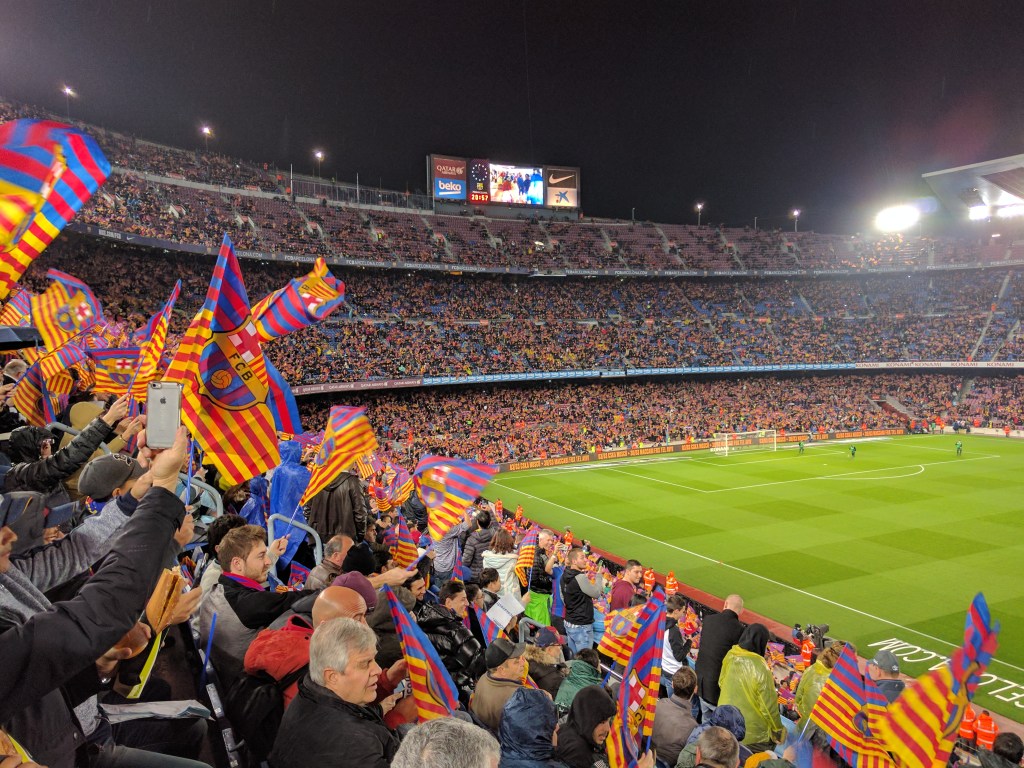
A stadium full of spectators is not the same as a stadium full of supporters. A few store-bought flags won’t do any good either.
That is what the 2026 World Cup is heading toward. The real fans stay outside, calculating what they can no longer afford. The event buddies and corporate clients sit in lounges, invited by large companies with enough budget to turn sport into networking. They may watch the match. Or perhaps they will miss a goal because they are busy choking on a tuna sandwich with champagne.
And around the tournament, the absurdity continues.
Take transportation to MetLife Stadium, where the final will be played. Parking has been wiped out under the logic of security zones, and fans are funnelled toward public transport. Then came the 150-dollar rail ticket. Public transport turned into another premium extraction point. After criticism, the price may be reduced, adjusted, softened, explained, massaged. Fine. But the instinct was already visible. Even getting to the stadium becomes another opportunity to squeeze.
Then there is the host-country problem. A World Cup host is supposed to welcome the world. That is not a decorative sentence. It is the entire moral premise of the tournament. Yet fans from several countries that qualified for the World Cup have faced travel restrictions, visa obstacles, bond requirements and the kind of bureaucratic hostility that makes the phrase “global celebration” sound almost sarcastic. Some of these measures have since been softened for certain ticket holders, because even the machinery of absurdity sometimes notices when it has become too visible. But the damage to the idea remains.
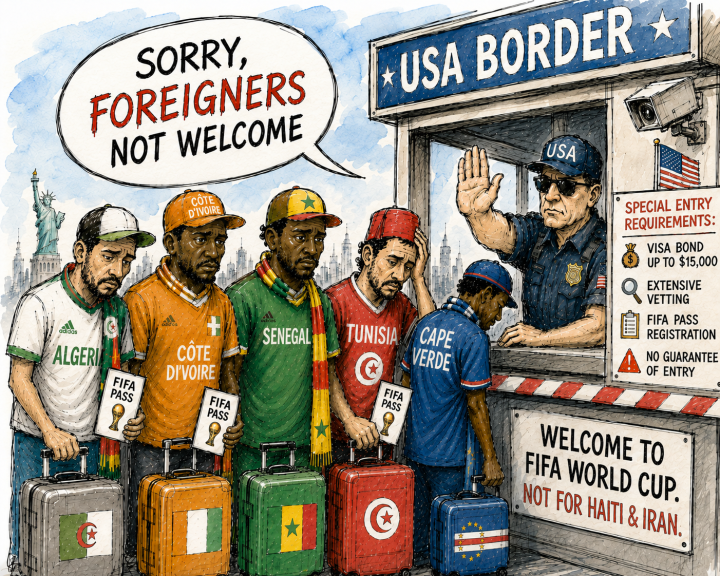
Teams qualify. Fans are told they may not be welcome, unless conditions are met, papers are approved, bonds are waived, exceptions are granted and the host country’s political mood permits it. Unacceptable. Unworthy of a host. And FIFA tolerates it, as long as the money keeps flowing.
And that is why 2006 and 2014 matter so much in this comparison. Not because everything was perfect then. It was not. There was always money, always politics, always corruption, always hypocrisy. But the World Cup still felt like it had not fully abandoned the people who made it meaningful. You could travel there. You could buy tickets. You could stand among fans from everywhere. You could be part of the madness without needing the financial profile of a private equity partner.
And we were not merely in host countries that proved worthy of the tournament. No, we were at home among friends. Germany and Brazil are football-obsessed nations, multiple world champions, places where the game is not some imported event product but part of the national bloodstream. It was a rush. Football in its purest form. I do not want to deny Mexico its own deep love for football. Sadly, its big neighbour overshadows the impression that we are welcome. We, the fans.
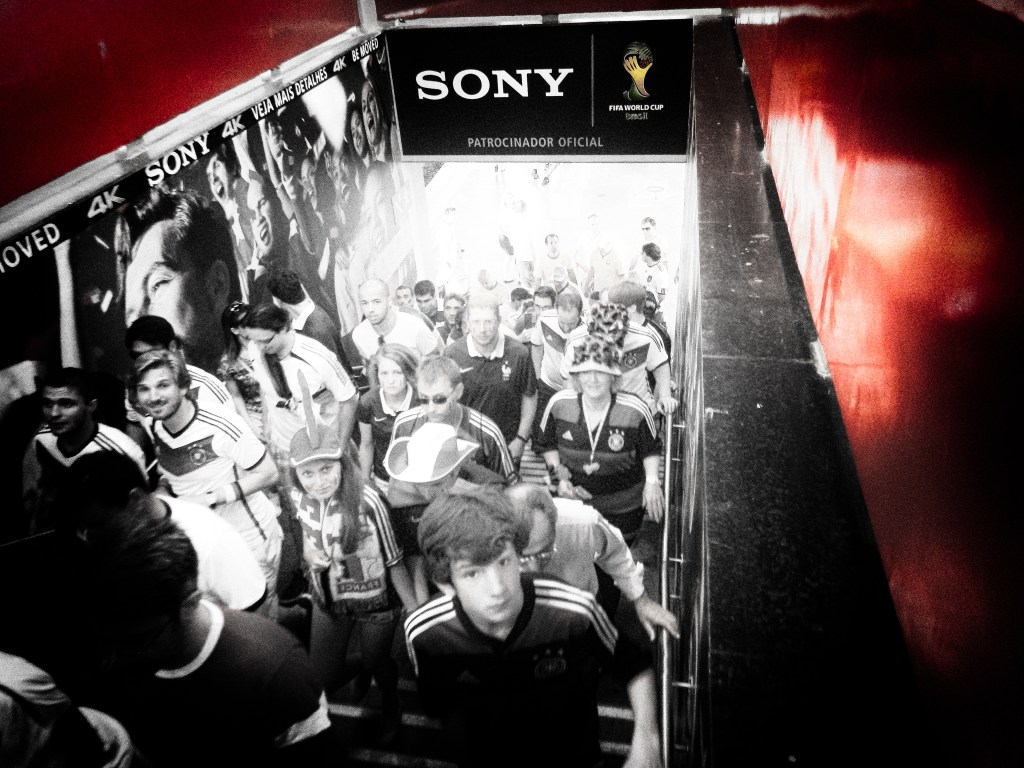
There was still a bridge between the fan and the tournament. In 2026, that bridge is being turned into a toll road.
That is the central truth: FIFA has sold the soul of the sport, and the ticket platform is simply where you can see the invoice. The result is obvious. The real fans stay outside. The lounges fill up. Corporate guests sip champagne, football tourists take selfies, and somewhere someone probably misses a goal because the tuna sandwich arrived.
The World Cup will still look full on television. That is the trick. Full stadiums can still be empty in all the ways that matter.
FIFA did not save football from the black market. It became the black market. FIFA has become the biggest drug dealer in the world.
Just my angry five cents.
//Alex


3 comments