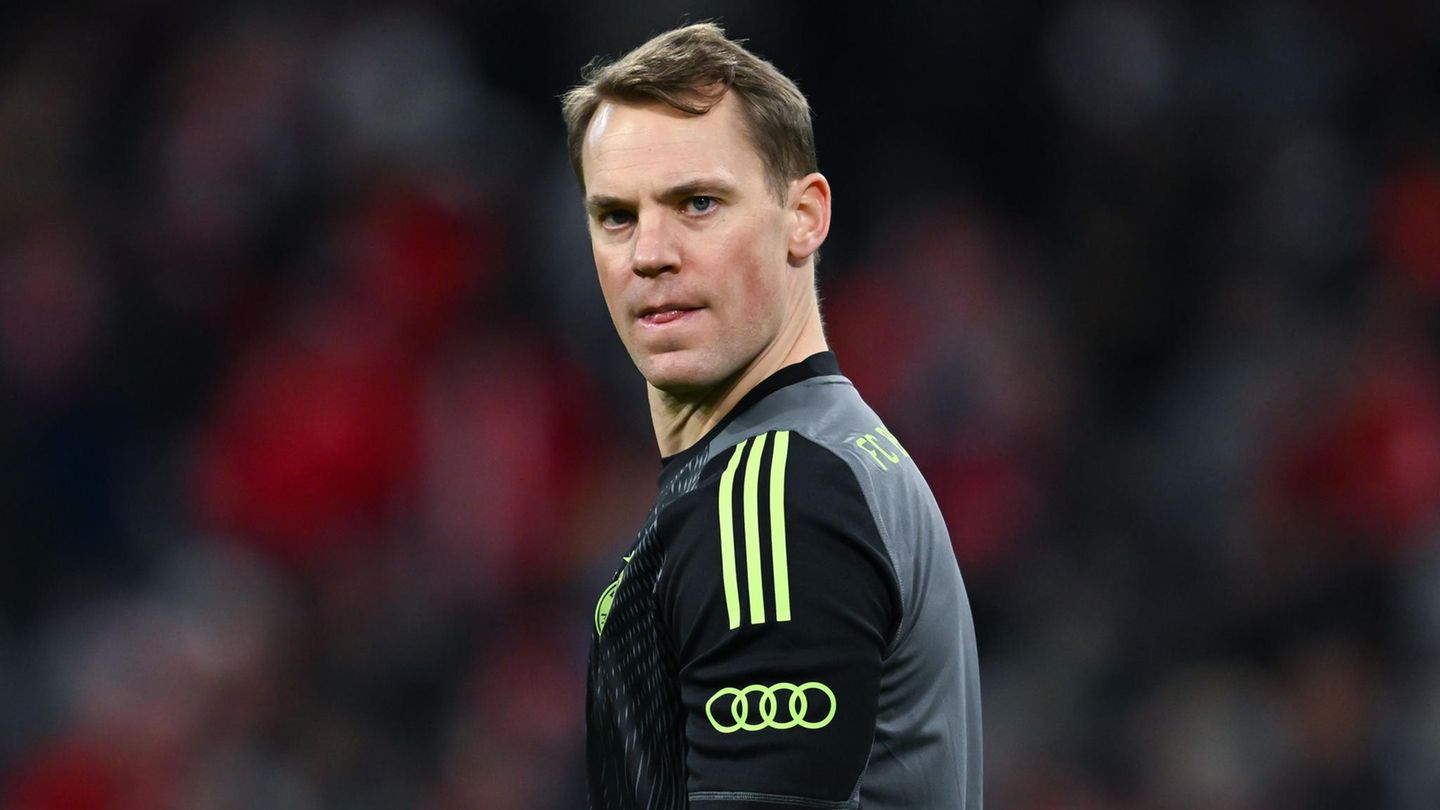
Germany is not really debating Manuel Neuer. Germany is debating the uncomfortable possibility that, two years after his international retirement, he may still be the least imperfect answer.
That is what makes the whole story so awkward. Neuer is not just another experienced goalkeeper hoping for one last tournament. He is one of the few goalkeepers who genuinely changed the position. In 2014, he was not merely Germany’s goalkeeper. He was part of the tactical idea itself: defensive insurance, build-up player, sweeper and psychological weapon. But 2014 is not 2026, and sentiment is a poor scouting report.
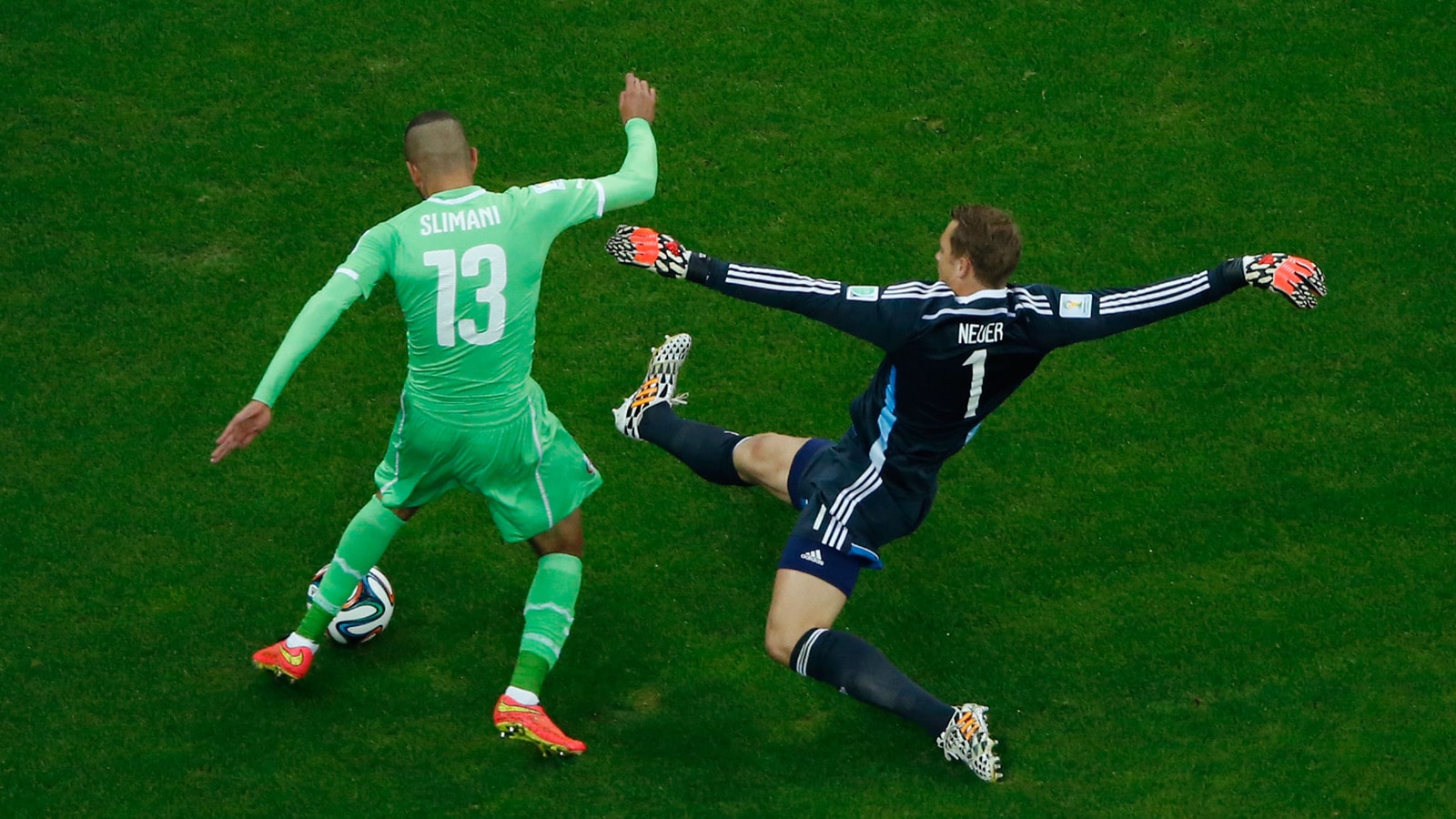
The question is not whether Neuer was once good enough. That debate would be absurd, even by the generous standards of modern football noise. The question is whether he is still good enough now, at forty, after international retirement, after injuries and after a career long enough for even greatness to start negotiating with the body.
Dino Zoff will inevitably be mentioned, and not without reason. He won the World Cup with Italy in 1982 at forty, proving that a goalkeeper’s calendar does not automatically cancel his class. But football has changed since then: faster pressing, higher defensive lines, more build-up responsibility, less time to correct small errors. Zoff proves that age alone is not the argument. Modern football proves that age cannot be ignored either.
The uncomfortable part is that Oliver Baumann does not settle the matter either. Baumann is a very good goalkeeper, but a World Cup-winning team needs more than very good. It needs world-class. That may sound harsh, but the position is too decisive for polite consolation prizes. At some point, usually in a quarter-final or semi-final, the goalkeeper has to do something slightly unreasonable under pressure: the save that should not quite be possible, the decision made half a second earlier, the presence that changes the confidence of defenders and strikers alike. Germany had that in Neuer. I am not convinced Germany has it in Baumann.
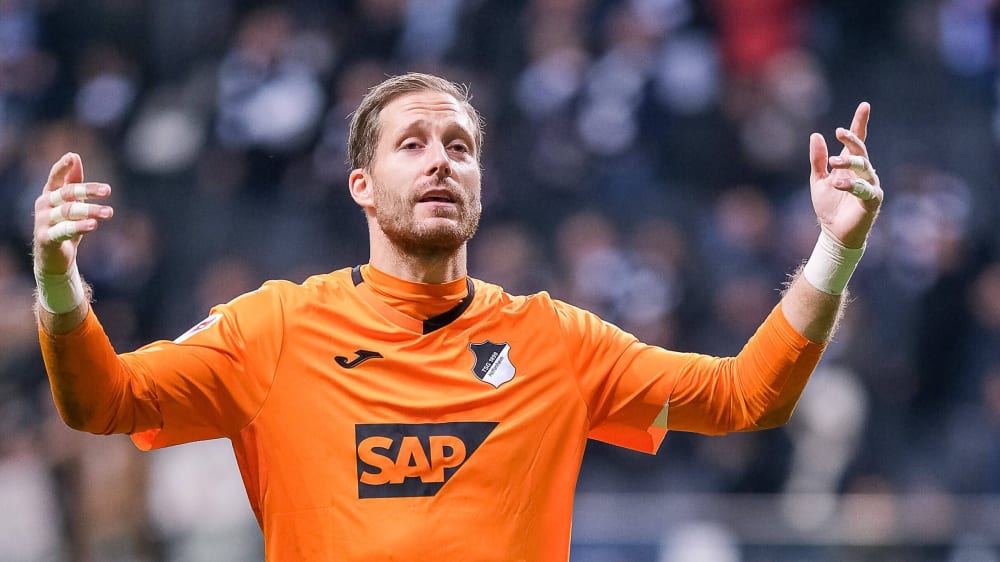
This is probably the thought keeping Julian Nagelsmann awake, because both choices are an admission. Sticking with Baumann admits that Germany may enter a World Cup with competence rather than world class. Bringing back Neuer admits that, after Marc-André ter Stegen’s injury disrupted the natural succession, Germany has not found a convincing heir in time. One option protects the process. The other chases the ceiling. Neither is clean, which is why the debate feels less like a selection question and more like a diagnosis.
And the Neuer calculation is not ridiculous. He is not collecting one last sentimental cheque in a decorative minor league. He still plays for Bayern Munich. He still competes in the Champions League. He is still tested in matches where mistakes are not politely hidden behind farewell applause. In recent months, he has again shown why the debate exists at all. The reflexes, the aura, the command of space and the sheer presence have not simply disappeared.
But neither have the warning signs. Late-career greatness rarely collapses in one dramatic scene. It frays. The peak moments remain, sometimes brilliantly. Then come the smaller lapses: a loose touch, a delayed decision, a strange rush of blood, a moment of concentration that the younger Neuer would never have allowed. Over a league season, such things can be absorbed. In a World Cup knockout match, they become a national trauma with slow-motion replays.
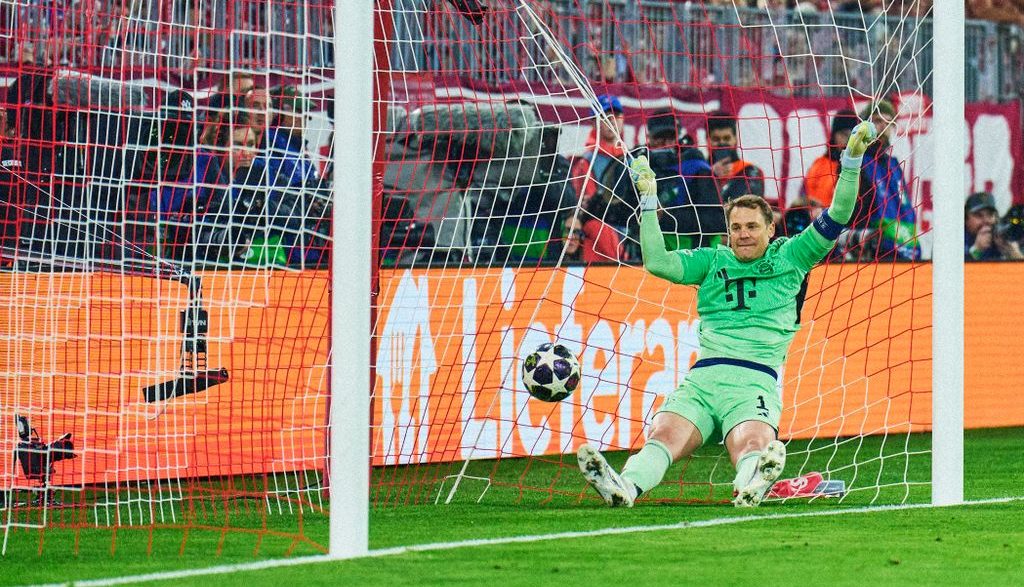
That is the real danger. Germany may select the memory of absolute reliability and receive a more fragile version of it. Neuer might still produce two magnificent saves in a quarter-final. He might also misjudge one decisive situation in the eighty-sixth minute. That is not disrespect. That is age. And age has always been impressively unimpressed by reputation.
The timing makes the story even more delicate. Changing the hierarchy shortly before a tournament is not just a sporting decision. It is a psychological one. Baumann would not simply become number two. He would become the number one who was told, late in the process, that the shirt had only been on loan. If Neuer then gets injured during the tournament, Germany would turn back to a goalkeeper whose confidence had just been publicly discounted. That is not exactly the emotional architecture one would design for a title campaign.
And Neuer’s body is no longer a minor footnote. At forty, every calf problem becomes a press conference. Germany would not only be selecting a goalkeeper. It would be selecting a dependency on physical stability that can no longer be taken for granted.
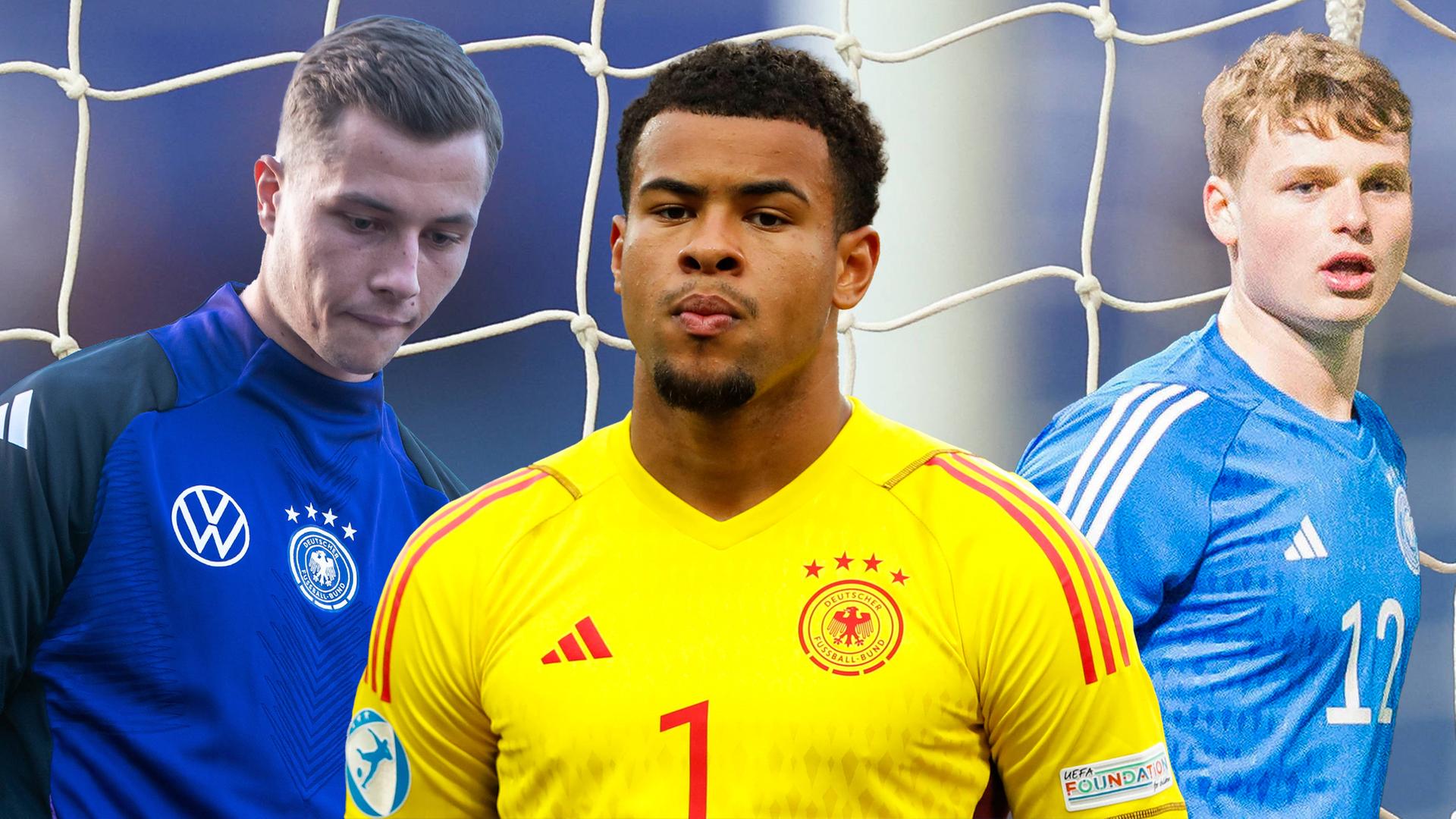
There is also a third path, and perhaps it is the one Germany should have taken earlier: trust a younger goalkeeper with a real future and accept the risk of renewal. German football has often looked most alive when it was forced to move forward: Lahm, Schweinsteiger and Podolski in 2006, the post-Ballack acceleration in 2010. Renewal rarely feels tidy before it works. But that kind of courage is useful before the crisis, not once the crisis has already written the team sheet.
My own feeling is uncomfortable but clear. Germany probably does not win the World Cup with Oliver Baumann as number one. He is good, but not the kind of goalkeeper who bends a tournament. Neuer, even at forty, still might be. That is why this decision is tempting. It is also why it is dangerous. Choosing Neuer means choosing the possibility of one last masterpiece. It also means accepting the possibility that the decisive moment does not reveal the legend, but the calendar.
So the question is not simply whether Manuel Neuer is still the answer. It is whether he is the answer because he remains Germany’s best goalkeeper, or because German football failed to produce a better one in time. And behind that sits the even more uncomfortable question: if the alternatives were never convincing enough, why did Germany not trust youth when there was still time?
As always, just my five cents.
//Alex


1 comment