It has taken me three years to write this.
Not because I had too little to say, but because some losses do not yield to words on demand. They take their time. They settle deeper before they rise again. Grief is not always loud. Sometimes it works quietly, somewhere far below the surface, until one day writing no longer feels like an intrusion, but like something that is owed. And perhaps that is what this is now: a remembrance shaped by gratitude.
My father was not a man of many words. He was reserved, self-contained, and used to carrying things within himself. He was not someone who turned his feelings into a public event, nor someone who explained himself endlessly. Much of what mattered to him, he worked through quietly, on his own. That was simply part of who he was. It was also part of the world that had formed him, a world in which life could be hard and not everything would be spoken aloud.
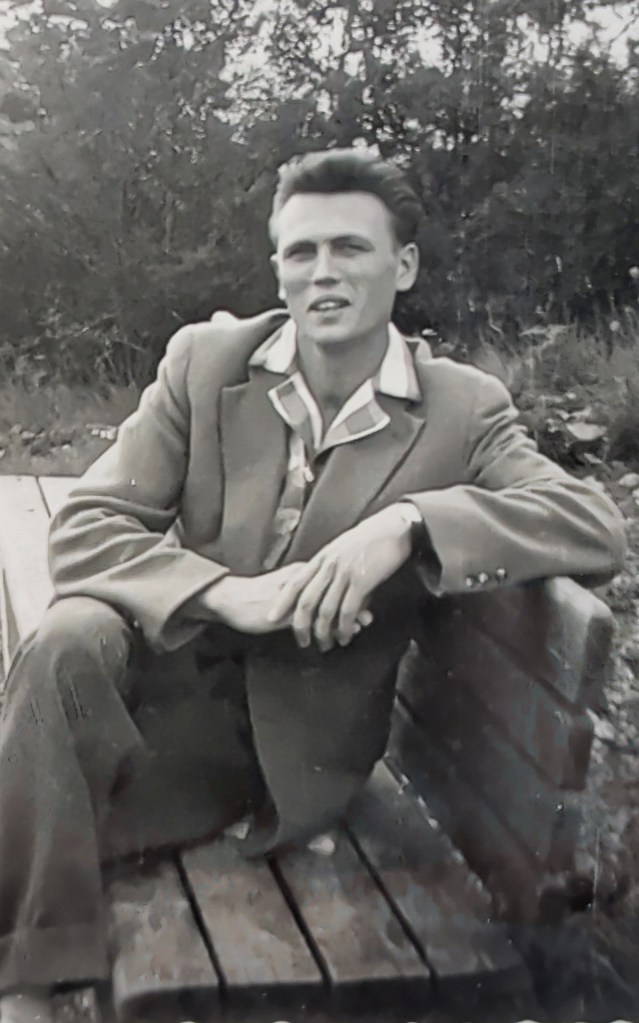
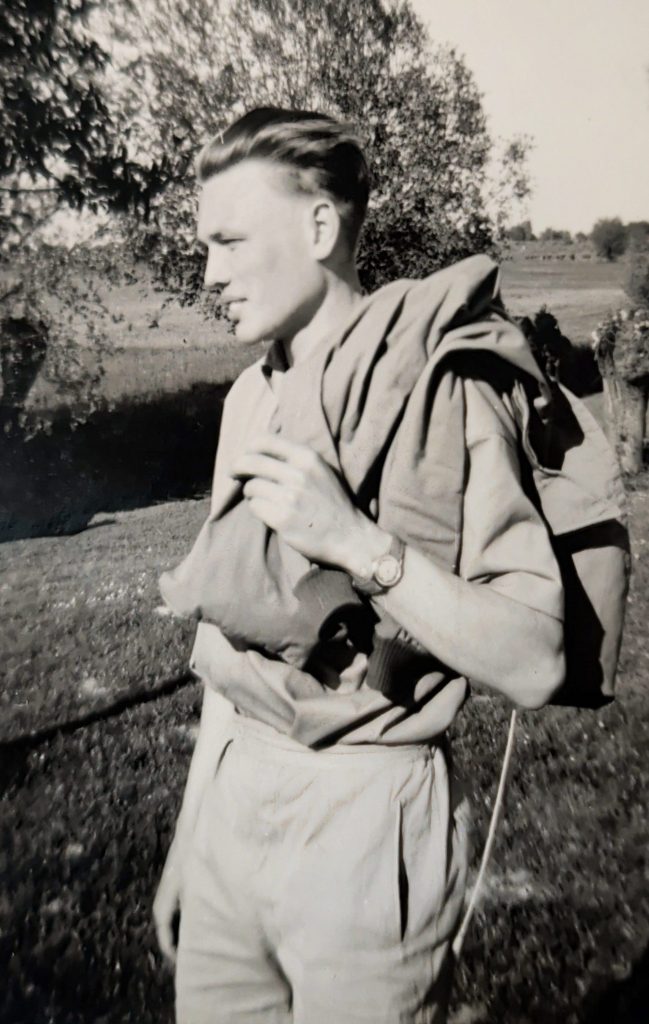
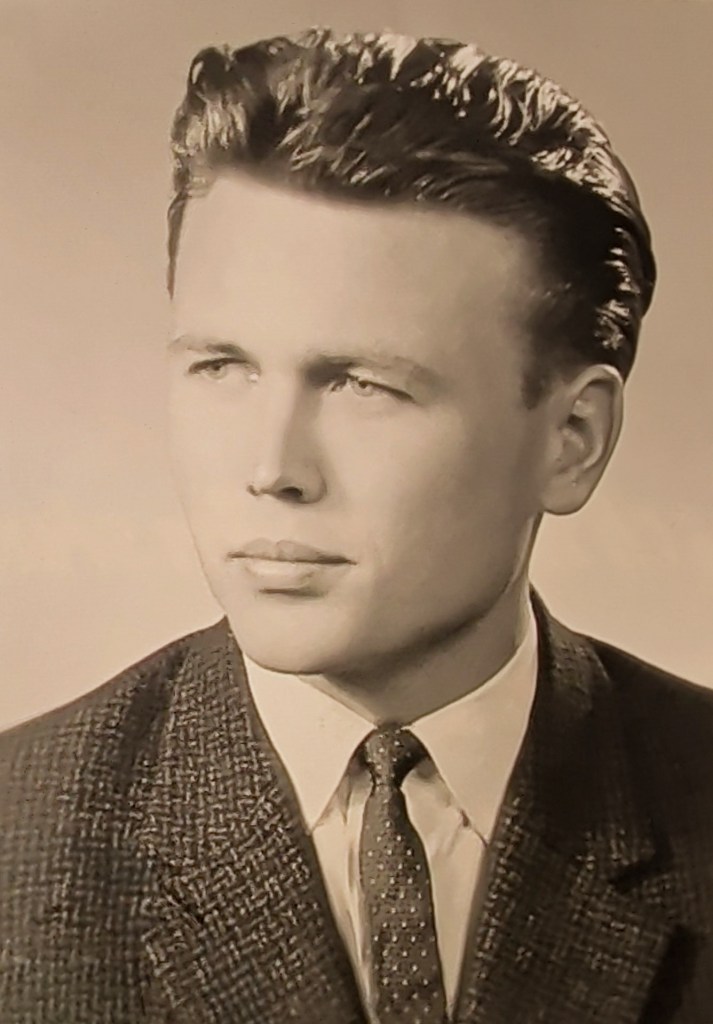
He belonged to a generation whose early childhood fell under the shadow of war and the years that followed. He was far too young to have been part of it in any active sense, but not too young to be shaped by a world marked by hardship, restraint, and quiet severity. Many things were lived through, some were buried, and much remained unspoken. One can regret that silence, and in some ways I do. There are conversations I wish I had had with him, and questions I wish I had asked earlier and more often. But that silence was also part of his dignity. He never made a spectacle of himself. He did not need to.
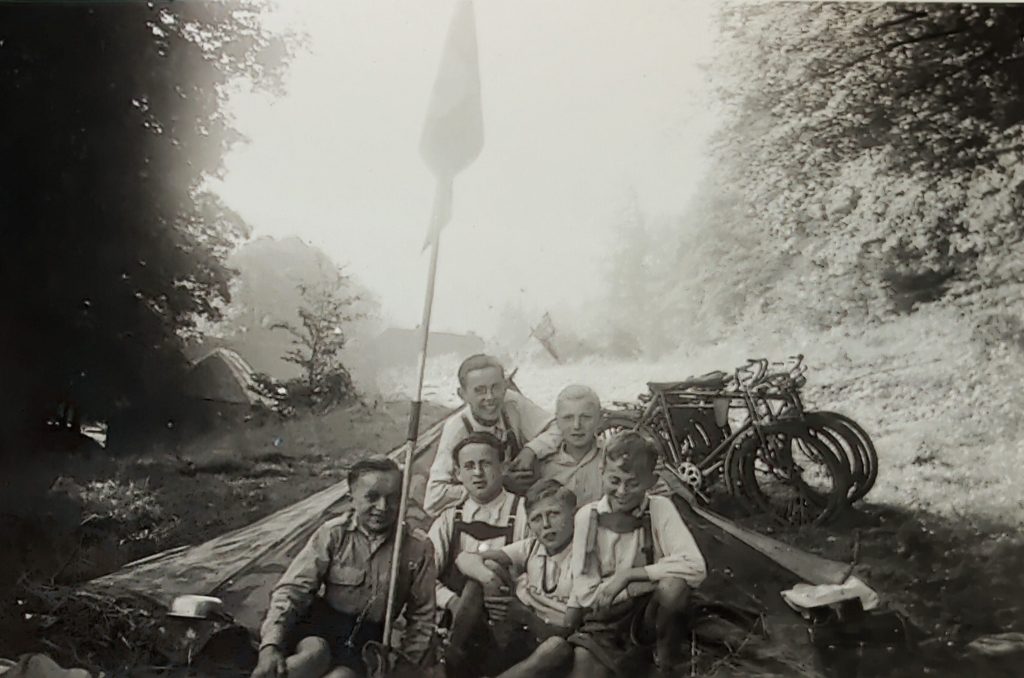
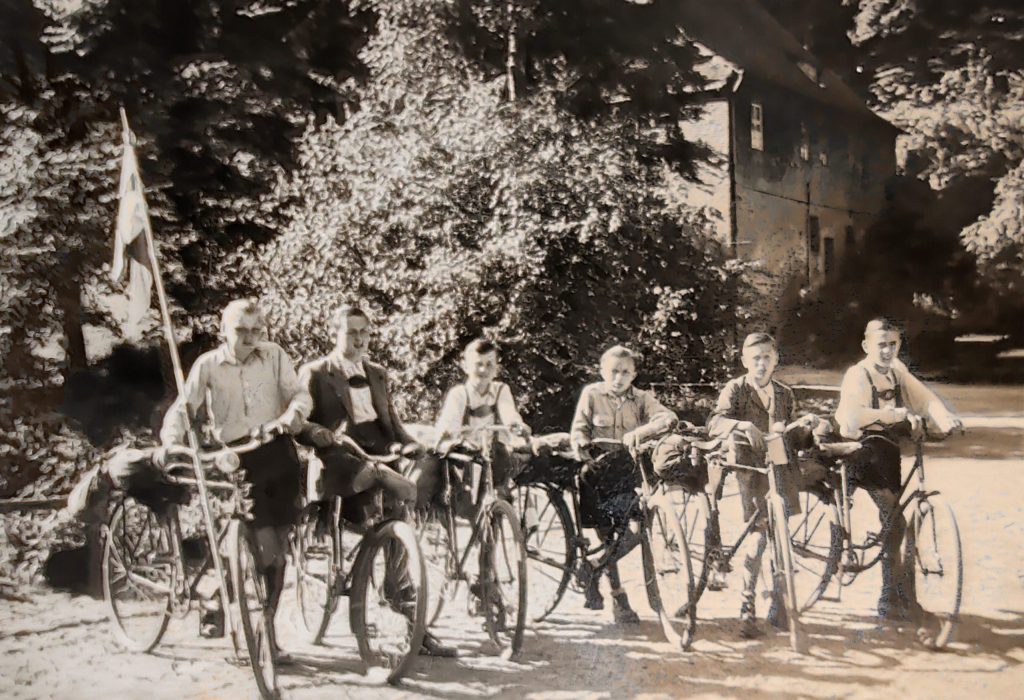
He was a very intelligent man, especially gifted in mathematics, and as an engineer he had found the right place for that kind of mind. He was highly respected in his profession, not through noise or self-promotion, but through knowledge, experience, sound judgement, and the quiet authority that comes from truly knowing what one is doing. I had the unusual privilege of seeing that from close by, because during part of my vocational training, and for some time afterwards, we worked in the same company. At that age, one does not yet fully grasp such things. Youth has a convenient blindness to what stands plainly before it. Only later do you realise how much your father was respected, how highly he was regarded, and how much weight a quiet man can carry when it is built on substance rather than display.
And yet that was not the whole of him. I discovered drawings and paintings he had made as a young man and was struck by the talent they revealed. He also had a musical side. In his younger years he played the accordion, and later the harmonica, often quietly, in his own free way. There was, beneath all the precision and technical discipline, something observant, sensitive, and artistic in him too. I know this not least because, in the first years of school, drawing assignments regularly exposed how little of that gift had found its way into me. I was hopeless at them, and more than once I turned to my father for rescue. In my childish understanding, he saved my life every time. I would always ask him to make his help discreet, so that no one would notice. Needless to say, what he produced stood miles above anything I could possibly have done myself, and it was obvious at first glance that the artist behind it was not me. At best, I could claim the colouring in.
But this is not really about the roles he filled or the talents he had. It is about him as a man, and as my father.
He was a straight-line person, with no taste for zigzag courses or needless complication. He knew what he wanted and what he did not want. There was something deeply reassuring in that clarity. He was never one of those people who needed to push themselves into the foreground. Beside my mother, he seemed most at ease. Together they were a strong team, not in a dramatic or theatrical sense, but in the much rarer and more valuable one. They were solid. They were dependable. They were simply there.
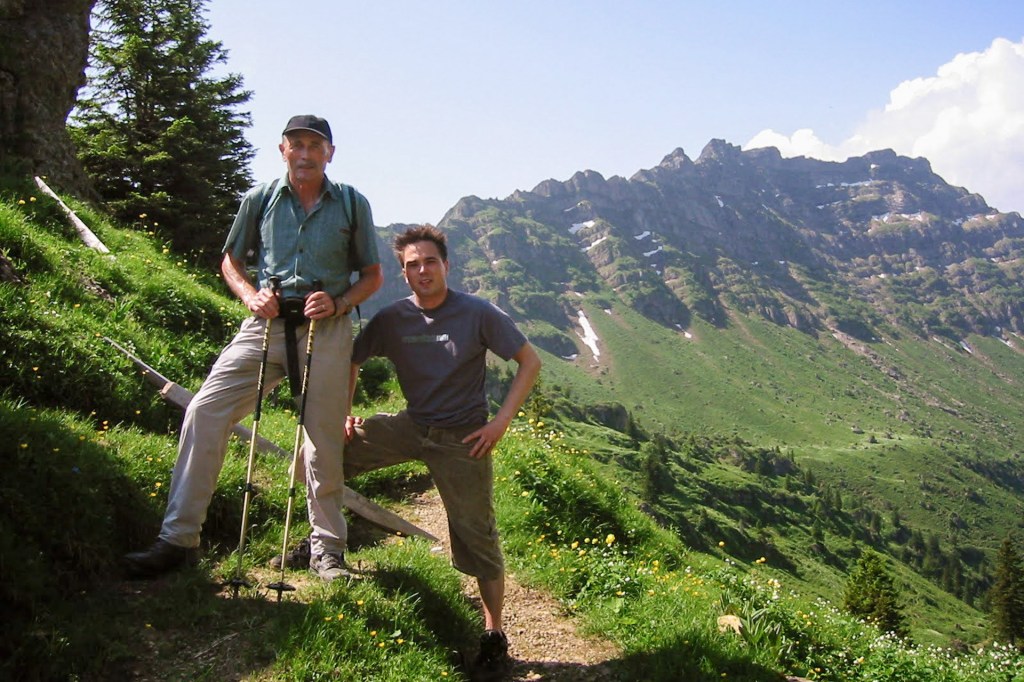
Above all, my father loved nature, not in the decorative sense in which people now like to claim such things, but properly, deeply, almost instinctively. He loved the mountains, hiking, climbing, cross-country skiing, jogging, and landscapes of all kinds. Nature was not a backdrop for him. It was not a lifestyle accessory. It was something far more natural than that. It was where he belonged.
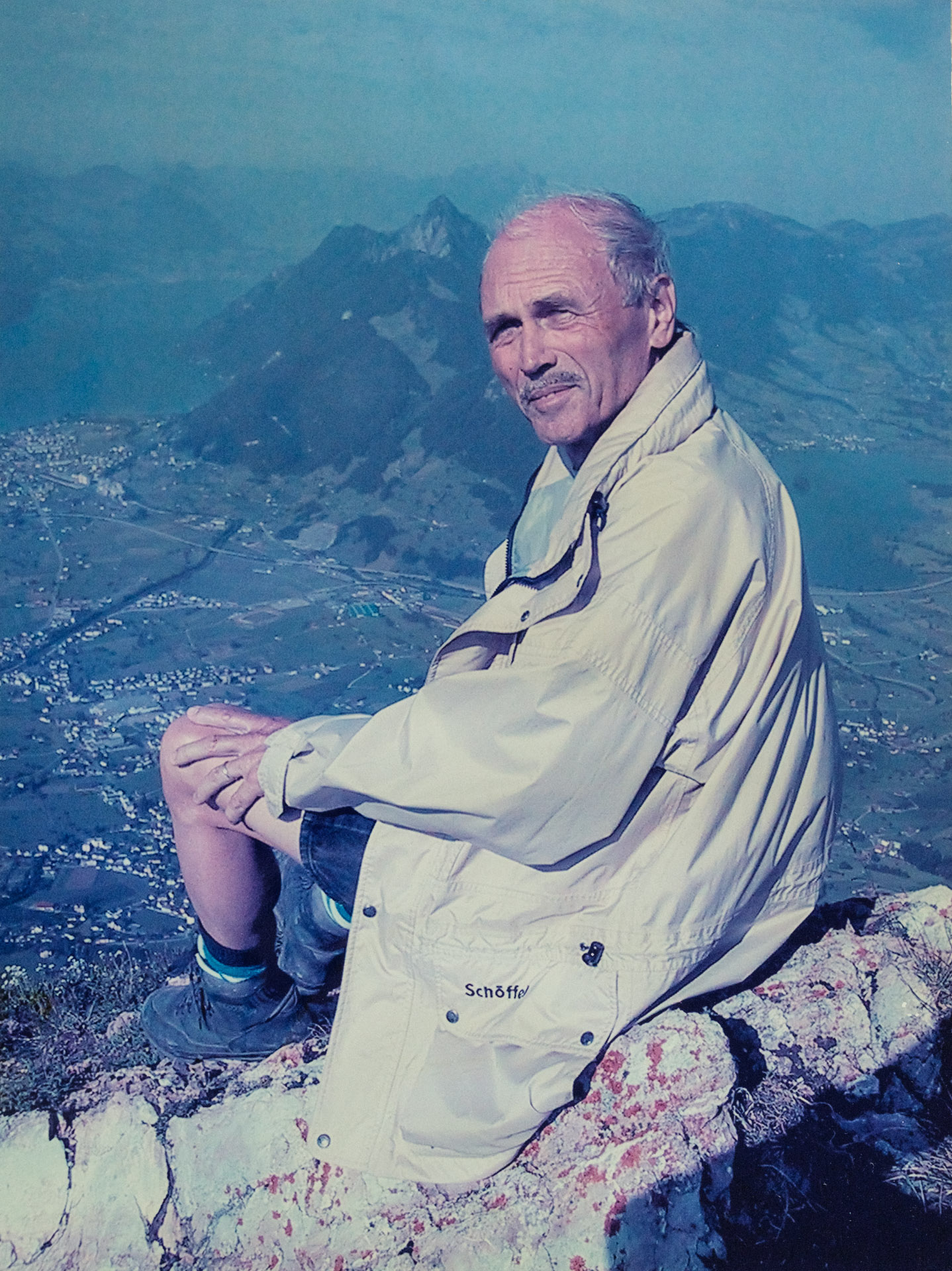
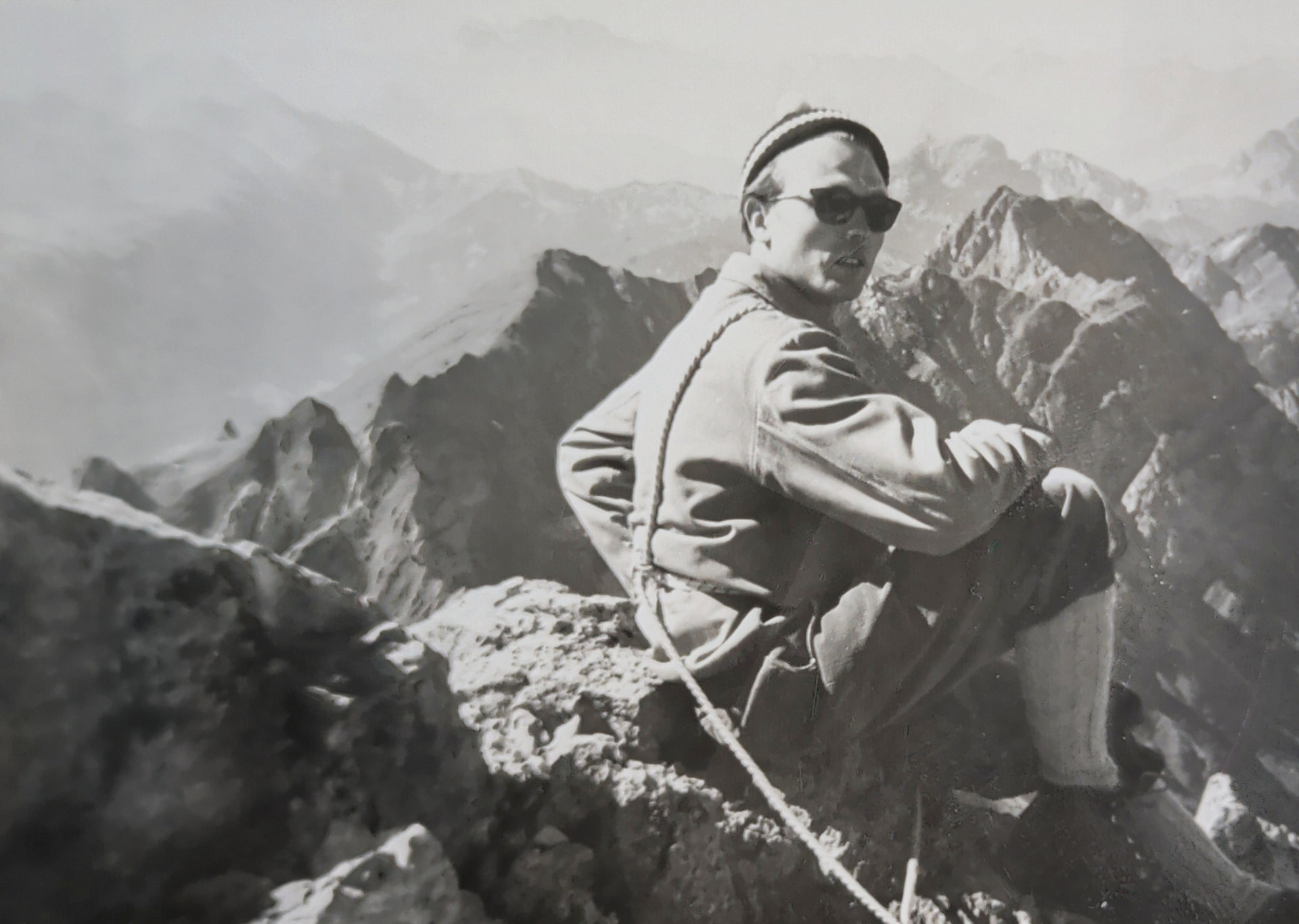
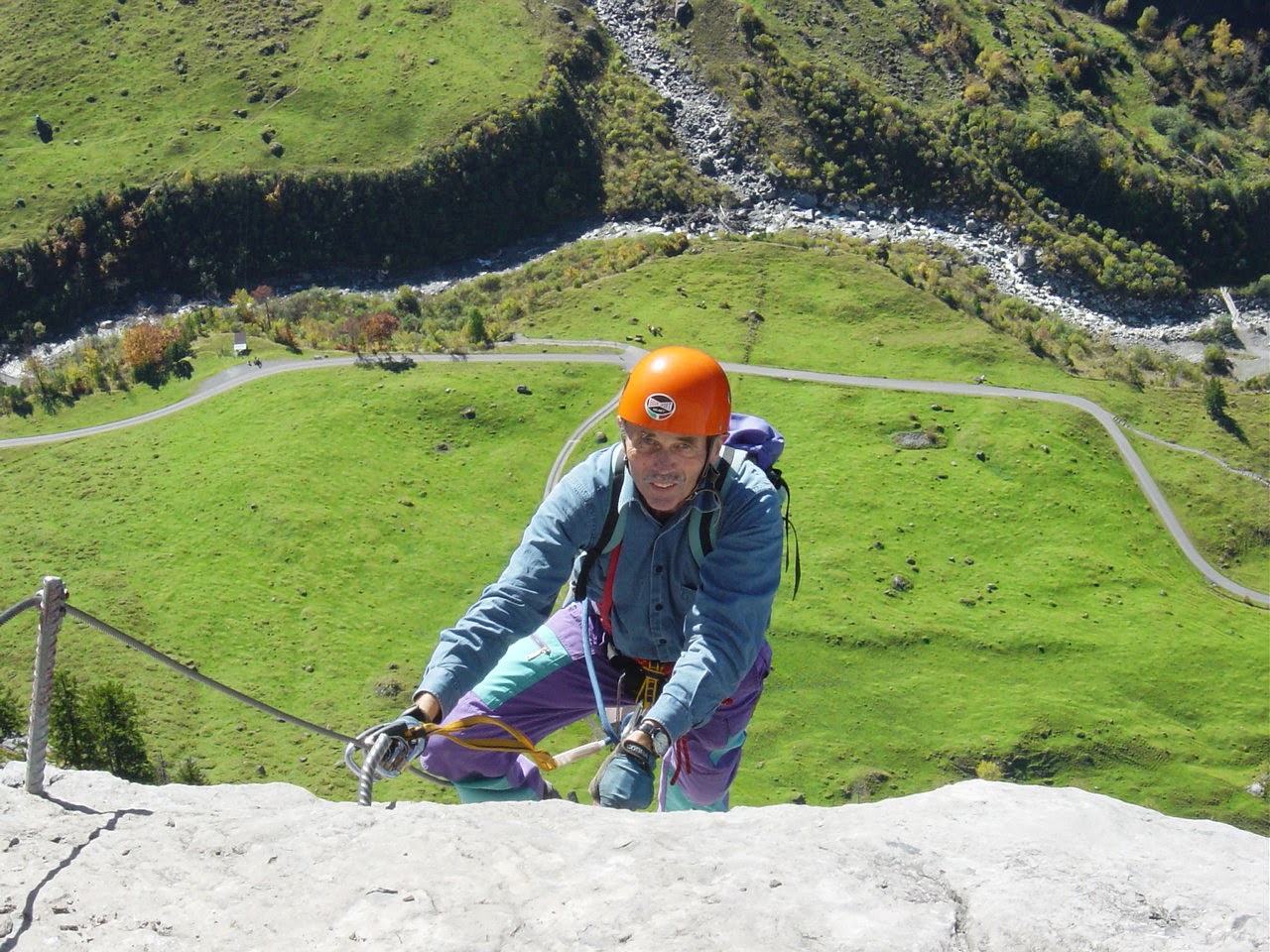
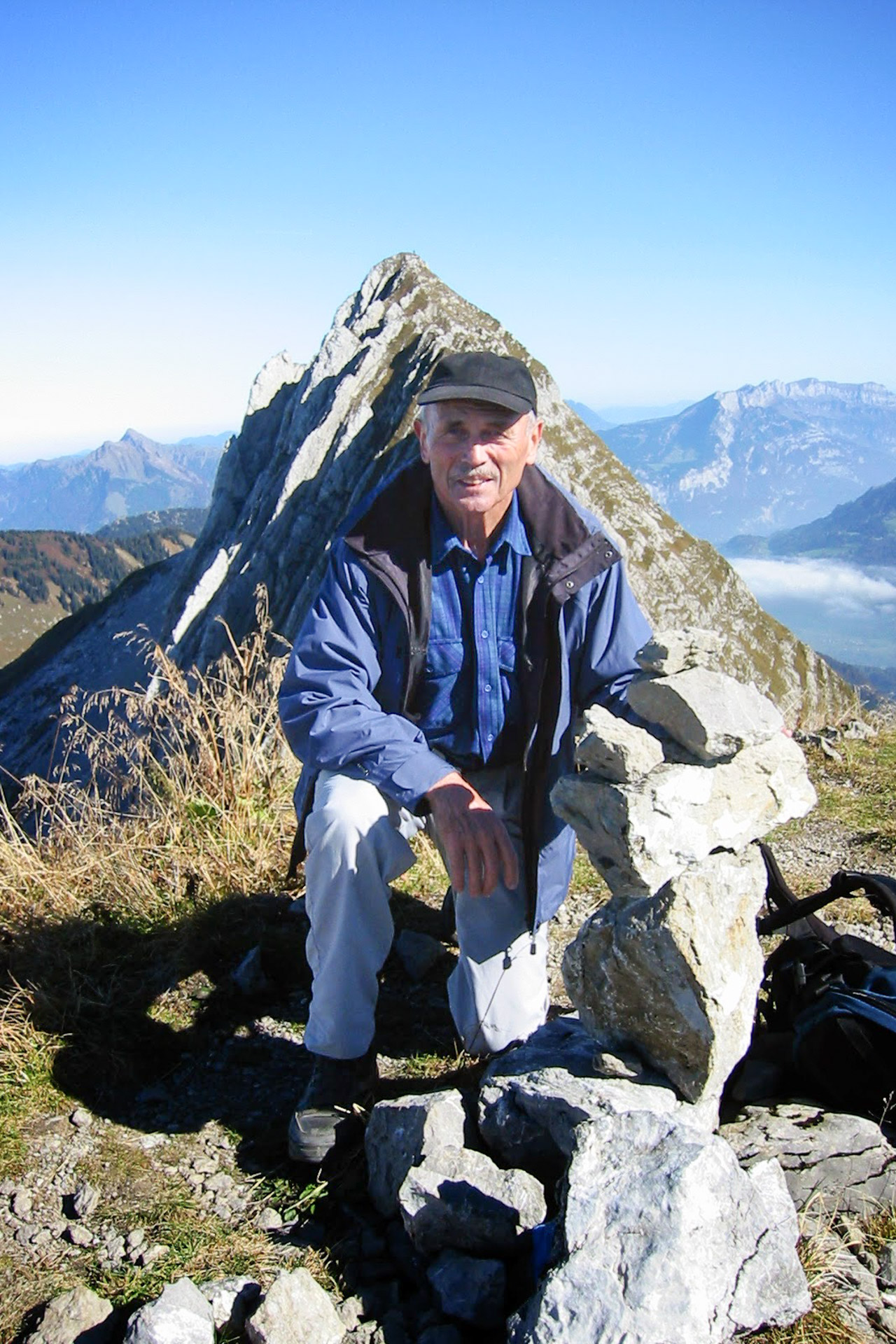
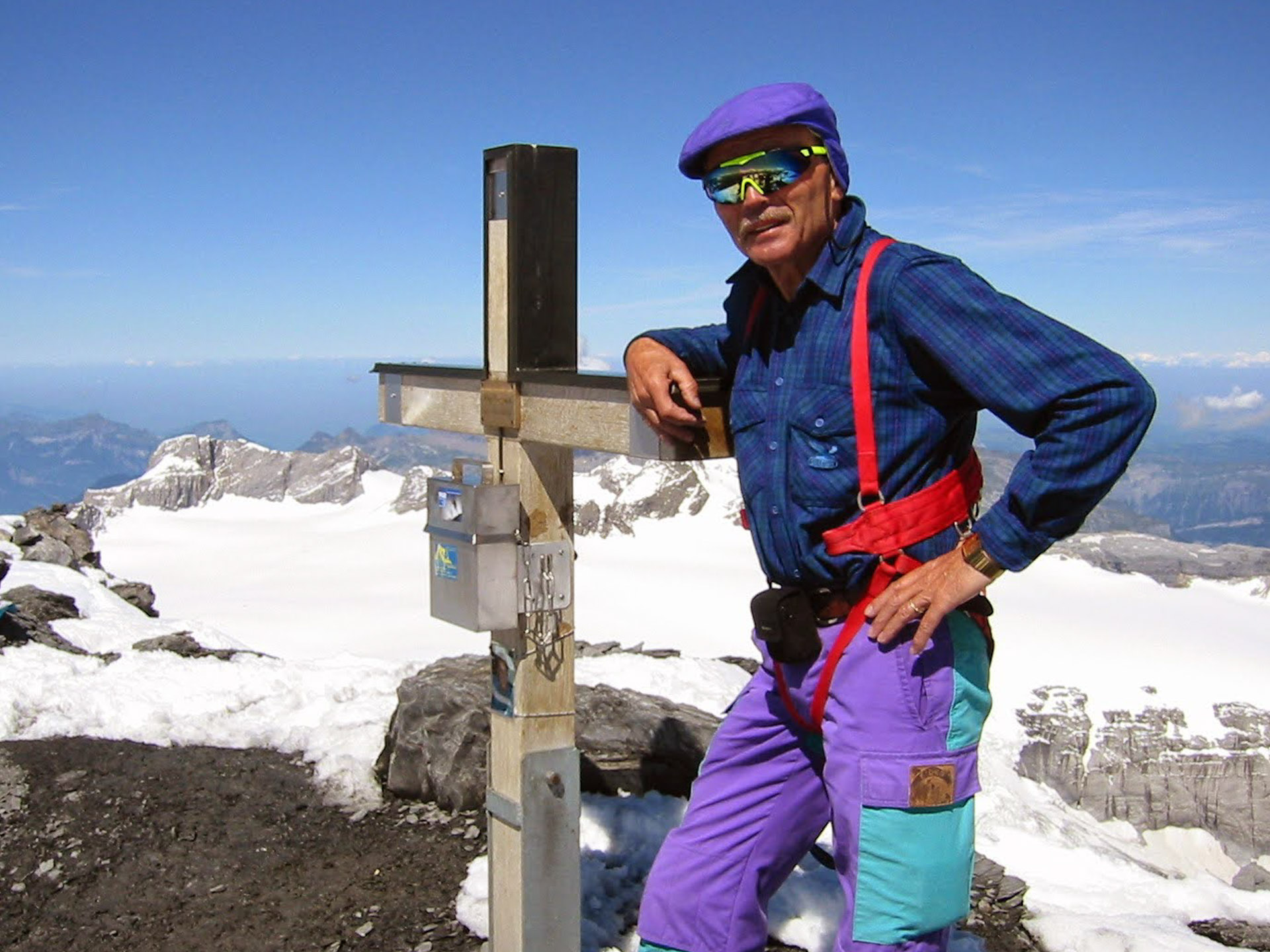
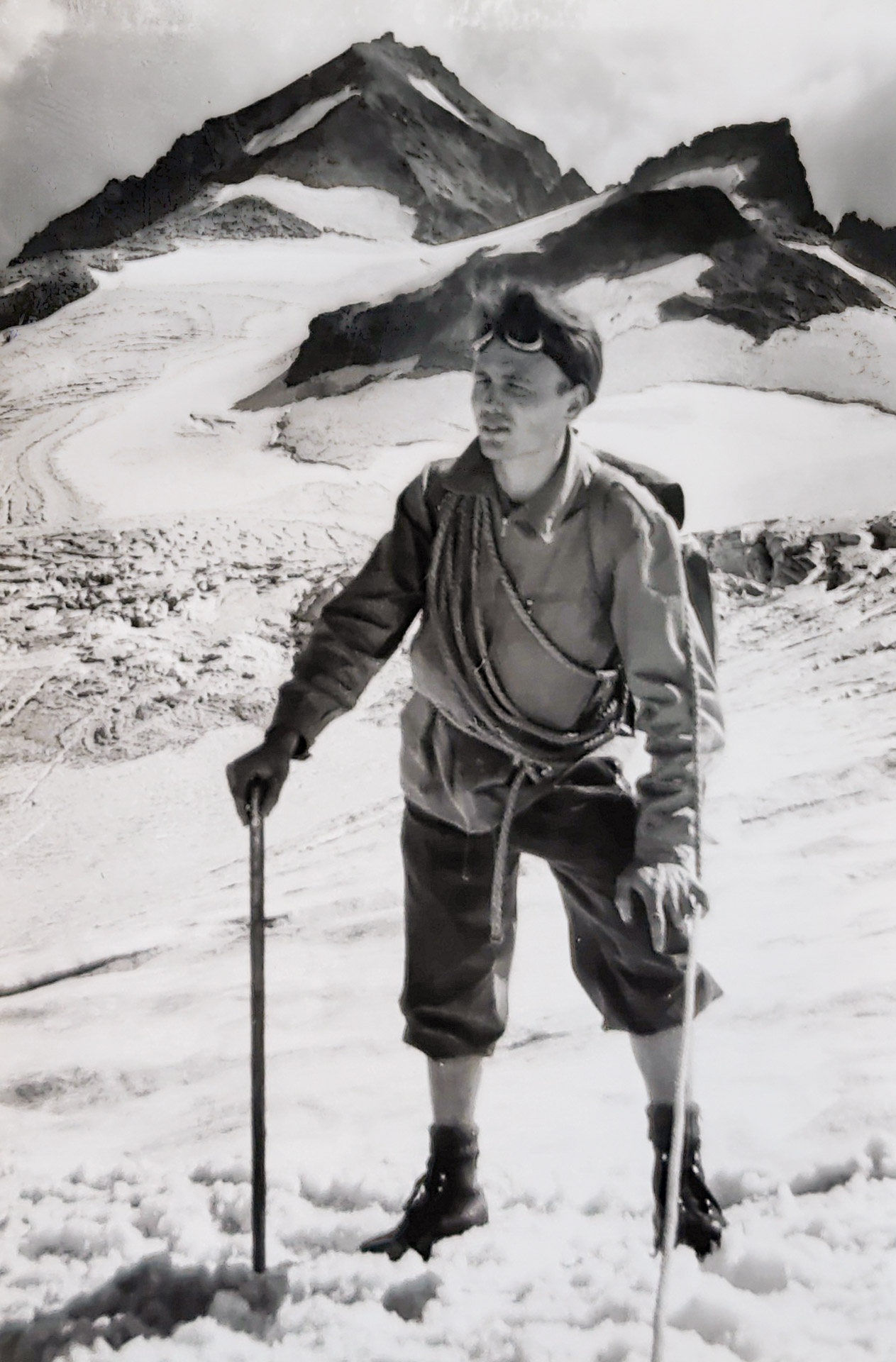
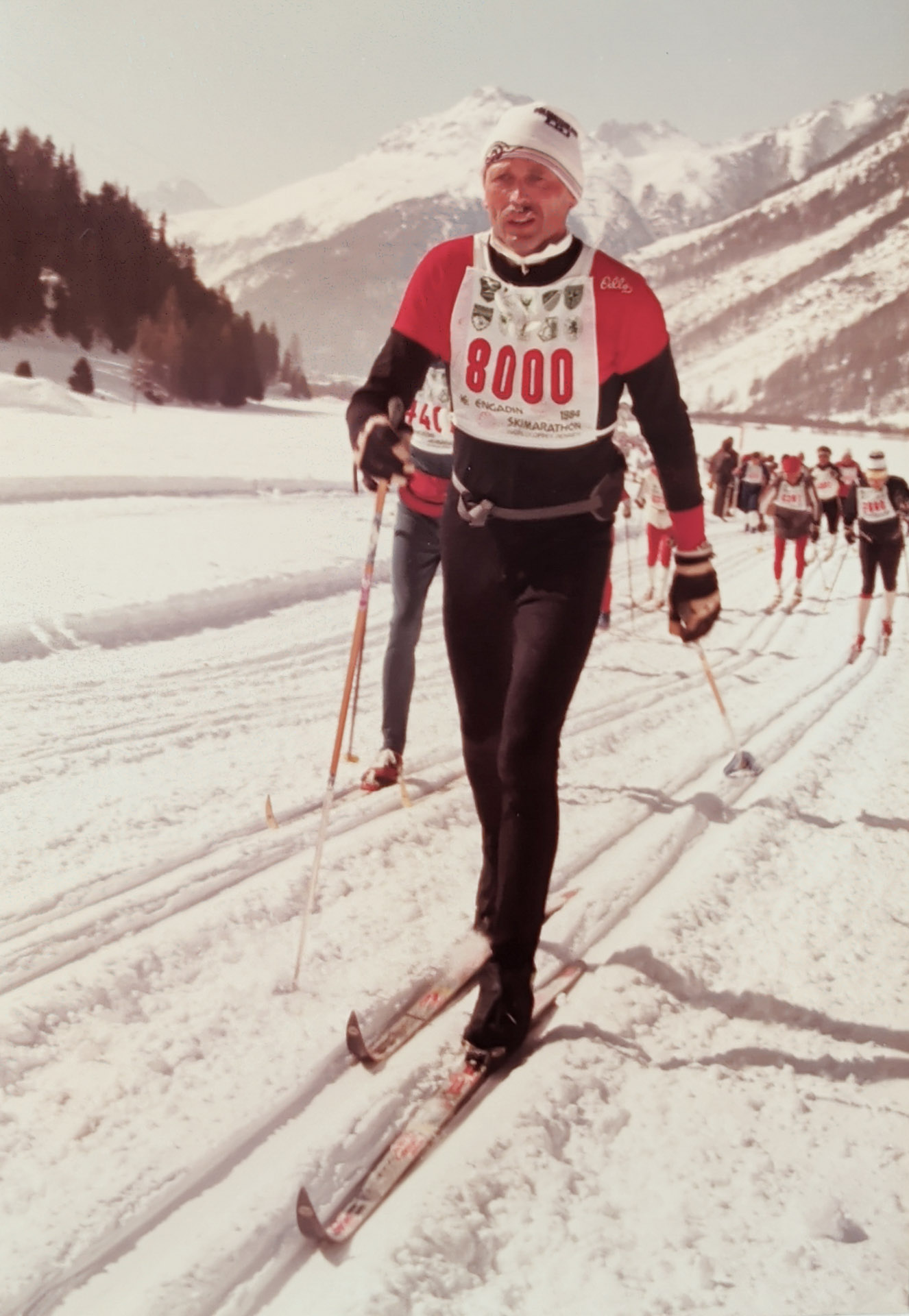
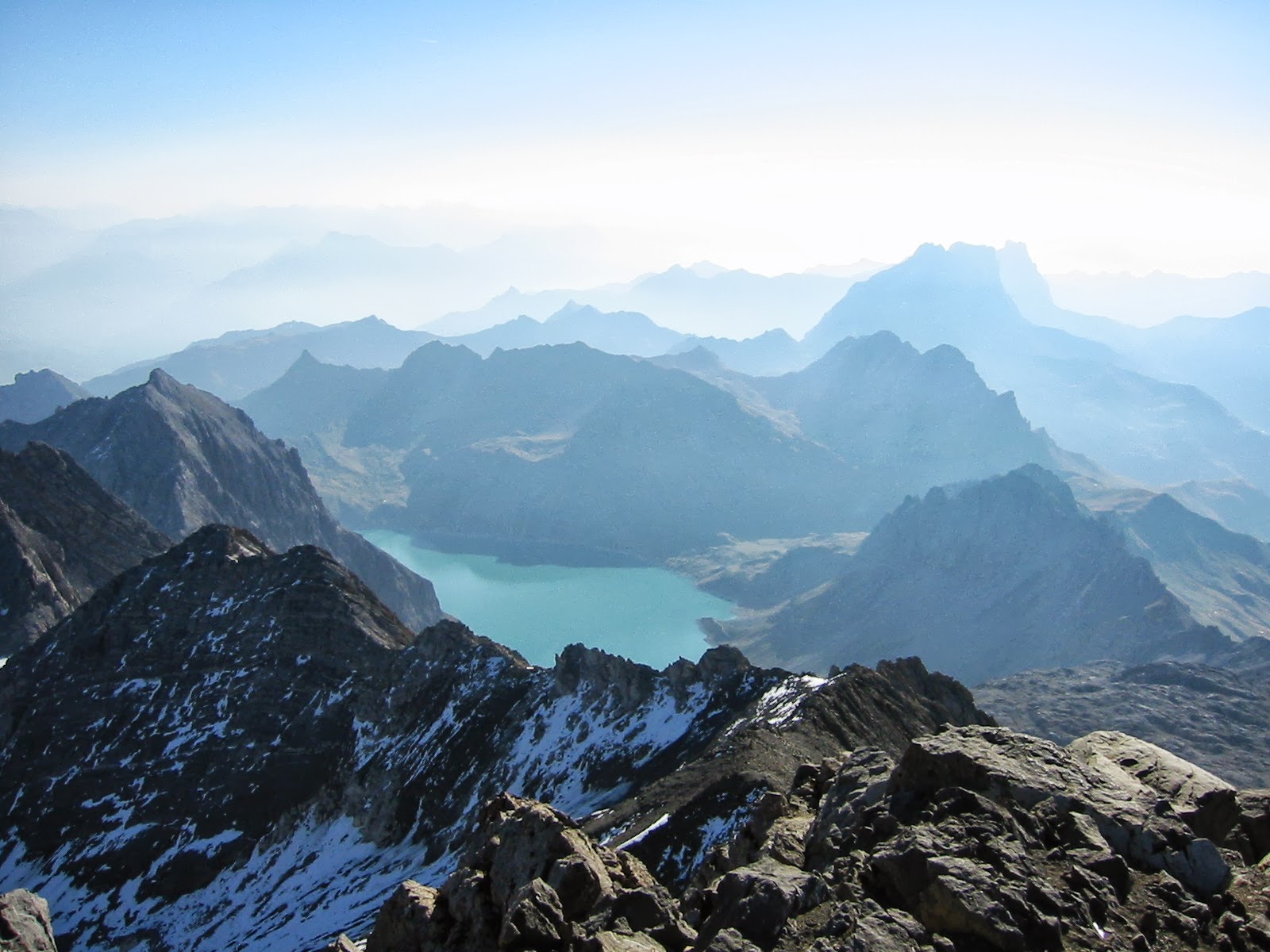
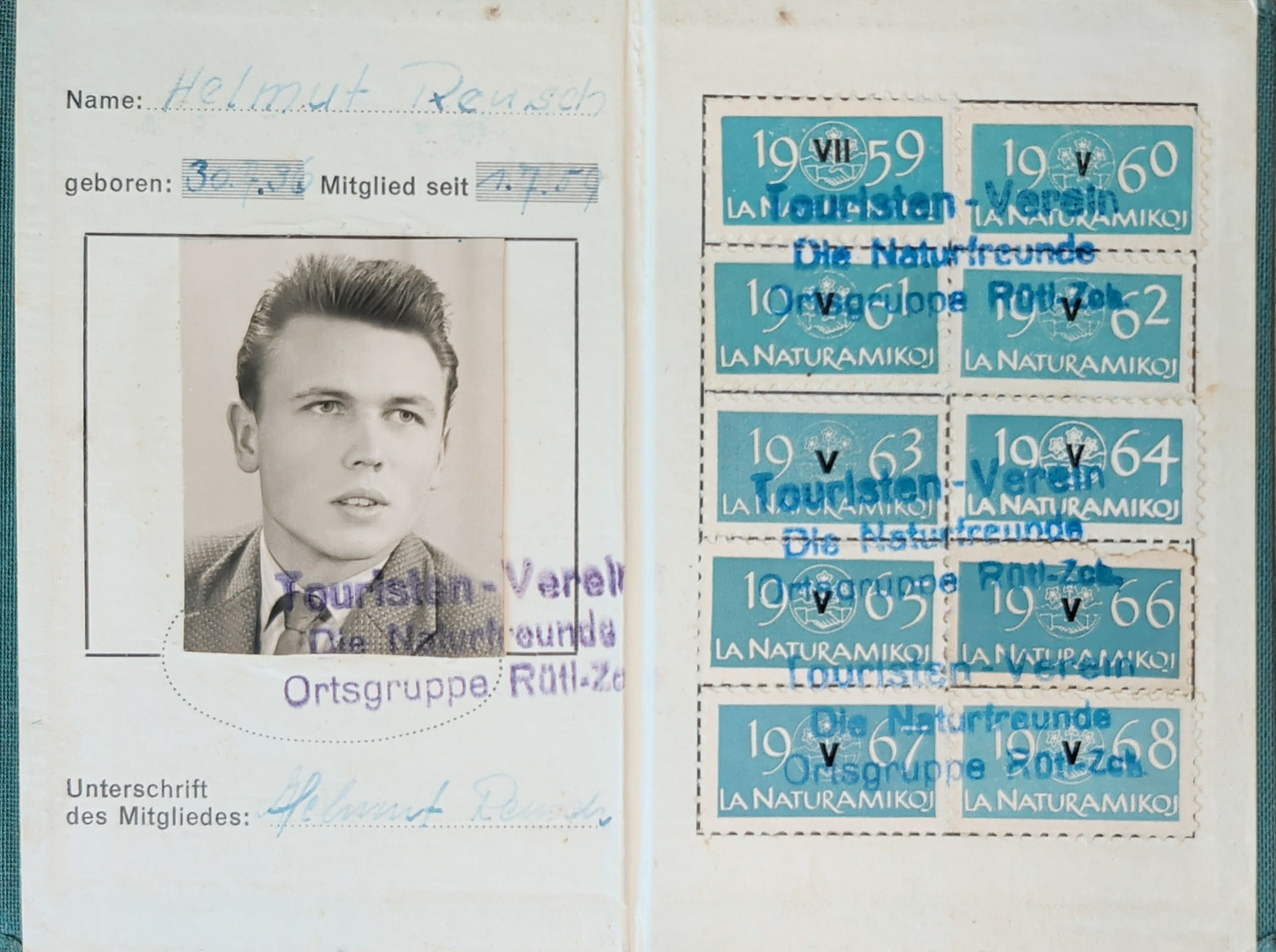
When I think of him, I think sooner or later of the Alps. Of clear air, long walks, silence, distant ridgelines, and that quiet way he had of looking into the landscape, as if it were not merely something to admire, but something to be with. He seemed to draw strength from that sense of distance, from the open view, from the line of one summit after another. And yet his love of the mountains was never only about grandeur. He also noticed the smaller beauties along the way: a stream, a patch of alpine flowers, even thistles growing quietly by the path. He took joy in both, the vastness and the detail. As children, we went on countless hikes with him. Because of that, I saw more of the Alps than most children probably ever do. In those earlier childhood years, these outings did not feel like duty, but like adventure. We were often in the mountains with other families through Naturfreunde, a hiking and outdoor association, and our holidays in mountain huts and lodges carried that same spirit of discovery, movement, and simple joy in being outdoors. We saw extraordinary landscapes and views that many children may never know in quite that way.
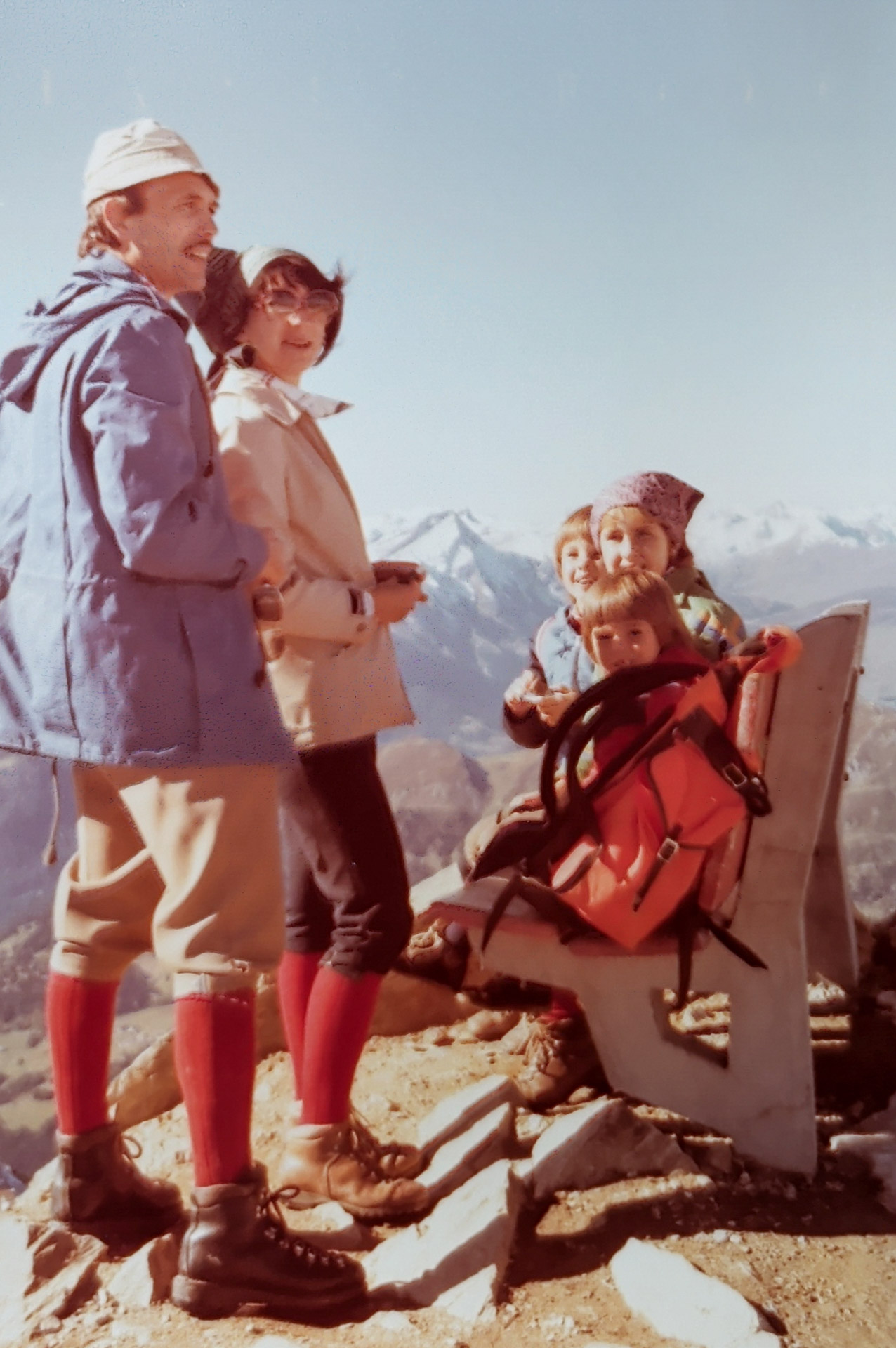
My father carried much of that world for us. When I was too tired to keep walking, he would lift me onto his shoulders. And when tiredness set in, he knew how to dissolve it, not through grand gestures, but through warmth, humour, and imagination. We would invent little songs as we walked, or he would make up verses on the spot, which we would keep turning over together, laughing whenever they became a little more ridiculous. And in these memories he is still there, as clearly as ever, in his green Pepita hat, faded by years of mountain sun.
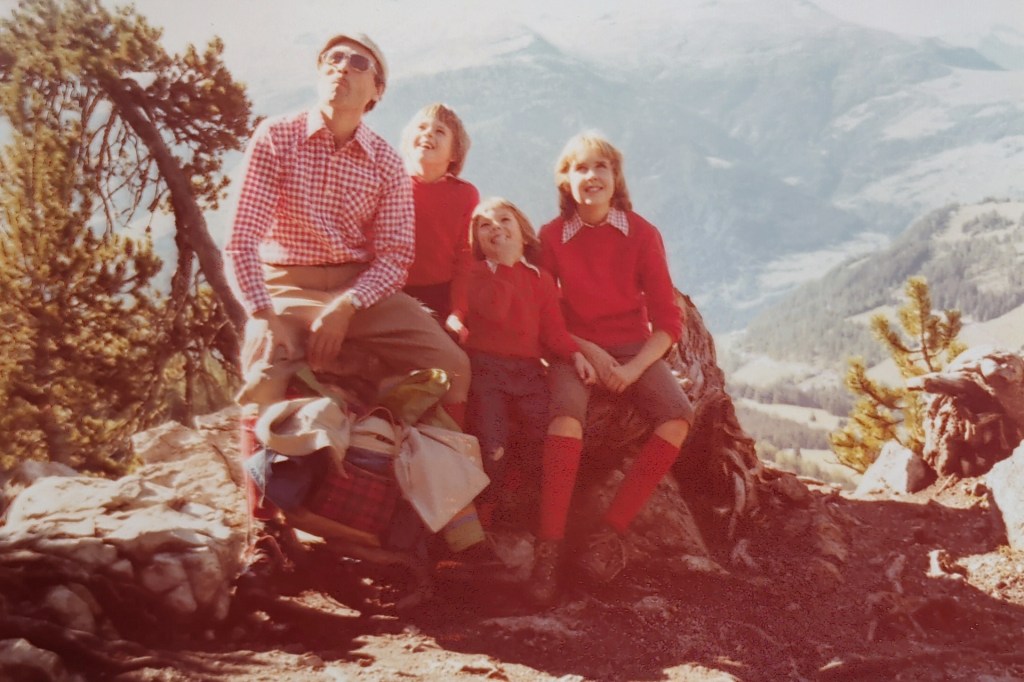
Later, as a teenager, I no longer appreciated it in quite the same way. By then, life had begun to shift. One becomes more independent, makes one’s own plans, and does not always want to spend the day within the rhythm of one’s parents. Hiking is not exactly what a teenager considers cool. Like many young people, I sometimes followed with limited enthusiasm and the quiet conviction that there had to be more exciting uses of a day than walking uphill for hours. And yet I almost always ended up enjoying it, even if at that age I was not especially inclined to admit as much.
Memory, however, is fairer than youth, and looking back, I know how much those days gave me. I know where my own love of nature comes from. It did not arrive as a lesson, and he never would have framed it that way. He simply followed his own passion, and some of it settled in me over time. The mountains, the walks, the instinct to look outward, the quiet pull of nature, all of that became part of my life simply because it belonged so naturally to him. He left me with a way of looking that still feels very much like his: drawn to the wide horizon, yet never blind to the small beauty along the way.
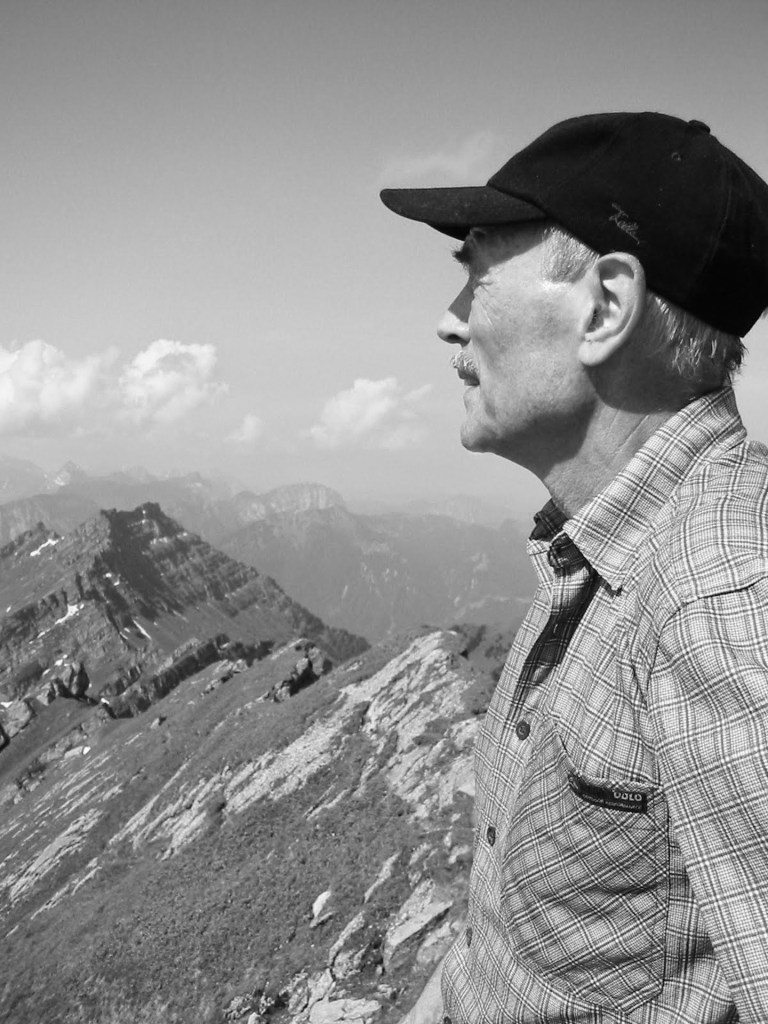
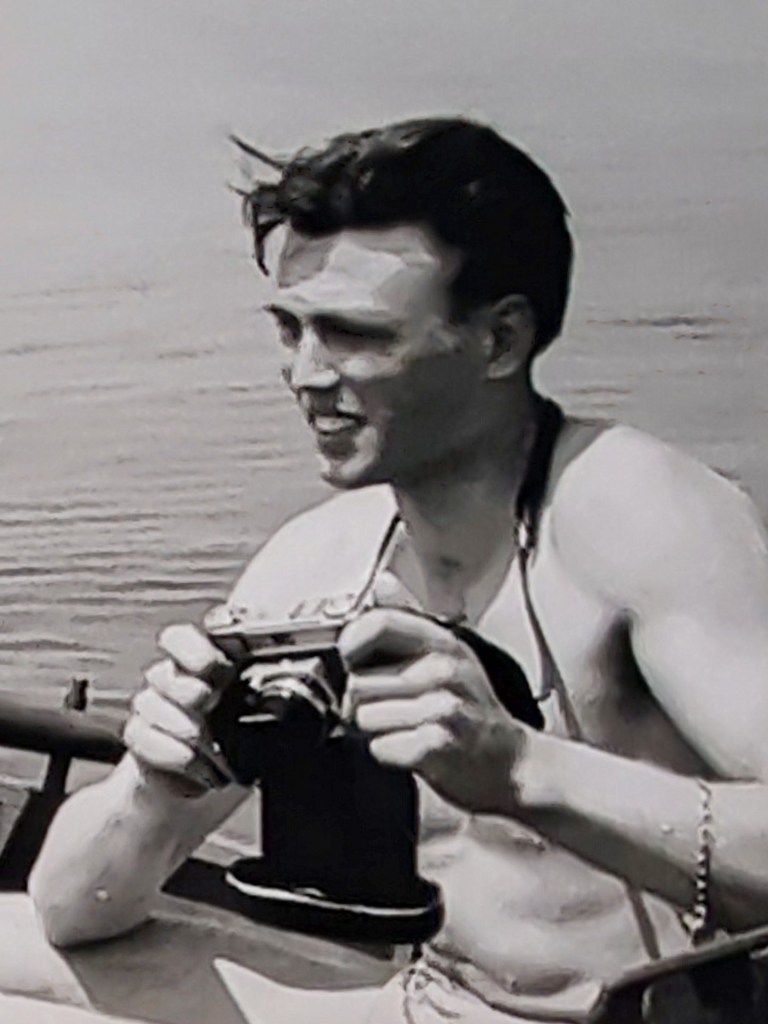
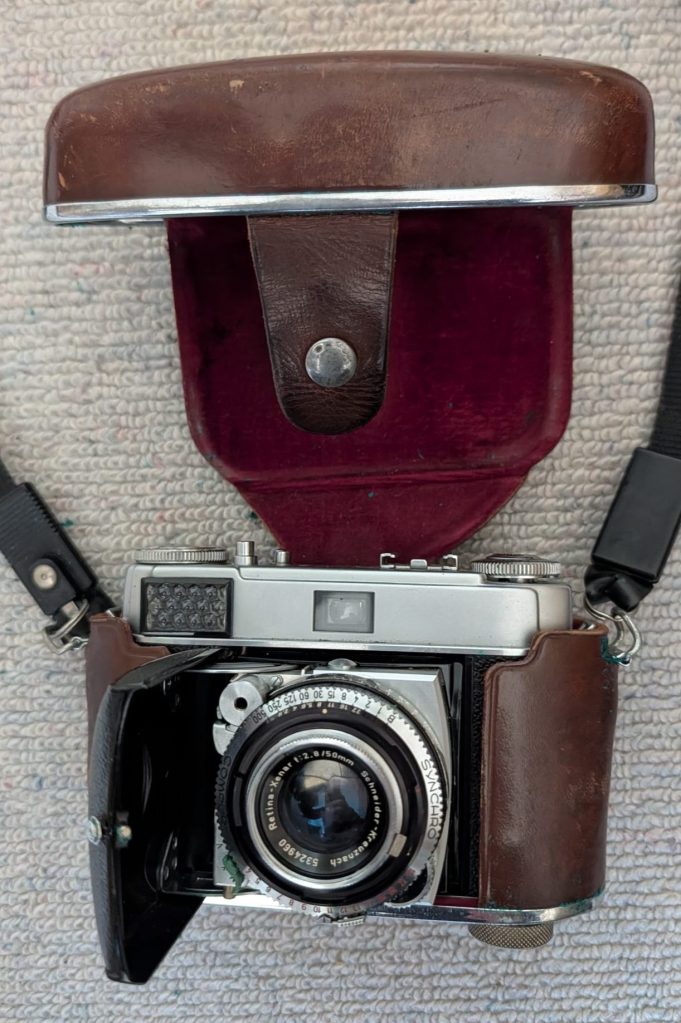
Photography belonged to that same way of looking. My father had a passion for it, and it lives on in the countless albums he created over the years, all of them carefully arranged and curated, full of the places, walks, journeys, and memories he wanted to hold on to. His cameras were always simple ones, never the oversized semi-professional machines by which some people like to advertise the seriousness of their hobby. For him, the joy was not in the equipment, but in preserving what he had seen and experienced. And in this, too, he left something with me. He was the one who inspired me to take up photography myself, and through him I came to understand the pleasure of giving a moment a life beyond itself.
Some of my memories of him are also tied to the long family drives to Germany, Austria, or Italy. At the time, air travel for ordinary families with children was simply beyond reach. The world was smaller in practical terms, and family holidays happened within the distances one could manage by car. Travel was slower and more demanding then. Road networks were less developed, highways were often incomplete, and much of the route still led through villages and along ordinary country roads. The cars were less comfortable than today and usually had no air conditioning. They were less insulated, noisier inside, and often modestly powered, so the sound of an engine working hard was simply part of those long summer drives. Those summer journeys could be hot, loud, and tiring, and children had none of the digital distractions that now make hours disappear. Reading on winding roads was hardly an option unless one wanted to feel sick soon afterwards, so we watched the landscape, counted cars, colours, and license plates, and turned whatever passed by outside the window into small games.
But what stays with me is not the inconvenience. It is him. And it is the feeling of us being on the way together. His calm presence seemed to stand at the centre of those journeys. He belonged to that generation for whom effort was simply part of life. There was no need to dramatise it. He just carried things forward. And although my parents had far fewer possibilities than we have today, I do not feel that we missed anything. Quite the opposite. It was precisely this way of travelling, slower, simpler, closer to the road and to one another, that shaped the memory. We did not just pass through landscapes. We absorbed them in small pieces. Forests, villages, lakes, roadside stops, changing weather, the slow arrival of another country. Sometimes even something as simple as picking blueberries in the woods, often on the way to somewhere else, became part of the day and stayed with us. Those journeys were full of such details, and perhaps that is why they remain so vivid. We saw the Alps, Germany, Austria, Italy, and finally the Mediterranean. We saw beauty. But even more than that, we experienced what it meant to be a family on the move, with my father quietly giving those journeys their sense of steadiness, security, and care.
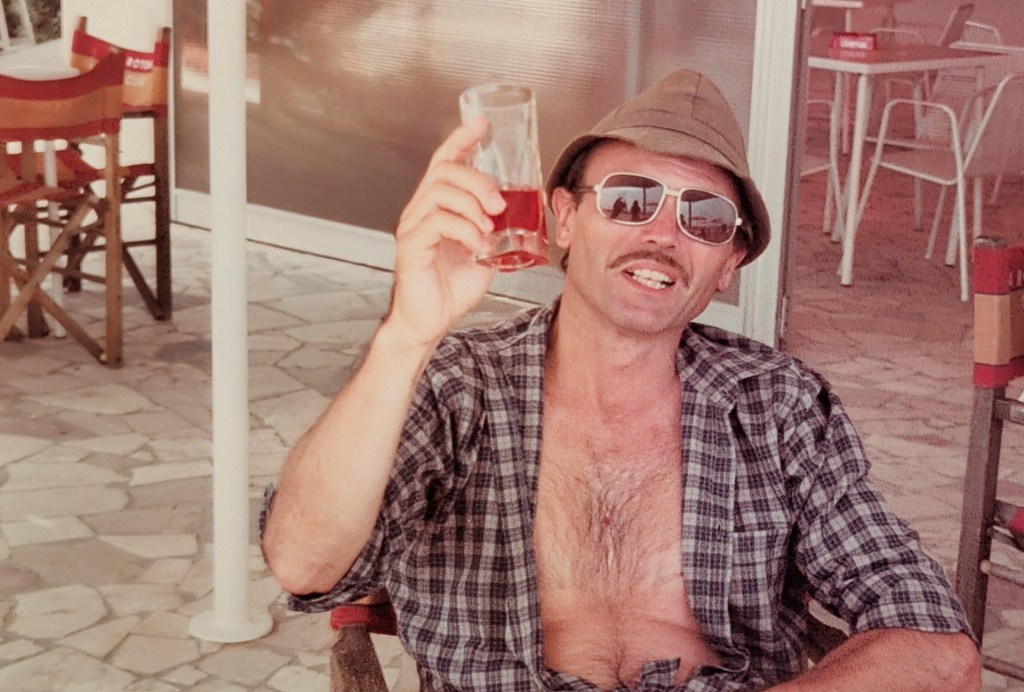
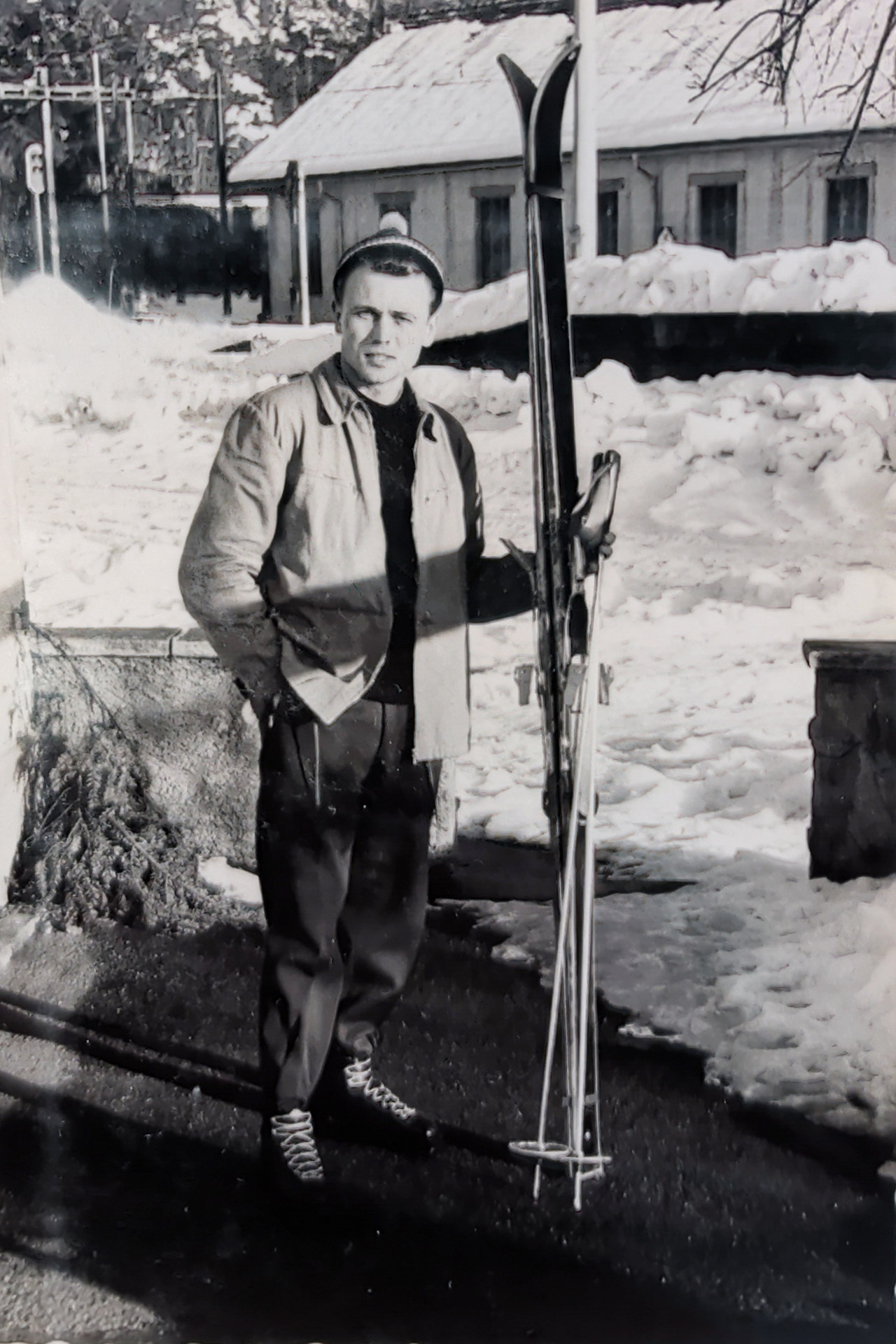
My father came to Switzerland from Germany in the late 1950s. After his marriage, he brought his love to Switzerland as well, and this is where I was born and raised. It takes courage to leave one country and begin again in another. Perhaps it was courage. Perhaps it was also the spirit of that era, when people still believed in building a future through discipline, work, and perseverance. Most likely it was both. In any case, it was a real step, and I have always respected him for it.
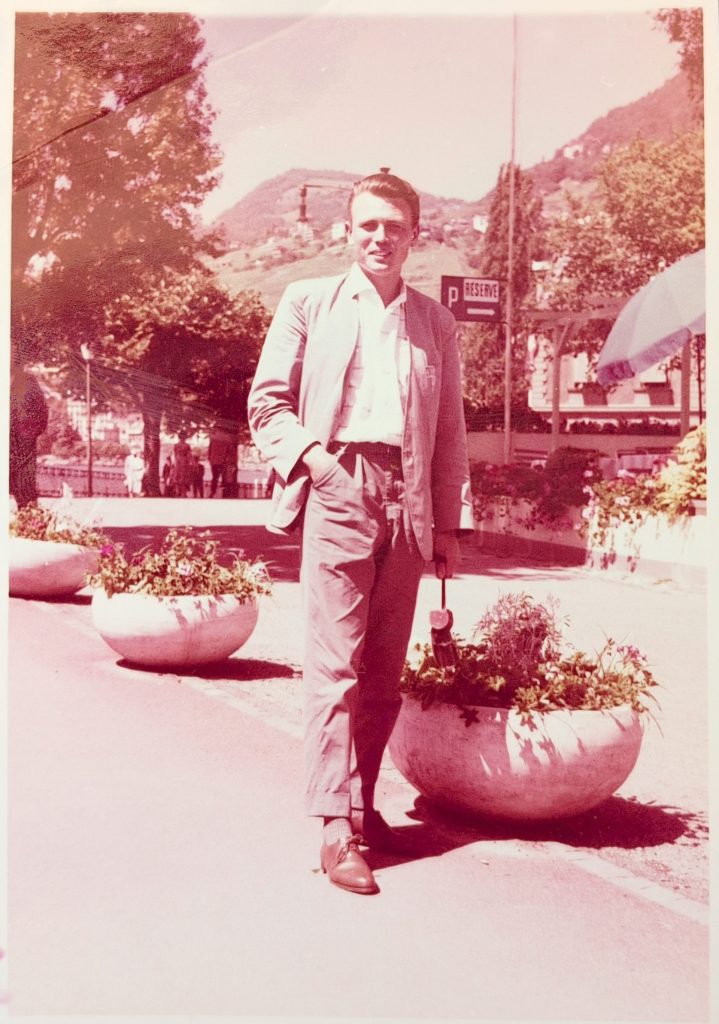
It is easy to forget that fathers were once simply young men, with their own restlessness, their own hopes, their own private sense of the future. As children, we do not see our parents that way. They seem complete, almost fixed, as if they arrived in the world already in their final role. With age, one begins to understand that they, too, had beginnings, uncertainties, disappointments, and dreams long before we ever existed.
In family life, my father was loving, even if affection did not spill out of him in constant words. We were always treated well as children, and for me he became a model of respect and hard work, not because he ever tried to present himself as one, but because these things were so obviously part of him. He simply lived in a way that made certain things unmistakably real.
The same remained true long after childhood. My parents always stood behind me. Whatever decisions I made, whatever path I chose, I never felt doubted or quietly second-guessed. They respected my choices and supported me in their own steady way. Over the years, they became not only my parents, but also something rarer and very beautiful: trusted companions and, in many ways, dear friends.
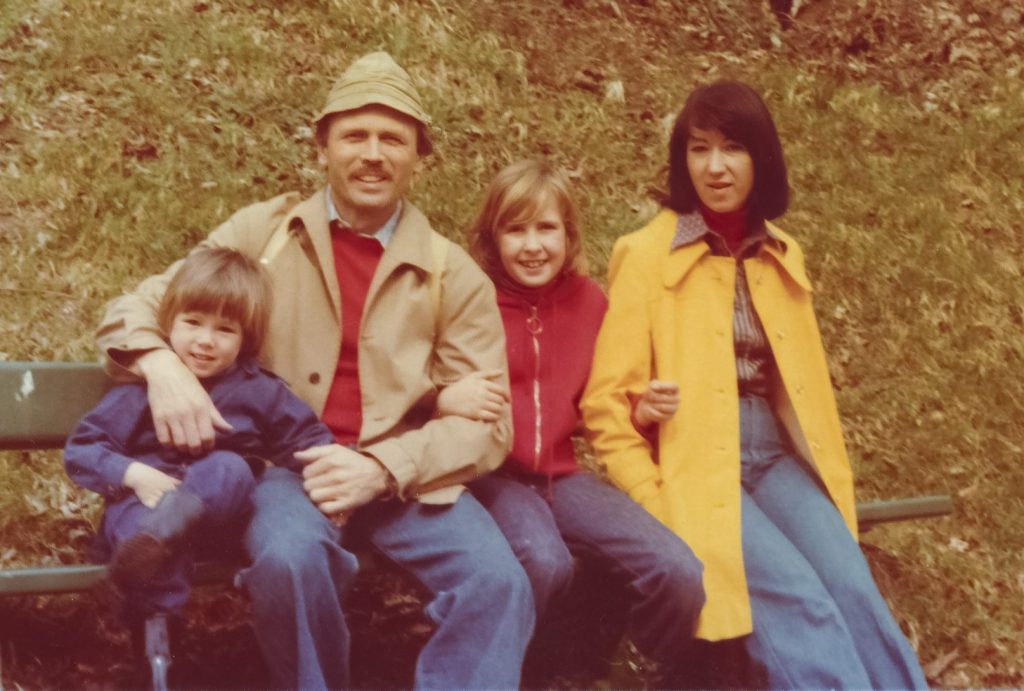
As a child, one experiences care without analysing it. Only in hindsight does its structure become visible: the consistency, the patience, the quiet sacrifices, and the countless ordinary acts through which parents create a stable world around their children. It is there that one begins to understand how much love can be contained in reliability alone. The example he set never had to announce itself. It lived in the respect he showed others, in his discipline, his decency, and his steadiness.
There are, of course, also things I wish I had done differently. I wish I had had more time with him, more moments alone, and more conversations that went further. I know many stories from his childhood, and I know about his adventures, including his great bicycle journey deep into southern Italy, entirely on his own and with no money.
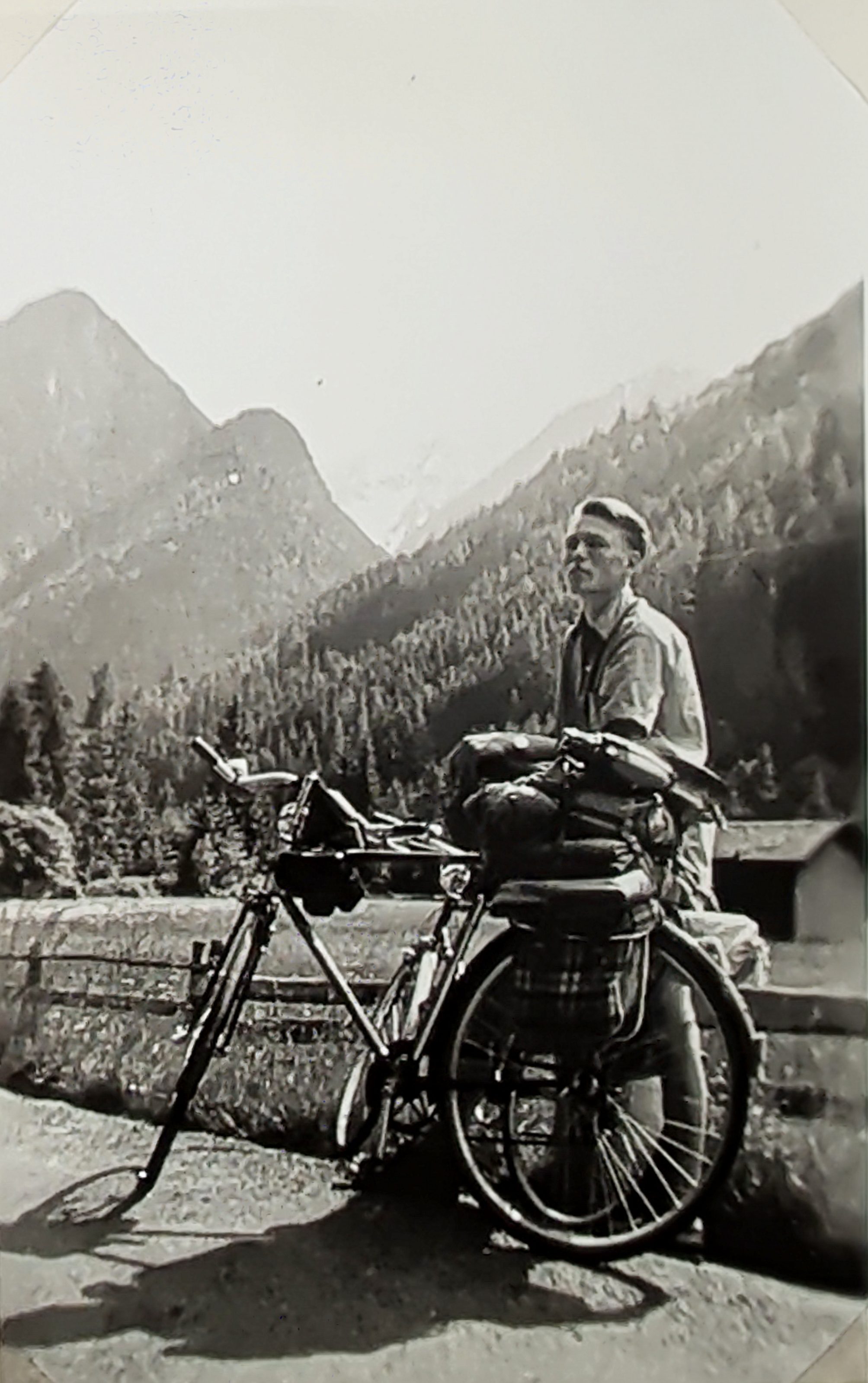
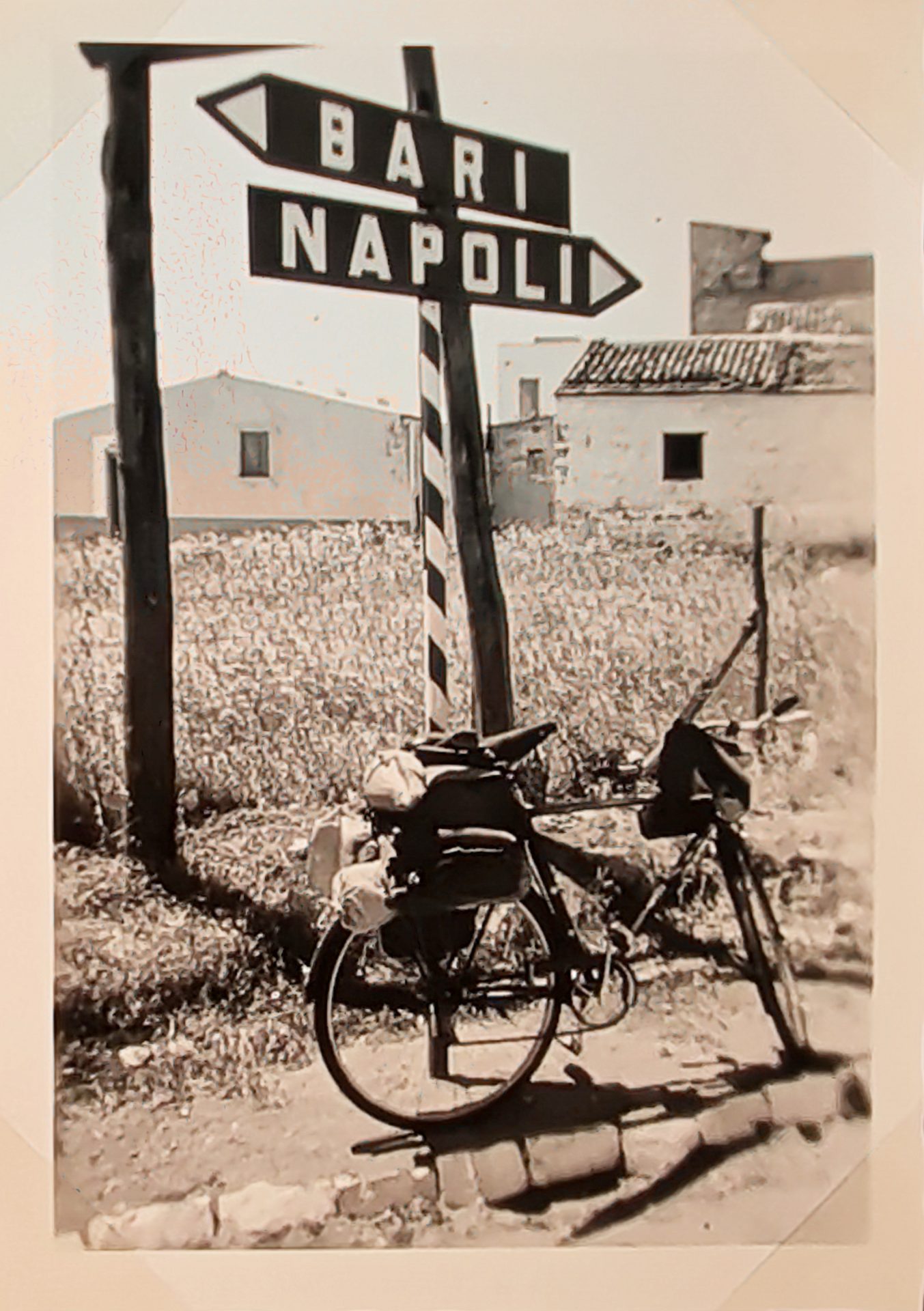
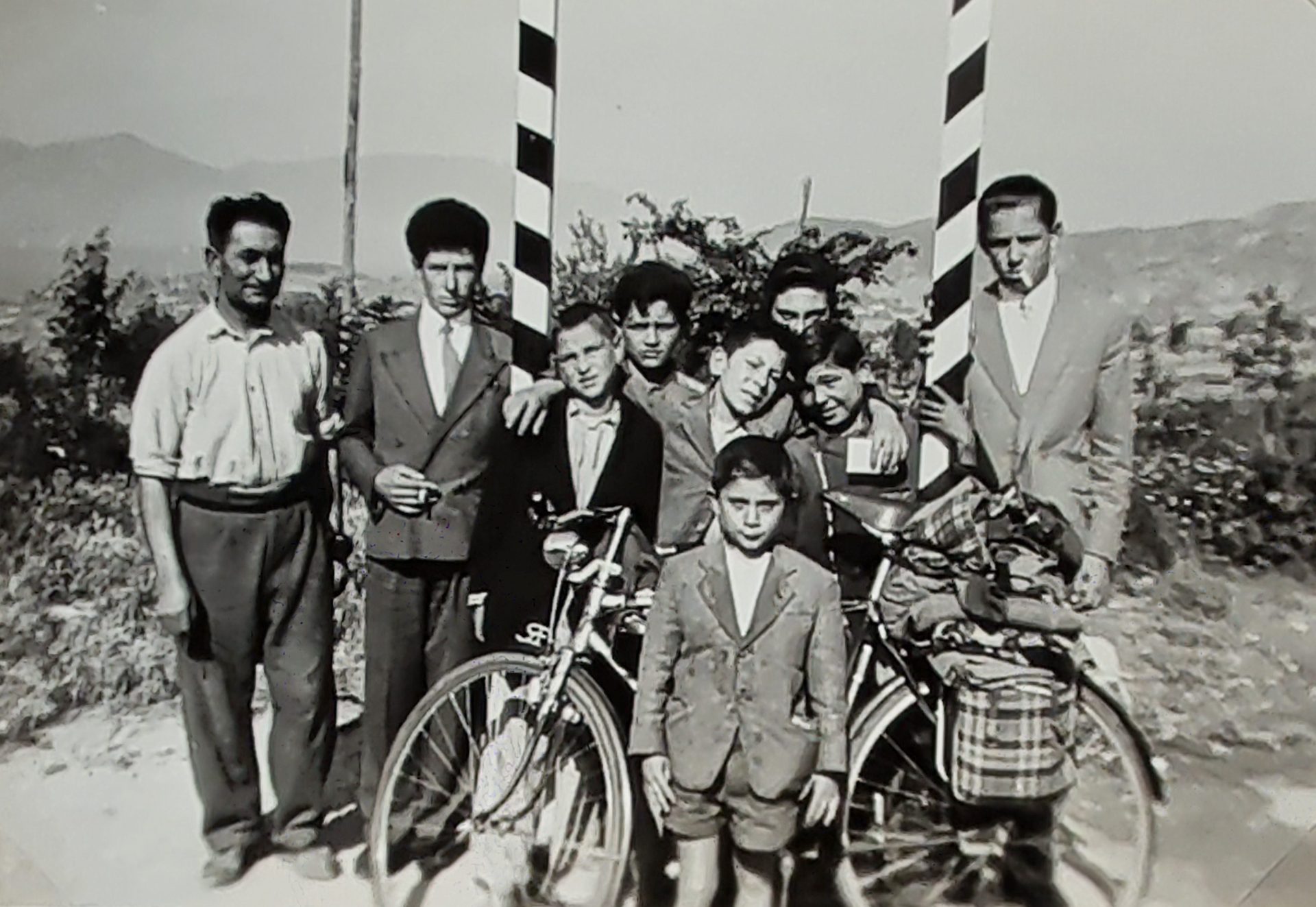
But there is never enough asking, never enough listening, never enough time. I would have liked to speak with him more about his dreams, his disappointments, his successes, his plans, and his feelings. I would have liked to know more, not only about what he did, but about what he carried inside himself. Life has a cruel timing to these things. By the time one is old enough, and perhaps mature enough, for such conversations, one is often also at the stage of leaving home, building one’s own life, and assuming, far too casually, that there will still be plenty of time later.
And yet I do not want regret to be the final note of this piece. Gratitude is larger than regret. When I think of my father now, I do not think first of what was missing, but of what was there all along. I think of a man who never needed many words to leave a deep mark. I think of intelligence without vanity, reliability without fuss, love without performance, and a life that was built with seriousness, dignity, and care. I think of all the things that continue inside me because they came from the core of who he was.
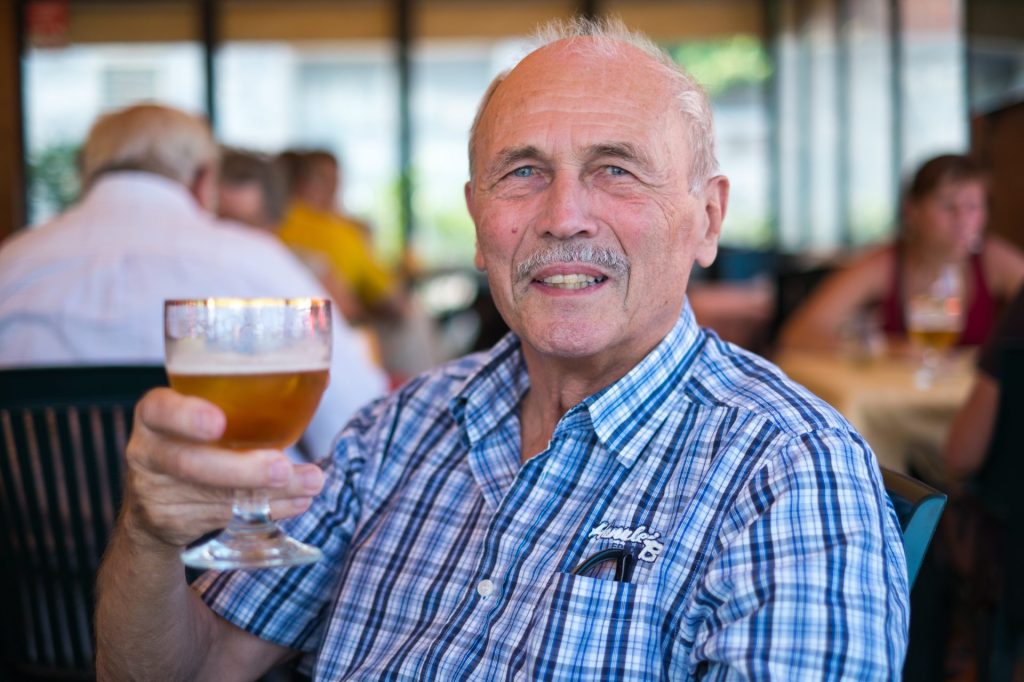
There is also one small detail about him that still makes me smile. My father often talked to himself. While shaving, for example, he would sometimes discuss things out loud, as if he were both speaker and sparring partner. I smile at that because I know the habit rather well. I do it too. I am, after all, my own best conversation partner. Of all the things one inherits, these little private quirks can be among the most moving. Grief has a strange way of revealing how someone continues to live inside you, not only in the grand traits, but in the small gestures, the familiar habits, the little ways of being that seem almost accidental until you realise where they came from.
That, perhaps, is also why it took me so long to write this. To write about a man like my father means resisting the temptation to invent drama where none is needed. His greatness was not theatrical. It did not live in grand declarations. It lived in character, restraint, intelligence, and the quiet strength of someone who never had to explain his worth in order for it to be felt.
If I could say one more thing to him today, it would not be complicated. It would simply be thank you. Thank you for being a father in the truest sense of the word. Thank you for all the things I understood too late, and for all the things I carry with me now. Thank you for the love that did not always announce itself in words, but was present all the same. Thank you for the life you built, for the security you gave us, and for everything that found its way into me simply because it was so deeply part of you.
You said little, but you gave much. That is the shape you still have in my memory.
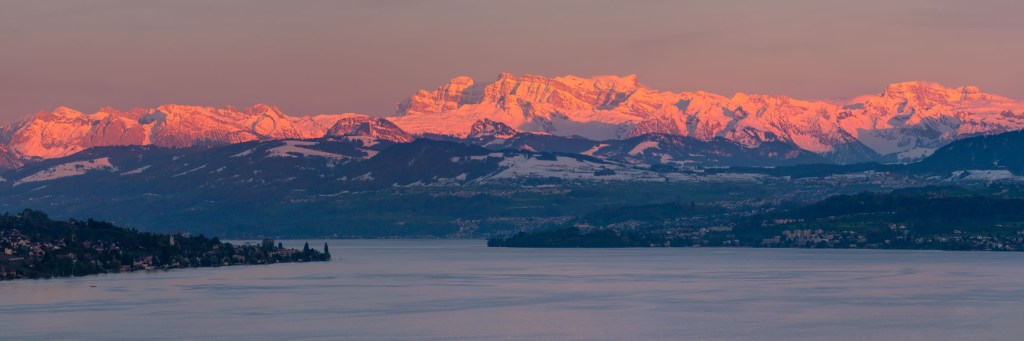
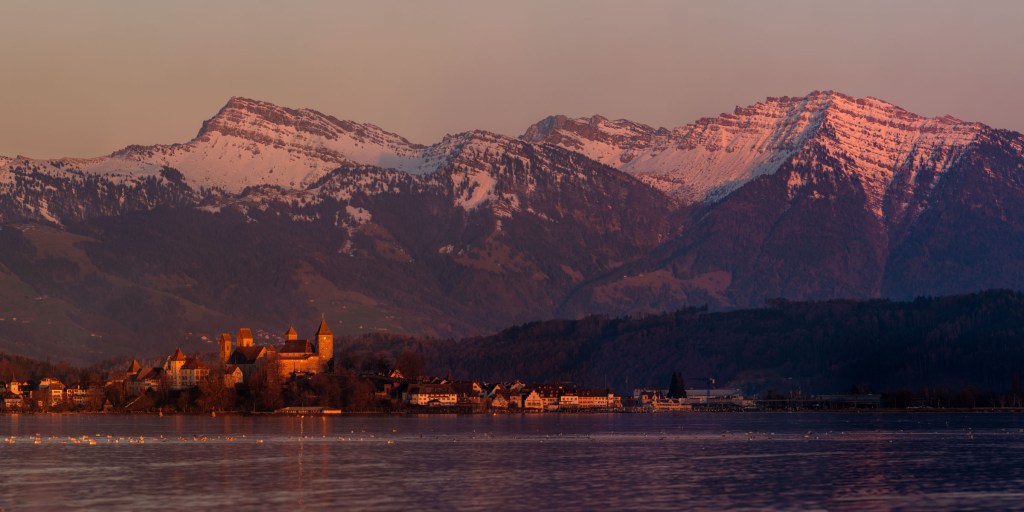
Whenever I travel from my home towards the place where I grew up, a unique view opens up before me. I see the Glarus Alps, with the Vrenelisgärtli standing prominently among them, and I also see the Speer and the Federispitz, mountains you loved so much. And I still see you looking towards them, as you once did. That is why this view has never been mere scenery to me. It is memory made visible. And when those mountains rise in the distance, calm and familiar, they greet you back, Dad.
With love and gratitude,
Alex

