How the Veto turned Power into Immunity
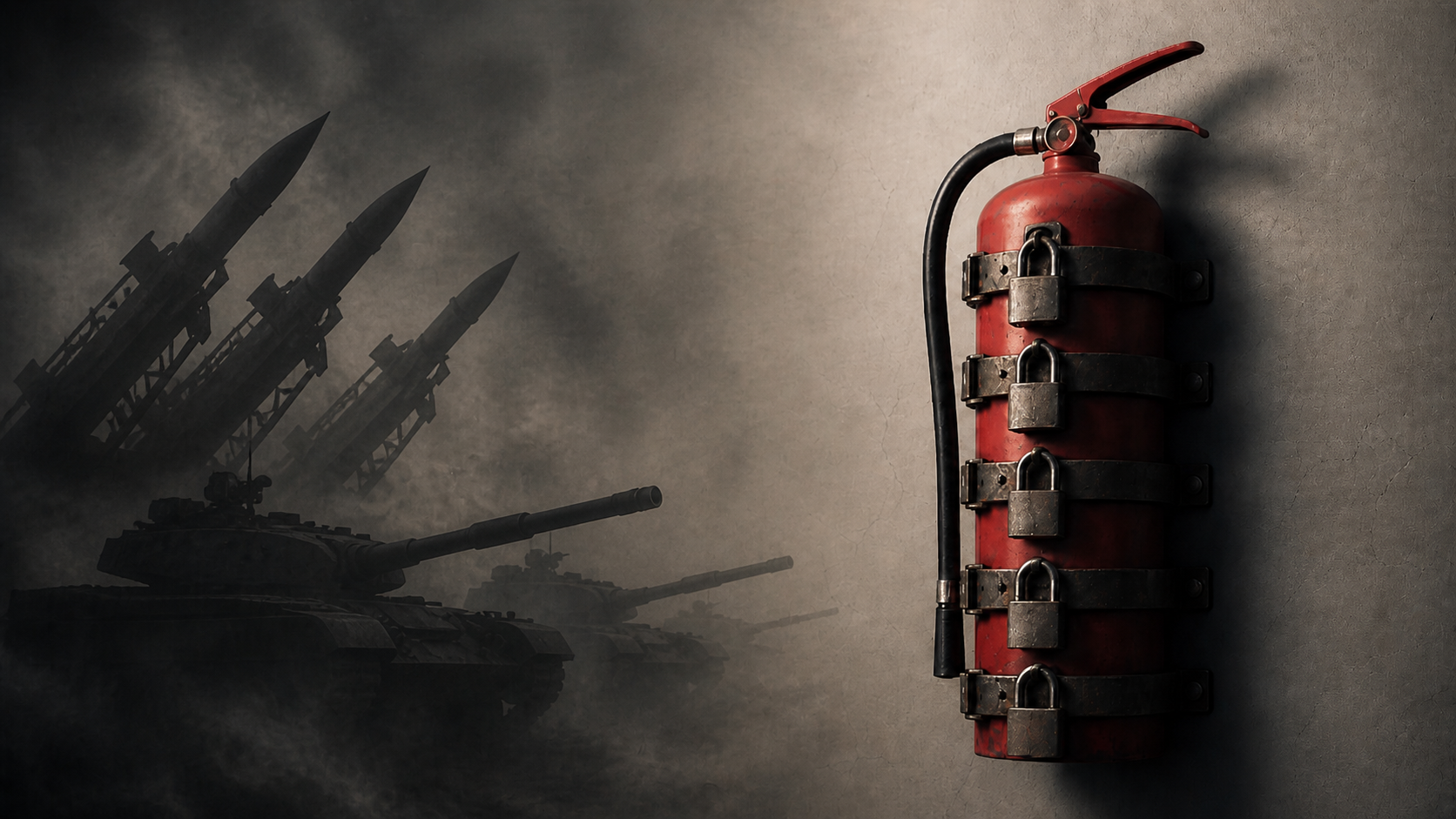
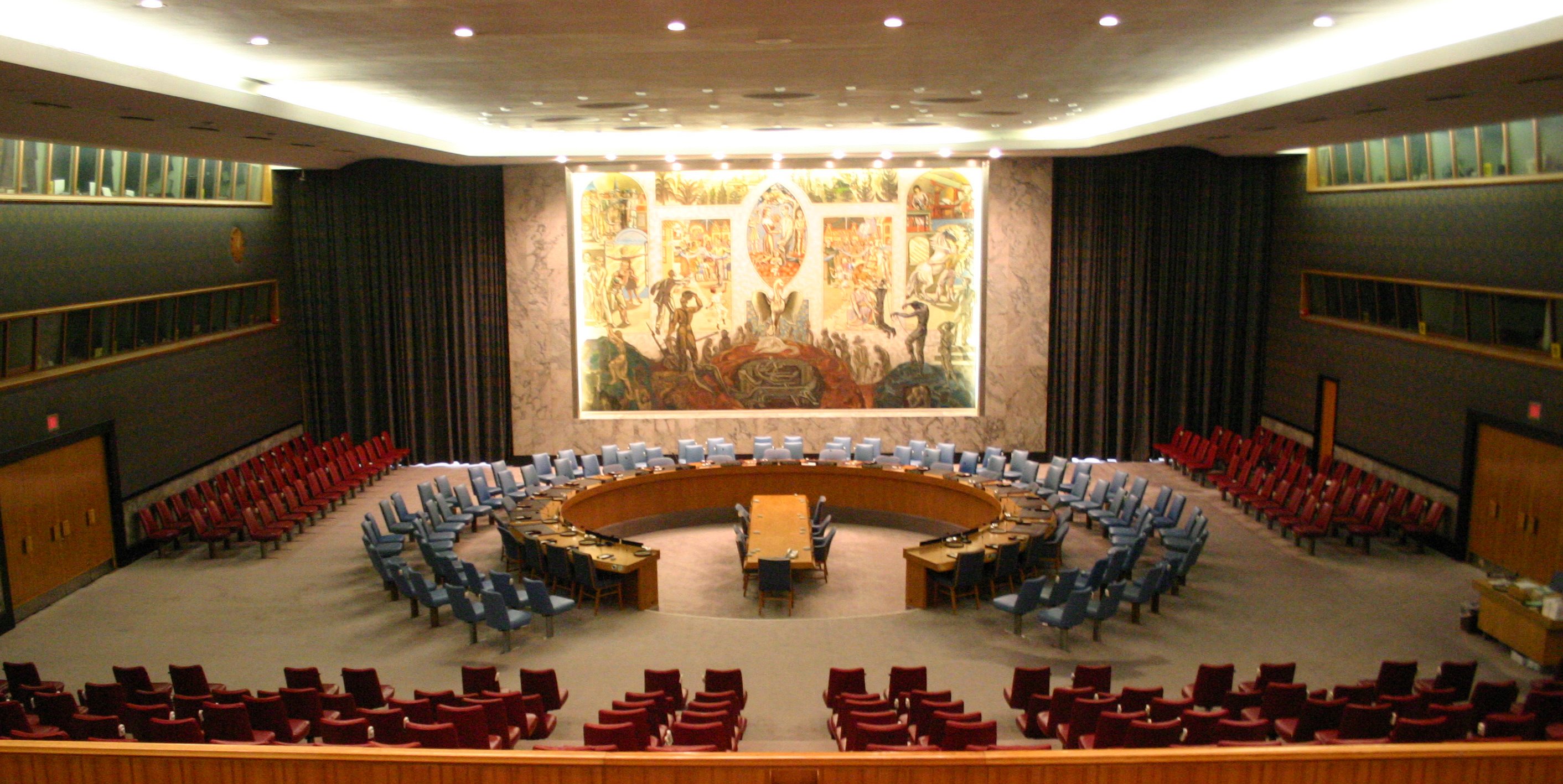
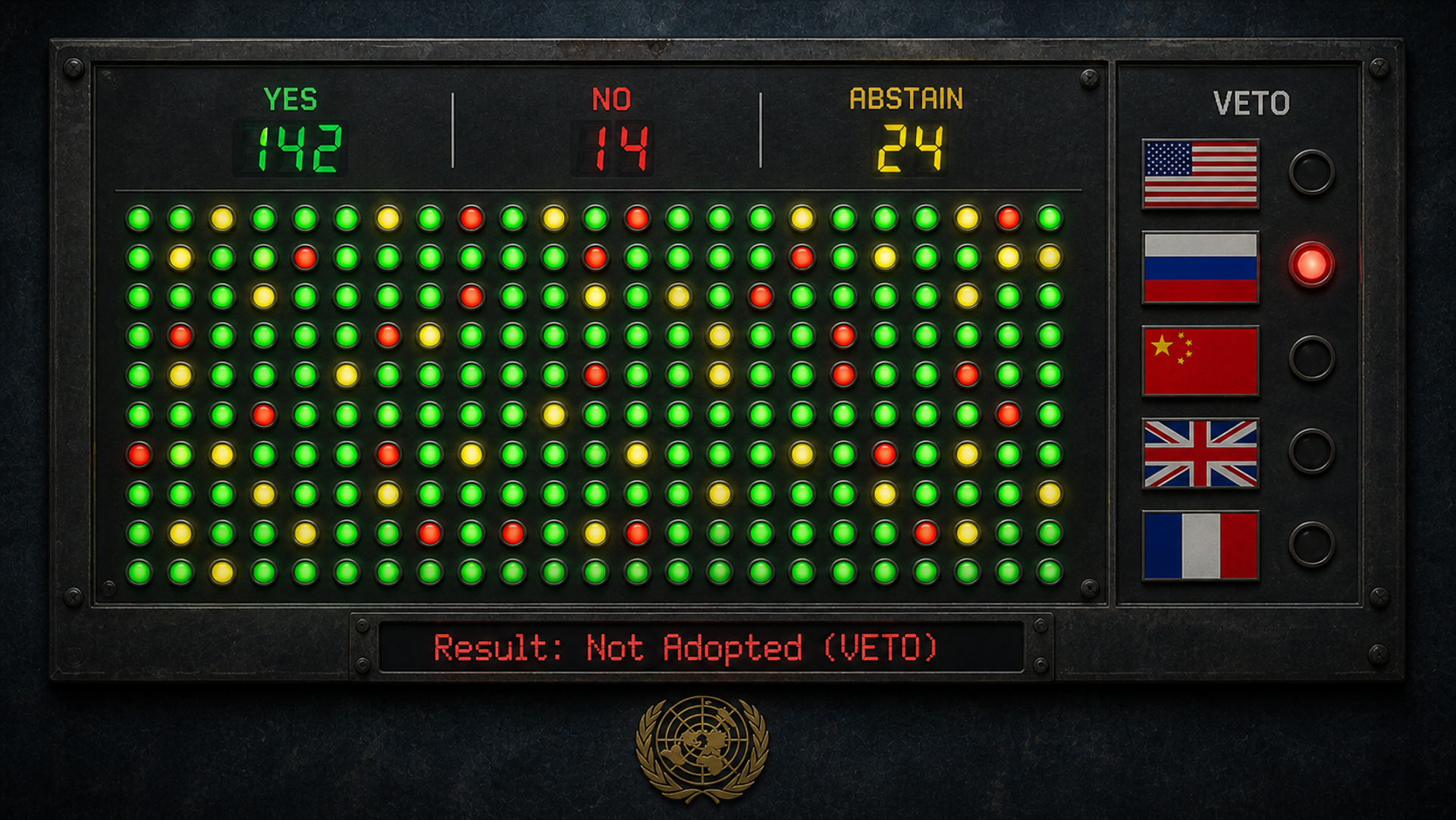
The United Nations was created to save the world from war. Then, with almost admirable historical irony, it handed the most powerful military states on earth a special key to disable the alarm system. This is the central absurdity of the UN Security Council: five countries sit permanently at the table, the United States, Russia, China, France and the United Kingdom, and each of them holds a veto over the very decisions meant to restrain war.
The Security Council was designed to keep the great powers inside the system. Today, it too often helps shield them from its rules. The permanent members were not chosen because they had discovered a higher form of moral wisdom. They were chosen because, in 1945, power had just rearranged the furniture of the world and insisted on keeping the best chairs. At the time, this may have been realism. Today, it increasingly looks like a privilege system dressed in diplomatic language.
The Veto was never about Equality
The official theory is simple enough. The Security Council carries primary responsibility for international peace and security, and its permanent members, the major powers of the order created after the Second World War, were given special status because any global peace system that excluded them would probably collapse on contact with reality. The veto was the price of participation. It kept the great powers inside the room rather than outside it, where they could undermine the entire project from a distance.
International politics is not a school debate where the most reasonable argument wins and everyone applauds the chairperson. Great powers do not surrender privilege because a committee has discovered fairness. The founders of the UN understood this. They knew that an idealistic institution without the participation of the strongest states would be beautiful, moral and almost immediately irrelevant. So the veto was born, not as a noble principle, but as a compromise with power. The problem is that compromises with power have a habit of becoming monuments to it.
When the Arsonist has a Veto
Today, the veto is no longer just a stabilizing instrument. Too often, it has become the mechanism by which the most powerful states escape the consequences of the very order they claim to uphold. The Security Council is supposed to act when peace is threatened, yet some of its permanent members are themselves among the most aggressive, disruptive or coercive actors in world politics. The guardians of the system are also among its most frequent arsonists.
Russia is the most obvious case. A permanent member of the UN Security Council launched a massive invasion of Ukraine. This is not some obscure legal technicality hidden in the footnotes of international law. It is the central promise of the UN Charter: states should not invade their neighbours because they feel historically entitled to them. And yet Russia sits in the Security Council with a veto. It is difficult to design a more elegant absurdity. The institution created to respond to aggression includes, as a permanent and privileged member, the aggressor itself. The burglar not only attends the neighbourhood watch meeting. He has the power to cancel the investigation.
Permanent Power is not permanent Virtue
But the problem does not end with Russia. The deeper issue is not one country. It is the structure itself. The United States also illustrates the danger of confusing permanent power with permanent legitimacy. Washington often presents itself as the guarantor of an international order based on rules, while maintaining a global military architecture that gives it extraordinary reach, leverage and influence far beyond its borders.
It has treated international law with great seriousness when others violate it, and with considerably more creativity when its own interests are involved. Iraq remains the most obvious historical example, but the pattern is broader: interventions, pressure campaigns, regime change ambitions, military threats and the casual assumption that American security concerns are somehow more legitimate than everyone else’s. The current war of aggression by Israel and the United States against Iran makes this contradiction impossible to ignore. What is presented as security policy has once again become a global crisis driven by the interests and calculations of a small number of states. A war pursued in the name of national security does not remain national when it shakes energy markets, threatens trade routes, destabilizes entire regions and forces the rest of the world to live with the consequences.
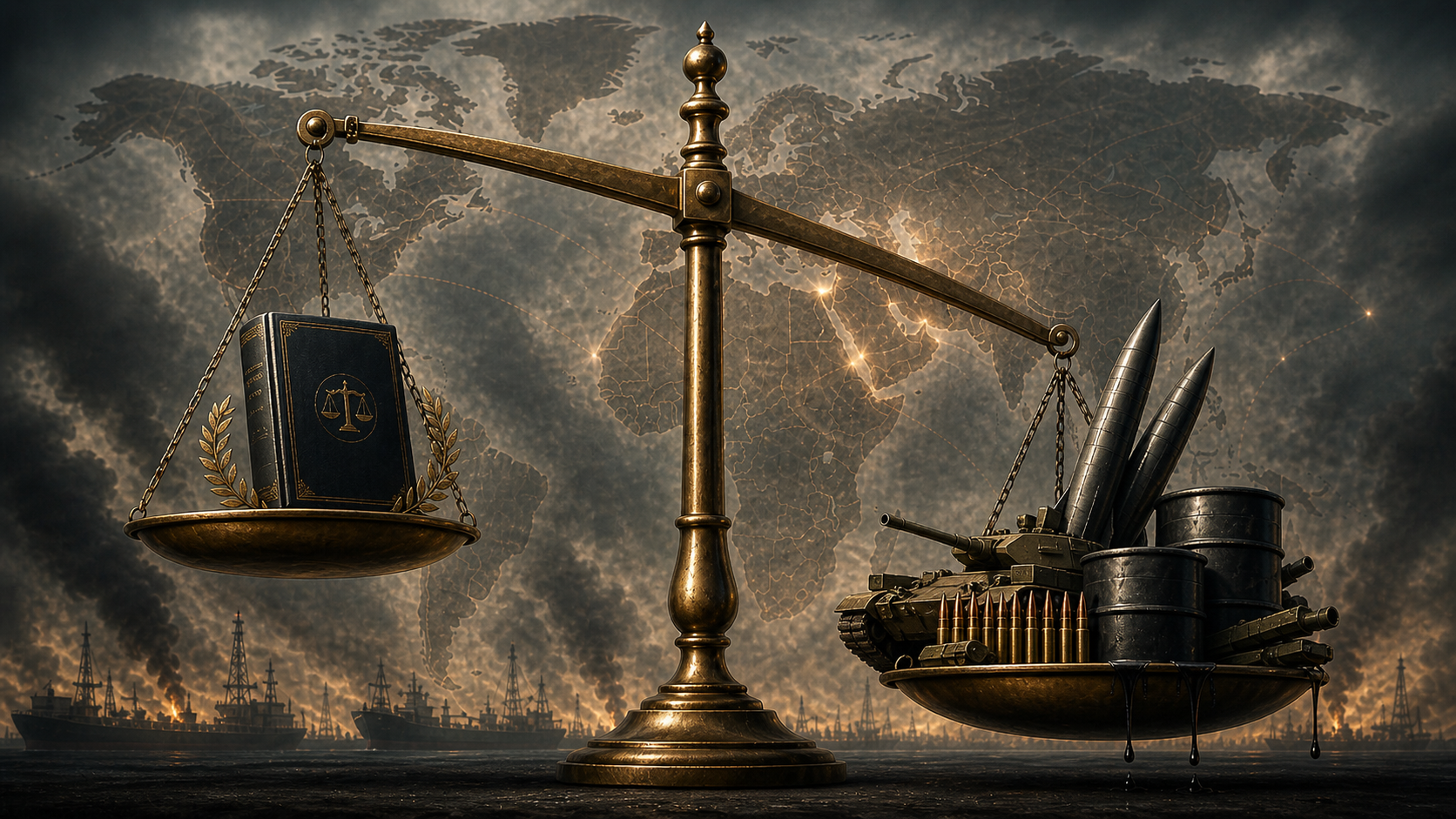
The world is expected to absorb the risk, pay the price and endure the uncertainty, while the governments responsible for escalation continue to describe themselves as guardians of stability. Stability cannot mean that a few powerful states create the crisis and everyone else is asked to admire their restraint. The unwillingness to end such conflicts is not a minor diplomatic detail. Peace too often becomes conditional on prestige, deterrence and domestic political calculation, while the rest of the world absorbs the consequences of decisions it did not make.
This does not make Russia and the United States equivalent. Lazy equivalence is the anaesthetic of bad thinking. But the Security Council’s moral credibility cannot survive if permanent status is mistaken for moral authority. Even the American presence in Europe, so often framed as a noble burden carried for historically ungrateful allies, deserves a more adult description. American bases in Europe are not acts of charity. They are instruments of power projection, logistics, intelligence and defence procurement. They allow the United States to move force, shape politics, anchor alliances and sell weapons inside a security architecture largely designed around American systems.
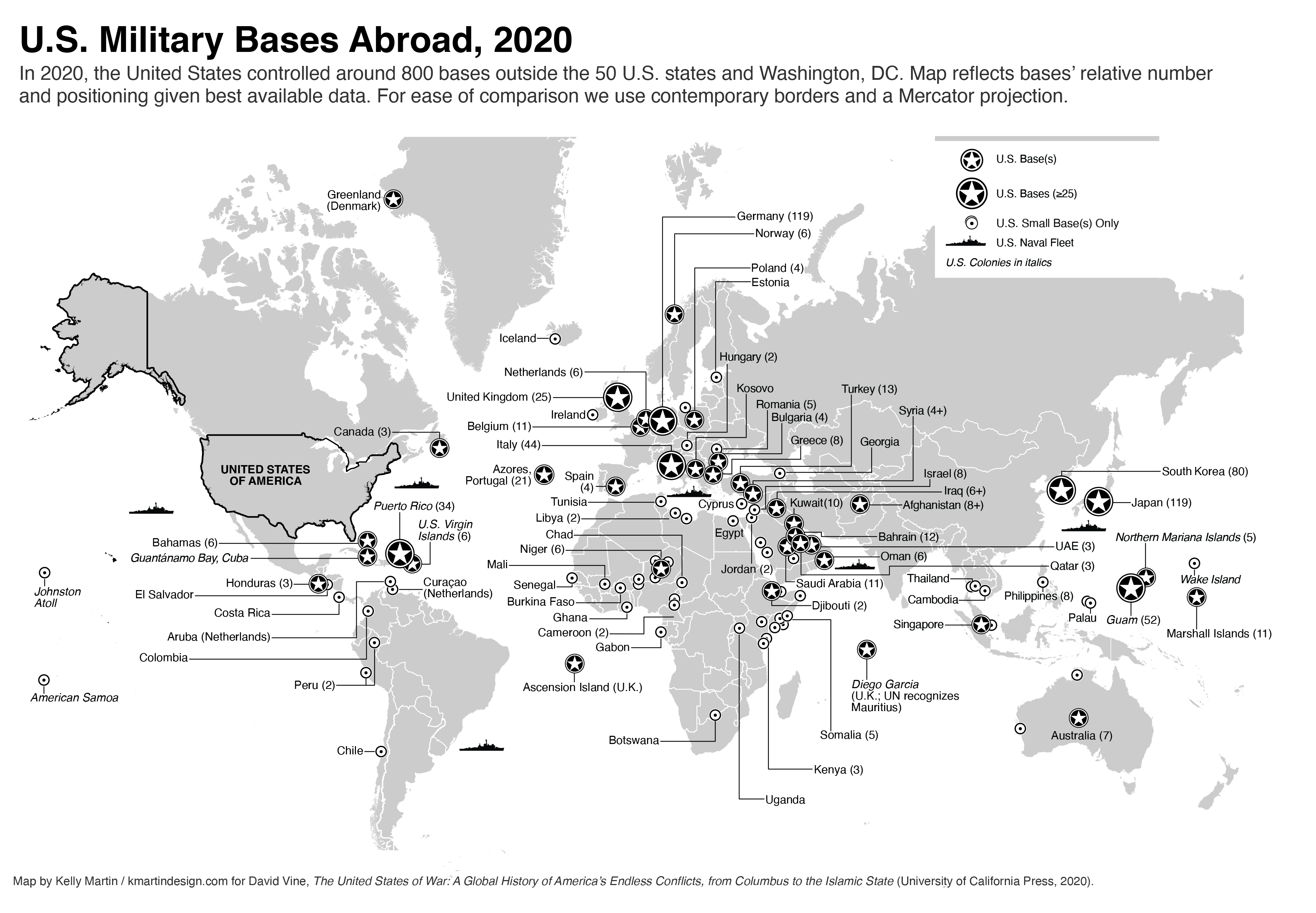
In other words, Europe did not merely receive American protection. It also hosted the infrastructure of American power. That small detail tends to disappear whenever the orange man performs its favourite little morality play about European gratitude. The United States benefited strategically, politically and economically from this arrangement. It gained reach, leverage, markets and dependency. So when American politicians speak as if Europe has been freeloading on an act of imperial charity, the strategic benefits of military bases, arms procurement and geopolitical influence should not be treated as minor accounting details.
That is not the main subject here, but it matters because it points to the same underlying issue: power likes to describe itself as responsibility. It prefers the language of burden, stability and order. It rarely says the quiet part aloud, which is that influence is the reward. China presents another version of the same contradiction: the language of sovereignty when useful, the practice of coercion when possible. France and the United Kingdom are less central to today’s disorder, but their permanent seats still reflect a world that no longer exists. They are survivors of an imperial order politely reupholstered as global governance.
This is why the anger from leaders outside the traditional Western power structure matters. When figures such as Brazil’s President Lula condemn the permanent members in brutally direct terms, they are not merely indulging in theatre against the West. They are naming a contradiction that much of the world has understood for decades: the global order is preached as universal, but administered with reserved seating. The problem is not the idea of an order based on rules. The problem is the gap between the slogan and the operating system. Real rules must apply upward as well as downward. Sovereignty cannot matter only when violated by rivals, and peace cannot be supervised permanently by states that reserve the right to break it.
Reform Is blocked by Design
The obvious answer would be to reform the Security Council itself. That is where the defect sits, and that is where it should be corrected. But the defect is protected by the very structure that would have to change.
The countries that hold the veto would have to approve reforms that weaken the veto. They would have to vote against their own privilege, surrender the instrument that protects them, and accept being treated like everyone else. There is no serious reason to believe they will do that voluntarily.
This is the trap. The Security Council is not merely difficult to reform. It is designed to let its most privileged members block the reform of their own privilege. A system built to defend equality cannot credibly do so when inequality is written into its highest chamber.
If Equality cannot be built Inside, it must be built Elsewhere
A Council of Equals would not ask states to leave the UN, nor would it replace the UN’s humanitarian work, development agencies, technical bodies or diplomatic forums. Those functions still matter and should remain part of the United Nations system. The problem is not the existence of the UN. The problem is the political paralysis created by a Security Council in which five states enjoy permanent privilege over everyone else.
Such a council would be a parallel political framework, not a rival to the UN. It would exist because of the UN Charter, not against it. Its members would remain UN members and continue to accept the obligations of the Charter. The difference would not be the legal foundation, but the willingness to attach consequence to it.
That matters because the Charter can be right while the Security Council is paralysed. If a permanent member or one of its protected allies violates the principles of sovereign equality, territorial integrity or the prohibition of aggressive war, the Council of Equals would not claim to overrule the UN. It would give willing states a way to act on the Charter when the Security Council refuses to do so.
The motivation for other states would be clear enough. Most countries are not permanent members of the Security Council. They have no veto, no reserved seat and no reason to accept an order whose most powerful chamber treats them as spectators when serious decisions are made. A Council of Equals would offer them political equality as a working principle, not as decorative language. For smaller and medium states, this would mean a forum where legitimacy is not rented from great powers, where violations of sovereignty are not filtered through the interests of five privileged capitals, and where common rules can be defended without first asking whether accountability is inconvenient to one of them.
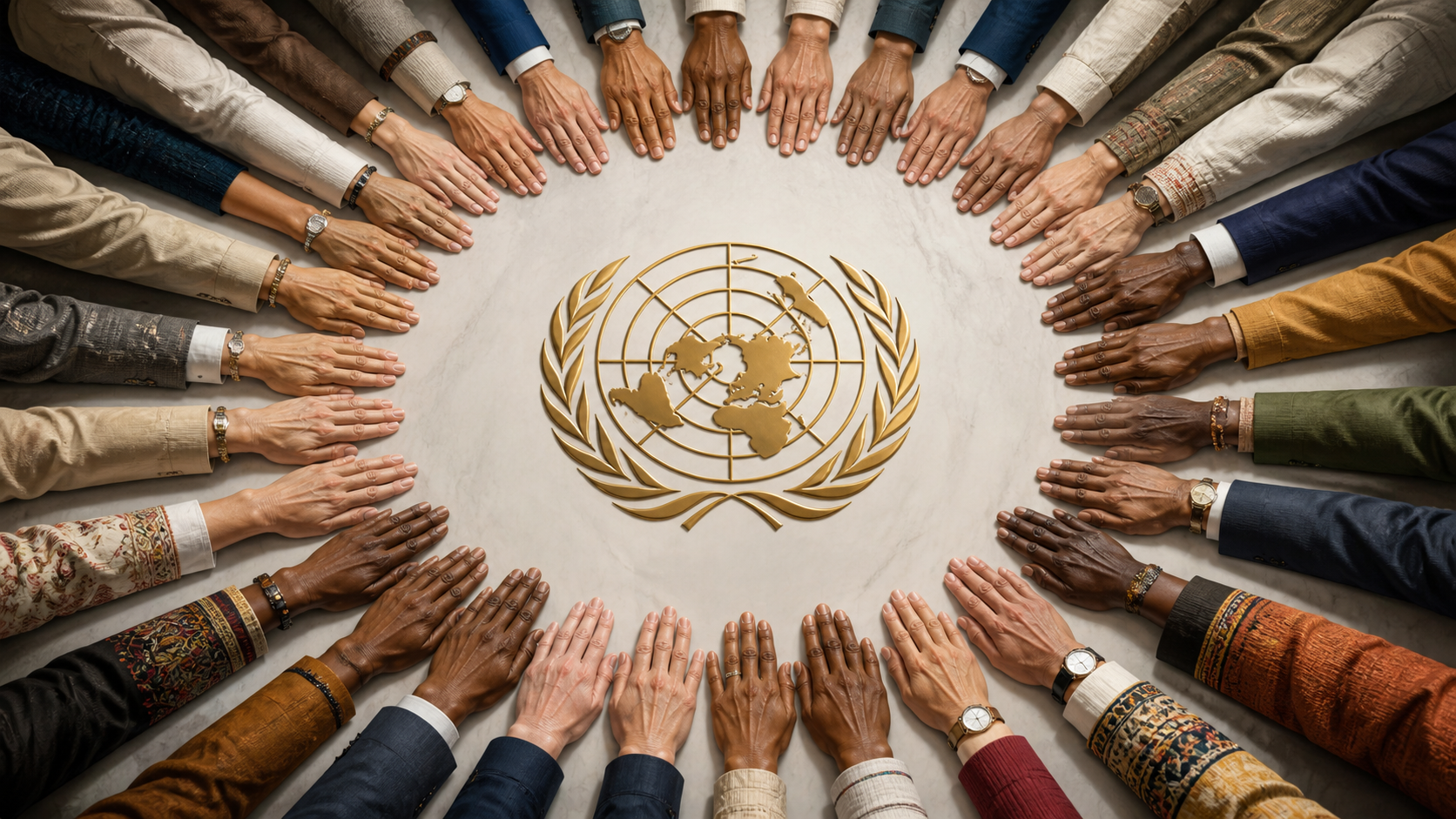
The incentive would not only be moral. A credible Council of Equals could allow willing states to make additional agreements that the UN, because of its internal blockages, often cannot produce with sufficient clarity or force. Trade, reconstruction, defence cooperation, sanctions coordination, technology partnerships and diplomatic recognition could be tied to a framework of equal accountability. Membership would signal reliability. It would say that a country accepts stricter rules, rejects imperial privilege and wants the benefits of an order based on rules without the hypocrisy of permanent exceptions.
The strategic task would therefore be to bring together states that represent real global weight: major economies, large populations, regional anchors, industrial powers, resource states and developing countries whose voice is usually diluted inside the old architecture. This coalition would have to include more than the usual Western democracies. India, Brazil, Japan, Canada, South Korea, Indonesia, Mexico, South Africa, Nigeria, the Philippines and many states across Asia, Africa, Latin America and Europe would matter because they represent different regions, different levels of development and different interests.
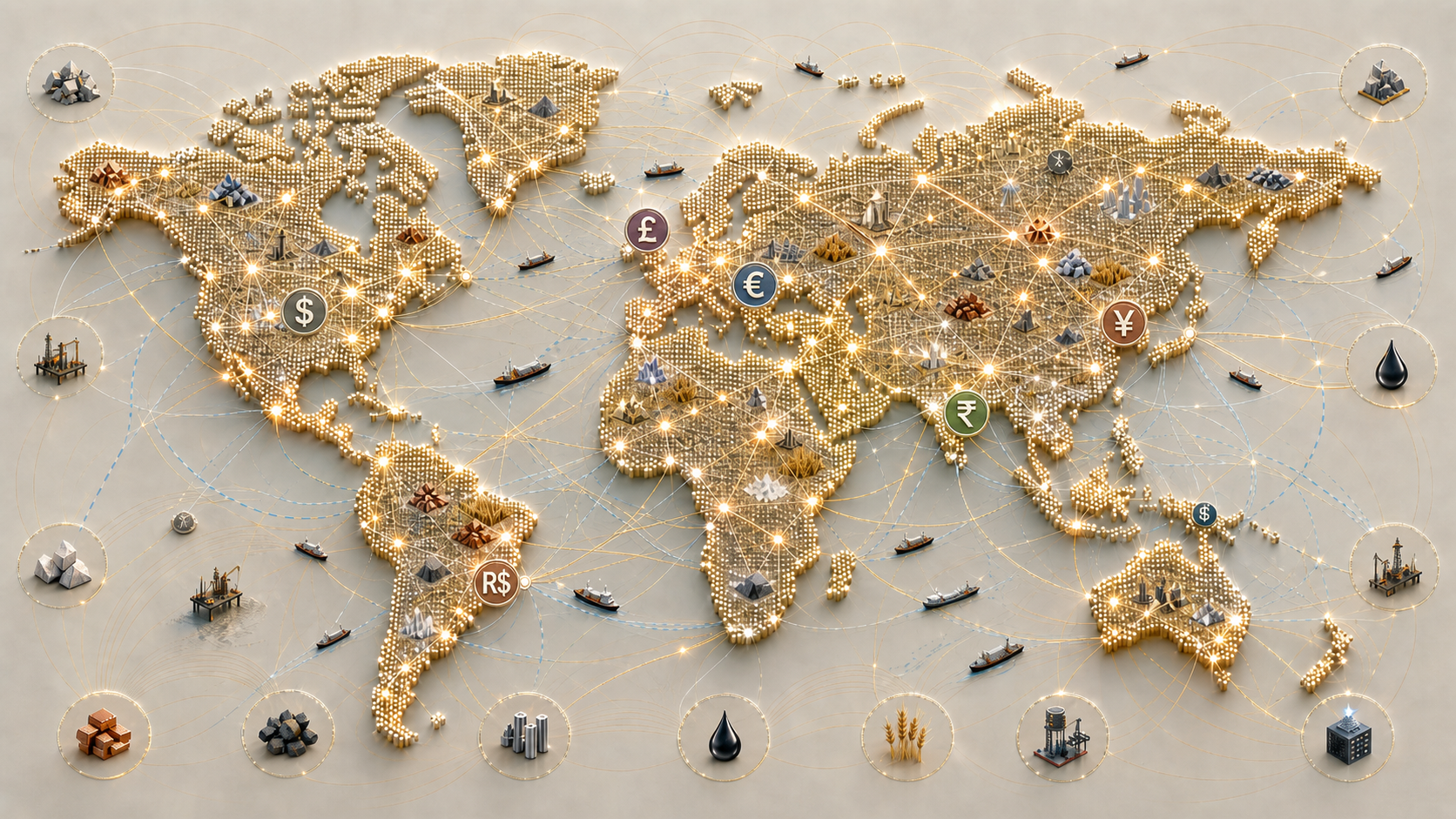
Countries with major energy resources, critical minerals, rare earths, metals, agricultural capacity and strategic transport routes would be essential as well. In the modern world, power is not only measured in aircraft carriers and central-bank balance sheets. It is also measured in lithium, copper, cobalt, oil, gas, grain, ports, shipping lanes and the ability to keep supply chains alive. The point would not be to create a moral boutique for the already convinced, but to assemble enough economic, demographic, industrial and resource-based mass that decisions taken by the Council of Equals could no longer be dismissed as symbolic protest.
Economic sovereignty would have to be part of the same logic. If resource-rich states joined a Council of Equals, they should not be expected to continue selling the foundations of the global economy exclusively through the currency of one privileged power. Energy, rare earths, critical metals, food, shipping access and strategic raw materials should increasingly be traded in the currencies of the countries that produce them, in regional currencies or through agreed currency baskets among participating states. Such a shift would have to be gradual and technically serious, because currencies need liquidity, convertibility, settlement systems, hedging instruments and trust. But the principle would be clear: the resources of the world should not automatically be priced, settled and politically exposed through the currency of the most powerful country.
Most importantly, such a council would change the logic of enforcement. In the current system, action against a permanent member is often politically dead before it even begins. If the United States, Russia or China violates the principles it claims to defend, the Security Council does not merely struggle to respond. It is structurally prevented from responding, because the accused power can block the consequences of its own behaviour.
That is the real poison of the veto. It does not only stop resolutions. It discourages the very act of bringing them forward. Why invest political capital in a motion that the offending power can kill before the world has even finished debating it? The result is not restraint, but submission dressed up as procedure. The Charter’s Silence names the symptom, not the disease. The Charter is not silent. States are silenced by the veto. It turns law into theatre by making nations hesitate exactly when justice should speak.
A Council of Equals would remove that escape hatch. If a powerful state violated agreed rules, whether through aggression, coercive economic measures, illegal territorial claims or the deliberate breach of international agreements, the matter could be brought before the council. If a qualified majority agreed, consequences would follow: coordinated sanctions, suspension of privileges, limits on trade benefits, diplomatic downgrading or exclusion from common programmes. The point would not be symbolic condemnation, but the restoration of consequence. Without a veto, even a major power could no longer assume that its own importance is enough to protect it from accountability.
Such an organization should still be designed with a return path. If the United Nations ever becomes willing to reform its own power architecture and create a genuinely equal chamber without vetoes, the Council of Equals could transfer its principles, mechanisms and political weight back into that renewed framework. In that sense, it would be a pressure instrument with an exit clause: build outside what is blocked inside, and reintegrate it if the old institution finally becomes capable of reform.
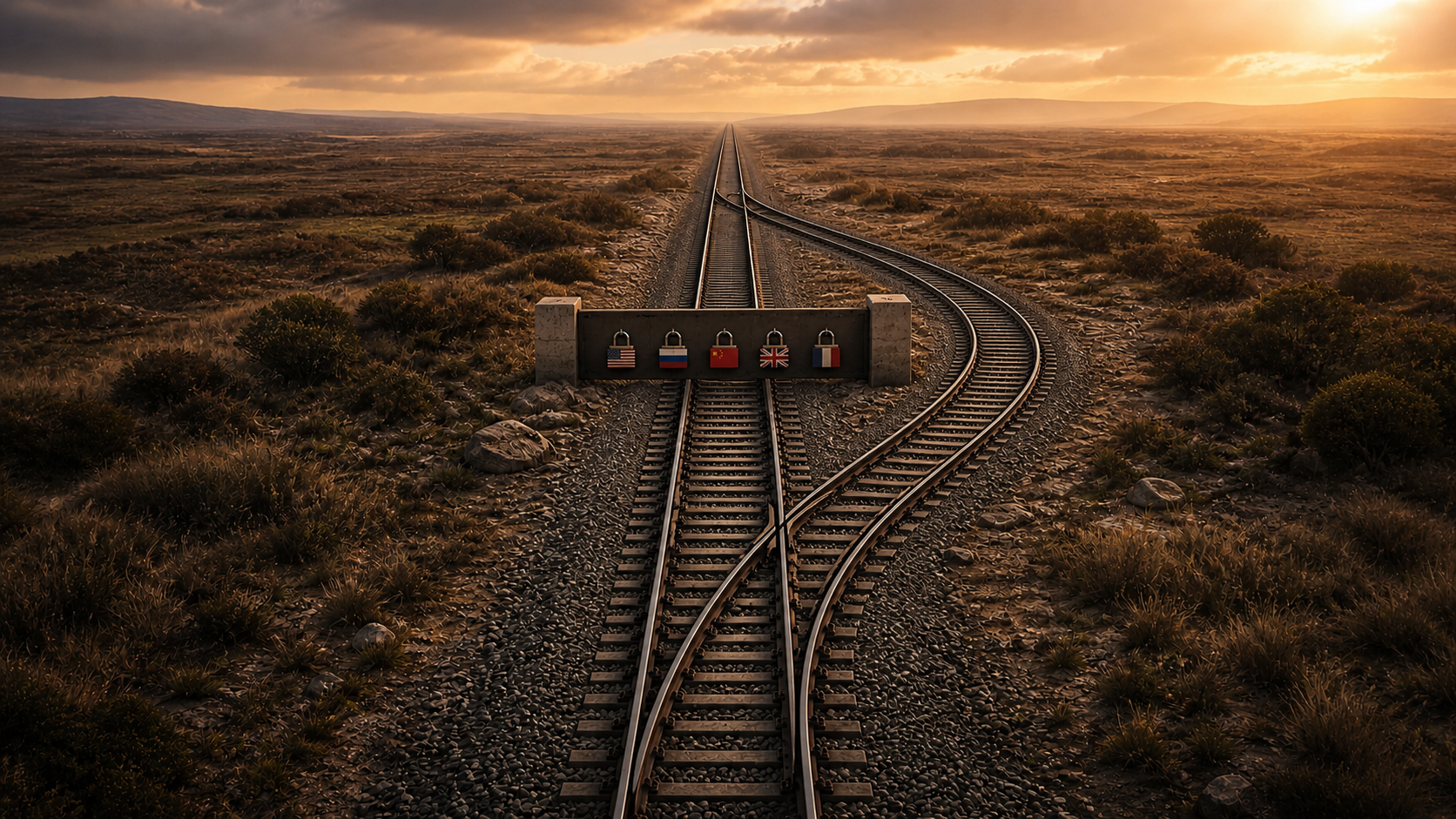
That is not a detailed blueprint, and it should not pretend to be one. The essential idea is simpler. The Council of Equals would create a visible distinction between states willing to live under common principles and those that prefer to lecture from above them. States that accept equality would receive the benefits of equality, while states that insist on imperial privilege would discover that privilege has a price. This is not naïve idealism. It is strategic pressure.
The Fire Extinguisher belongs to Everyone
The deeper question is whether the world still believes in the premise of the UN Charter, not as ceremony or diplomatic wallpaper, but as a real political idea. If it does, then the permanent veto has become indefensible. The veto may have been necessary in 1945, but necessity should not be mistaken for eternal wisdom. Empires have collapsed, former colonies have become major nations, and war itself has evolved into drones, cyberattacks, proxy forces, sanctions and economic coercion. Yet at the centre of global peace and security, five states still sit with a privilege designed for a dead world.
That privilege is not merely unfair. Unfairness is almost too small a word. It is corrosive. It tells the rest of the world that law matters, but not equally. It says sovereignty is sacred, unless a permanent member has a theory. It says aggression is unacceptable, unless accountability runs into procedure. It says peace is universal, but supervision is hereditary.
The United Nations does not need to die. Its humanitarian work, development agencies, diplomatic forums and technical institutions still matter. But the world should stop pretending that its most powerful room can credibly defend equality while being governed by permanent exception.
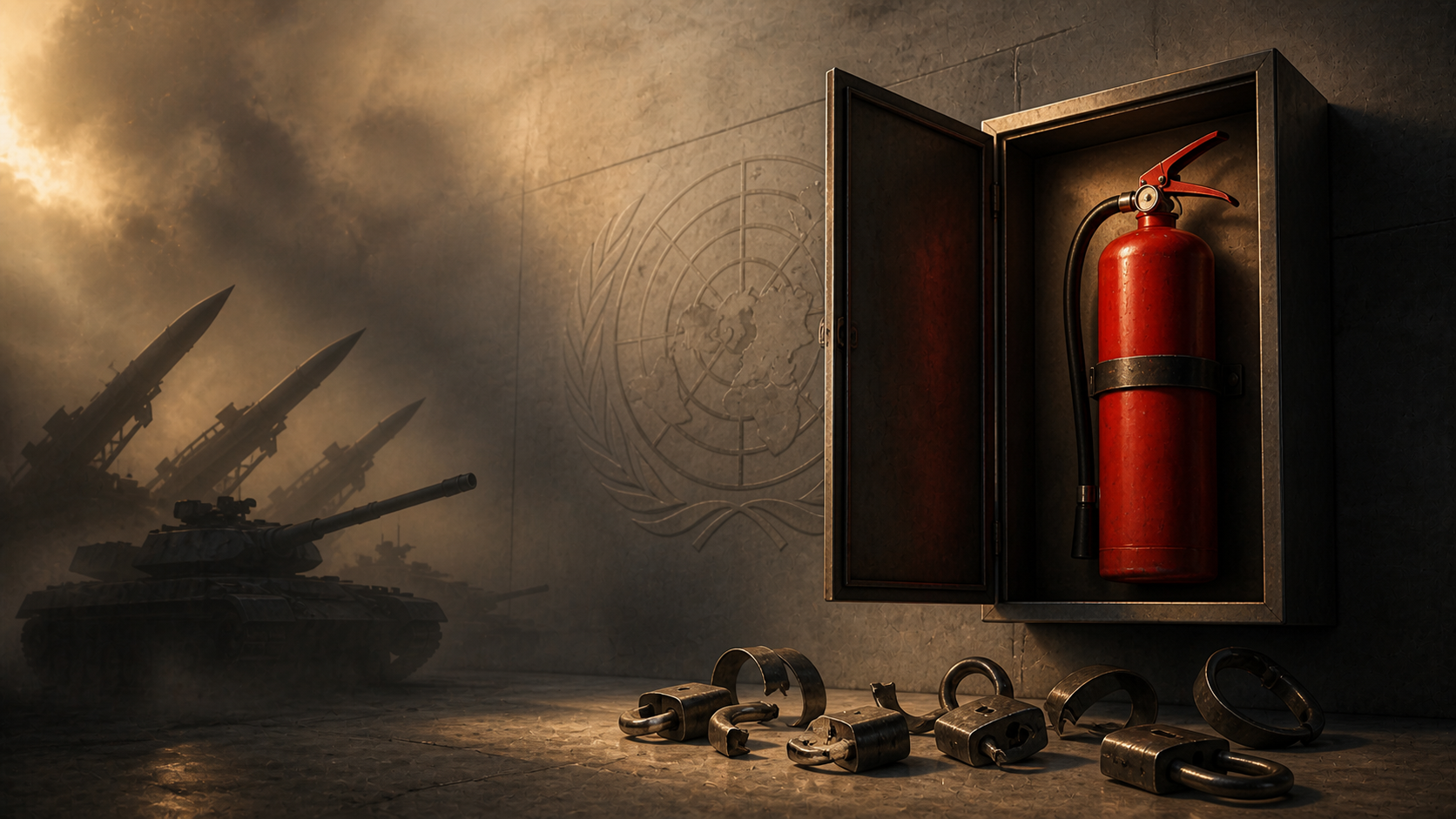
Peace cannot be built by granting special privileges to the powers most capable of breaking it. The fire extinguisher belongs to everyone, not to the lords of war.
But then again, what do I know? I am not a professional in the noble art of geopolitics, where moral clarity is usually the first casualty of procedural sophistication. Perhaps that is an advantage. How about a little common sense and humanity? It may still be preferable to another elegant explanation for why justice must wait.
Just my stupid five cents.
//Alex
 alexreusch