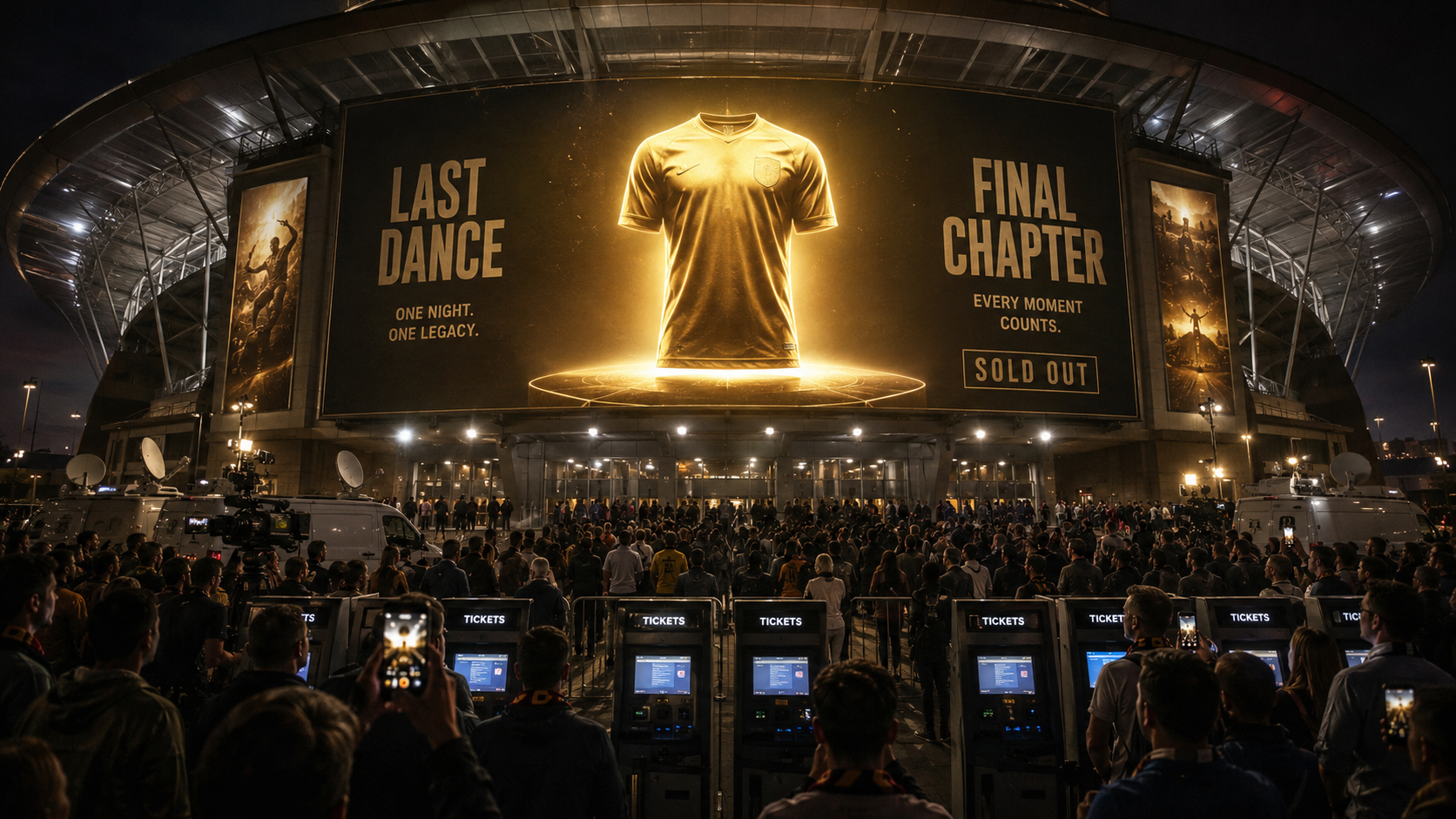
There will be a powerful temptation at the 2026 World Cup to believe in names rather than evidence. Lionel Messi may be there. Cristiano Ronaldo almost certainly will be there. Neymar may still convince Brazil that the body is merely an administrative inconvenience. Around them are other grand late-career exports of European football: Riyad Mahrez, Sadio Mané, Yassine Bounou, perhaps James Rodríguez, and several others who once shaped the highest level of the club game and now perform in more comfortable surroundings.
They will sell tickets, fill broadcasts and give commentators a reason to say “One Last Dance” with the solemnity normally reserved for constitutional crises. In the right group-stage match, against the right opponent, on the right evening, some of them may still look magnificent. That is precisely the trap.
The question is not whether these players are still technically gifted. Of course they are. Talent does not disappear because a man signs in Miami, Riyadh or Jeddah. First touch, vision, timing, instinct, finishing and the little thefts of space that made them great can survive much longer than acceleration, recovery speed and the ability to live inside a match played at full violence for 90 minutes. The problem is not that they have forgotten how to play football. The problem is that football at the very top no longer politely waits for genius to arrange itself.
For years, these players operated inside the hardest club environment in the world. European elite football, especially the Champions League, is not just a stage. It is a weekly audit. It measures legs, reactions, intensity, decision-making under pressure and the rather unfashionable ability to repeat all of it three days later. You do not merely play there. You are tested there, exposed there, corrected there. Every loose touch becomes a counterattack. Every slow recovery run becomes a tactical problem. Every luxury must be paid for by ten other men.

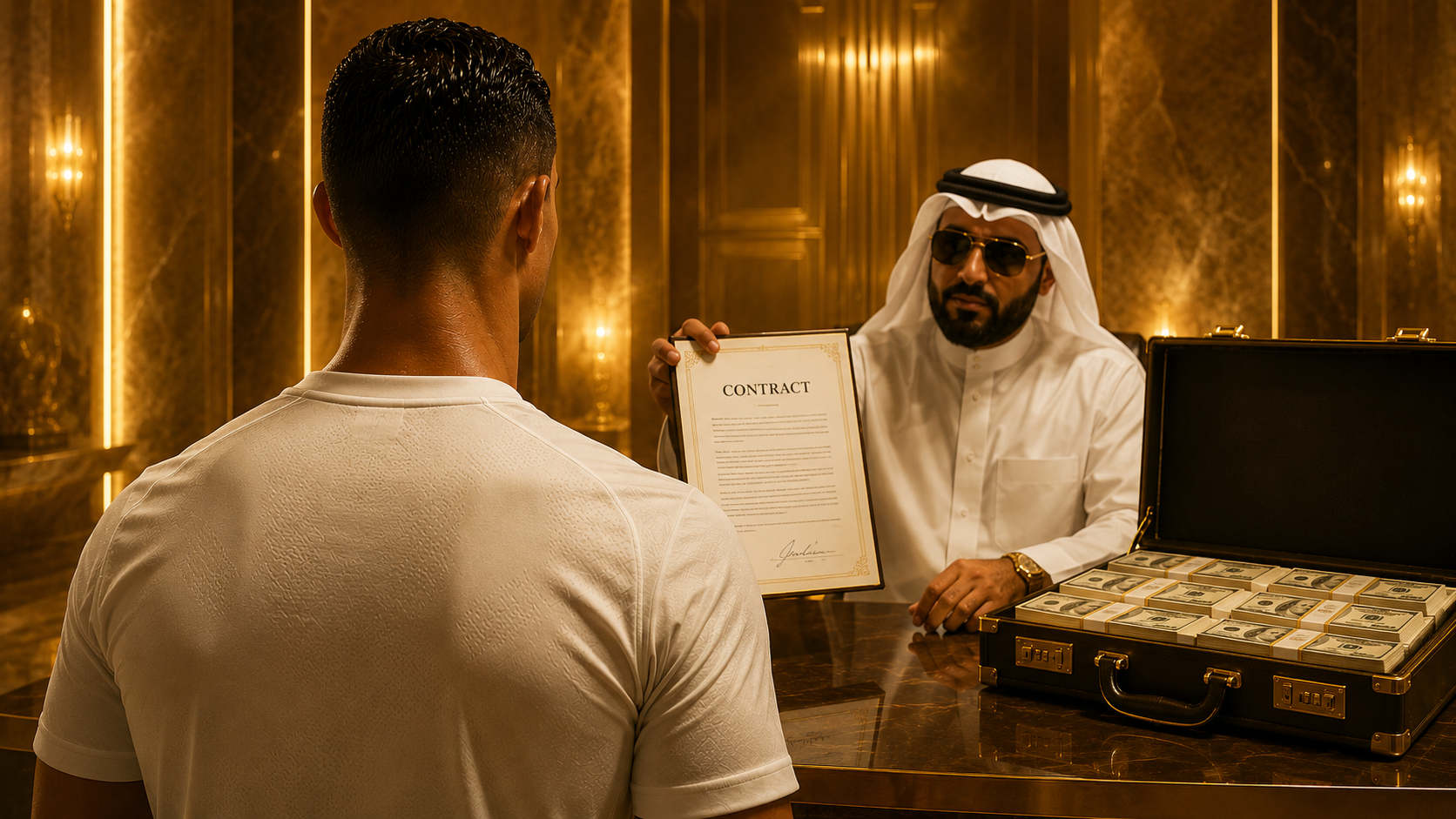
That is the environment many of these stars have now left behind. And let us not pretend the move was primarily about sporting discovery. They left the European pressure cooker for a simpler reason: the money in minor leagues was irresistible, the pressure was lower and the final chapter could be written on very expensive paper. Fair enough. Most of them have earned that privilege. But a golden contract is not proof that the player still belongs at the sharpest edge of the game.
That distinction matters. This is not a moral argument. It is a sporting one. A player can still look magnificent in a softer league, against looser defending and slower collective intensity, while quietly losing the conditioning that elite football demands. The name remains. The touch remains. The mythology remains. The weekly audit disappears. And when that audit disappears for long enough, the illusion becomes easier to maintain.
It does not mean they were finished when they left Europe. That would be too easy and not entirely fair. Messi and Ronaldo are special cases, because ordinary aging curves have never applied to them with much dignity. Neymar, when fit, still owns more pure football imagination than most national teams can assemble collectively. Mané, Mahrez and others still have moments that look effortless because, in their minds, the game remains slower than it is for everyone else. But there is a difference between still having the tools and still living at the level where those tools decide the biggest matches.
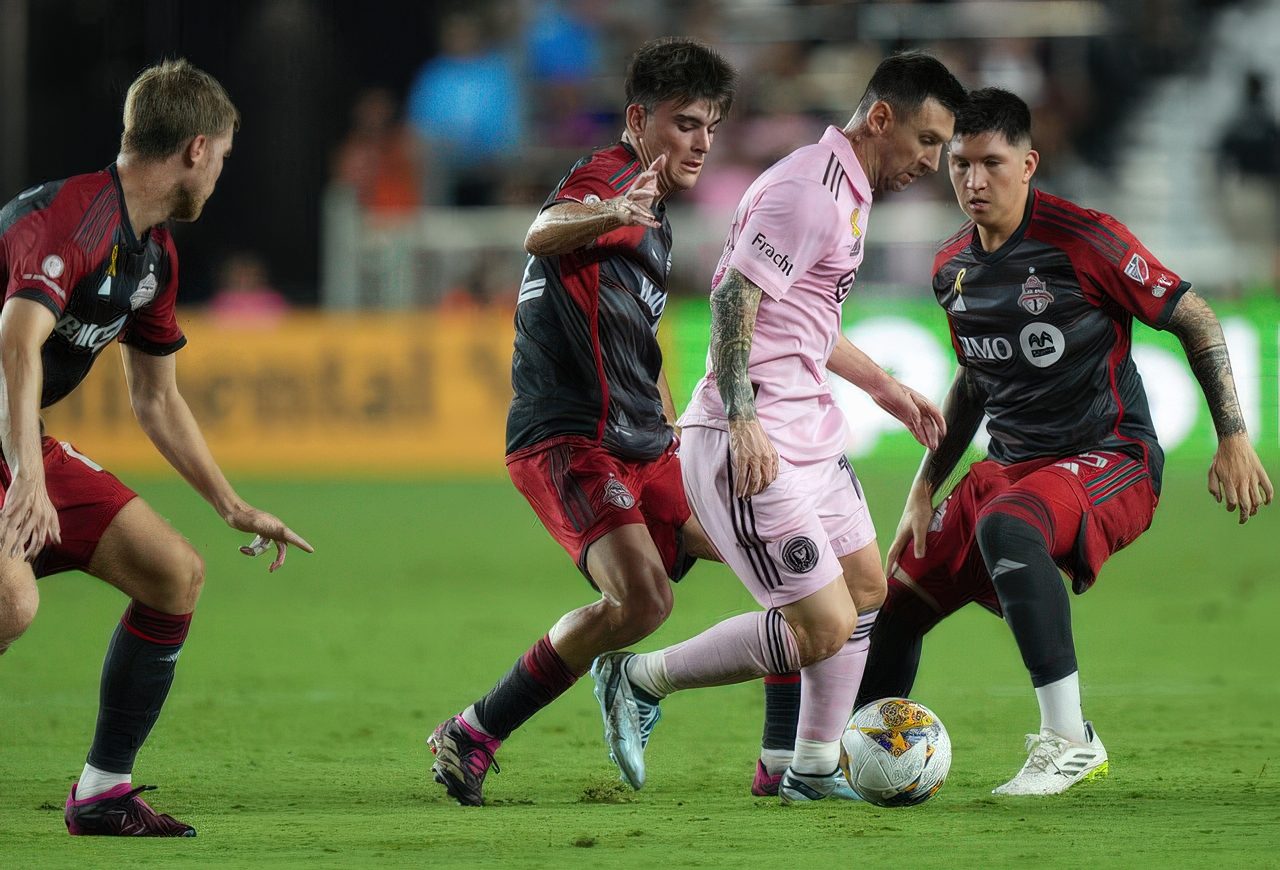
In Major League Soccer or the Saudi Pro League, the weekly environment is simply not the same. The spaces are larger, the defensive reactions are looser, the collective intensity is less unforgiving. The game can become more episodic, more forgiving, more arranged around moments. A great player with declining legs can still look like a sorcerer there because the league often gives him the one thing elite European football no longer gives willingly: time. Time to receive, turn, scan, conserve energy and choose his moment. At a World Cup, especially once the serious teams arrive in the knockout phase, time becomes contraband.
That is where the romance becomes dangerous. A federation, a coach, a fan base and an entire television economy can convince themselves that the old name still contains the old solution. It rarely does. The player may still produce a free kick, an assist, a penalty or a perfect pass in the 62nd minute against a nervous underdog. He may still give the tournament its poster. He may still make the group stage feel like a museum with live exhibits. But carrying a team through the hard end of a World Cup is something else. That requires not only brilliance, but repeated physical relevance.
The 2026 format will help preserve the illusion. With 48 teams and 104 matches, the tournament has been stretched into something FIFA will no doubt describe as inclusive, global and historic, because “larger commercial inventory” sounds less poetic. The expanded field means more mismatches, more uneven group-stage games and more opportunities for famous older players to dominate opponents who would not survive long in the upper reaches of European club football. Against those teams, Messi may still float. Ronaldo may still punish. Neymar may still decorate the match with touches that make everyone briefly forget the medical file. But that is not the title race. That is the brochure.
The tournament starts properly when the margins shrink, when the pressing becomes coordinated, when defenders no longer admire the name on the shirt, when midfielders bite into every second ball and transition speed turns nostalgia into a liability. From the round of sixteen onward, and certainly from the quarter-finals, the World Cup becomes less interested in farewell poetry. It asks a much colder question: can you still decide this match against players who are younger, faster, sharper and still conditioned by the weekly brutality of elite football?
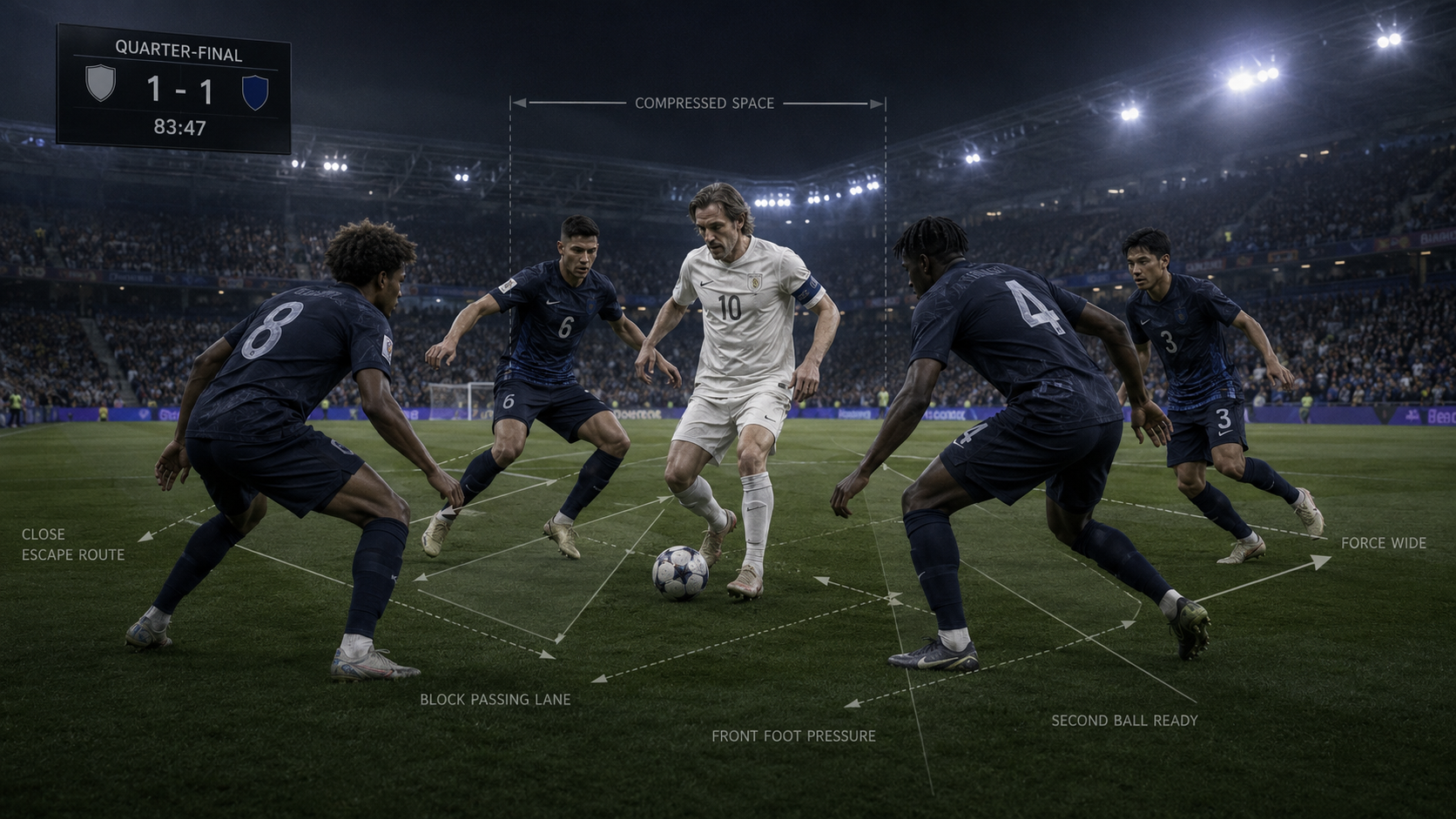
For many of the late-career superstars now outside Europe, the honest answer is probably no. This does not make their careers smaller. Quite the opposite. It is precisely because they were so great that the decline is hard to discuss honestly. We do not like watching legends become situational weapons. We prefer to pretend that aura still presses, memory still tracks runners and commercial gravity still wins duels. It does not. A World Cup does not care what a player did in 2014, 2018 or even 2022. It does not reward memory, mythology or commercial usefulness. It asks only what is left now, after an hour, under pressure, against an opponent with no interest in helping complete the farewell film.
The old superstars will matter to fans, broadcasters, sponsors, ticket platforms and every camera operator hunting the reaction shot. They may even decide a match. But deciding moments is not the same as deciding a tournament.
The last dance will sell. The last fight will expose.
Just my irrelevant five cents.
//Alex
 alexreusch