
There is a moment in Switzerland when spring does not gently turn into summer. It switches. One week the country still behaves with seasonal caution. The trees are in bloom, the fields are green, the evenings are longer, but everyone still carries a mental jacket somewhere in the back of the mind. Then the forecast changes. Suddenly there is a row of sunny icons and thirty-degree days, and the question is no longer whether summer is coming, but which body of water will be used first.
The shift can feel almost abrupt. The lake stops being something to look at and becomes something to enter. The Limmat, which had been flowing through the city all along, suddenly turns from scenery into part of the evening plan. After months of restraint, the city begins to move differently. People stay outside longer, tables fill, the air changes, and ordinary weekdays start to contain the possibility of a swim.
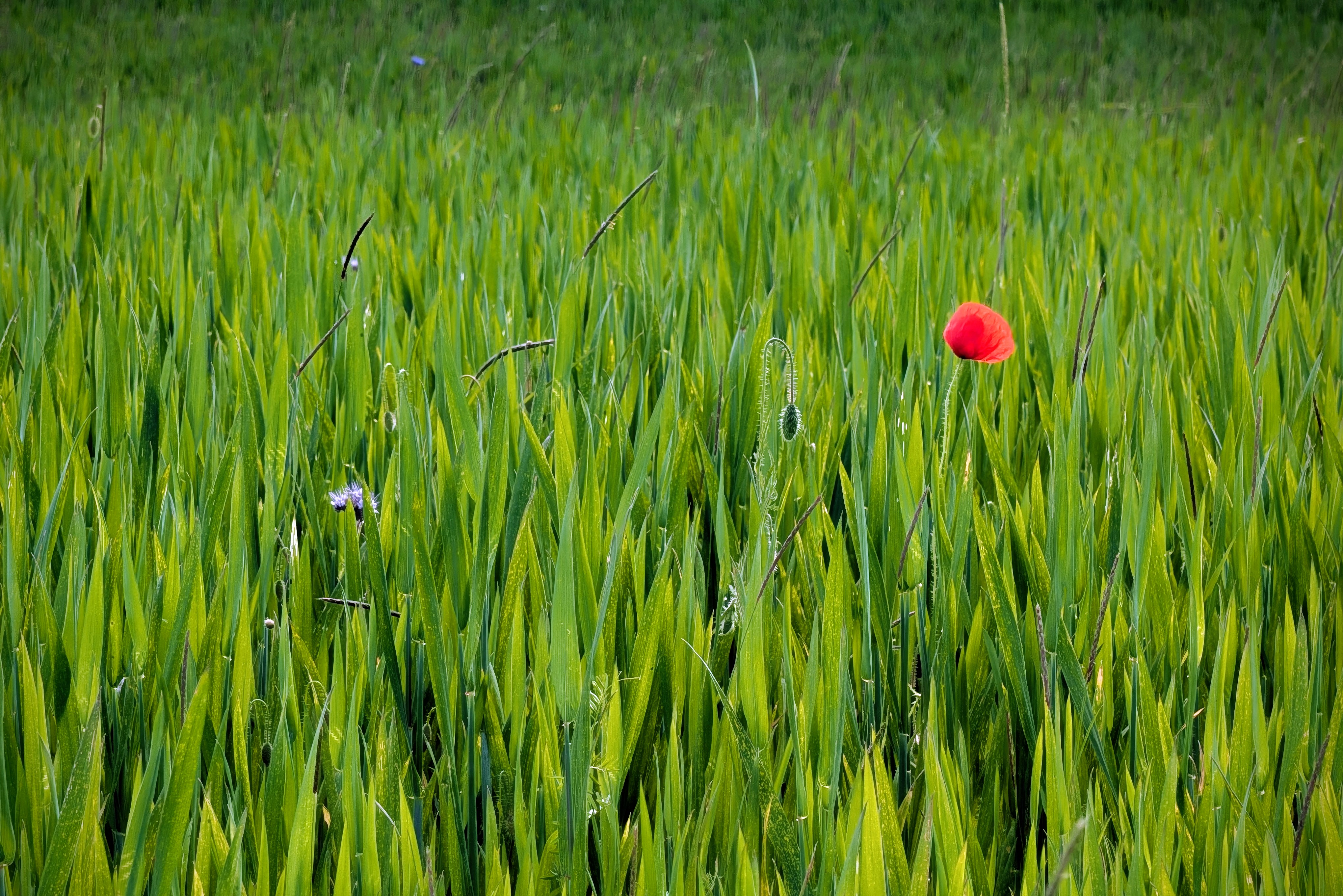
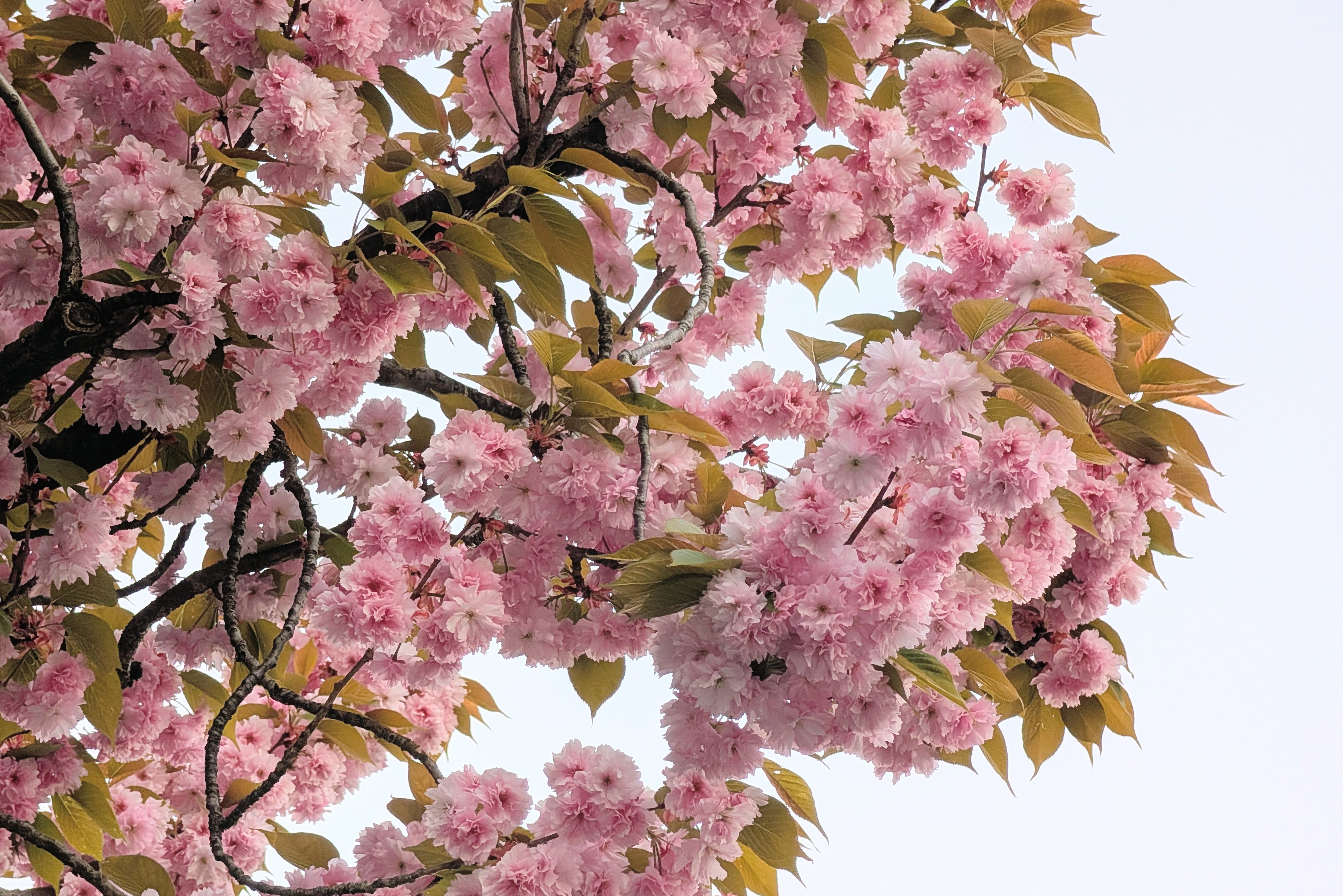
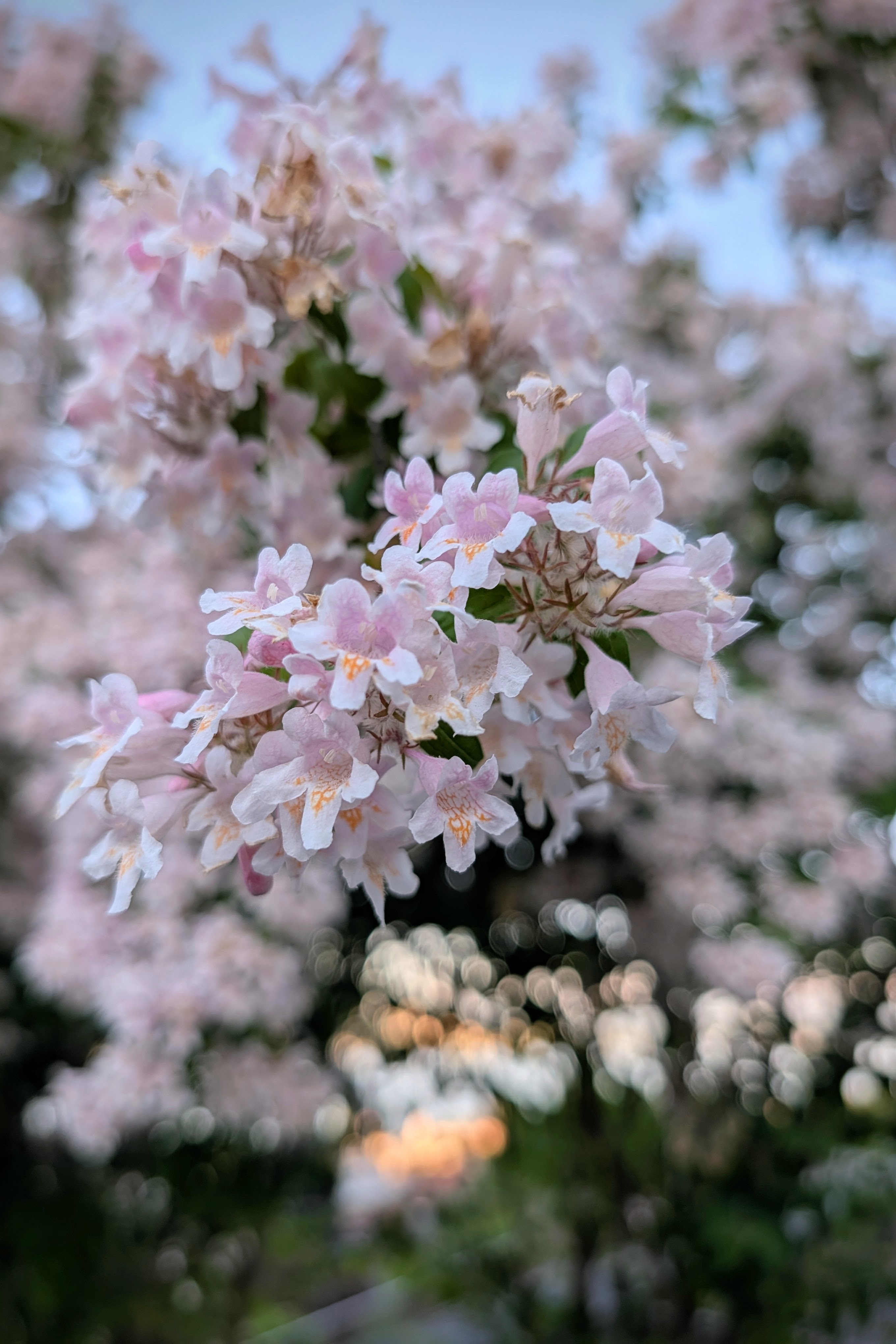
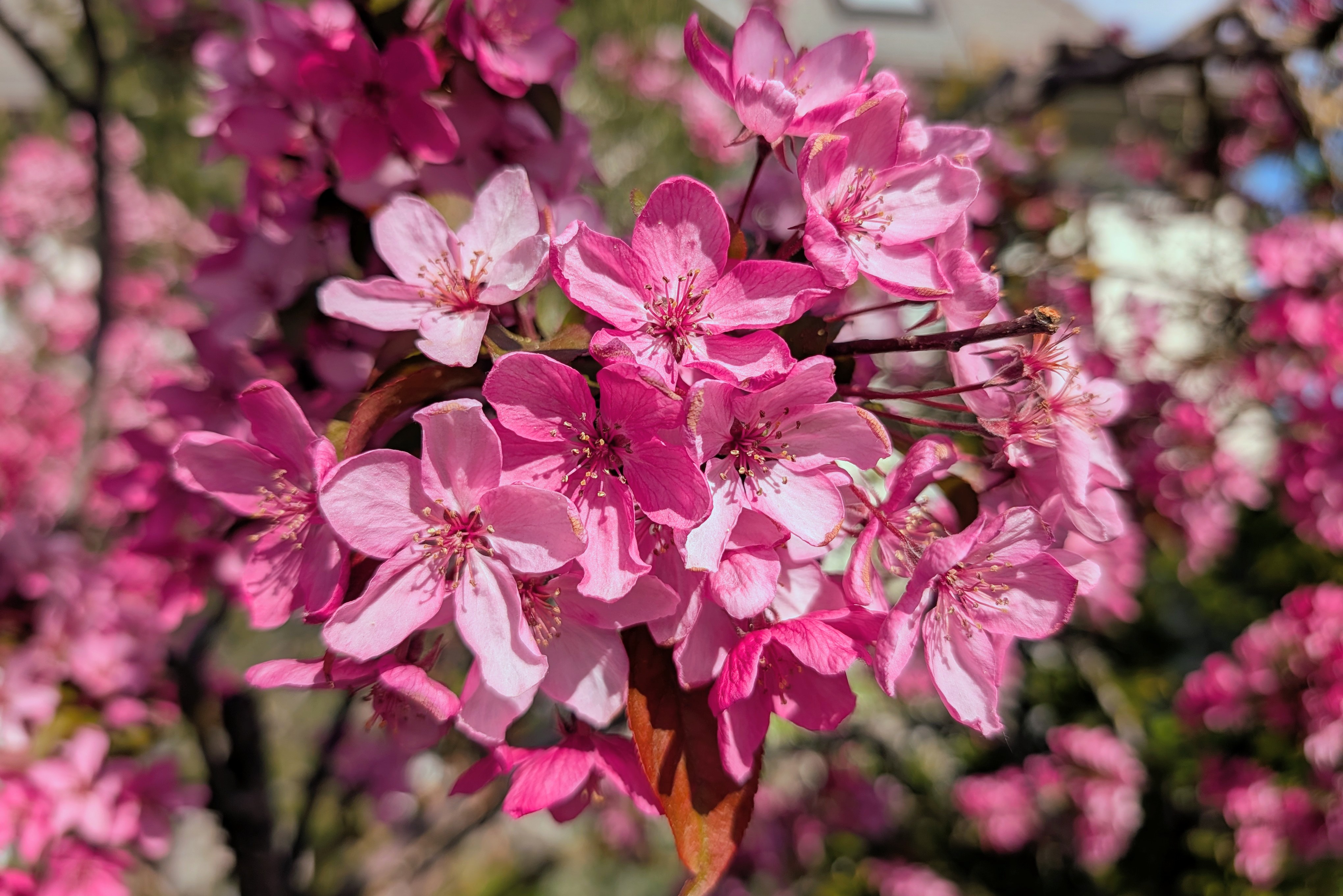
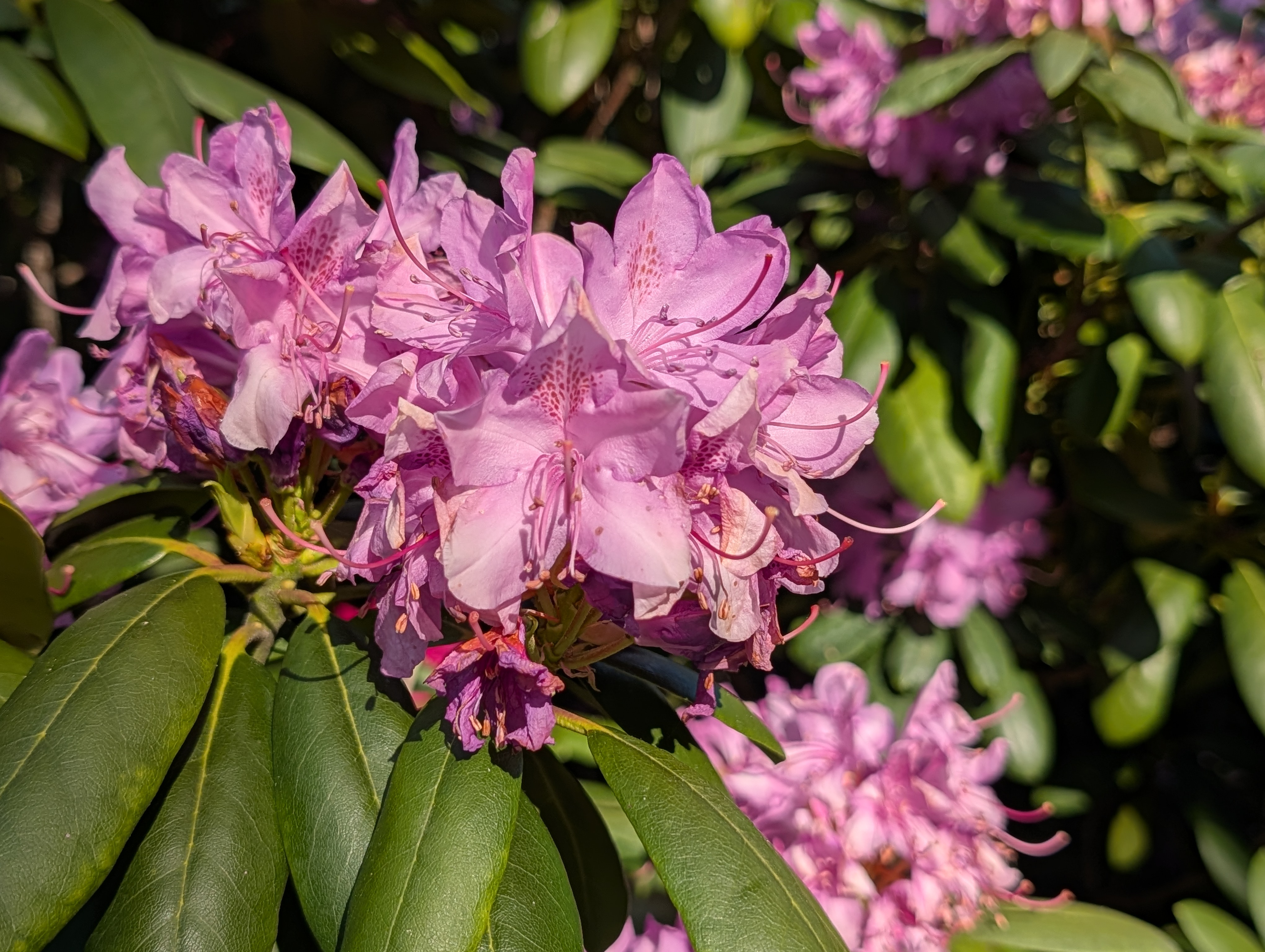
Before the water takes over, the landscape has already announced the season. Cherry blossoms: check. We have them too. We just do not turn them into a national ceremony. They quietly appear along streets and from neighbours’ gardens, leaning over fences for a few perfect days before vanishing again without demanding a festival, a hashtag or a philosophy. Around the same time, the fields turn greener, the trees fill out, and the meadows around the city begin their own casual performance: clover, daisies, poppies, high grass, light moving over everything. Switzerland may have a reputation for moderation, but late spring is not where it earns it. For a few weeks, the country becomes unexpectedly generous with colour.


And once that happens, Zurich becomes almost unfair. Not because it is the biggest city, or the loudest, or the most dramatic. It is none of those things, and would probably feel uncomfortable if accused of excessive drama. Zurich’s summer strength lies elsewhere. It combines things that usually refuse to coexist: the international atmosphere of a serious city, the intimacy of a village, the convenience of a place that can be crossed on foot, and a landscape so casually beautiful that it often seems almost unreasonable.
That is the little-big-city charm. Zurich has the banks, the headquarters, the restaurants, the international visitors and the faintly global tone of a place that belongs to the wider world. But it also has neighbourhoods where you recognise the same faces, streets that lead from office to riverbank in minutes, and a city centre so compact that “going across town” can mean walking for fifteen minutes and complaining about one hill.
In winter, this compactness can feel severe. In summer, it becomes one of the city’s great advantages. Tables move outside, people linger, conversations stretch, and the evening refuses to end at the sensible hour assigned to it by calendar logic. Zurich, that efficient machine for producing meetings, invoices, trams and quiet prosperity, remembers that life is also allowed to take place outdoors.
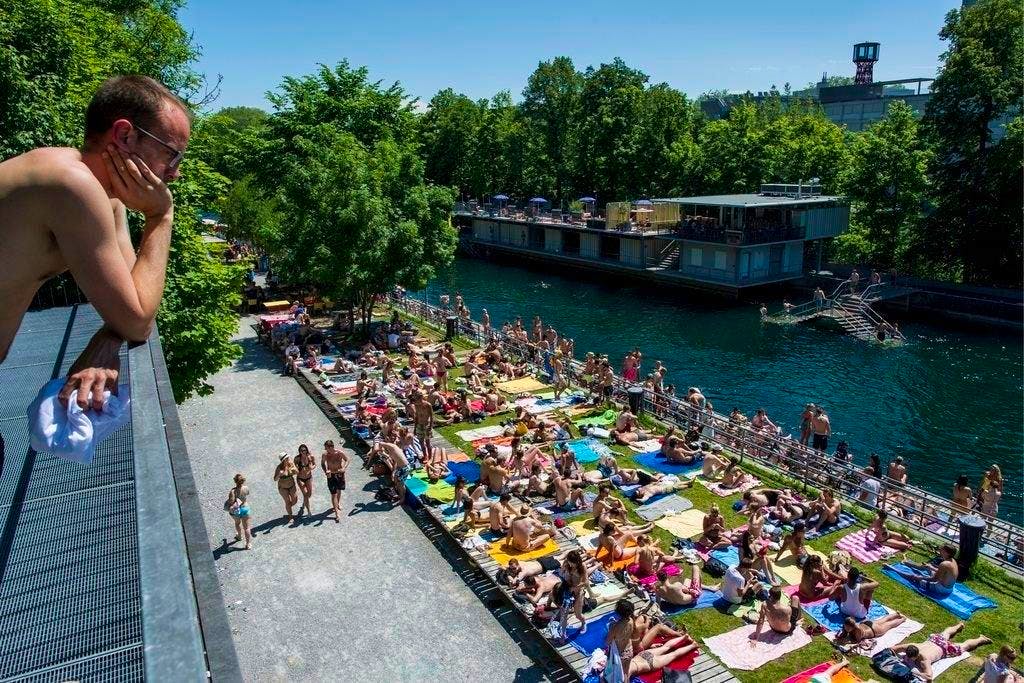
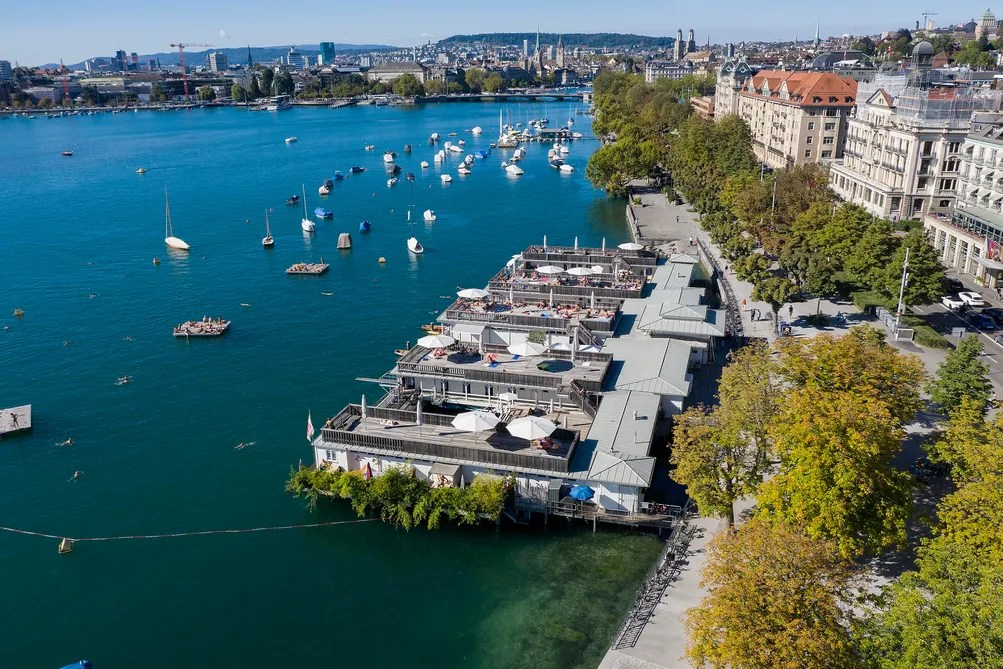
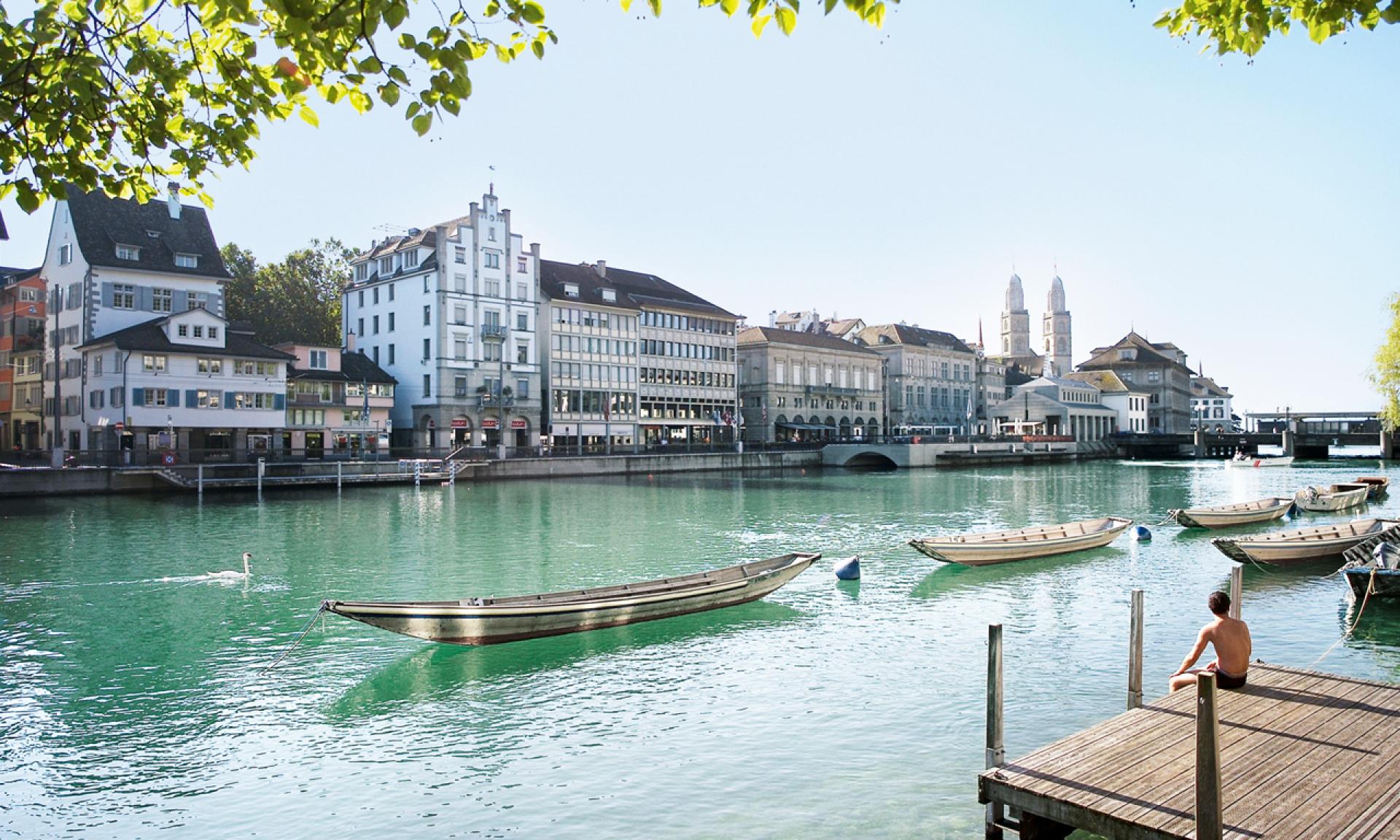
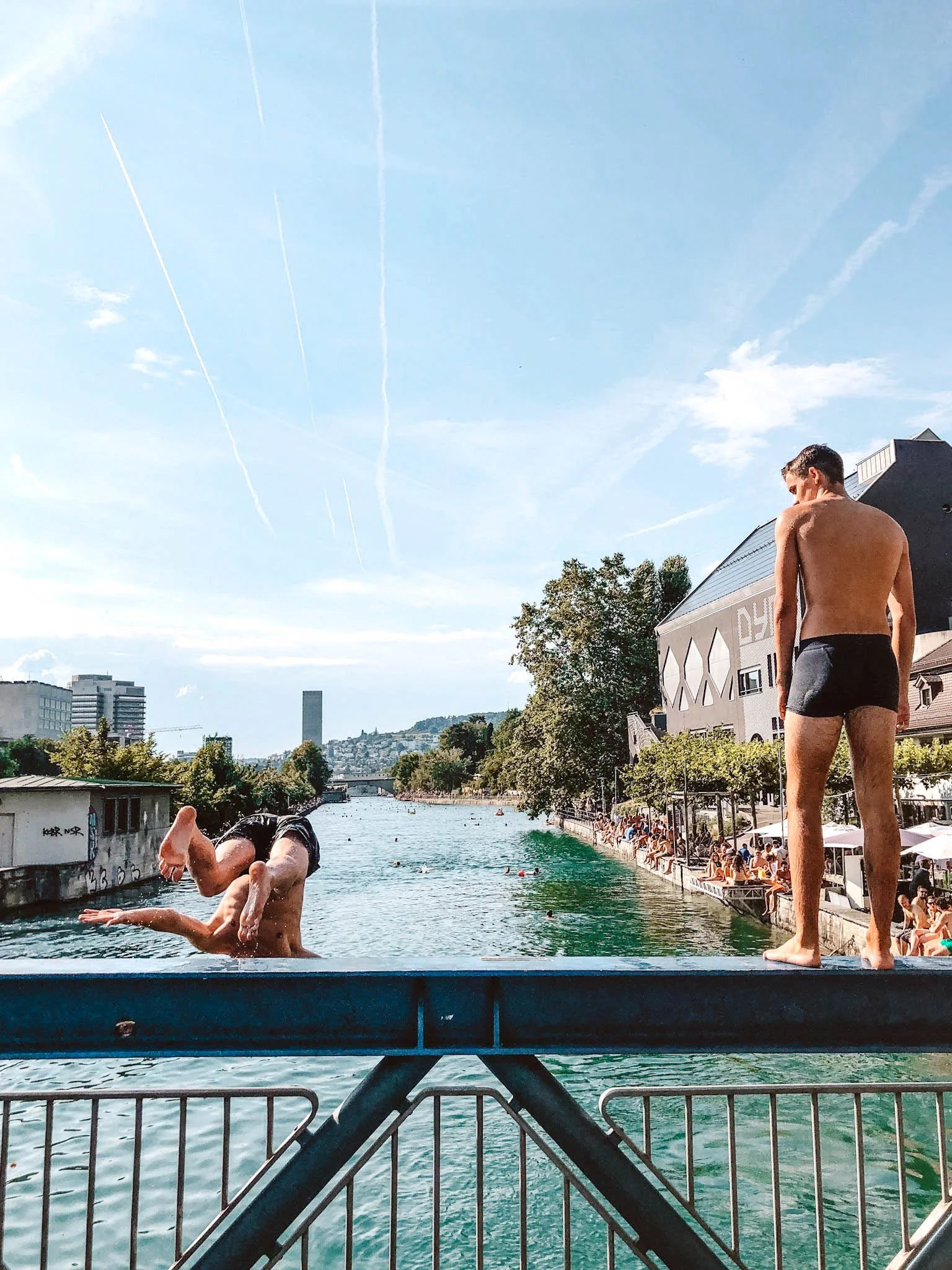
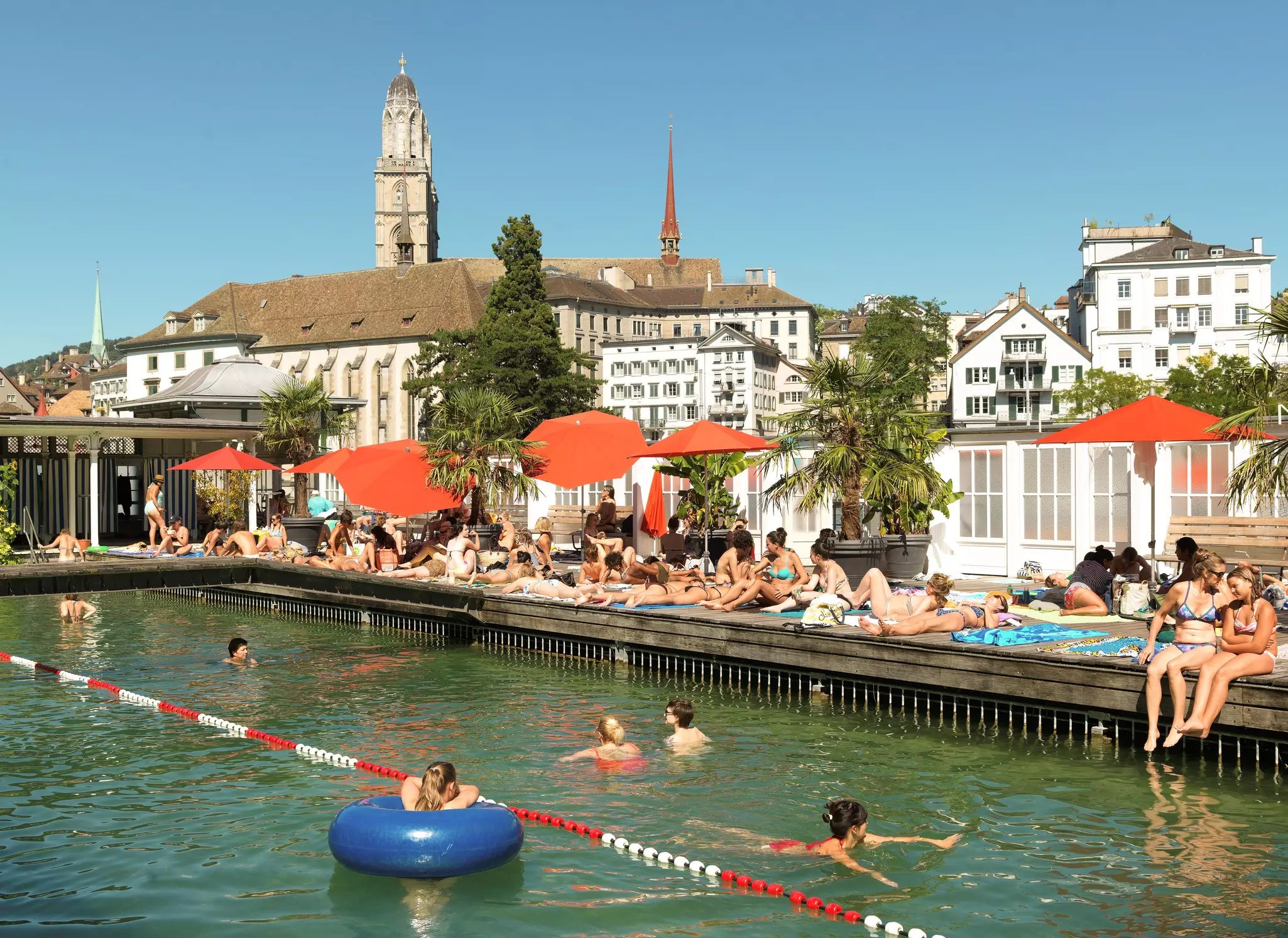
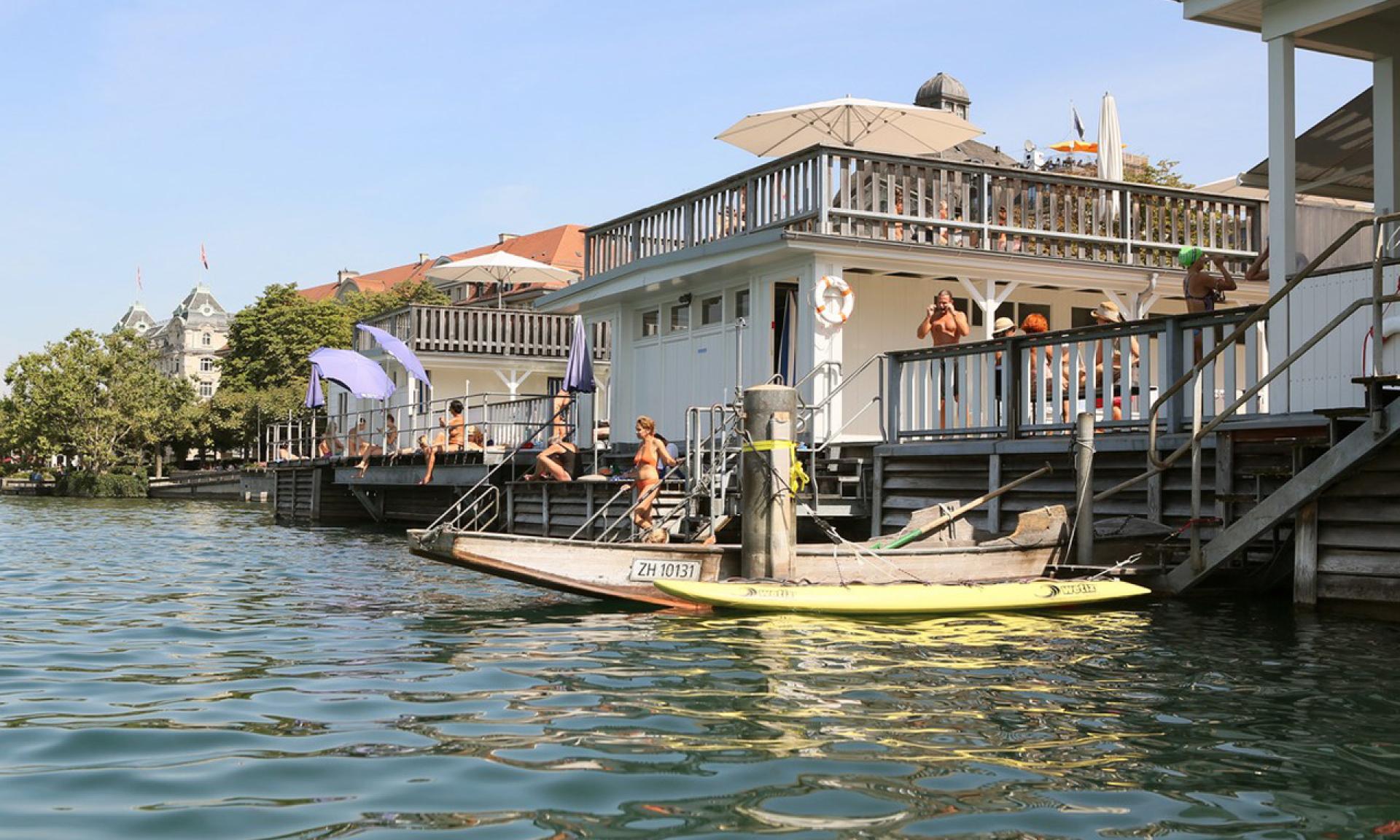
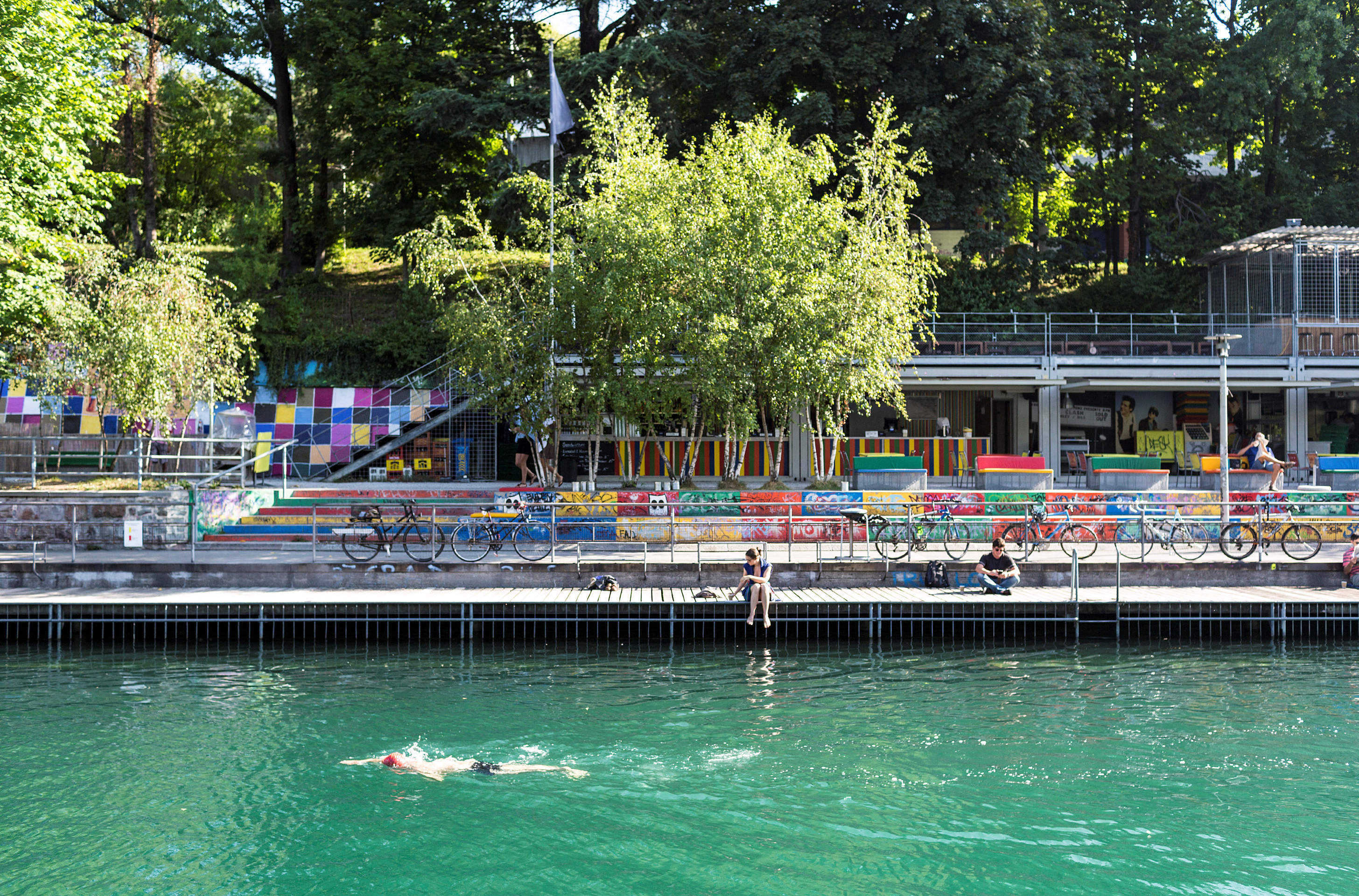
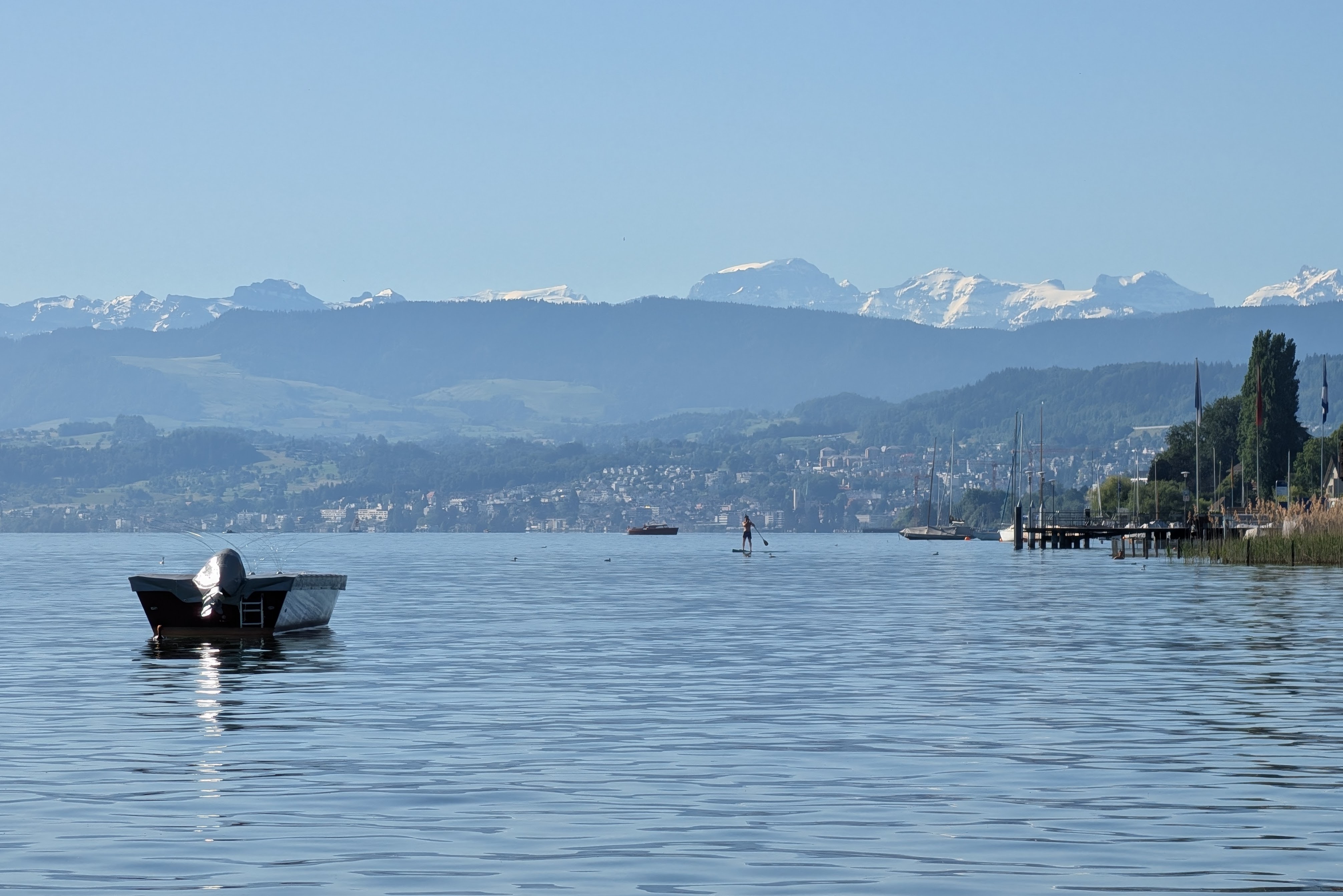
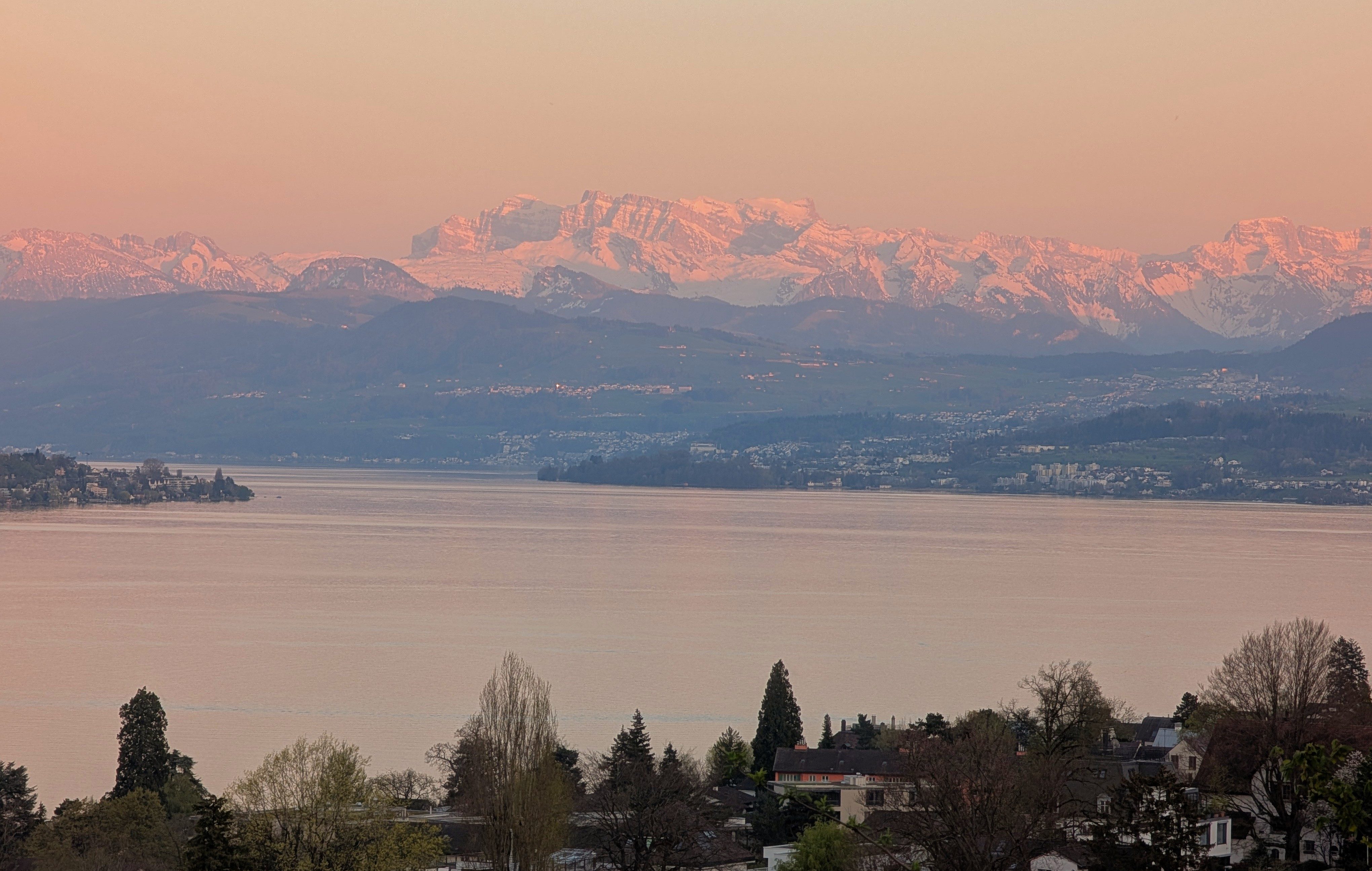
The lake gives Zurich its open beauty. The Limmat gives it its summer rhythm. The lake is wide and bright, framed by hills, boats and, on clear days, the privilege of a mountain panorama in the background. The Limmat is more intimate and more urban. It cuts through the city and brings the water into the middle of daily life. You do not have to escape Zurich to swim. You can swim through Zurich. That is the real luxury: water here is not an excursion, but part of the city’s quality of life.
There are Badis everywhere, each with its own mood and quiet social code. Some are elegant, some practical, some charmingly improvised. But the deeper point is not the number of places. It is how naturally water becomes part of the day. Sometimes it is the lake, sometimes the river, but it is always close enough to change your mood, interrupt your routine, and make doing nothing feel like a perfectly respectable plan.
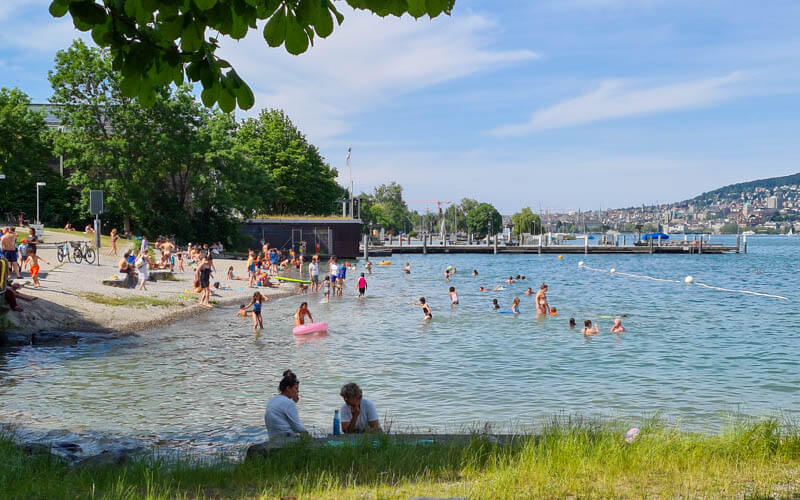
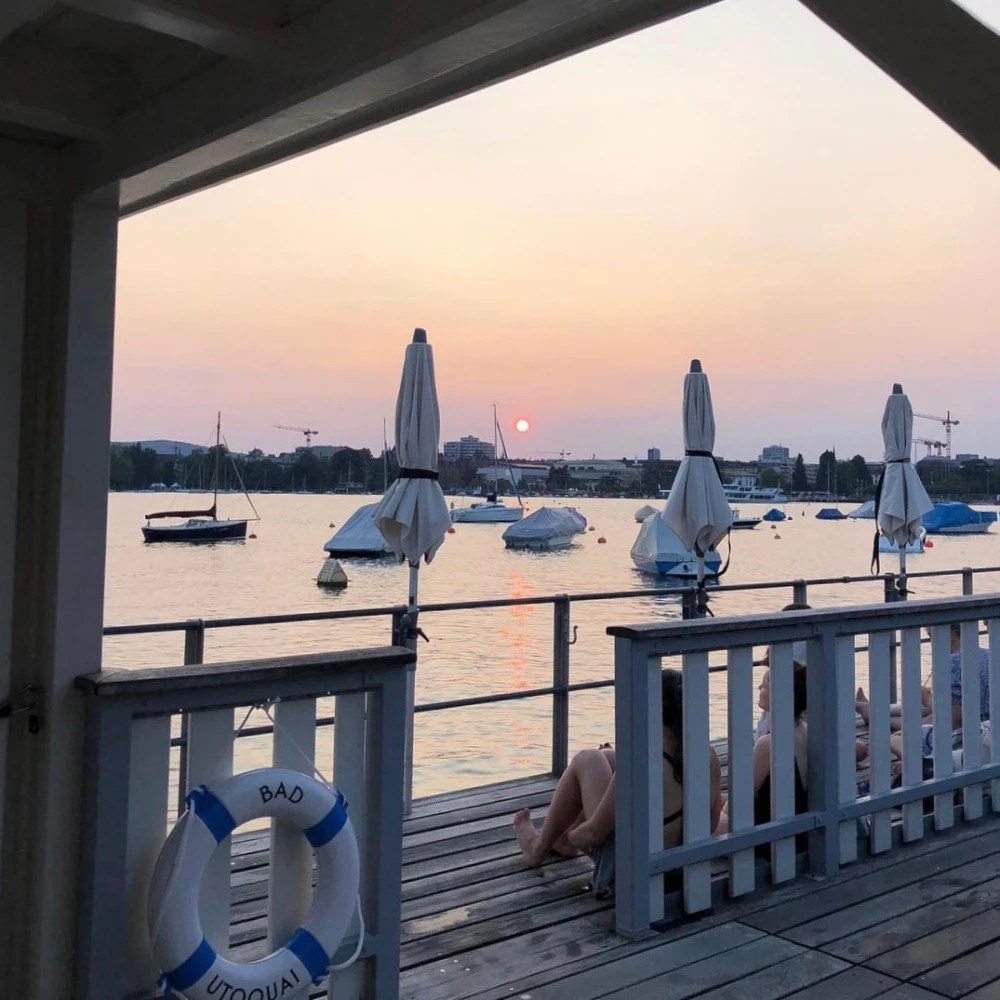
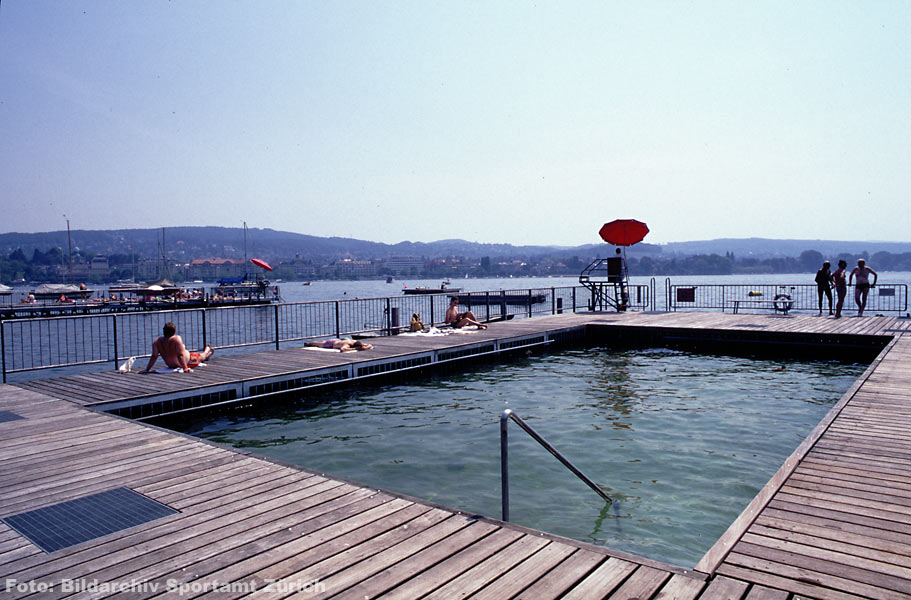
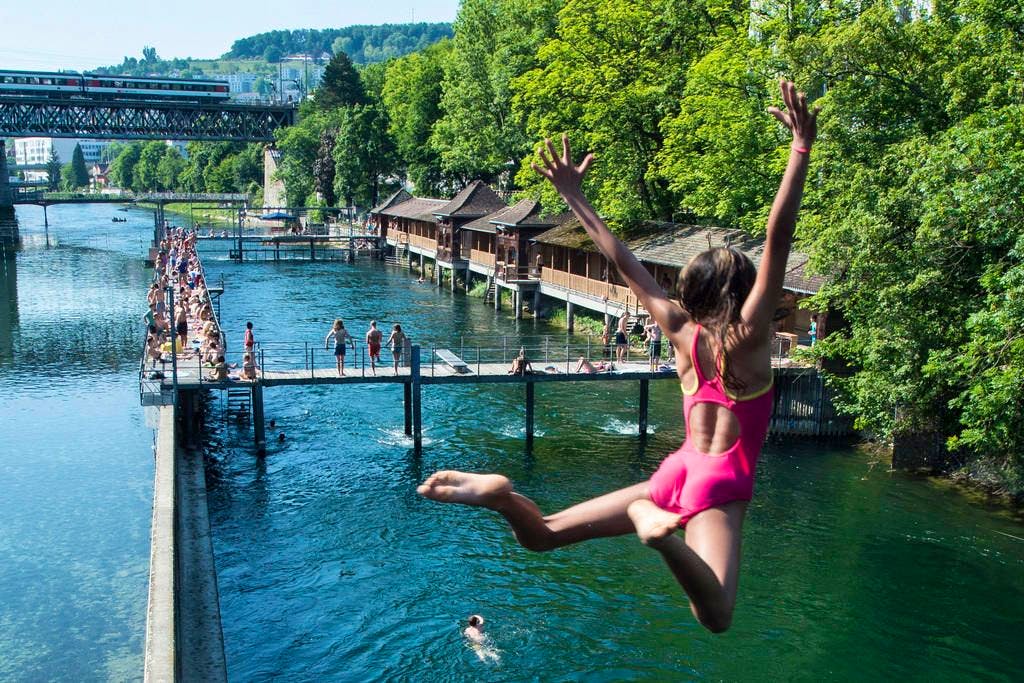
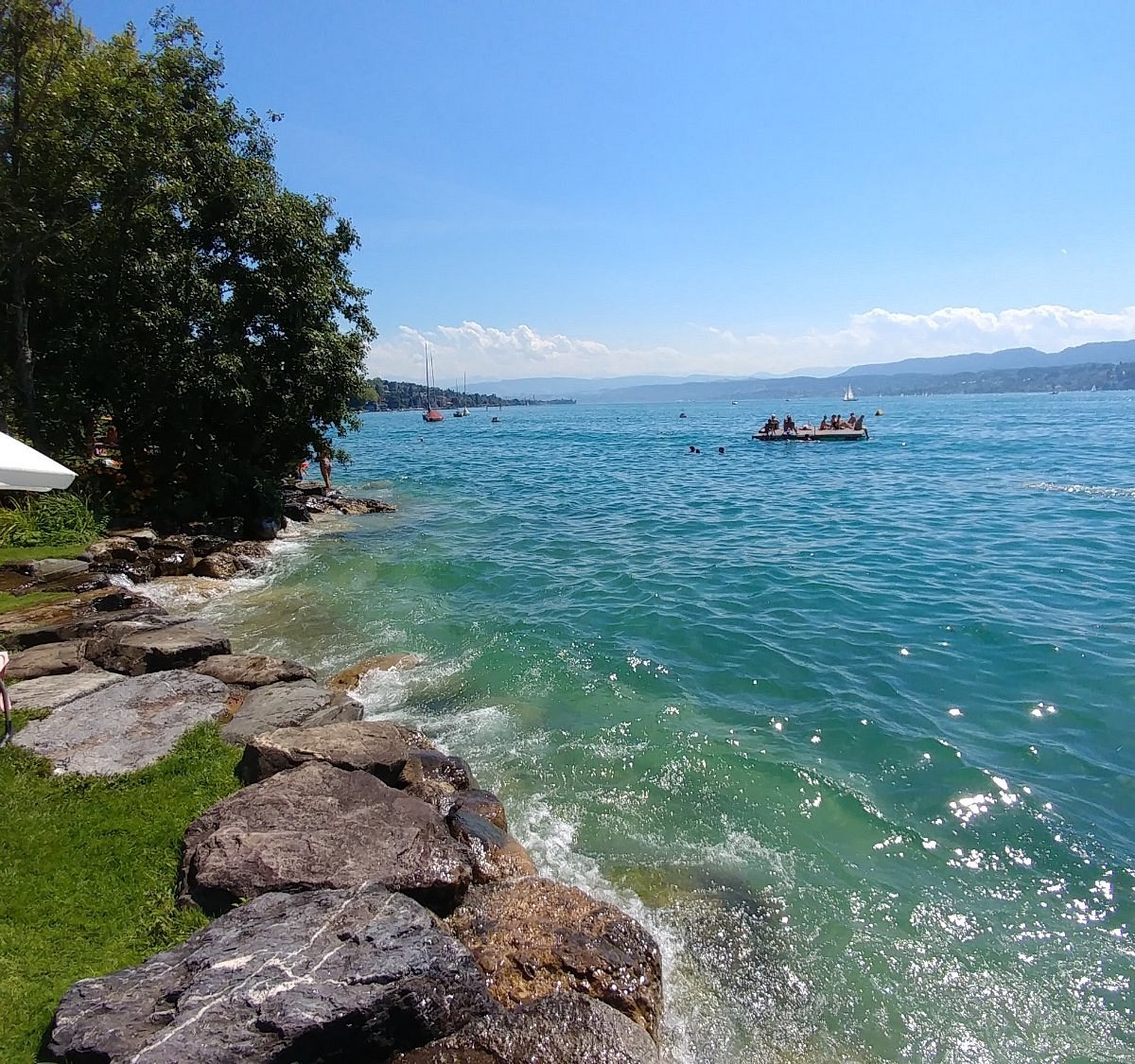
And the beauty does not stop at the city limits. Step just beyond the centre and the lake communities begin to take over: Zollikon and Kilchberg close to the city, Küsnacht and Meilen along the Gold Coast, Thalwil and Horgen on the other side, Stäfa and Rapperswil farther out. Each adds its own quieter version of the same summer promise.
This is where Zurich stops being just a city and becomes a whole way of living around water. The lake communities are not an escape from Zurich. They are its extended breathing space: quieter, softer, more residential, but still part of the same rhythm. You walk through gardens, villas and meadows, with the water repeatedly appearing beside you, until the city feels less like a place with nice surroundings than the centre of a landscape that has decided to be generous. In the right light, the water turns green-blue and clear in a way that feels almost excessive for somewhere still mostly known for banks, insurance and punctual trains.
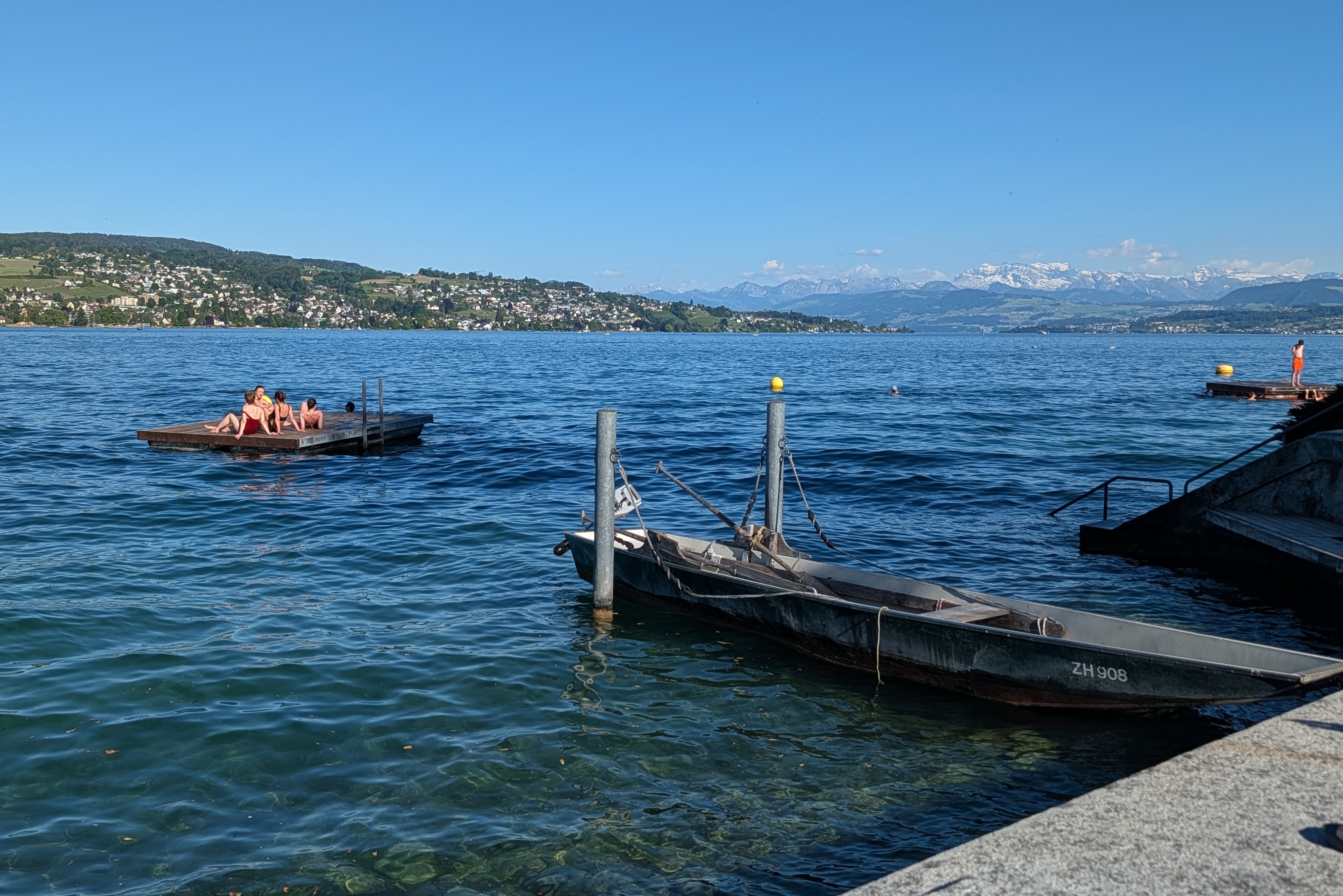
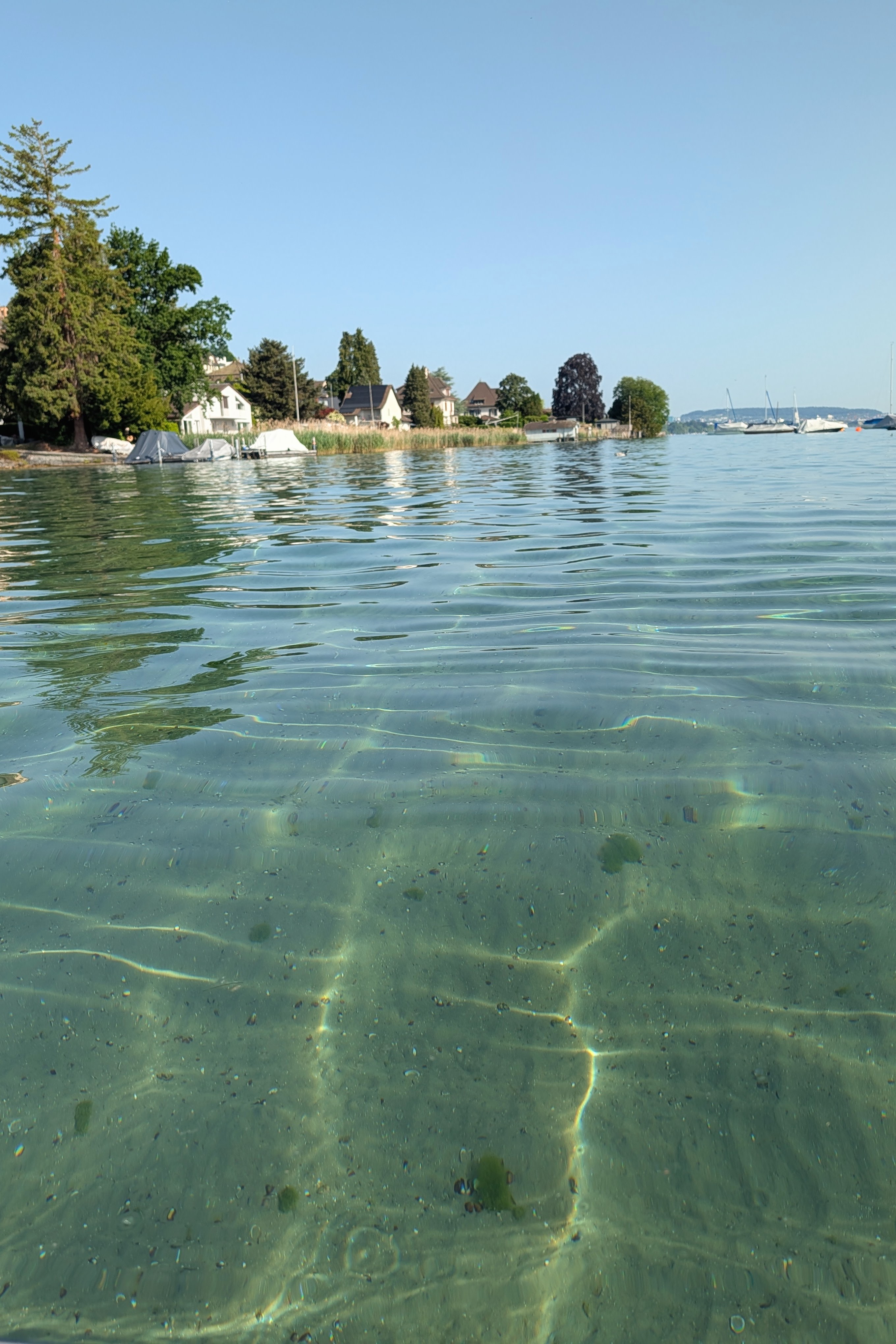
I have seen enough places to know that beauty alone is not rare. Many places are beautiful. What is rare is beauty that enters your routine so completely that you stop treating it as an event. A swim in the river at lunch, an hour of stand-up paddle after work, a quiet evening in one of the lake communities: these are not holidays. They are ordinary days here, which is precisely the problem. Zurich and the lake slowly ruin you for other places.
And because this is Zurich, it all works. That may sound unromantic, but it matters. On warm evenings, Zurich comes surprisingly close to a southern feeling: people stay outside, the city becomes softer, and the water gives the night a different rhythm. Yet it never loses the ease and reliability that make daily life here so unusually comfortable.
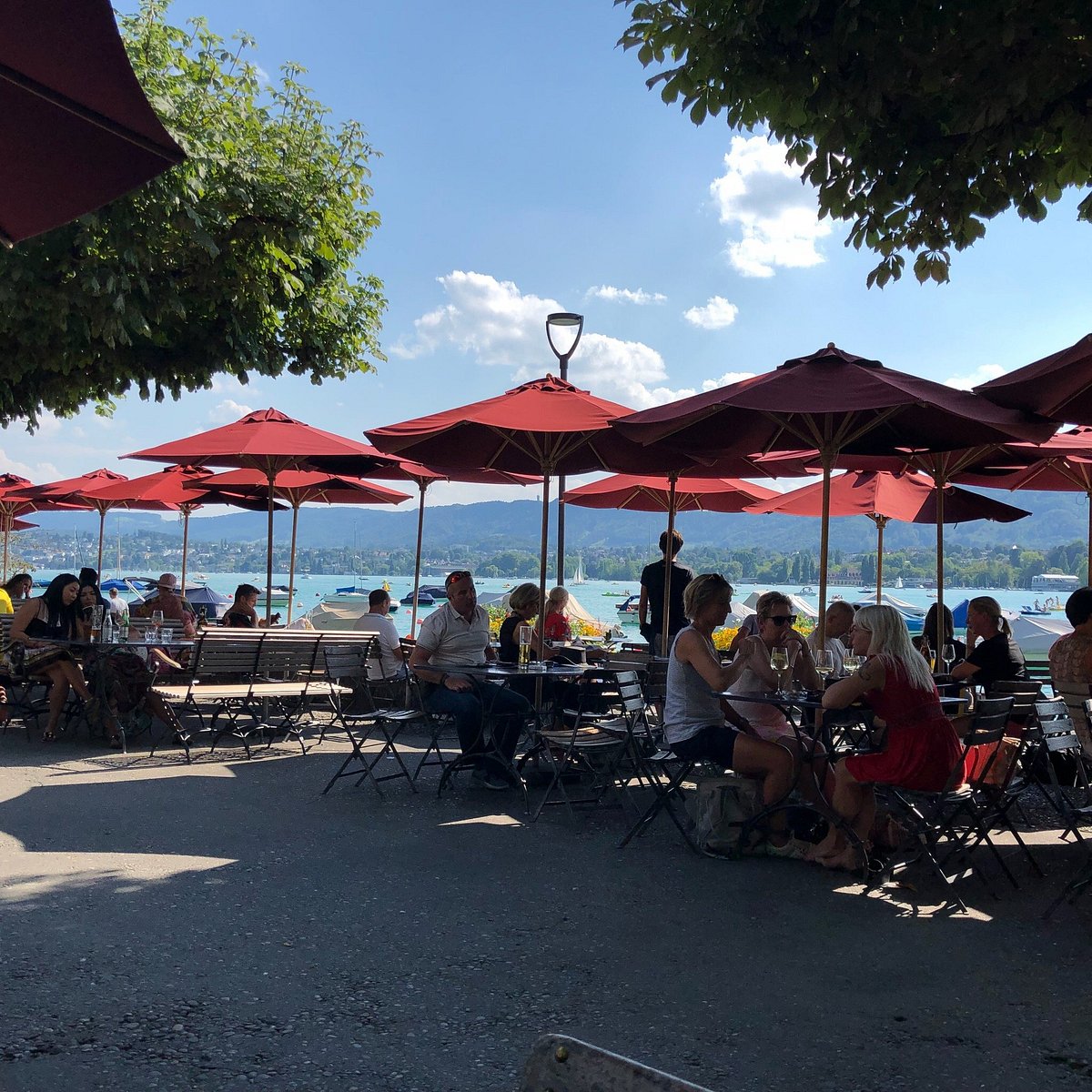
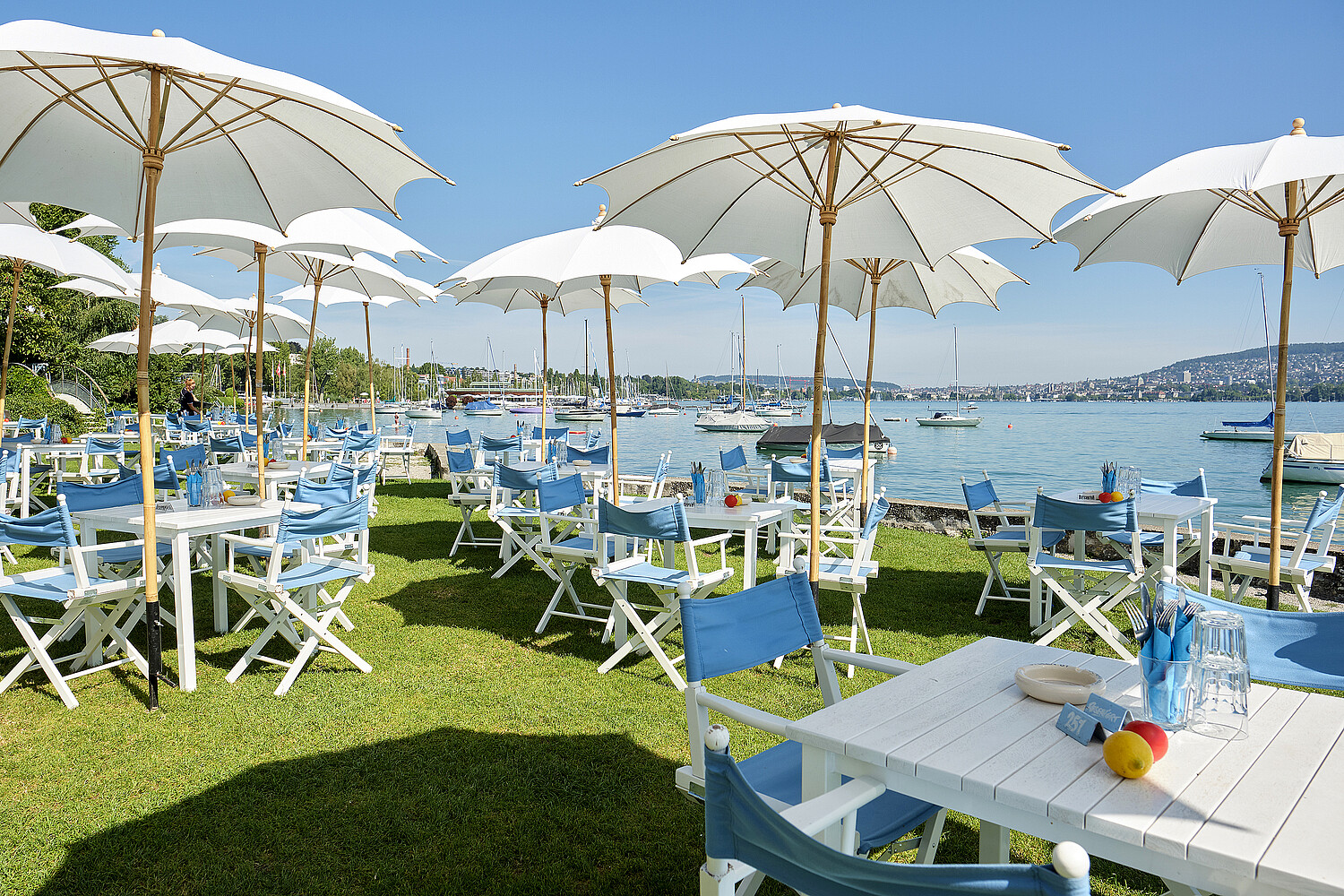
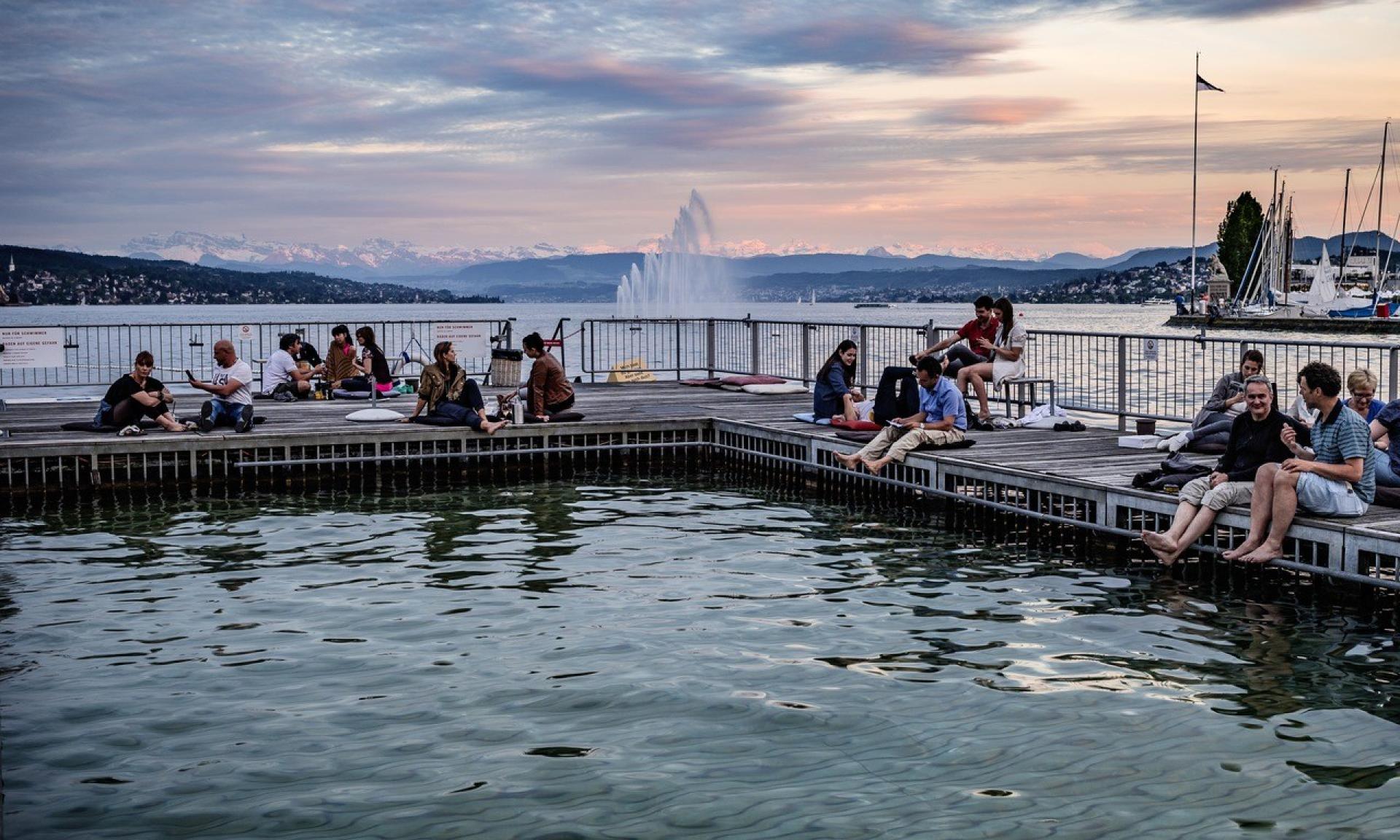
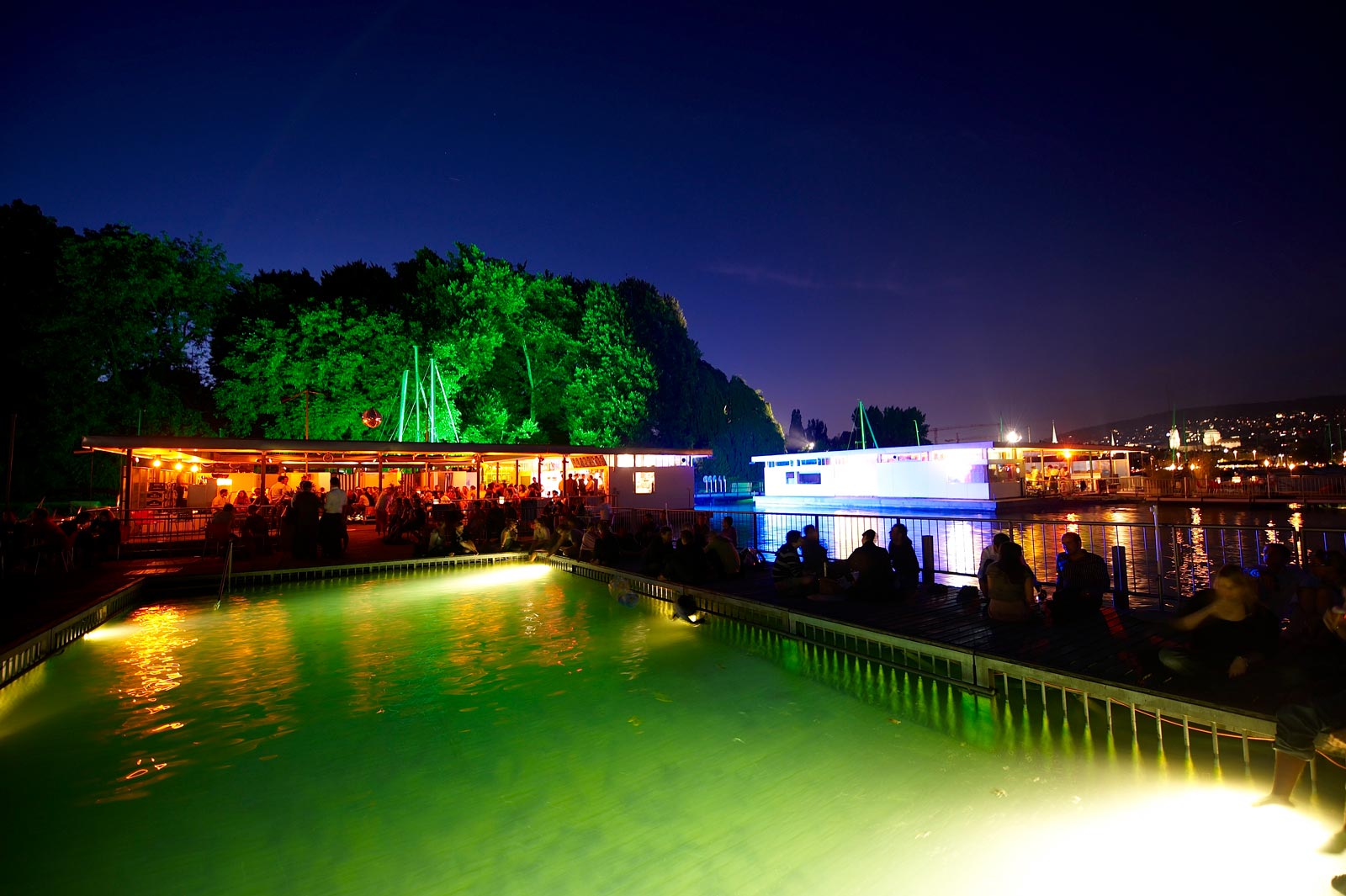
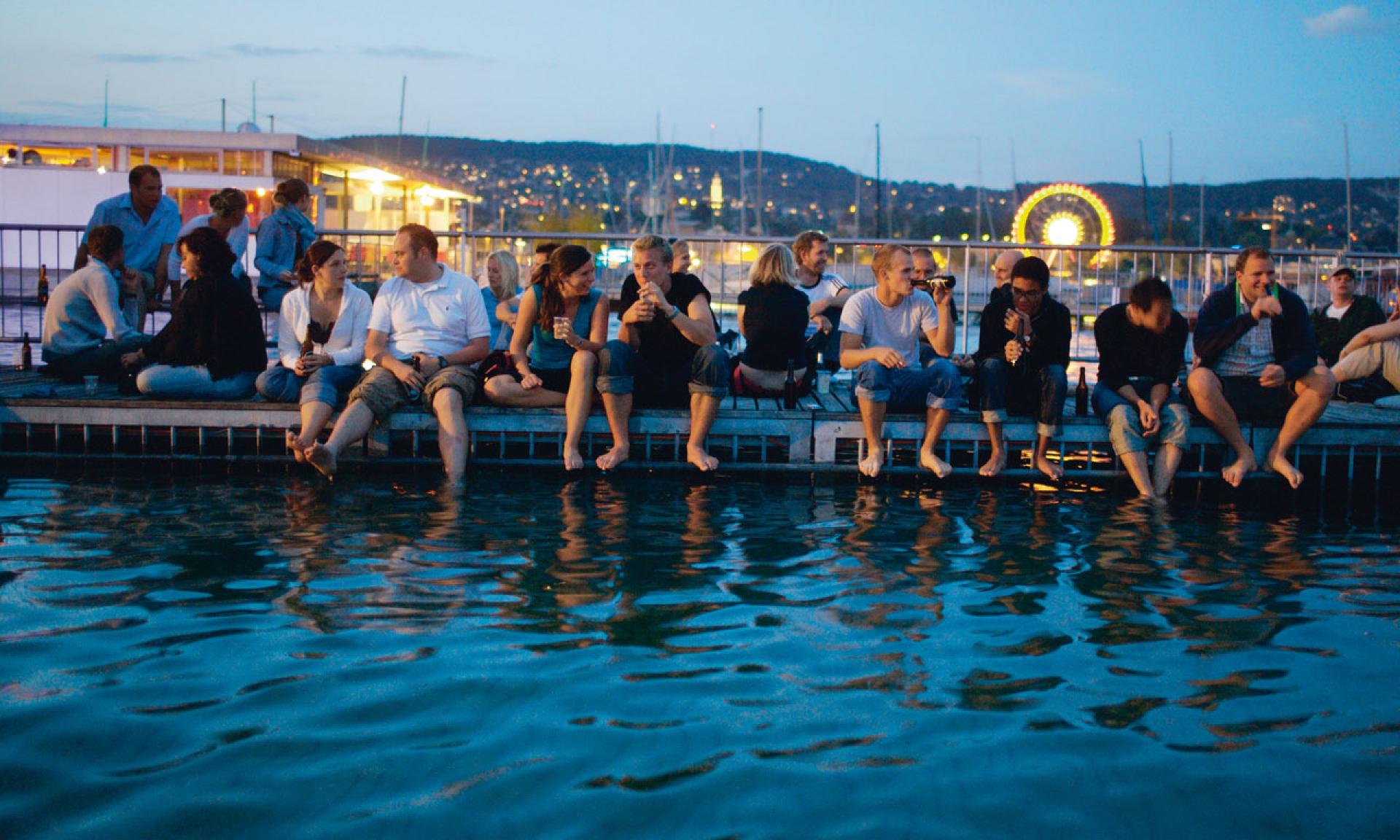
This is not a small distinction. Anyone can love beauty in isolation. The rare thing is beauty that is usable. Zurich in summer is not just nice to look at. It can be lived. You can work a normal day and still feel, by seven in the evening, as if you have taken a small holiday from the week.
Of course, this is still Switzerland. The weather always reserves the right to correct itself a week later, and that is part of the intensity. When summer appears suddenly, you know you have to use it. The swim after work, the late drink by the water, the walk home through warm air: none of it feels guaranteed. That is precisely why it feels so good.
This is where Zurich becomes difficult to beat. There are cities with greater drama, stronger mythology, more sensuality, more monuments, more heat, more noise and more obvious glamour. But in summer, Zurich offers a quieter kind of perfection: water in the city, mountains in the distance, flowers in the fields, safety in the evenings, a functioning public realm, and enough international energy to avoid becoming a museum of its own cleanliness.
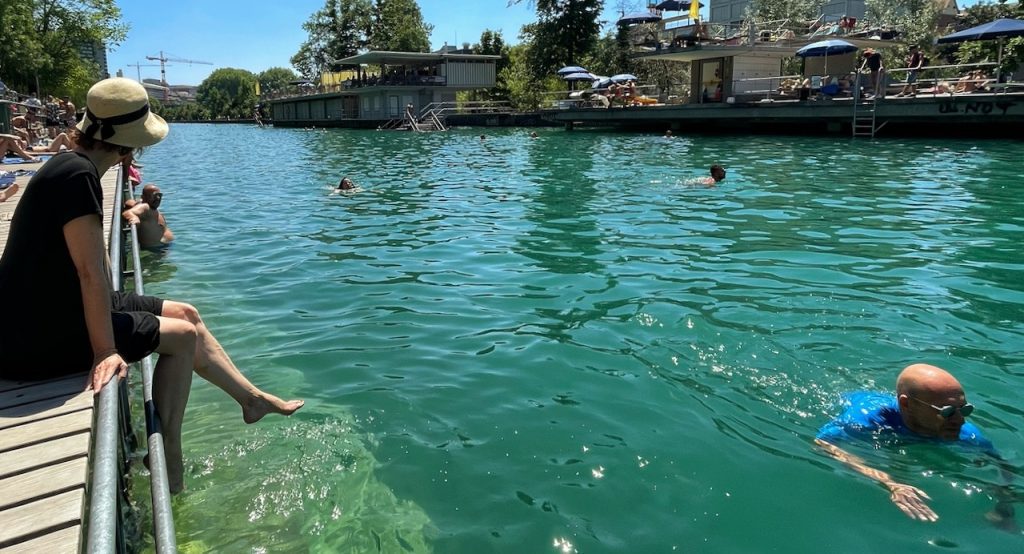
It is not perfect, of course. No place with Zurich’s prices should be allowed to claim innocence. The rents are absurd, restaurant bills can feel like moral tests, and the city can be too polished, too restrained, too convinced that everything important can be solved by zoning, taxation and a very good timetable. But summer reveals what all that discipline is for. The same order that can feel severe in February suddenly becomes generous in June. The city is clean, close, safe, easy to move through, open to the water and never far from nature. What sounds like civic virtue in winter becomes pleasure in summer.
That is why the best thing about Zurich in summer is not one particular view, one favourite Badi or one perfect evening by the water. It is the way everything seems to fall into place without effort. The city, the lake and the surrounding communities form a kind of everyday geography of pleasure: close, usable, unforced. Nothing has to become a grand plan. Beauty is simply near enough to become part of the day.
Many places offer beauty at a distance. Zurich and its lake put it within reach. There are moments in early summer when every reasonable argument for leaving begins to feel slightly ridiculous. Not because Zurich is louder, warmer or more spectacular than other places, but because summer here has a way of making ordinary life feel quietly complete. At some point, affection stops being a mood and becomes a conclusion.becomes a conclusion.
I never want to leave again.
//Alex

