
Introduction
As a passionate and long-time fan of basketball, I have closely followed various leagues, relishing the ebb and flow of the game, and delving into the intricate tapestry of basketball tactics. Recent events, particularly the unexpected loss of the US team at the world cup and Germany’s triumphant title win, prompted me to reevaluate my perceptions of the sport, particularly in the context of the NBA.
Having attended a regular-season game of the Denver Nuggets not too long ago, I found myself grappling with the question of whether the NBA, once considered the pinnacle of basketball excellence, truly lives up to its reputation in the current global landscape. The game has undergone significant changes over the last decade, both in terms of player dynamics and strategic approaches. In this exploration of the state of NBA basketball, I aim to share my thoughts on the evolving quality of the league and the sport as a whole.

It’s not just about critiquing but also about envisioning improvements that could enhance the viewing experience and the overall appeal of basketball. Join me in reflecting on the game we love, exploring its nuances, and proposing ideas that could contribute to the continuous evolution and improvement of the sport.

Basketball, as a global sport, has captured the hearts of millions, with leagues like the NBA in the United States showcasing phenomenal talent. However, there is a compelling argument to be made that European basketball offers a more captivating and beautiful version of the game. This assertion stems from the emphasis on teaching refined fundamentals, strategic brilliance, and a team-centric approach that makes the European style of play a joy to watch.
The Beauty of European Basketball
Masterful Fundamentals and Strategic Prowess
In European basketball, the focus on teaching fundamentals is meticulous. Players are not just athletes; they are craftsmen of the game, honing their skills with precision. Coaches emphasize footwork, passing accuracy, and a deep understanding of the game’s nuances. This results in a style of play that is less reliant on individual athleticism and more on strategic brilliance.
Team Play over Isolation
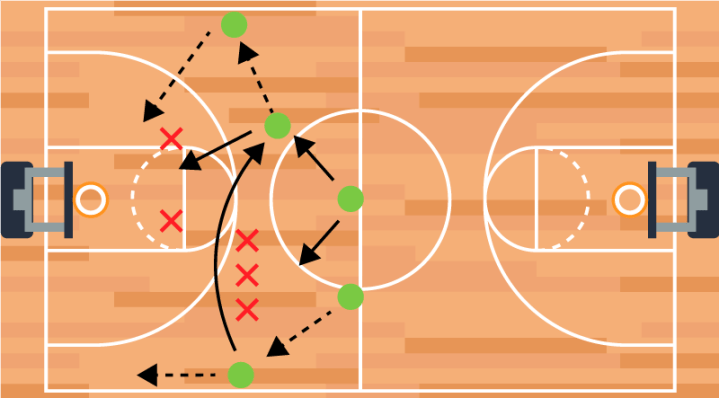
One of the defining characteristics of European basketball is the emphasis on team play. Instead of relying solely on one or two stars to dominate the offensive game, European teams prioritize ball movement, passing, the play without the ball, and creating opportunities for the most open player to score. This team-centric approach creates a dynamic and unpredictable style of play that keeps fans on the edge of their seats.
The Rise of European Dominance in the NBA
Over recent years, the NBA has seen an influx of European players who have not only held their own but often dominated. This can be attributed to their thorough understanding of the game, versatility, and quick adaptation to new situations. European players bring a level of intelligence and finesse that adds a layer of excitement to the NBA, further supporting the argument for the beauty of European basketball. Examples of this are players such as Giannis Antetokounmpo, Nikola Jokić or Luka Dončić.
My suggestions for changes
Reconsidering the 3-Point Shot
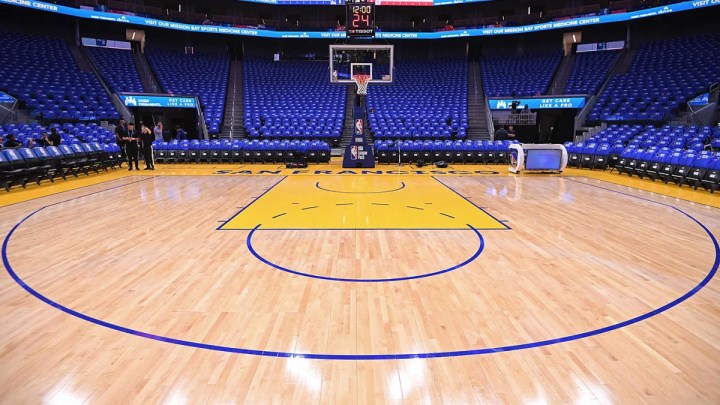
While the NBA has become synonymous with the excitement of spectacular three-pointers, there’s a growing consensus that the 3-point shot is currently over-rewarded. The fact that a successful 3-point shot counts 50% more than a 2-point shot has sparked discussions about the need for a recalibration of the scoring system.
The proposal here is not to diminish the thrill of long-range shots but rather to find a more balanced approach. Adjusting the scoring system to reward today’s 3-point throw at the same distance with 4 points and honoring the close-range shot with 3 points would help rectify the current scoring imbalance. This modification would ensure that the 3-point shot is still valuable, but its reward is brought in line with a more equitable representation of the difficulty involved, making it roughly a third more valuable than a 2-point shot. By implementing such a change, the game maintains its excitement and strategic depth while addressing concerns about the disproportionate impact of the 3-point shot on overall scoring. This adjustment would encourage a more diverse offensive approach, rewarding both perimeter shooters and players who excel in closer ranges, thus fostering a more multifaceted and engaging style of play.
Eliminating the Defensive 3-second Rule
The proposal to remove the defensive 3-second rule in the NBA is a strategic adjustment that aims to provide more flexibility and freedom for defensive players. Currently, the rule mandates that defensive players cannot remain in the key or paint area for more than three consecutive seconds, aiming to prevent defensive players from camping in the key and creating congestion near the basket. By eliminating the defensive 3-second rule, advocates argue for a more open and dynamic style of play. This change could lead to increased movement and spacing on the court, allowing defensive players to strategically position themselves based on the flow of the game. Additionally, it might contribute to a more fluid offensive game, as offensive players would need to navigate a less restricted key area.
However, critics of removing the rule express concerns about potential consequences, such as increased congestion in the paint, which could hinder offensive players’ ability to drive to the basket. Furthermore, without the defensive 3-second rule, there might be an increased likelihood of dominant defensive players establishing a more formidable presence near the rim. As a proponent, I believe eliminating the rule will bring more balance to the game and create a more robust and rewarding environment for teams with exceptional defensive skills.
Eliminating tactical Fouls at the End of Games
Tactical fouls towards the end of a game can be a source of frustration for fans, and there is a growing recognition that such strategic maneuvers go against the spirit of fair play. Implementing tactical fouls as part of an inferior team’s strategy, solely to gain an advantage, not only disrupts the flow of the game but also contradicts the core principles of basketball.
Fairness has always been paramount in sports, and the inventor of basketball, Dr. James Naismith, likely envisioned a game where victory would be determined by skill, teamwork, and fair competition. Encouraging or rewarding unfair behavior through tactical fouls was likely never part of the game’s intended spirit. To address this issue, the proposal suggests awarding a free throw (for a maximum of 1 point) for a foul that does not impede a shot and after the maximum number of permitted team fouls has been reached. Importantly, the attacking team should then retain possession of the ball, ensuring that the game’s integrity is maintained, and the outcome is determined by skill rather than strategic fouling. By adapting the rules in the interests of fairness, basketball can continue to be a sport that values skill, strategy, and sportsmanship, aligning more closely with the principles set forth by its visionary creator
Reimagining the NBA Regular Season
The NBA, with its extensive 82-game regular season, has long been a topic of debate among fans and analysts alike. As a dedicated follower of the sport, I couldn’t help but notice that the sheer volume of games has contributed to a sense of monotony and complacency. Each individual game, buried in the midst of the regular season, seems to lose its significance, with top-tier athletes occasionally delivering lackluster performances or spending extended periods on the bench for rest. Contrast this with other leagues around the world, where significantly fewer games heighten the intensity and excitement of each matchup. Take, for instance, the NFL, with its mere 17 rounds, creating an environment where every game carries substantial weight, making the competition more explosive and captivating. Therefore, I propose a radical shift in the NBA regular season structure by limiting it to a maximum of 40 games. This reduction not only addresses the issue of player fatigue and the occasional lack of effort but also ensures that each game becomes a crucial battle. With a more condensed schedule, teams and players would be compelled to bring their A-game every night, injecting a newfound energy and thrill into the regular season. A shorter season not only benefits the players’ well-being but also keeps fans engaged by maintaining a high level of competition throughout. It’s time to reconsider the quantity-versus-quality aspect of the NBA regular season and embrace a model that prioritizes excitement, intensity, and the true essence of the game.
Conclusion
European basketball’s commitment to teaching refined fundamentals, promoting team play, and emphasizing strategic brilliance sets it apart as a more beautiful and engaging ballgame. Aside from fundamental changes in teaching young players tactics and encouraging more team play over star-based isolation basketball, it’s imperative to recognize that as the sport continues to evolve, finding a balance in scoring systems, foster the defense and addressing tactical fouls will contribute to a more enjoyable and fair experience for fans and players. Moreover, considering the overarching importance of playoffs in determining the championship, there is a compelling case for shortening the regular NBA season, making each individual season game more relevant.
Just my 5 cents.
//Alex
 alexreusch