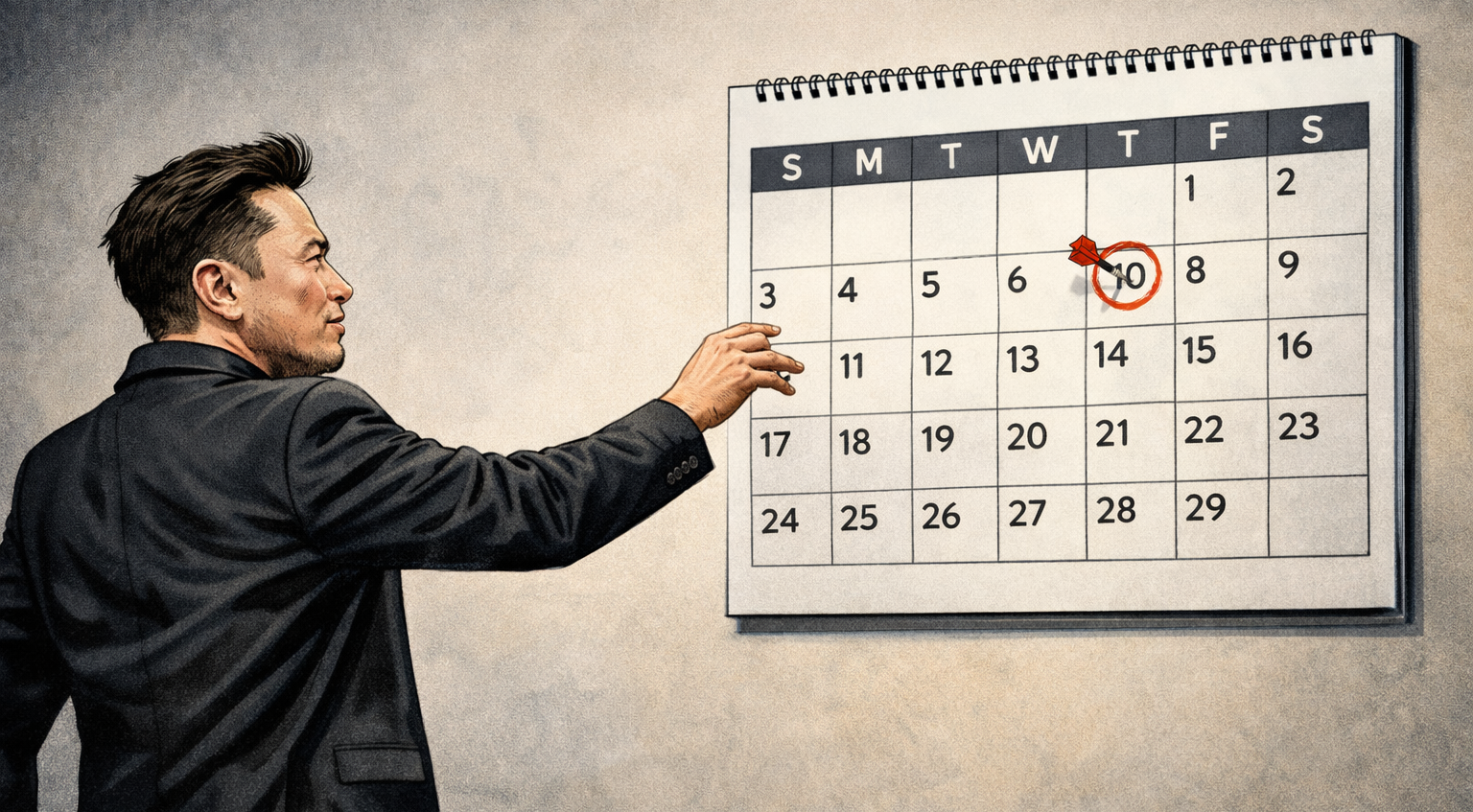
A regulatory decision taking longer than hoped is normal. That is how regulation works. Authorities review, assess, question, and decide when they are ready, not when a company wants a convenient date for social media. The real problem in Tesla’s European FSD saga is therefore not that a date slipped. The real problem is that Tesla once again helped create public certainty around a date that was never really theirs to give.
That date was April 10, 2026.
For anyone following the online Tesla bubble, April 10 began to sound like a genuine milestone, almost as though the Dutch approval was sitting on a shelf with a little bow on it, waiting to be handed over. But the facts are far less flattering. Reuters reported that Tesla expected a decision from the Dutch vehicle authority RDW by April 10. RDW itself did not confirm that date. Its own public statement was markedly more sober: The process was in its final phase, all submitted data and test results were still under review, and a decision would come only after that assessment had been completed. That is not a minor semantic detail. That is the entire story.
Once the regulator says, in effect, “We are still reviewing the file and we are not endorsing your timeline,” the issue stops being a mere scheduling hiccup. It becomes a question of corporate behaviour. Tesla took a soft expectation and allowed it to harden in public into something that looked suspiciously like a real deadline. Predictably, the usual machinery kicked in. Fans repeated it, media outlets echoed it, and the wider Tesla ecosystem treated another speculative waypoint as though it had been carved into regulatory stone. When nothing happened publicly, the company was left looking less like a visionary pioneer and more like a very rich man waving around somebody else’s calendar.
What makes this worse is that it was not even a one-off. Back in November 2025, reporting had already linked the same process to a possible February 2026 decision, again subject to Tesla satisfying the relevant requirements. Then the story drifted onward through March and finally toward April 10. That matters because it shows the pattern. This is not simply bad luck. It is a recurring corporate habit of scattering dates into public view long before the only institution that matters is willing to stand behind them.
RDW, to its credit, communicated like an adult. It said, both in late 2025 and again in 2026, that it does not normally disclose details of ongoing applications, because such matters are commercially sensitive. In other words, RDW does not run approval procedures like a reality show. It does not publish a neat little countdown for excitable shareholders and overcaffeinated fan accounts. It reviews the material, reaches a conclusion, and then communicates that conclusion when it is ready. That is what a regulator is supposed to do.
Tesla, by contrast, behaved like a company that still cannot resist confusing suggestion with fact. And that is where Elon Musk belongs squarely in the frame. Tesla’s communication style has, for years, reflected his preferred method: Blur aspiration, expectation, and reality until the distinction becomes politically useful and commercially convenient. It is a style that may be good for attention and mythology, but it is hopelessly unserious when applied to a regulatory process. A company that genuinely respects facts does not throw provisional dates into the public arena when those dates depend on an external authority that has very deliberately refused to validate them. A company that does this anyway is not being bold. It is being sloppy with other people’s decisions.
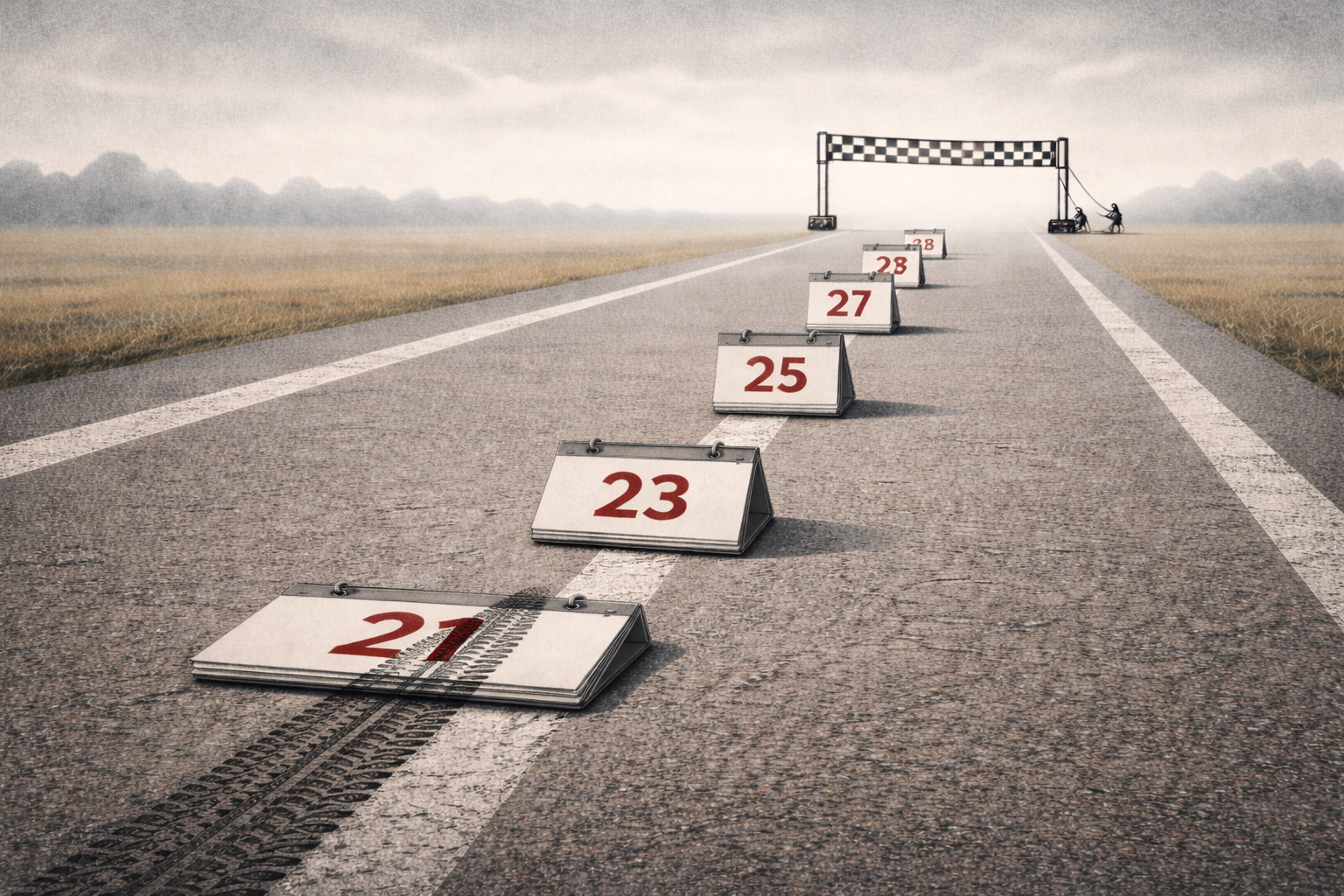
For one of the most valuable companies on earth, this is remarkably shabby behaviour. Tesla likes to present itself as the company of the future, the one that sees further and moves faster than everyone else. Fine. But if that is the act, then it should at least master one very basic discipline: Do not publicly market dates that you do not control. That is not visionary communication. It is corporate corner-cutting with a glossy finish.
And that is why the April 10 episode deserves to be called what it is. Not a tragic delay. Not a misunderstood technicality. Not another case of the boring bureaucrats slowing down genius. It was a self-inflicted credibility mess created by a company that once again treated a regulator’s process as raw material for hype. Tesla did not merely miss a date. It helped manufacture a fantasy around a date that the responsible authority never truly owned in public.
For a company of Tesla’s scale, that is not clever. It is not disruptive. It is not even mischievous.
It is just embarrassingly second-rate.
Just my five cents.
//Alex
 alexreusch