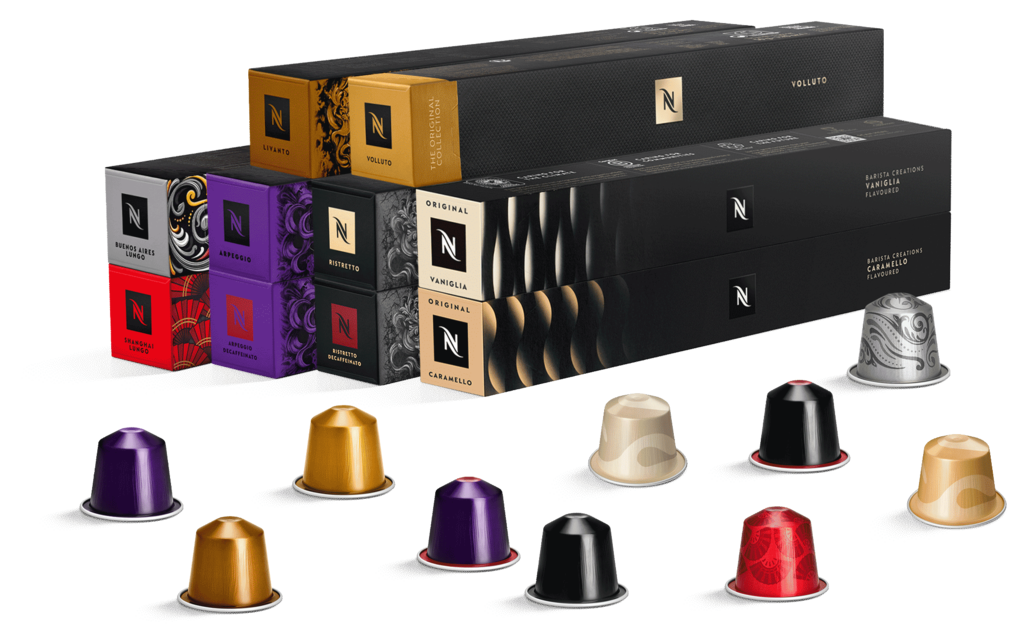
I have officially reached that strange emotional state where I count the days until I never have to buy Nespresso capsules again. Each time I empty another tube or see the familiar boxes in the cupboard, I feel a mix of resignation and impatience. Soon this routine will end. Soon real coffee will take over.
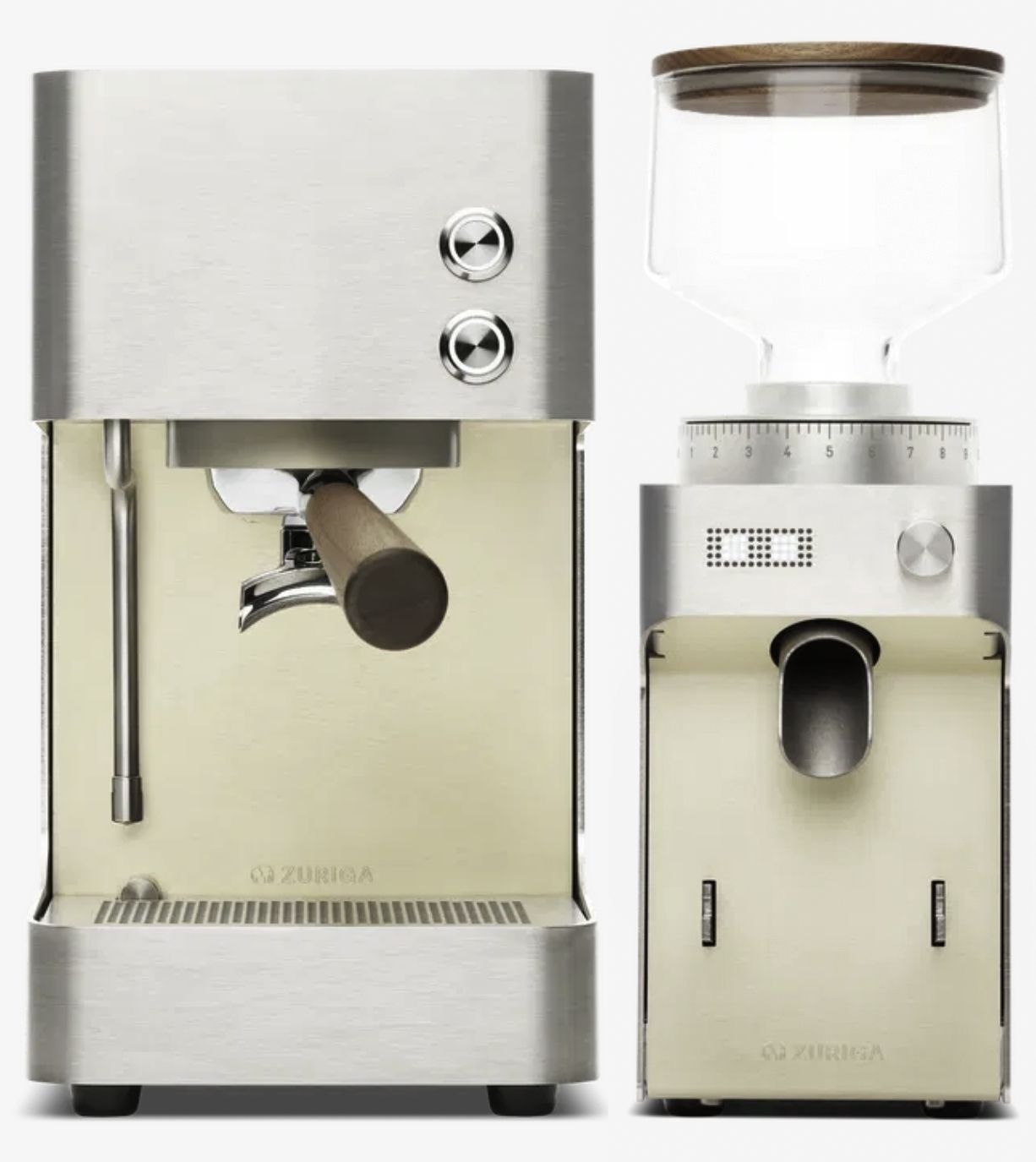
The reason for my growing excitement is waiting for me in Zurich. My new Zuriga espresso machine and the matching grinder will soon be ready for pickup. They will not arrive in time for Christmas, but after seven months of waiting, I will finally get them at the end of January. They are already paid for. All that is missing is the moment when I can carry this beautifully designed Swiss duo into my kitchen.
I can picture it already. The soft sound of beans falling into the grinder. The aroma that fills the room even before the first espresso is made. The quiet confidence of a machine that lets you create something with your own hands. It is not just coffee. It is a small daily moment that feels real and personal.
The real issue for me is not that capsule coffee tastes bad. Nespresso deserves credit for what it is. It makes coffee that is always the same level of acceptable. Not great, not terrible, simply acceptable. You press a button, the machine hums, and a cup of coffee appears. No effort required. This is exactly why the system became so successful. It is convenient, and for a long time that was enough. But convenience rarely touches the heart. It never makes you pause, breathe in, and smile. It never makes you feel proud of what you created. At some point, all capsules blend into the same forgettable experience.

And convenience has a price. Most Nespresso machines are cheap in every sense of the word. They are made of plastic, typically last only a few years and are often not worth repairing. Sometimes you can even buy a machine and receive capsule vouchers that exceed the value of the device itself. If that does not tell you everything about the business model, nothing will.
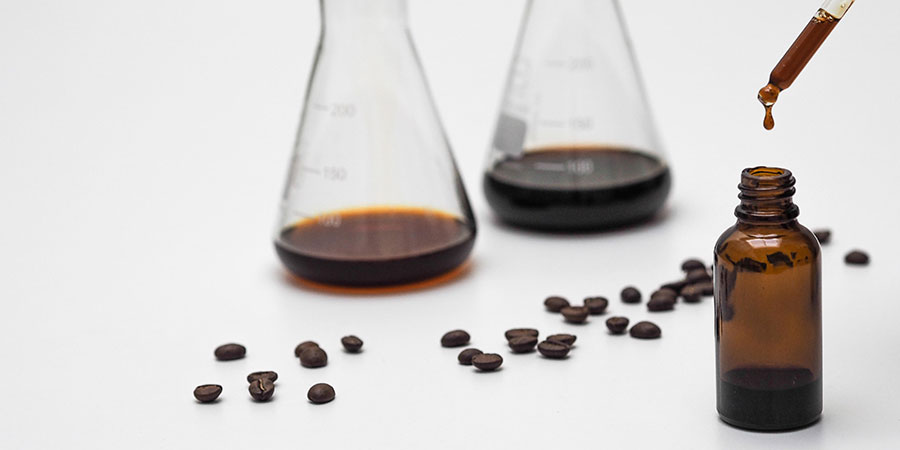
The main problem is not knowing how much coffee is actually in those capsules and how much flavour magic is added by Givaudan or other suppliers. At some point you start wondering what exactly you are drinking. That is when the desire for real coffee begins to grow.
The Zuriga duo is the opposite of that philosophy. Built by a small Zurich manufacture, compact in size yet taken seriously by coffee professionals. The tests from the coffee experts convinced me that this is not just a pretty gadget but a true espresso machine. The linked video review only confirmed what my instincts already told me.
The real turning point happened at the office. We have a proper coffee machine there and the difference in quality is so enormous that it almost feels unfair to compare it with a capsule system. Everything that comes from a good portafilter machine has texture, aroma and personality. Brewing becomes a tiny craft moment. Taste becomes an experience rather than a habit. Compared to that, capsule consumption feels incredibly dull. It is the coffee equivalent of listening to music through laptop speakers while the hi-fi system sits unused in the other room.
This is why I am counting the days. My Zuriga set is not just a machine and a grinder. It is a small promise that mornings will taste different. That the first minutes of the day will belong to a ritual instead of a button. That the kitchen will smell like freshly ground beans and not like anonymous capsule dust. I cannot wait.
Sometimes the anticipation is already as sweet as the first sip.
Brew on!
//Alex
 alexreusch