
In 2025, Oscar Piastri should already be Formula 1 World Champion. Not “in contention.” Not “still mathematically possible.” No: Champion. Had McLaren not repeatedly sabotaged his season through questionable team-orders, conservative strategy, and the now-infamous “Papaya Rules”, the points lost across the year would have put him out of reach long before the finale.
The Qatar Grand Prix wasn’t the turning point, it was simply the last piece of evidence. The final proof. With only one race remaining, Piastri now sits in the worst possible position in the title fight, despite being arguably the strongest and most consistent performer inside the McLaren garage.
Let’s go through the season, mistake by mistake, intervention by intervention, and point by point. Only then does the picture become painfully clear.
Imola: A Win Lost to Strategy Paralysis
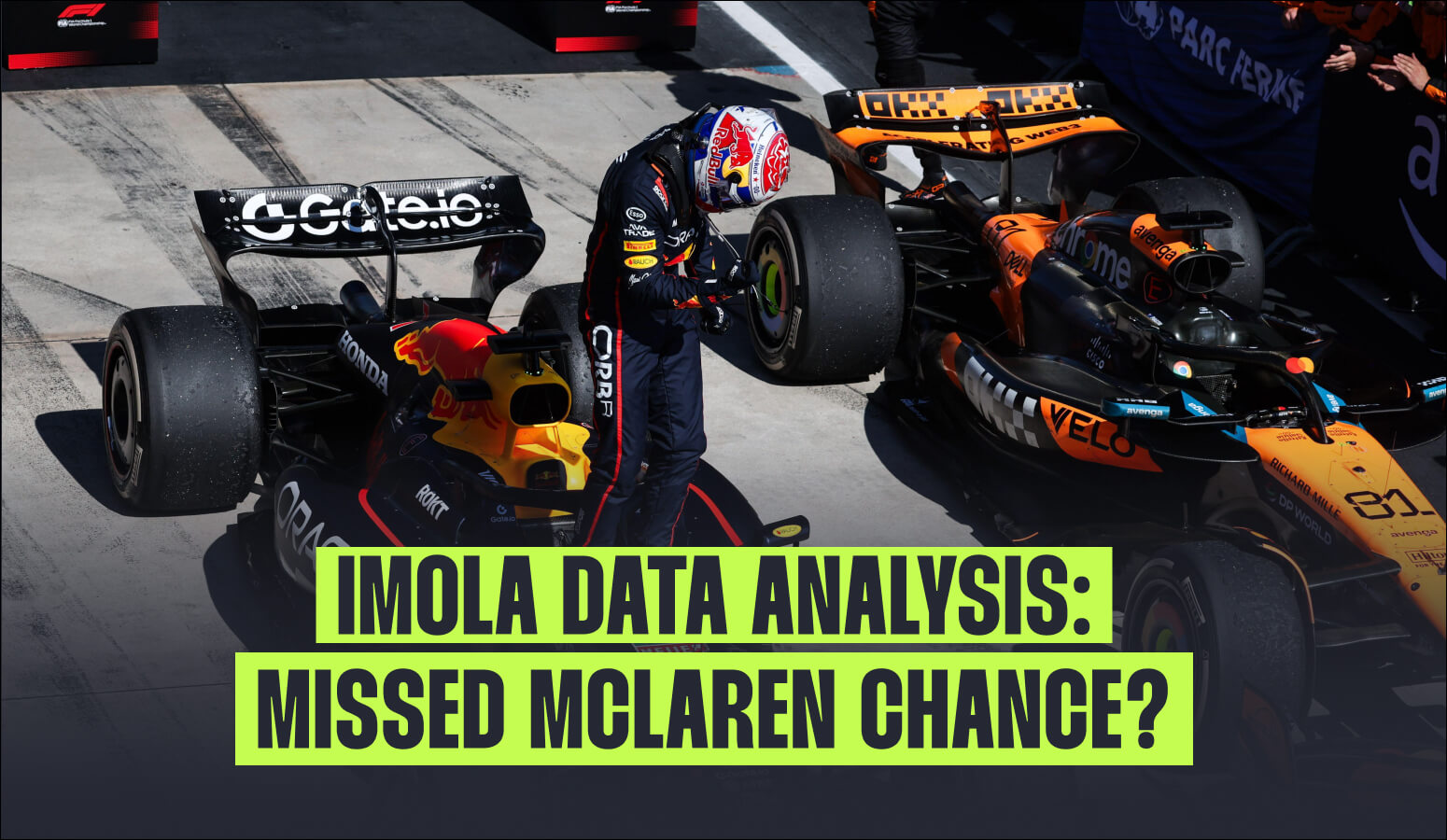
Piastri arrived at Imola as the fastest driver of the weekend. He was on pole and looked capable of controlling the race. Oscar Piastri lost the lead to Verstappen at the start, but McLaren still believed the race was his to win. “Remember Saudi Arabia,” his engineer reminded him. The plan was clear: stop early, trigger the undercut, and take control of the race on fresher tyres.
But the strategy collapsed the moment Red Bull refused to react. While Piastri fought through midfield traffic after his stop, Verstappen stayed out in clean air and simply drove away. McLaren then chose not to pit Lando Norris at the same time, which protected Norris’s race but left Piastri exposed on a losing strategy.
The result was inevitable. Verstappen pulled clear, Norris jumped ahead through the stronger strategy, and Piastri, who should have been fighting for victory, was left paying the price for a strategic call that never had a real chance to work.
Estimated points lost: 3
Austria: Strategy Misread
The season’s first major misstep came early. McLaren kept Piastri out far too long on worn tyres, even as direct rivals gained time with fresh rubber. The team hesitated at exactly the moment when decisiveness was needed. Piastri lost positions that he had earned fair and square through qualifying pace and early-race execution. It was a small loss on paper, but the difference between finishing first or second are 7 points, and it set a worrying pattern. The slow reactions in the pit wall suggested a team still unsure how to race for a title.
Points lost: 7
Hungary: Splitting Strategies That only hurt one Driver
At the Hungarian Grand Prix, McLaren split its strategies between Norris and Piastri. The outcome was predictable. Norris benefitted from the chosen approach, and Piastri ended up losing the internal battle through no fault of his own. His pace had been strong enough to challenge for the win. Instead, the strategy direction prevented him from capitalising on it. Another handful of points slipped through his fingers. While Norris benefitted from the stronger race strategy, Piastri over-drove trying to compensate.
Points lost: 7
Monza: The Team-Order Swap that should never have happened
This is the race fans still shake their heads about. Lando Norris suffered a slow pit stop due to a wheel-nut issue. Piastri, through clean driving and a normal stop, emerged ahead. Under any normal circumstances, the faster driver with the clean stop keeps the position. It was not a strategic blunder or a driver error by either driver. It was simply a human mistake on Norris’s side of the garage. In any racing environment that values merit, the consequences of a slow stop are accepted as part of the sport. Instead, McLaren instructed Piastri to give the place back because Norris “should have been ahead.”
This was a significant points swing. A podium swap might seem small, but in a tight championship battle, every point matters. Piastri surrendered track position and points due to someone else’s mistake. Norris gained them.
Points lost: 3
Mexico: Another Weekend slipping away
In Mexico, Piastri started the weekend already on the back foot. He reported a mysterious power-unit performance issue that left him unable to match Norris in qualifying. He described it as “no pace at all” and said the gap had been the same all weekend, with the team unable to identify the cause. Starting at the 7. position, far behind Norris because of a technical deficit he could not influence meant he entered the race compromised from the very beginning. The gap he complained about was real, but the scrappy laps also showed a driver pushing past the limit instead of to the limit. During the race itself, a slow McLaren pit stop removed the last chance to recover track position. The combined effect was another weekend where Piastri lost points through no fault of his own.
Points lost: between 2 and 8
Las Vegas: McLaren’s Technical Blunder and a gifted Lifeline for Verstappen
McLaren originally finished the Las Vegas Grand Prix with strong results, but both Piastri and Norris were disqualified after their cars failed post-race plank-wear checks. The team blamed unexpected ride-height variation, yet the outcome was brutal: both drivers lost all points. It did not favour either McLaren driver, but it handed Max Verstappen a massive lifeline and kept the title fight alive when it could have been decided already.
Points lost: 12
Qatar: The Final Proof of a Season mishandled
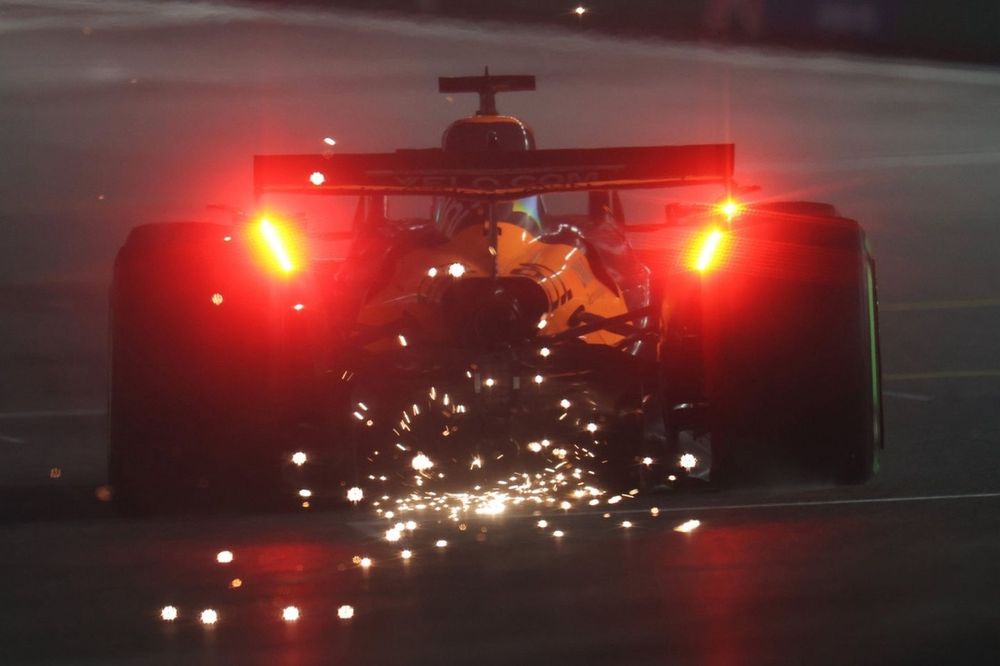
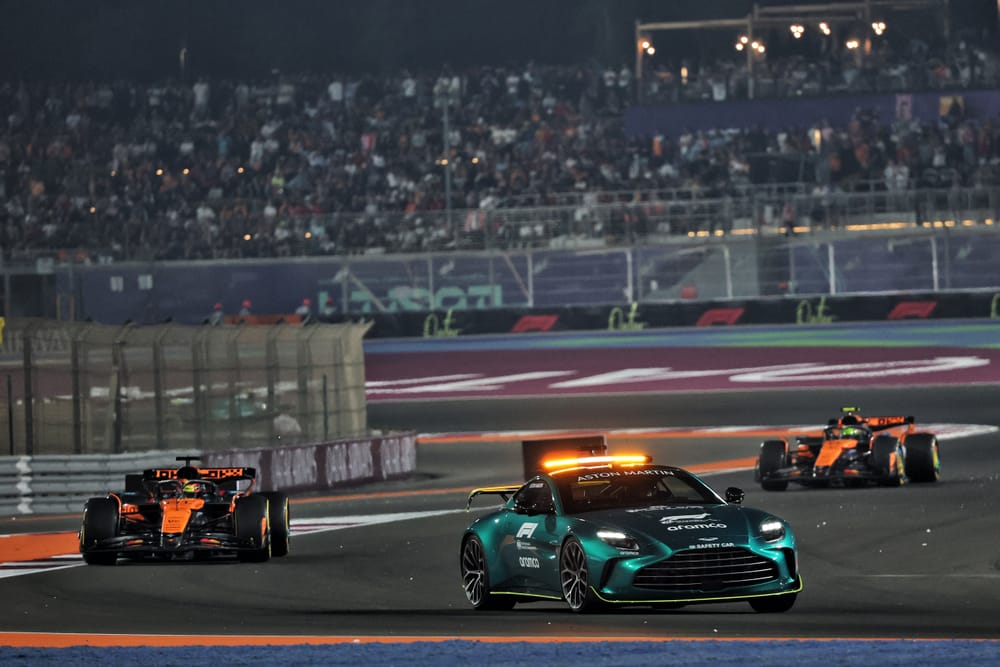
McLaren’s official explanation for not pitting during the early Safety Car was that a double-stack would disadvantage Lando Norris, who was running third at the time. The team claimed that avoiding the double-stack was the “fairest” way to treat both drivers under the Papaya Rules. In reality, this decision devastated Oscar Piastri’s race.
Every other car pitted. McLaren kept both cars out. By choosing a strategy designed to protect Norris from a potential delay, the team effectively threw away Piastri’s dominant track position. What should have been a straightforward victory turned into a forced two-stop recovery drive under full-speed race conditions. Max Verstappen took the win, while Piastri dropped to second and reduced his chances for the title all together.
The consequences are brutal. With only one race left, Piastri is now third in the standings and in a far worse position than he should be. The Qatar decision did not just cost him a race win. It killed the momentum he had built and likely destroyed his last title hopes.
Worse still, Qatar sets up an uncomfortable endgame. If the final race demands team orders, the same Papaya Rules that supposedly prevent favouritism will suddenly be discarded (anyone wants to bet?). McLaren will inevitably back Norris if a championship scenario emerges. And once again, Piastri will be the collateral damage of a team that claims neutrality while repeatedly disadvantaging him when it matters most.
Points lost: 7
Summary Table: All Team-Caused Losses for Piastri (2025)
| Race | McLaren Error | Points Lost |
|---|---|---|
| Imola | Wrong tyre & pit timing | 3 |
| Austria | Kept on worn tyres too long | 7 |
| Hungary | Strategy favoured Norris | 7 |
| Monza | Team order → Gave back position to Norris | 3 |
| Mexico | Power Unit issue & slow stop → positions lost | 2-8 |
| Las Vegas | Failed post-race plank-wear checks → disqualifed | 12 |
| Qatar | Didn’t pit under SC → lost win | 7 |
| Total Points Lost | 41-47 |
It must be taken into account that it is not only about the points that Piastri himself has lost, but also the points that competitors or his own teammate have earned in his place. You cannot simply add back the points Piastri lost through McLaren’s poor decisions. You must also subtract the extra points gained by those who profited from those same situations. Every strategic error that hurt Piastri simultaneously boosted a rival. The true swing in the championship is therefore far larger than Piastri’s missing total alone.
The Real Cost: Confidence
Lost points are simple to count. Lost confidence is not.
Piastri’s late-season dip — the small errors, the moments of doubt, the flashes of over-driving — did not come from a lack of ability. They came from a lack of trust. A driver can withstand pressure from rivals, from the media, from the championship fight itself. What he cannot withstand is pressure from the inside. Not by his team rival but by his own team.
When your own team keeps derailing your races… When your teammate repeatedly benefits from mistakes you did not create… When “Papaya Rules” promise equality but consistently tilt in one direction… The joy of driving disappears. Frustration takes its place.
Examples of this sudden rise in uncharacteristic errors include Silverstone, where a harshly judged Safety-Car penalty cost him a likely victory on British soil (what a coincidence?), and Azerbaijan, where a jump-start and subsequent crash wiped out valuable points in a way that felt more like the consequence of accumulated pressure than genuine lack of ability. However, I am not taking these points into account at all.
In Formula 1, confidence is the difference between brilliance and breaking point. Piastri didn’t collapse on his own. He fractured because McLaren fractured first.
The Bigger Truth: McLaren undid Itself — and Verstappen is still in the Fight BECAUSE of them
Formula 1 rewards execution and punishes hesitation. In a sport where precision defines champions, McLaren has too often operated with confusion, indecision and self-inflicted damage. No team can expect to win the biggest prize while repeatedly sabotaging its own lead driver.
The fact that Max Verstappen is still in the 2025 title race has nothing to do with having the fastest car. For most of the season, Red Bull has been behind McLaren on pure pace. What kept Verstappen alive was something entirely different: McLaren’s amateurish strategy errors combined with Verstappen’s relentless resilience. He recovered from setbacks, fought back with a car that was often inferior, and never stopped pushing. Red Bull improved their package steadily, but the decisive factor was Verstappen himself. His persistence and refusal to give up kept him in contention long after logic said he should have been out of the picture.
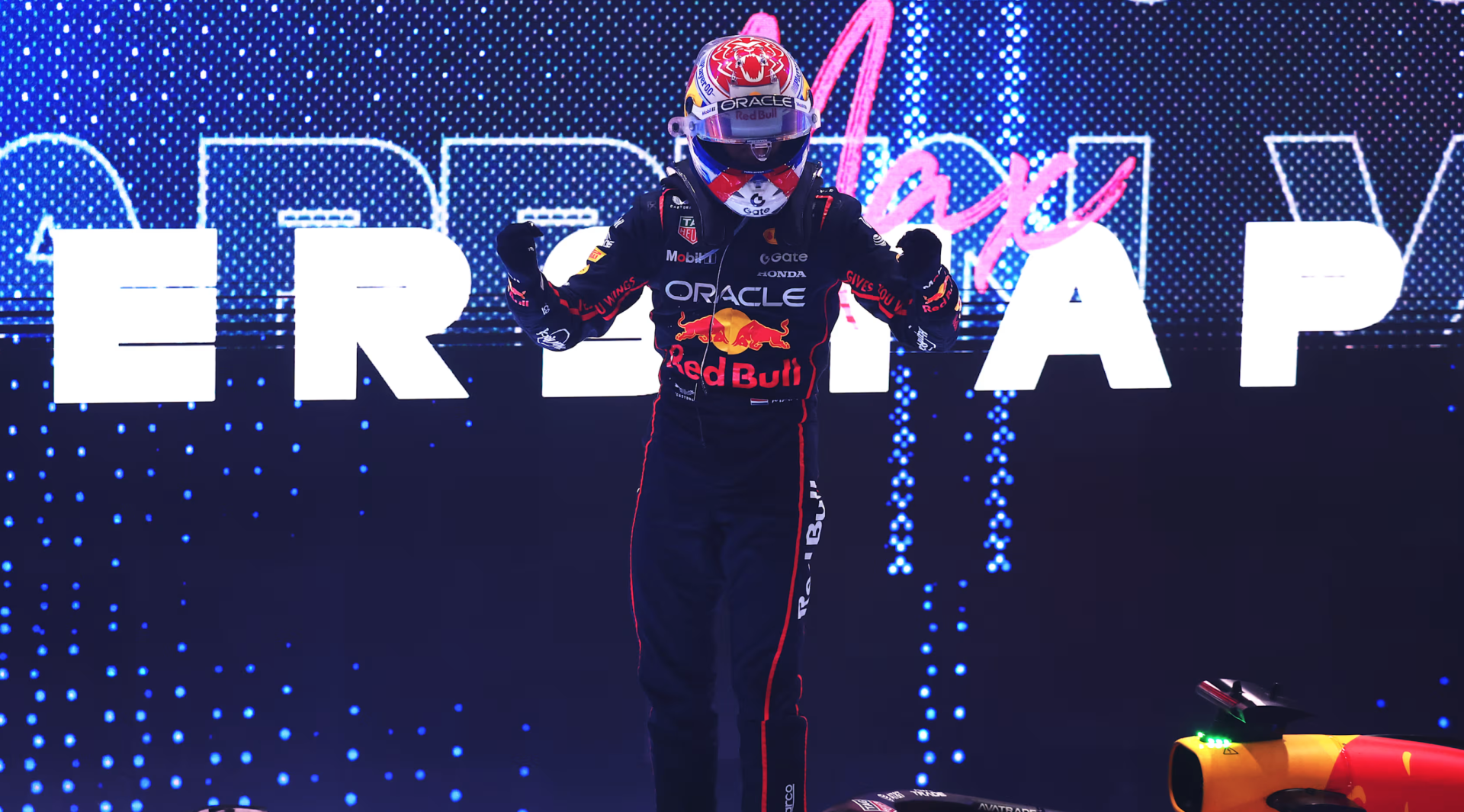
If Verstappen ends up winning this championship, it will not be because Red Bull out-engineered McLaren. It will be because McLaren out-blundered themselves. They left the door open again and again, and Verstappen, still the most complete driver on the grid, walked right through it.
There was also a clear layer of arrogance in McLaren’s approach. The team acted as if the championship was already theirs, as if Red Bull and every other competitor had been neutralised. That complacency blinded them to the consequences of their choices. By believing they could not lose, McLaren created the exact conditions under which they did.
This championship should already be decided. Oscar Piastri should already be out of reach. The only reason he is not, is the team he drives for. I am putting forward a bold theory here. I am fully aware of that. There is an uncomfortable truth sitting beneath everything that happened this season. Oscar Piastri, with his quiet, introverted personality and unshowy public profile, was never the driver McLaren intended to crown. That role has always belonged to Lando Norris, the long-standing team darling, the polished media product, the commercially valuable face of the project. Of course, the publicly praised “pure racing spirit” of McLaren did not allow to openly declare that one driver is the chosen one. They must present equal opportunity, equal status, equal support.
But anyone watching closely could see the pattern. When the moment came to protect a title bid, decisions consistently tilted in one direction. When mistakes happened, one side of the garage absorbed the benefit and the other absorbed the cost. Behind the talk of “Papaya Rules” and “fairness,” the commercial truth loomed larger. Norris is easier to market. Norris sells better. Norris fits the brand. And in Formula 1, marketing power often speaks louder than merit.
But perhaps the Australian Oscar Piastri simply was not English enough?
As always,
Just my 5 cents.
//Alex
 alexreusch