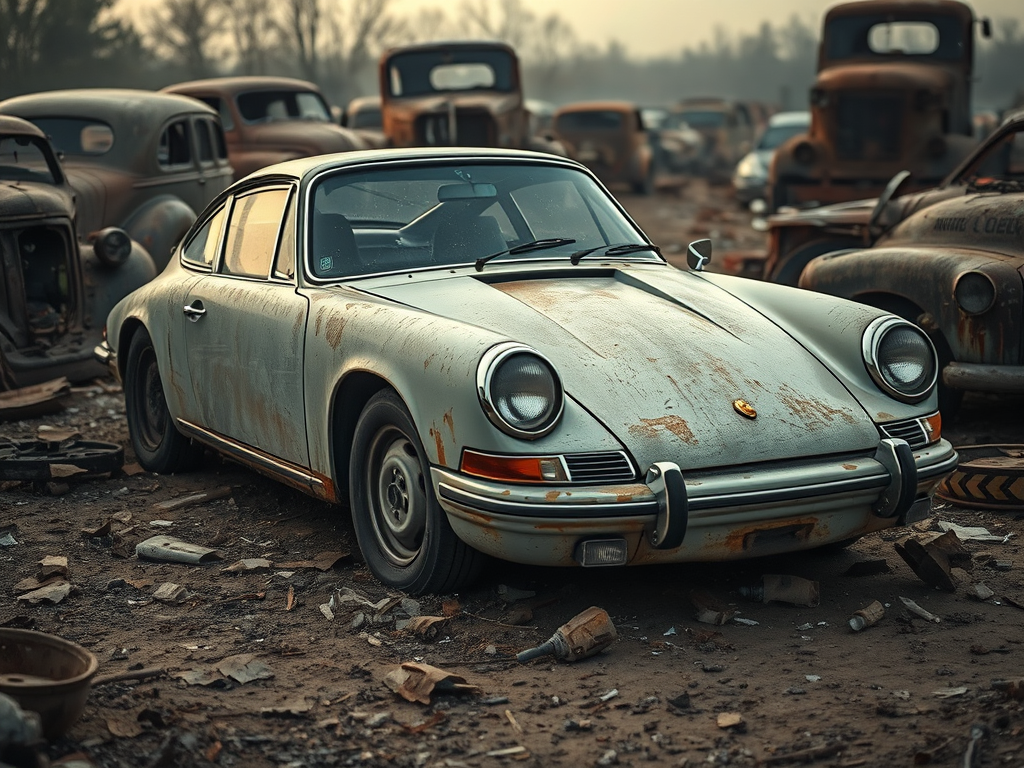
There are collapses that announce themselves with noise, and others that begin quietly. Porsche’s moment arrived in silence. A company long defined by waiting lists and admiration has reported a near €1 billion quarterly loss and almost total profit evaporation. Numbers do not panic. They whisper. And what they whisper here is uncomfortable: The age of automatic Porsche supremacy is over. Predictably, the loudest voices rushed to the simplest explanation. Too many EVs, or too few. As if Porsche could flip a switch and reinvent itself on a quarterly horizon.
This is not about one technology choice. It is about the incompatibility of two eras, two philosophies, two time horizons colliding inside one brand. And Porsche, more than any other marque, sits trapped between them.
A Company built for Long Time meets a World built for Fast Time
Car development takes years. True engineering mastery takes decades. Porsche rose in a world where patience, refinement, and engineering rigor were rewarded. Electric mobility does not operate in that world. The EV market runs on digital tempo: Frequent iteration, fast obsolescence, relentless software cadence.
One cannot build a timeless machine on a smartphone upgrade cycle. Yet that is exactly the contradiction Porsche faces.
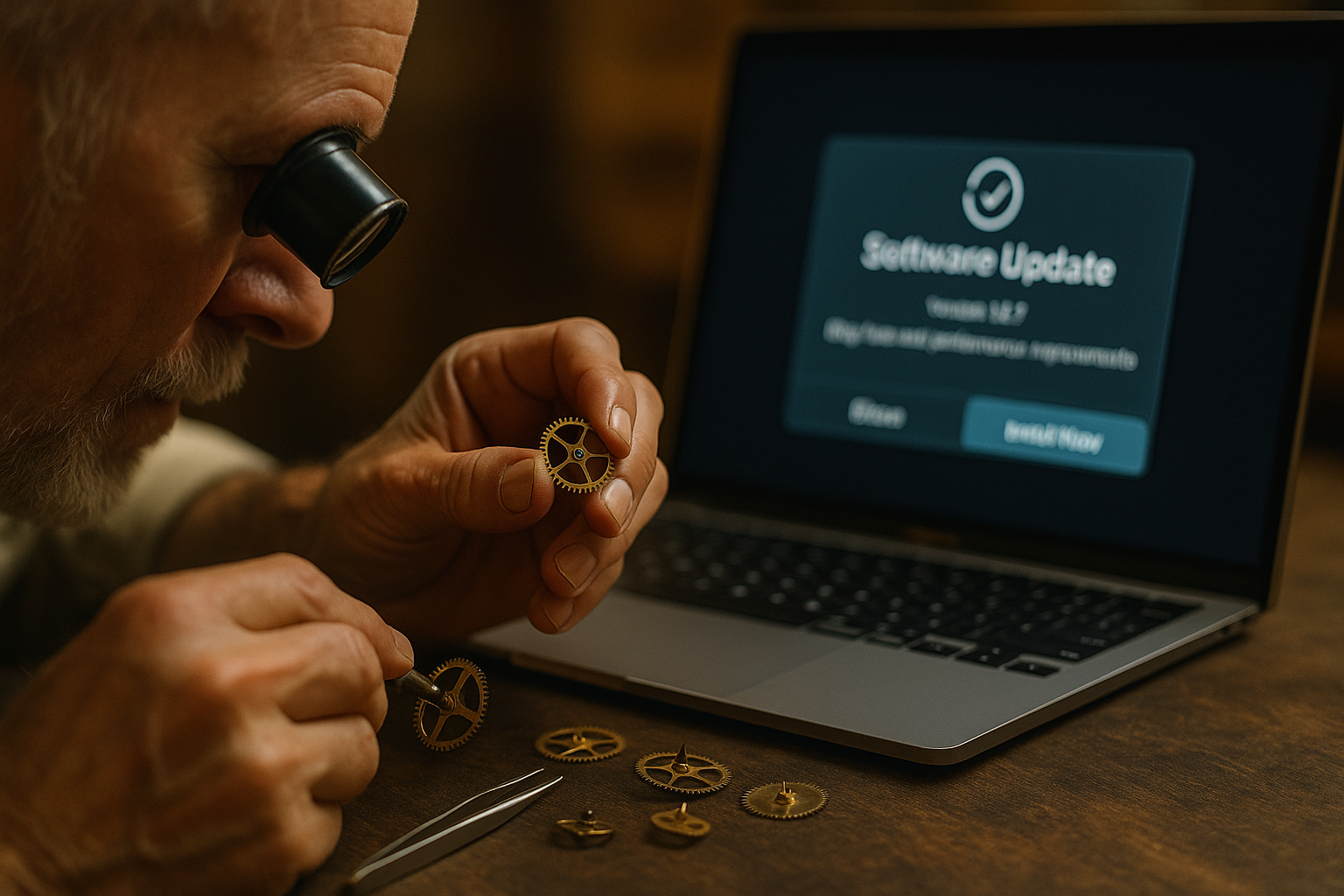
A Brand whose Essence was Immortality
Porsche did not build just cars; it built objects meant to outlive their owners.
- A 911 was a lifelong companion
- Restoration was expected
- Mechanical purity was identity
- Value retention was nearly guaranteed
Almost every Porsche ever made still exists. That is brand as legacy, not product as consumption. This was Porsche’s genius: Vehicles that transcended time.

Software does not age like Steel
Electric platforms and digital cabins changed the equation. Battery chemistry, displays, control units, OS compatibility — these have finite lives. And unlike engines and gearboxes, they cannot be machined, welded, chromed, or polished back into relevance. They expire.
Mechanics degrade. Software rots. One is heritage. The other is landfill. Even worse, German automakers have repeatedly stumbled in software. Their expertise is precision metal, not UX operating systems and OTA pipelines. That mismatch turns a Porsche EV into a fragile hybrid: Mechanical eternity wrapped around silicon mortality.
Luxury must outlive Trend Cycles
A Porsche is not a disposable purchase. It is a statement of permanence. People do not spend €200,000 on products designed to age like smartphones. True luxury markets share one rule: Expensive things must outlast trends. Watches. Architecture. Mechanical art.
Mass-market EVs can operate on a 5–10-year lifecycle.
A luxury icon cannot.
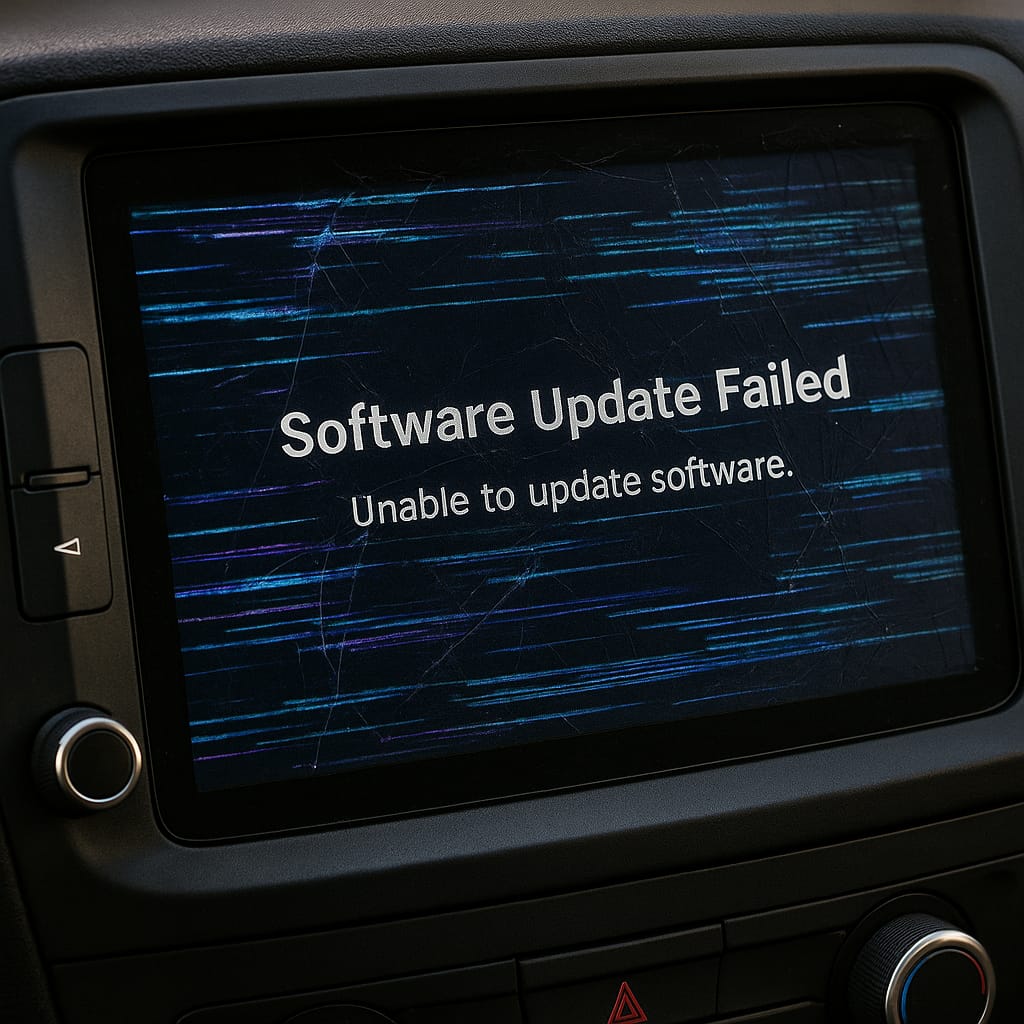
When a digital instrument cluster looks outdated in ten years and the supplier no longer exists, something more than functionality dies. The emotional contract breaks. Luxury without longevity becomes parody. Resale value is not the point. Dignity in age is.
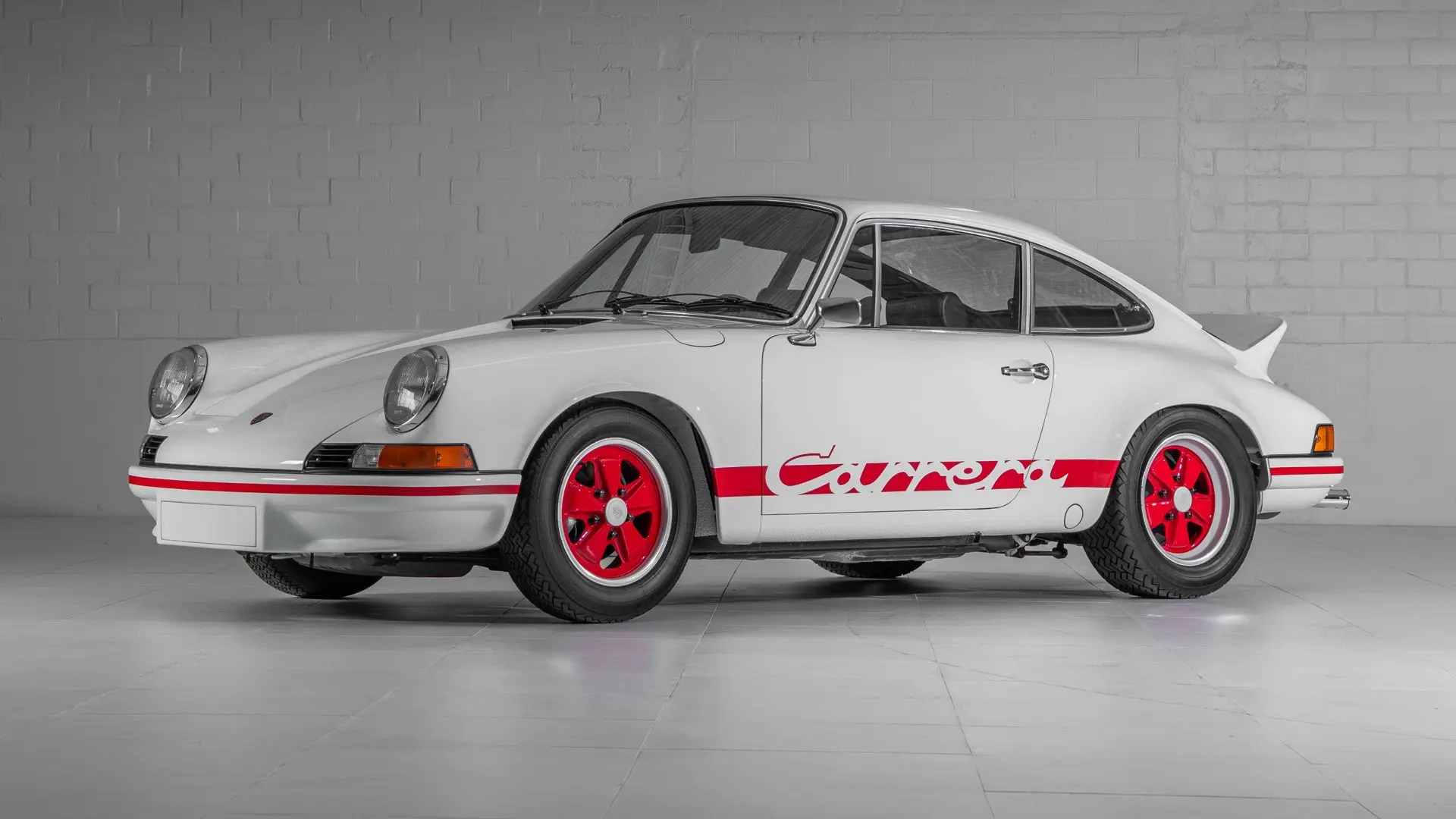
A 1973 911 Carrera RS still inspires awe.
A 2025 Taycan with a dead infotainment screen will inspire e-waste guilt.
The tragic Error: Digital Decay inside the Last Icons
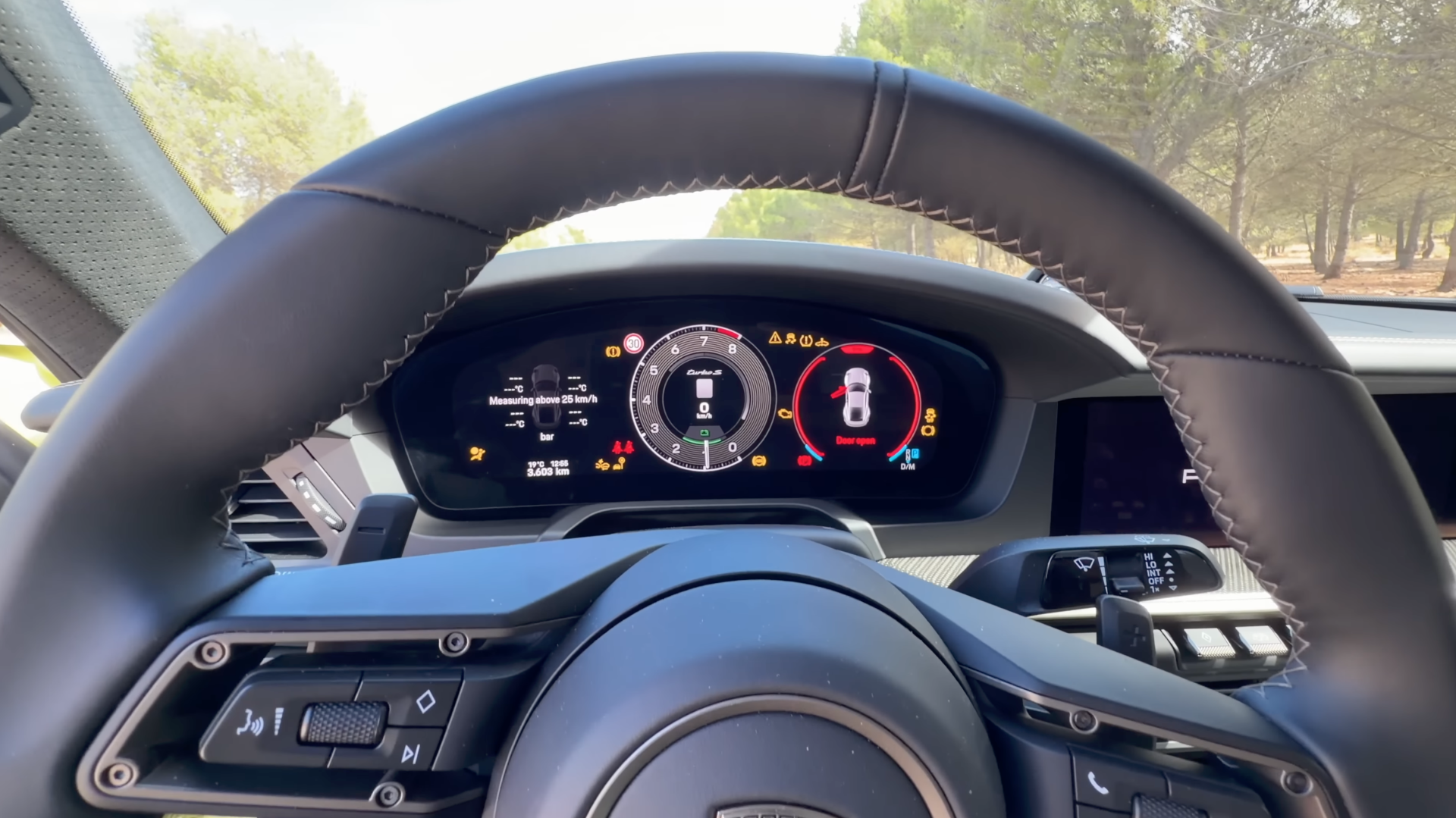
Even Porsche’s final strongholds — its most visceral combustion models — are no longer safe. 911 Turbo S, GT3, GT3 RS: The very symbols of mechanical purity.
Yet now they carry:
- Giant touch displays
- Digital controllers and firmware
- Chip-dependent instrument systems
- Infotainment stacks destined for obsolescence
The ultimate drivers’ cars quietly inherited the same digital mortality as the Taycan. Porsche managed the unthinkable: It put digital entropy inside its heirlooms. The last place on Earth that should have remained immune to tech-fashion fragility did not. This is not modernization. It is erosion of the brand’s genetic code.
A Retreat into a Shrinking Island
Sensing the cultural and infrastructural complexity of the EV landscape, Porsche is now signaling a desire to prolong the life of combustion models.
That strategy is understandable — and doomed. Yes, there remains a passionate combustion community. Yes, a 911 still makes hearts beat faster.
But culture has shifted.
Regulation has shifted.
Mainstream sentiment have shifted.
Even motorsport has shifted.
Clinging to shrinking demand is not leadership; it is retreat. A profitable niche, perhaps. But niches do not carry nations, nor do they sustain legends forever. The future buyer will not wait in reverence for a brand that waits in defiance of time.
Speed has become Commonplace
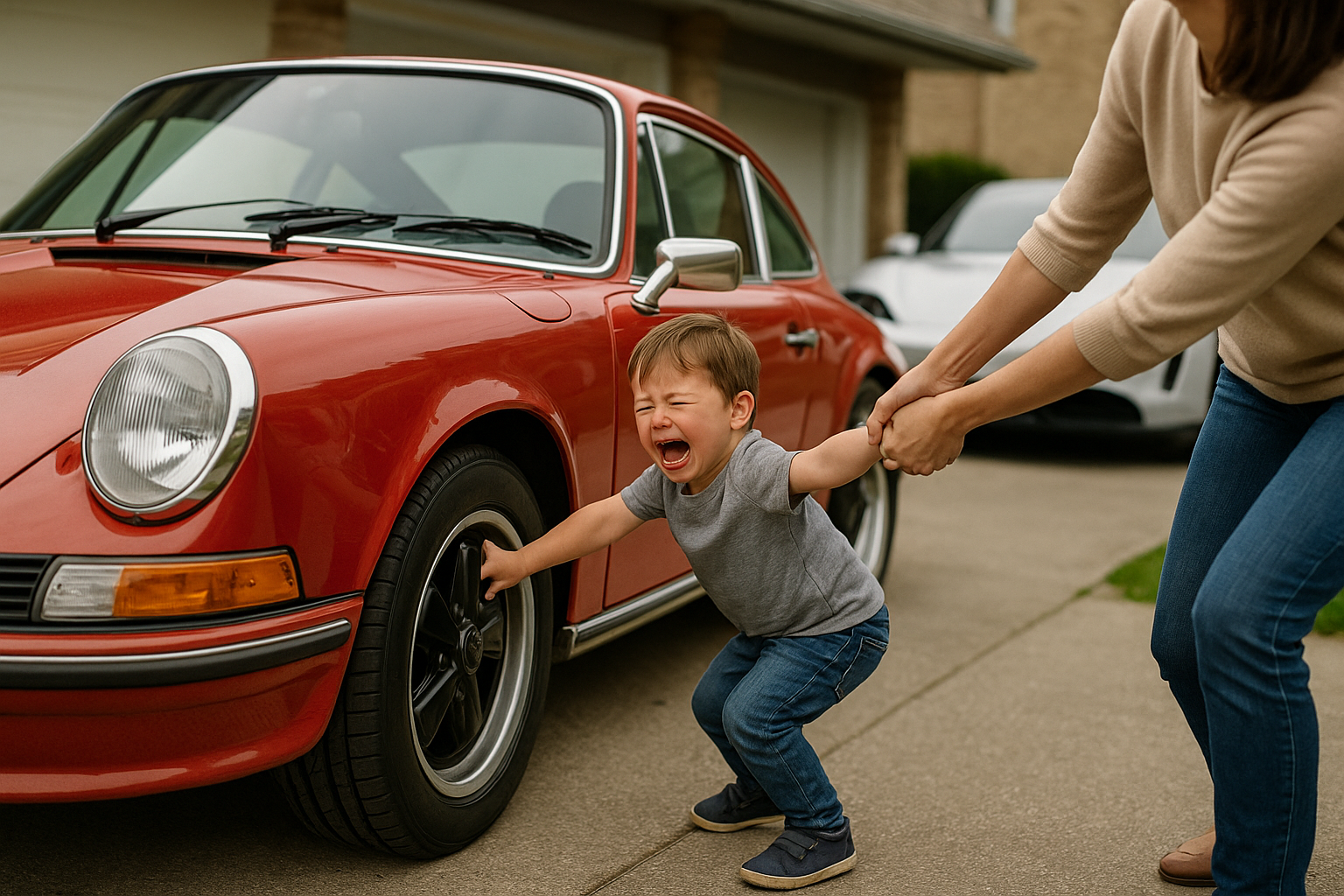
Electric torque made acceleration democratic. Performance benchmarks that were once sacred are now reachable by compact EVs. Porsche’s advantage — performance engineering as identity — has been diluted.
When everyone accelerates like a supercar, speed stops being story and becomes data point. The only defensible luxury is emotional heritage. Porsche invented it. It risks forgetting it.
When Dreams change Owners
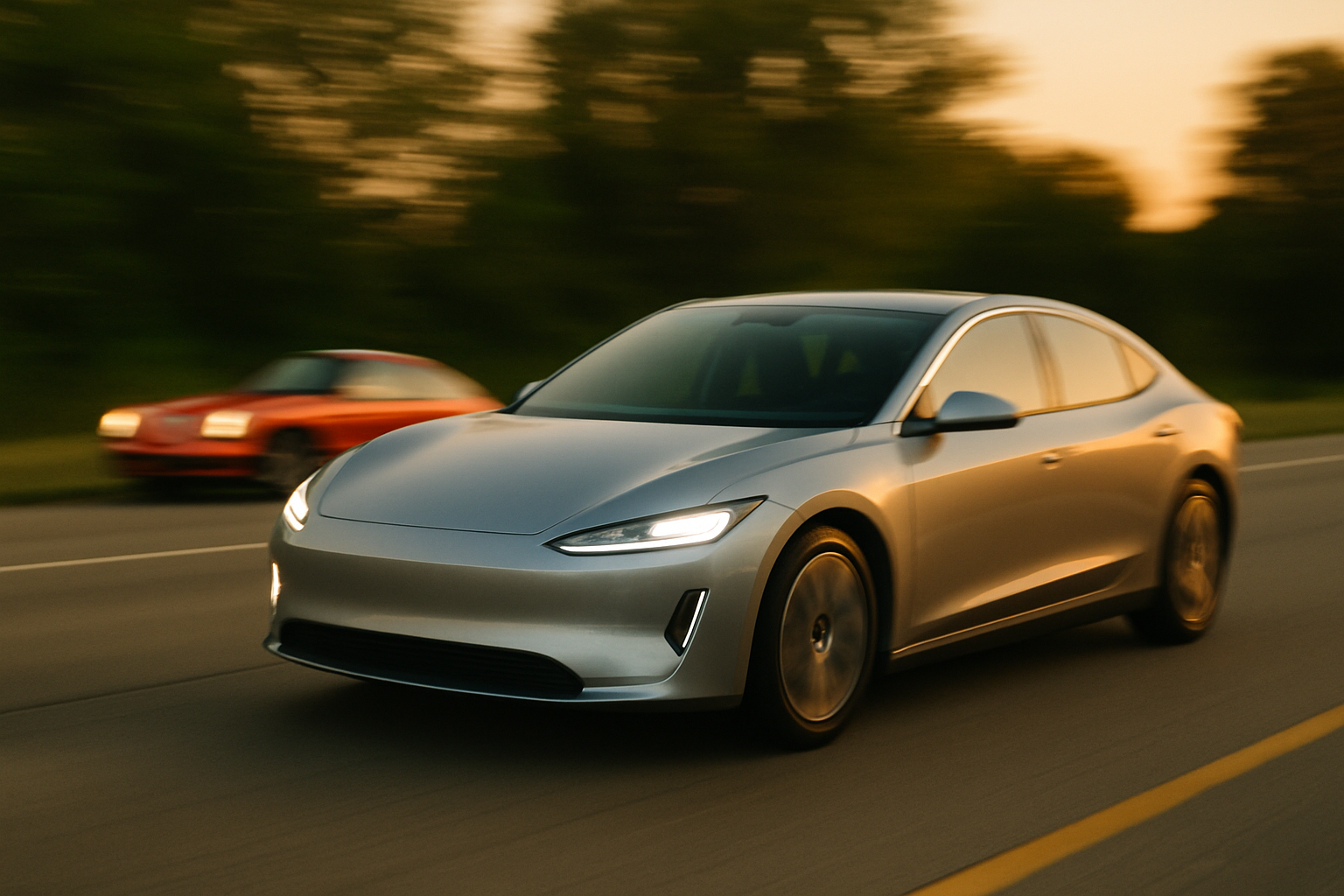
Perhaps the most dangerous shift is generational. Children do not grow up idolising flat-six engines. They grow up seeing a different future.
Tesla captured imagination not by building better cars than Porsche, but by building a different dream. Chinese EV makers now project confidence, futurism, and pace.
Porsche risks becoming the choice of nostalgia, not aspiration.
The next generation dreams of autonomy, intelligence, digital elegance. Not maintenance, rebuilding, or combustion as identity. A brand dies not when its current customers leave, but when its future ones never arrive.
A Warning beyond Zuffenhausen
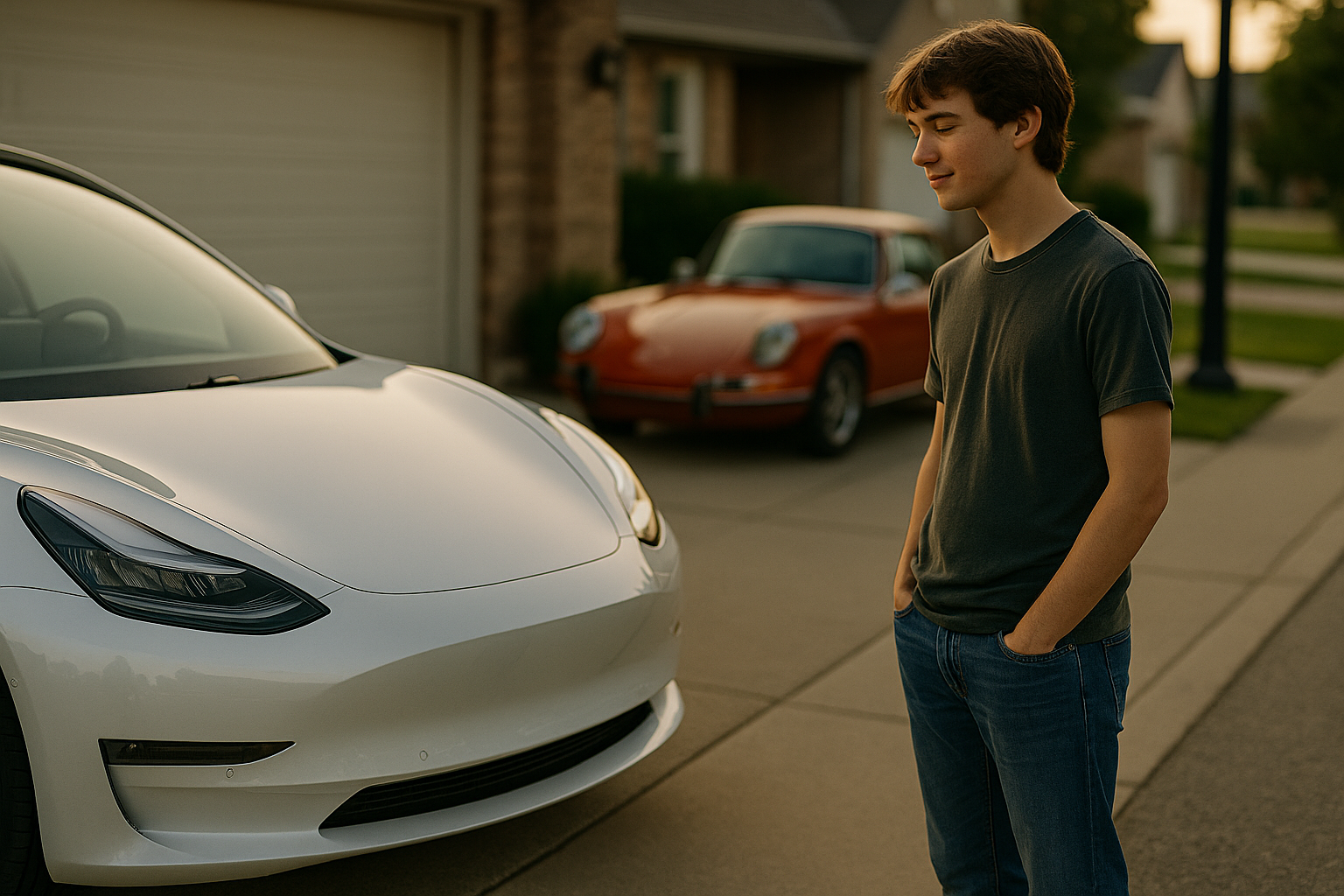
Germany has already watched world-class industries fade quietly:
- Optics
- Cameras
- Consumer electronics
- Solar energy
Automotive excellence has long stood as the last redoubt. If Porsche falters, it is not one company wobbling. It is a pillar of industrial self-belief shaking. And the fall, if it comes, will not be dramatic. It will be a gentle forgetting.

The Question every Porsche must Answer
Porsche does not need to beat Tesla in software. It needs to preserve something Tesla never had: The ability to build eternity. The question is deceptively simple:
Will anyone in 2055 covet a 2025 Porsche the way people today covet a 1973 Carrera RS?
If the answer is no, then the crisis is not financial, and not technological. It is existential. A legend does not die when engines change. It dies when time no longer honours it.
And time, for Porsche, is no longer automatically a friend.
Just my 5 cents.
//Alex
 alexreusch