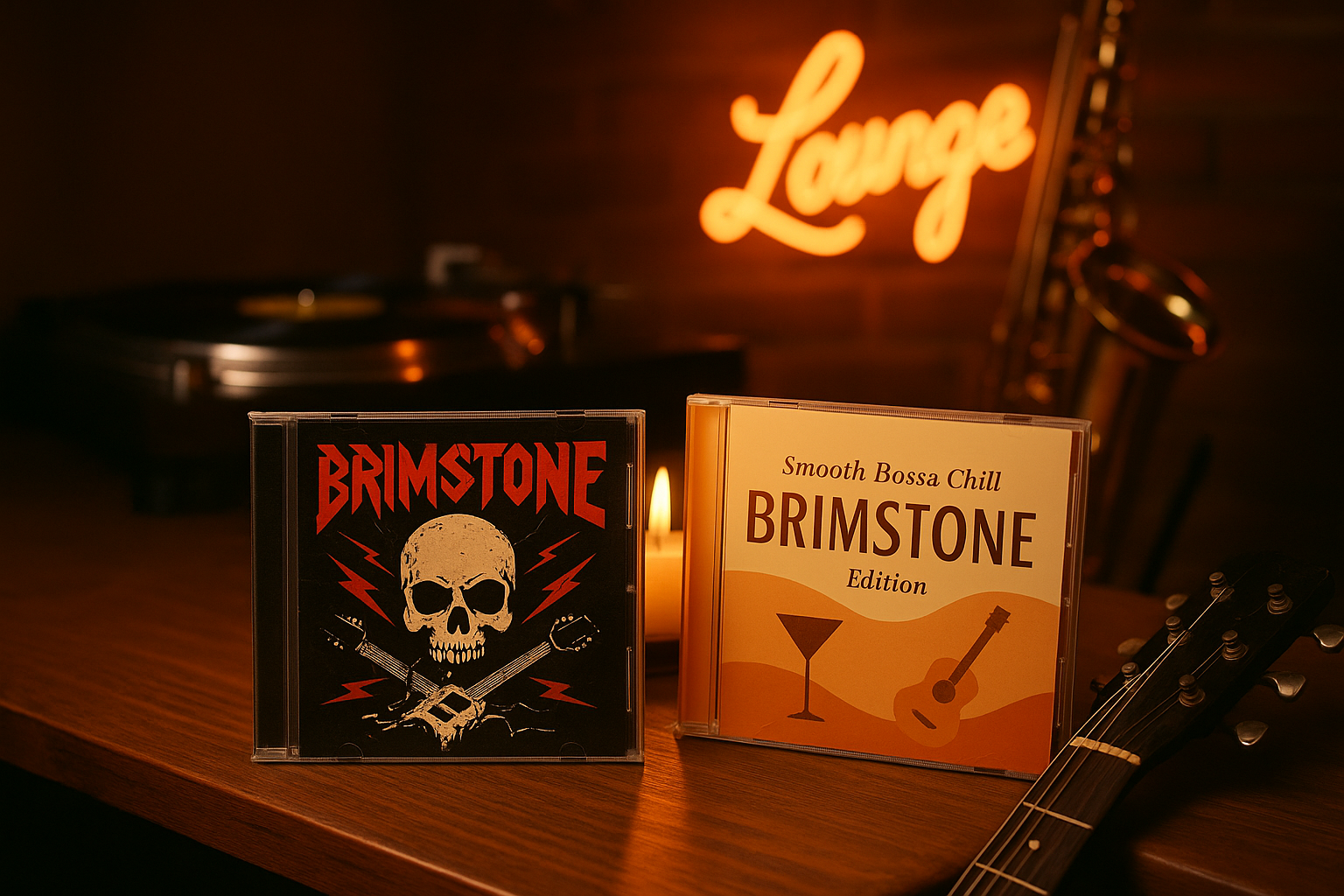
Music matters to me. Deeply. It is not just something pleasant in the background. It is a passion, a lifelong companion and often a source of pure joy. I love music across genres: Soul, Jazz, Experimental Fusion and yes, I adore Bossa Nova. Real Bossa Nova. The authentic, timeless kind that emerged in the early 60s, shaped by giants like Stan Getz and João Gilberto and brought to life in masterpieces like the stunning Sergio Mendes & Brasil ’66 albums produced by Herb Alpert. And then there is Astrud Gilberto — the unmistakable, breath-soft voice that defined a generation and made the world exhale and sway. That tone isn’t just singing; it’s air, sunlight, saudade, and elegance distilled into sound.
Quincy Jones deserves to be mentioned as well. He did not simply experiment with Big Band Bossa Nova. He elevated it with elegance and respect, giving the genre a refined jazz sophistication without losing its soul. Artists like Jorge Ben Jor, Antônio Carlos Jobim, and even jazz legends like Coleman Hawkins have all left remarkable imprints on the genre. And let’s not forget Walter Wanderley — whose Hammond organ rhythms are nothing short of magic. That music is warm, honest, nuanced, playful, and most importantly: Authentic. It has a pulse, a purpose, a soul.
Now let’s talk about the other side: The sonic hell that has infiltrated bars, lounges, restaurants, and elevators everywhere:
Manufactured “Bossa-Lite” background music.
You know the type. Not real Bossa Nova — but a cynical aesthetic hijack of its sound, turned into bland wallpaper for “lifestyle ambience.” The formula seems to be:
Take literally any well-known pop or rock song, remove its character, liquefy it into a soft lounge-friendly paste, drown it in fake Latin percussion and whisper-vocals, then loop it until you regret having ears at all.
And then it happens. Songs that were born from sweat, distortion and rebellion suddenly reappear as faintly tropical hotel-lobby décor. Metallica’s Enter Sandman dissolves into lavender-candle bossa-mush, as if bedtime stories are now curated by corporate wellness consultants. Nirvana’s Smells Like Teen Spirit drifts past like background noise in a concept brunch-café serving “artisanal oat foam.” Wu-Tang’s C.R.E.A.M. politely reshaped into “Cappuccino Relaxed Easy Ambient Mood.” Rage Against the Machine’s Killing In The Name reduced to polite hand-percussion, as if rage were a tapas ingredient. These were once battle cries. Now they are playlist wallpaper for people who think rebellion comes in a bottle labelled “house-infused rosemary gin.” If music history had a war-crimes tribunal, this would surely qualify.
It’s musical beige.
Soulless, plastic, factory-assembled “vibes.”
A sonic sedative designed to offend nobody — and please nobody either.
It is anti-music.
It is taste anesthetic.
And frankly, it’s an insult to the artistry of real Bossa Nova.
To be clear: Reinterpretations can be fantastic. Maria Mena’s version of I Was Made for Lovin’ You (original: Kiss) is a perfect example: Fresh, musical and respectful. But most of what fills modern bars and “stylish” restaurants today is not reinterpretation. It is background sludge. Music without soul, without intent, without any emotional commitment. A sonic sedative.
Dear bars and restaurants:
You have a world of extraordinary music at your fingertips. If you want the gentle elegance of Bossa Nova, play the real thing. It exists. It’s glorious. It’s right there. Stop serving us this artificial, soulless lounge mush. Fuck the artifical Bar & Lounge Playlists! If you care about ambience, then have the dignity to curate music with personality, heritage, and heart — not algorithmic “Bossa-by-numbers” drivel that turns meaningful sound into scented-candle audio sludge.
Good taste deserves better.
Your guests deserve better.
And above all: Music deserves better.
Just my 5 cents.
//Alex
 alexreusch