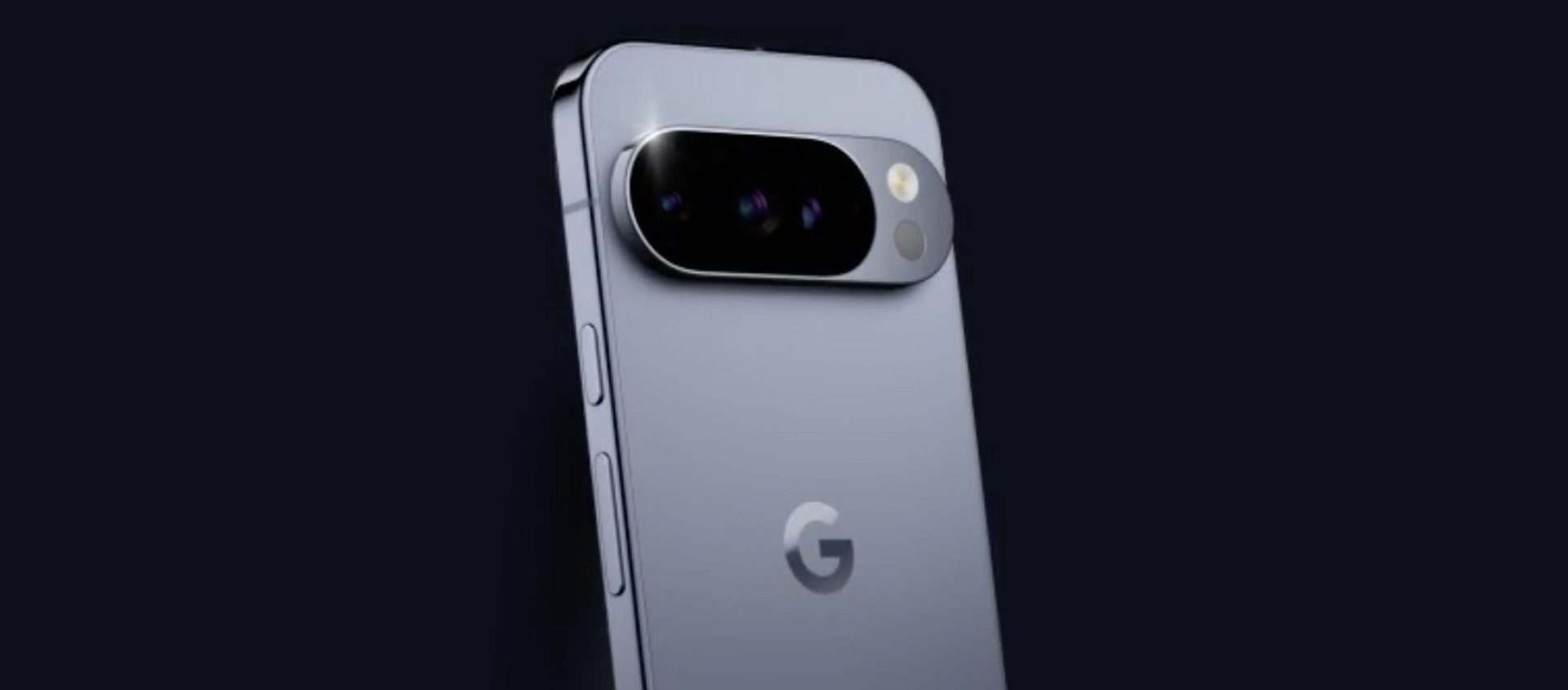
Congratulations, Google. You’ve done it again! You’ve managed to take something as basic, as universally expected, as charging a phone, and turn it into a magic trick worthy of Vegas.
The Pixel 10 Pro doesn’t just charge slowly. Oh no, that would be too normal. It pretends to charge. Place it in your Tesla’s wireless charging box, watch the little green battery icon proudly announce with a ping sound: “Yes, I’m charging!” And then… nothing. Zero. Nada. The battery percentage stays exactly where it is, like a stubborn toddler refusing to eat broccoli.
And before anyone asks: Yes, I turned off Adaptive Charging. Disabled, gone, wiped from the equation. No “Google knows best” battery nanny slowing things down. I gave the Pixel every chance to prove itself. But instead of charging, it just stood there like a mime, acting out the concept of charging without actually doing it.
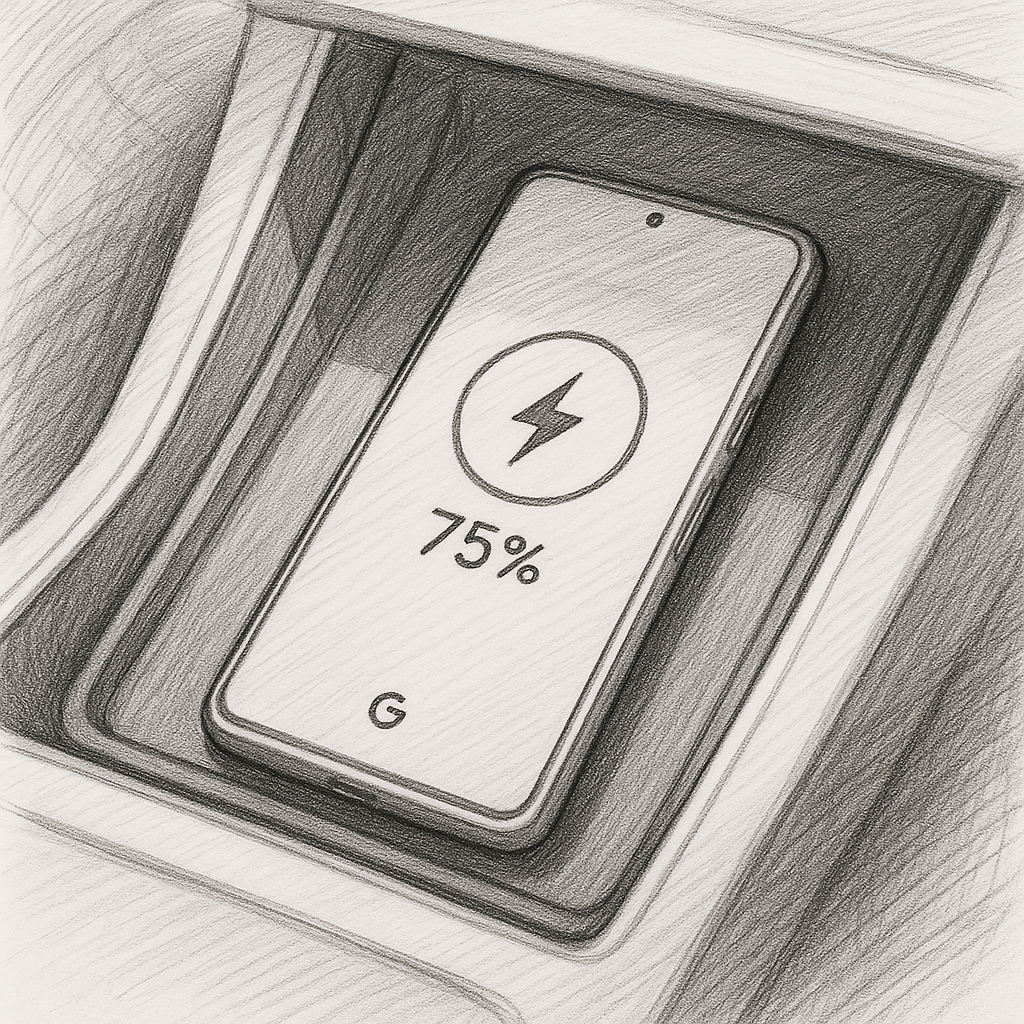
Now here’s the kicker: I drive a brand-new Tesla Model 3 “Highland”. Its wireless pad is Qi based and supports 15W, no problem. My old Pixel 9 Pro? It charged beautifully. As expected. As advertised. Nothing magical, nothing broken… just normal wireless charging like the rest of the world enjoys.
But the Pixel 10 Pro? It’s supposed to be “Qi2 ready.” Fancy new logo, new buzz, new marketing hype. Except… it still maxes out at 15W anyway. So why the circus act? Why slap a shiny “Qi2” badge if the end result is a lame duck that can’t even keep up with last year’s phone?
Meanwhile, every other phone I drop into the Tesla’s charging box: iPhones, Samsungs, random Androids – charges just fine. They drink that 15W like water. But the Pixel 10? It goes straight into Pretend Mode, smugly flashing the charging icon while the battery percentage smirks and refuses to budge.
Of course, Google will tell us this is “the future.” Maybe they’ll spin it as Sustainable Charging, a feature that saves energy by not actually using any. The Pixel 10 could market itself as the world’s first environmentally neutral phone charger. After all, what’s greener than drawing no power at all?
So here we are, with a thousand-dollar slab of glass and silicon that’s basically a clone of a clone of a clone, except this one comes with a special new feature: Bullshit Charging Mode™. It looks like it’s working. It reassures you it’s working. But your battery laughs in your face as it continues its slow march to zero.
Well played, Google. You didn’t just build a phone. You built the world’s most expensive placebo.
And why did I even switch to the Pixel 10 Pro in the first place? Well, my beloved Pixel 9 Pro had a little “accident.” It fell – ever so gently – into soft beach sand and got ever so slightly damp. No, it wasn’t 1.5 meters underwater for 30 minutes, as the glorious IP68 certification supposedly promises. It wasn’t even submerged a centimeter. Just in damp sand for maybe ten seconds. And then? A couple of faint hiccups, and it was dead. Forever.
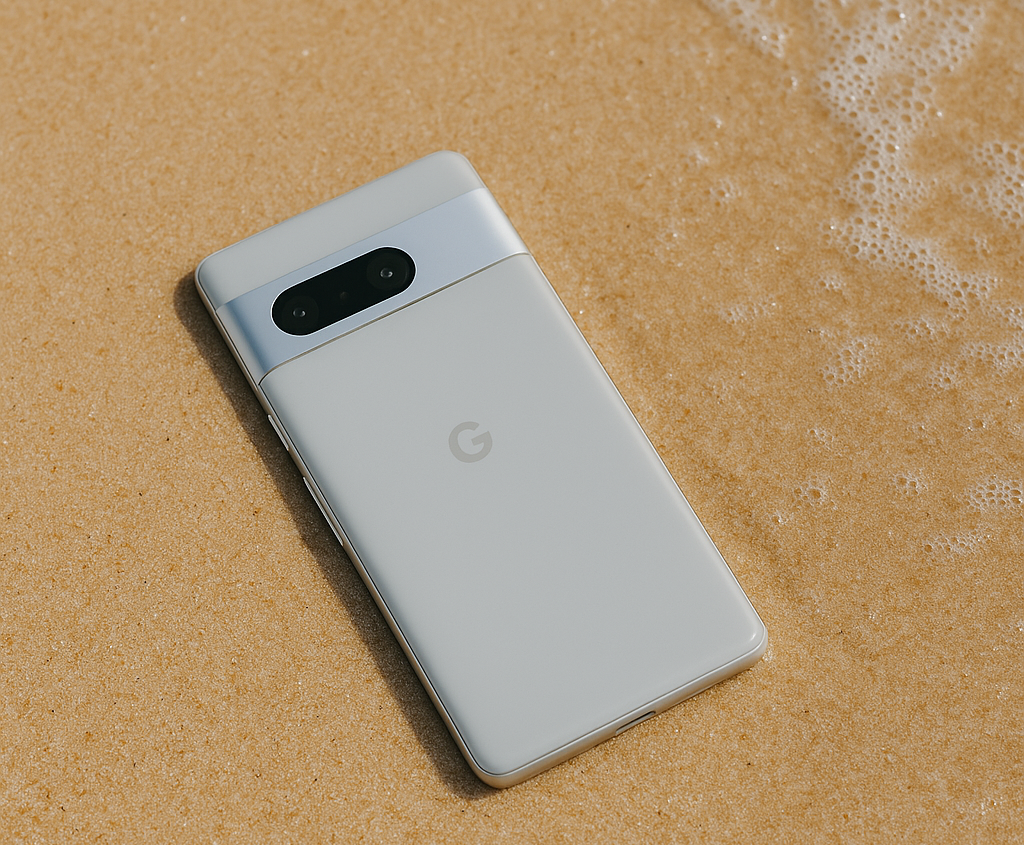
Warranty case? Of course not! Because, surprise: Water damage is excluded from all warranty claims. So what exactly is the point of bragging about IP68 if the phone can’t survive a few grains of wet sand? The joke’s on me though, because I went ahead and bought the shiny new successor. And now this Pixel 10 Pro can’t even manage proper wireless charging. Looks like I’ll be crawling back to a USB cable just to get a decent charge in my Tesla.
And while we’re on the subject of brilliant Google engineering: Enter the new Pixelsnap wireless charger. A triumph of design stupidity. It comes with a laughably short 1-meter cable, permanently welded to the charging plate like some medieval torture device.
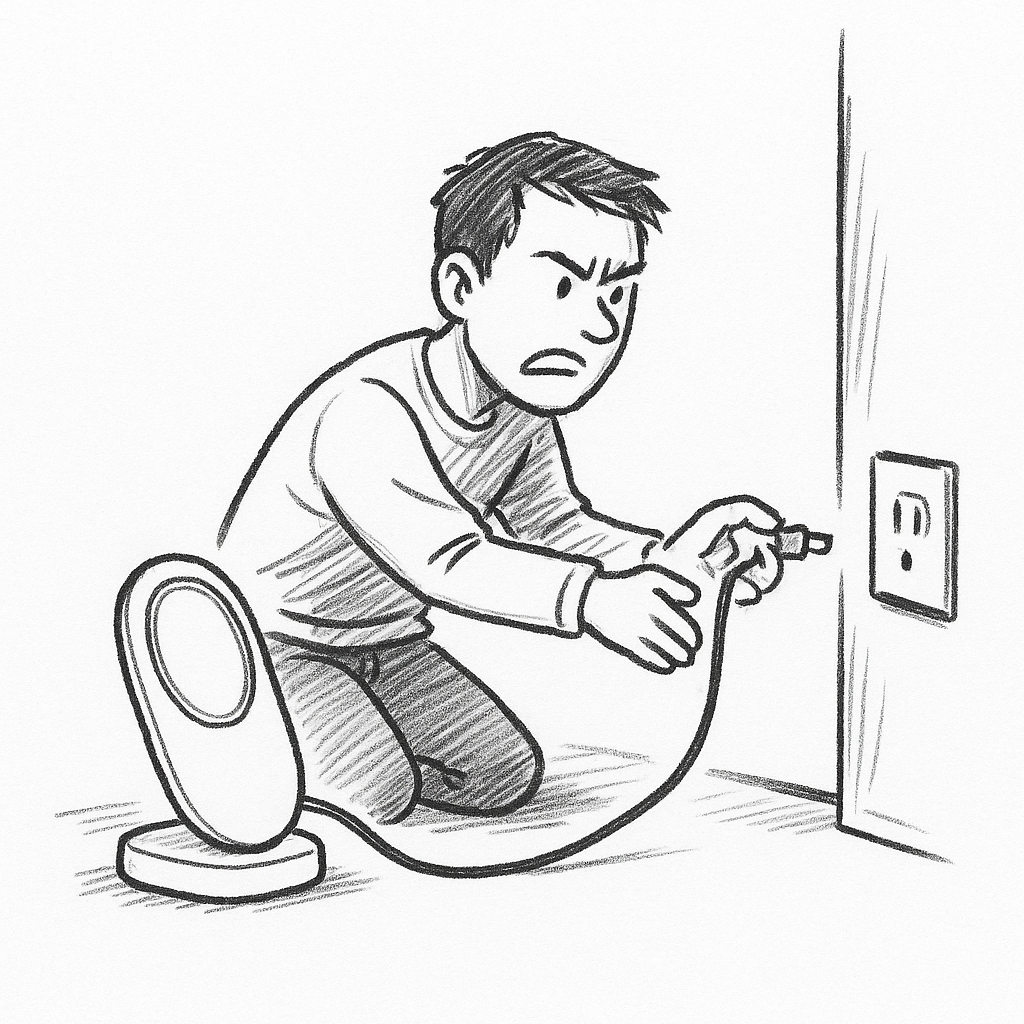
No detaching, no replacing, no upgrading. Just you, forever shackled to that one flimsy cord. Bravo, Google! Honestly, I’d love to meet the masterminds who signed off on this “innovation.” Not to congratulate them, but to give them a firm shake, preferably until a few drops of common sense finally rattle loose.
Just my 5 cents.
//Alex
 alexreusch