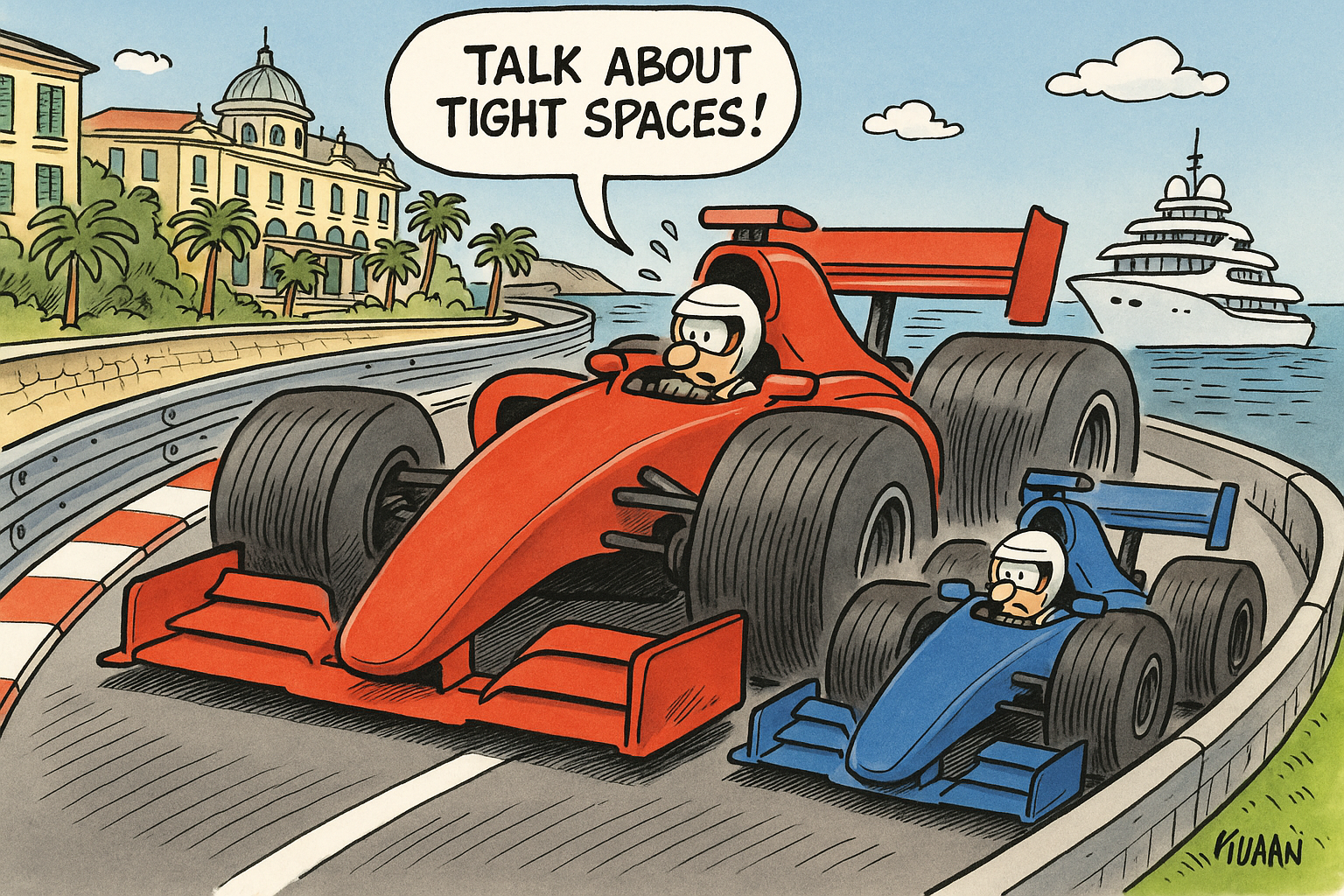
Ah, Monaco. The crown jewel of Formula 1! A race where yachts outnumber overtakes and the glitz often overshadows the grit. The 2025 edition was no exception, offering a spectacle more akin to a high-speed parade than a competitive race.
The Procession Continues
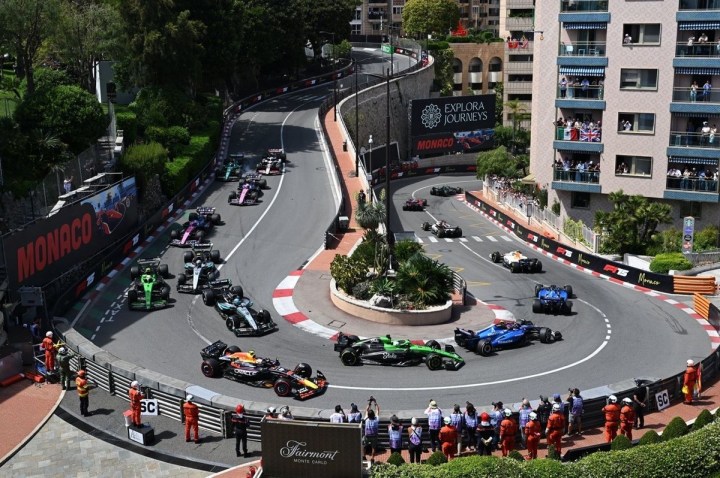
Despite the FIA’s well-intentioned introduction of a mandatory two-stop rule aimed at spicing up the action, the race remained largely processional.
Lando Norris victory was never in jeopardy, with Charles Leclerc and Oscar Piastri completing a podium that mirrored the starting grid. Overtaking was virtually non-existent, with only two on-track passes recorded throughout the 78 laps. The forced two pit stops made the result even more predictable and even caused some racers a lot of nerves. Only a few yellow phases brought some excitement.
Strategic Shenanigans
Teams, ever the strategists, found ways to exploit the new rules. Williams and Racing Bulls employed tactics where one driver deliberately slowed the pack to allow their teammate a pit stop without losing position. While within the regulations, such maneuvers raised eyebrows and questions about the spirit of competition.
Drivers Voice Frustration
Max Verstappen, finishing fourth, didn’t mince words. He likened the race to “Mario Kart,” suggesting that even adding banana peels 🍌 wouldn’t make overtaking feasible on the tight Monaco streets. George Russell echoed the sentiment, proposing a shift to multiple qualifying sessions instead of a traditional race.
Calls for Change
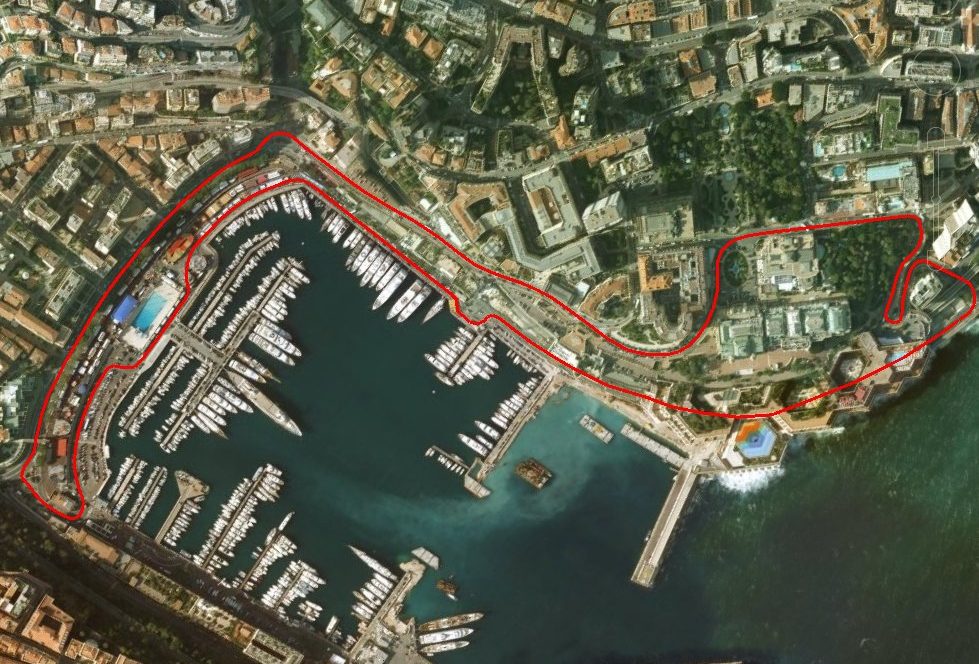
The debate over Monaco’s place in modern F1 intensified. Team principals like Christian Horner and Toto Wolff acknowledged the circuit’s challenges, with Horner suggesting that even a single overtaking opportunity could transform the race. Meanwhile, Alexander Wurz proposed feasible track modifications, such as adjusting the Nouvelle Chicane and widening certain sections (Rascasse corner and Loews hairpin) to facilitate overtaking.
The Bigger Picture
Let’s zoom out for a moment and talk about the elephant, or rather, the massive hybrid monsters in the room. The current Formula 1 cars, bloated by complex hybrid power units, have become so large and cumbersome that Monaco’s narrow streets might as well be corridors in IKEA on a Saturday afternoon. Sure, sustainability is the buzzword of the decade, but let’s be real for a second: Is F1’s hybrid approach genuinely about saving the planet, or is it just greenwashing at 300 km/h?
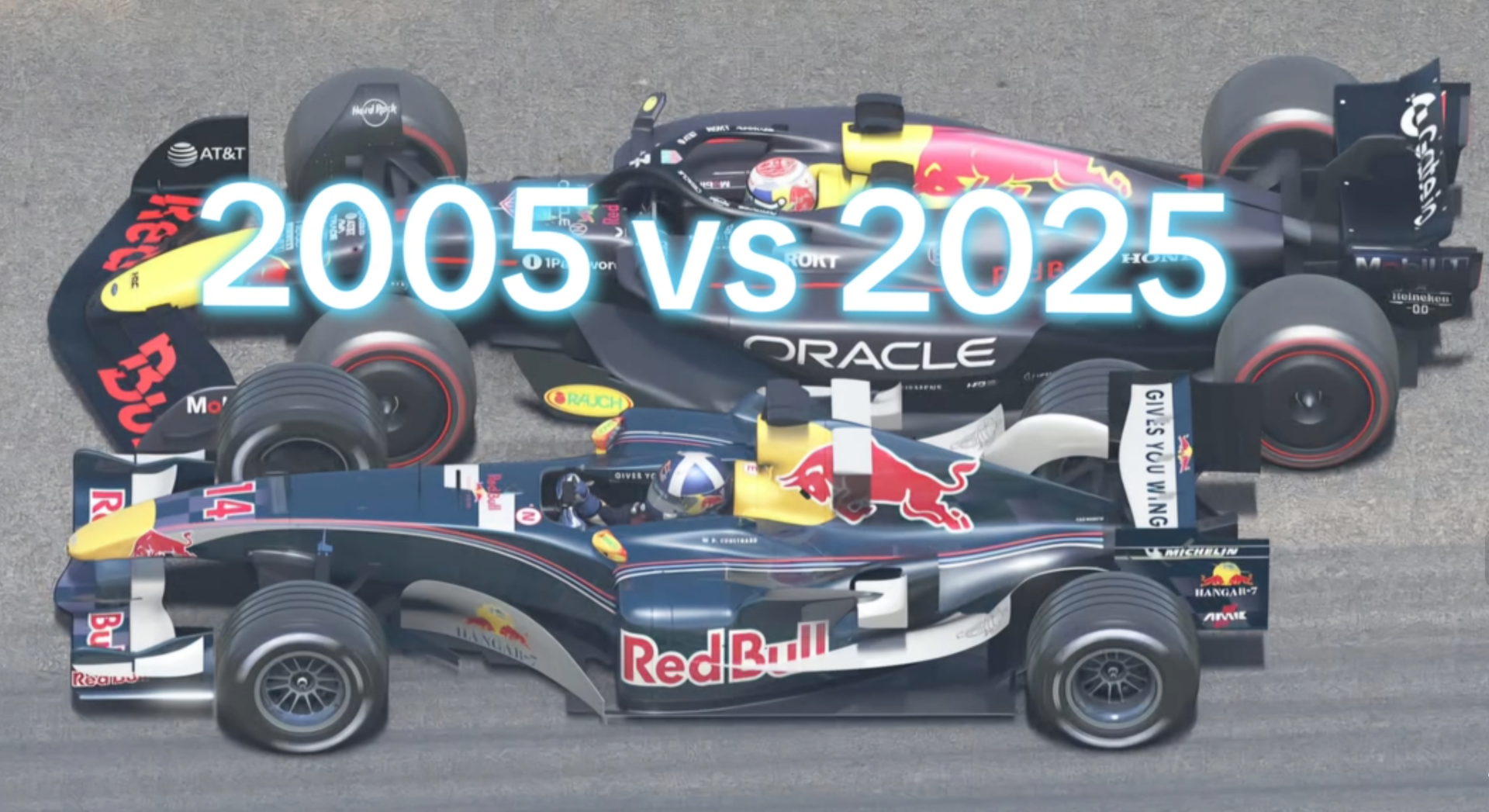
In my previous article, The 2026 F1 Regulations: You’re Doing It Wrong, I already criticized this superficial sustainability push. These heavyweight hybrid engines might slightly improve fuel efficiency, but at what cost? They’re heavier, bulkier, and arguably less thrilling. We need to stop this sustainability hypocrisy.
Let’s consider other racing series that regularly take on Monaco’s circuit. Formula E and even F2 manage more overtakes in a single weekend than F1 does all year. Why? Their cars are smaller, lighter, and far more agile. It’s not Monaco’s fault alone; it’s the oversized, cumbersome machinery F1 insists upon. Track modifications suggested by experts like Alexander Wurz are sensible and might indeed help, but let’s not kid ourselves: The real issue isn’t purely infrastructural. Formula 1 needs a fundamental rethink of vehicle design philosophy. Today’s cars are simply too long, too wide, too heavy, and too quiet. 🤫
And speaking of quiet: Can we please address the tragic loss of the soul-stirring roar of F1’s legendary engines? Where is the visceral thrill of those screaming V10 powerplants that made fans’ hearts race and ears bleed with excitement? The actual V6 Hybrid engines hum quietly, almost apologetically, as if ashamed of their own existence. Motorsport is about raw emotion, spectacle, and excitement — not artificial eco-theatrics.
Enough of the sustainability hypocrisy. If we’re serious about thrilling races, then bring back the ear-splitting symphony of classic engines. It’s time Formula 1 stopps pretending to be the pinnacle of environmental responsibility and embraces its true identity: Loud, exhilarating, and unapologetically excessive. Yes, Monaco’s circuit needs tweaks, but real action requires drastically reconsidering car regulations. The urgency lies in slimming down these lumbering giants, returning them to lighter, agile, thrilling machines capable of genuine racing.
Conclusion
Monaco remains an iconic venue, steeped in history and glamour. Yet, as Formula 1 evolves, so must its circuits and especially its cars. Balancing tradition with the need for genuine competition is no easy task. Whether through track modifications, car design changes, or innovative race formats, it’s clear that Monaco requires a thoughtful tune-up to maintain its esteemed place on the calendar. Most importantly, it’s high time we tackled the elephant in the room: F1’s misguided sustainability efforts that produce dull, oversized cars. Bring back the excitement, the adrenaline, and yes — the ear-splitting V10 roar! My most important demand: Shrink the cars!
Like always: Just my 5 cents.
//Alex
 alexreusch
2 comments