
Train travel in Switzerland is supposed to be convenient, efficient, and modern – at least in theory. In reality, however, things look quite different for spontaneous travelers. My attempt to travel from Zurich to Milan on short notice turned into a frustrating experience that exposed many weaknesses in the system.
From good intentions to second thoughts
I had actually considered just taking the car. In the end, I chose the train – for environmental reasons and because I trusted the much-praised Swiss rail network. In hindsight, the car would have been by far the more relaxed and comfortable option.
The evening before my trip, I couldn’t book a ticket for my preferred connection via the SBB App. So I opted for the EasyRide feature – a function that lets you board the train, start your journey via smartphone, and have the fare calculated automatically based on GPS when you end the trip. Sounds modern, but it only works in theory. EasyRide gives the illusion of spontaneity and freedom, but clashes with the rigid seat reservation system and unclear rules still in place at SBB.
A digital experience stuck in the past
The app itself is a prime example of failed digitalization: clunky, sluggish, and anything but user-friendly. Seat reservations are especially poorly implemented, not integrated into the ticket purchase flow, but rather a separate, cumbersome step. I’ve failed multiple times trying to make a reservation digitally, which is quite embarrassing for a country that claims to be digitally advanced. Apparently, customers are still expected to visit a ticket counter for such basic tasks. Digital? Not really. More like outdated.
So I traveled without a seat reservation, as is common on national routes in Switzerland. After all, we’re not flying here, are we? Onboard, I looked for a seat without a reservation display – properly and respectfully, of course. But the seat indicators proved unreliable: between Zurich and Lugano, I was forced to give up my seat three times for passengers holding reservations, even though the seat indicator showed no such reservation.

There were plenty of seats visibly free on the train. However, many reserved seats remained unoccupied, while seats that appeared to be unreserved suddenly turned out to be taken. It created constant uncertainty: Can I sit here, or will I have to move again in a few minutes? You’re left with no real guidance. It’s pure chaos – a constant back and forth between hope, sitting down, and being asked to move. For passengers without reservations, the journey becomes a veritable obstacle course. Apparently, many other travelers felt the same way – during the entire trip, passengers with luggage wandered through the aisles, desperately searching for a free seat, always with the uncertainty of whether a seat was really free. Instead of half-baked solutions with faulty indicators, we need clear rules: Seat reservations should be mandatory, but seamlessly integrated into the ticket purchase and with an App that can also display this visually. Those without reservations should only be entitled to standing space. Anything else leads to frustration, confusion, and needless disorder onboard.
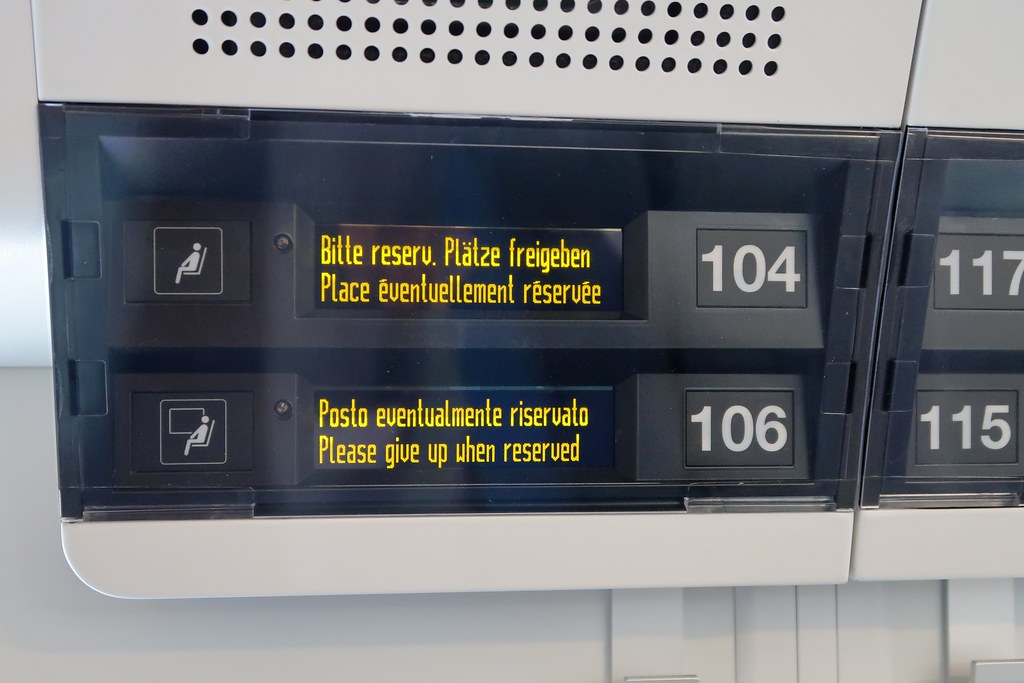
At this point, a fundamental question arises: How is it even possible to sell a first-class ticket without guaranteeing a seat? Is there such a thing as “first-class standing”? It honestly feels like a bad joke. If seat reservations are this critical, why are they not automatically included as mandatory part of the booking process, as they are in some other countries? My take: anyone purchasing a first- or second-class ticket should be entitled to an assigned seat. It should be easy to book, clearly allocated, and visibly indicated on both the ticket and in the carriage.
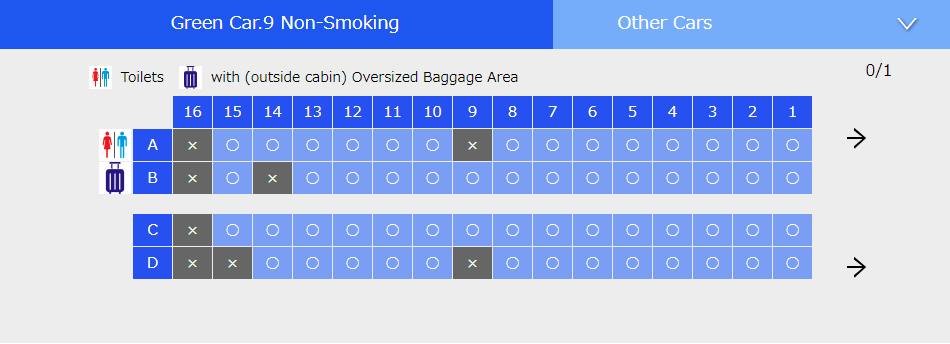
And for those who are willing to travel without a seat – or simply have no other choice – there should be transparency and fair pricing. Why not reintroduce a third class concept: a flexible area with limited seating (say, 50% first come, first served) and the rest for standing passengers? That way, every traveler would know upfront what they’re getting, and more importantly, where they should board. First and second class with reserved seating only; third class for non-reserved travel – clearly marked, fairly priced, and with no illusions… and no wandering around in search of supposedly free seats.
But the journey continued…
Shortly before Chiasso, the conductor made an announcement: “From here on, only passengers with seat reservations may remain on board.” This crucial information, absolutely relevant for anyone traveling without a reservation, was mentioned neither in the app nor on the ticket. So: disembark and try your luck with the next train? As for comfort: cramped, stuffy coaches, barely any luggage space, and little regard for the needs of today’s travelers.
Trying to fix the return trip – and failing again
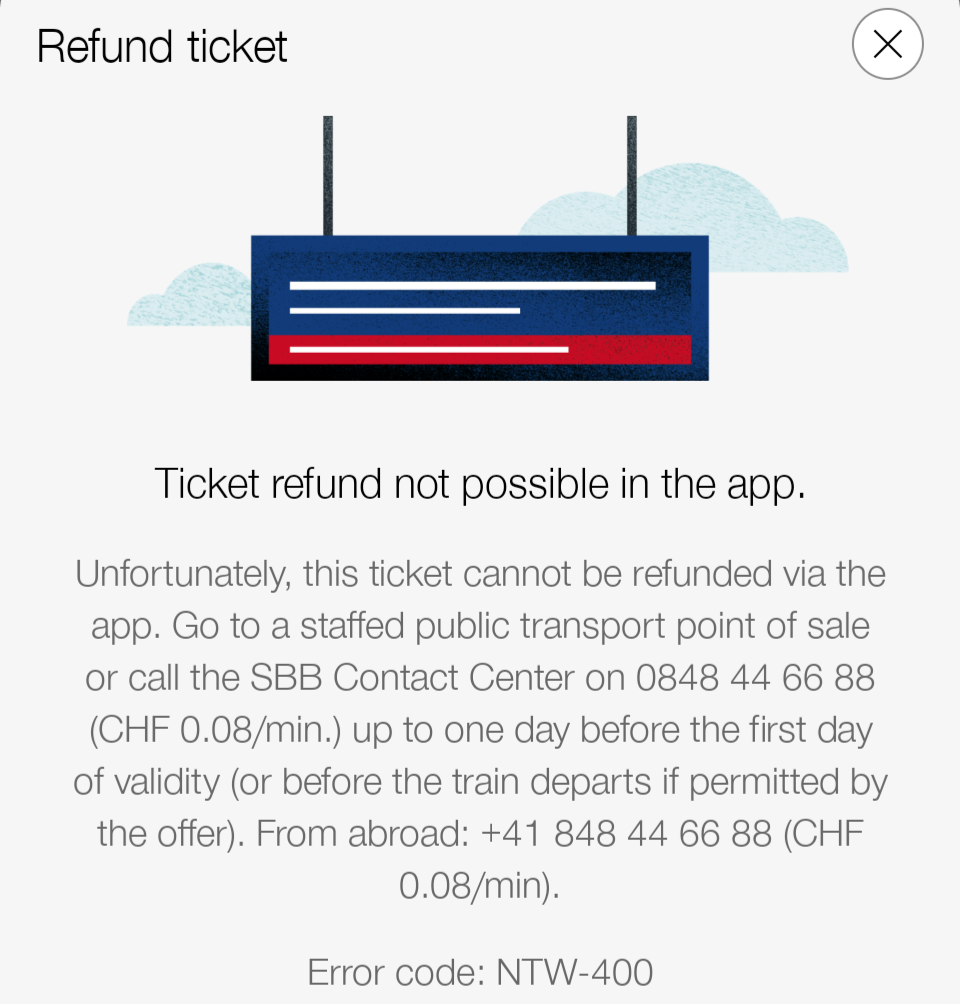
For the return trip, I wanted to learn from the first experience and book early to avoid once again being caught out by sold-out trains. I even took the cumbersome route of reserving a seat for part of the journey (it’s not even possible for the entire route) via the SBB website on my mobile browser… a truly miserable experience. Then, a bit later, I decided I’d prefer to return earlier than planned. Change the booking? Not a chance. So I bought a new ticket and tried to request a refund for the original one – which, according to the fare rules, should be possible. But once again, digital channels failed: no online refund option. Instead, you’re directed to a paid hotline. While on the move, surrounded by noisy stations and traffic, that just wasn’t a realistic option. The whole process was simply too much hassle. Honestly, I had zero patience left. Frustration, annoyance, and most of all: I’d had enough of this nonsense.
Switzerland’s high-tech image meets rail reality
Anyone who has ever traveled on a Japanese Shinkansen will feel like they’ve stepped into the digital Dark Ages in Switzerland. Spontaneity is punished, digital systems are clunky or broken, and comfort falls far short of international standards.
Conclusion: “Der Kluge reist im Zuge?” (The wise travel by train) Hardly! If you want to travel spontaneously in Switzerland, you’ll need strong nerves, lots of patience, and ideally, a car. As always: Just my 5 cents.
//Alex
 alexreusch