
Both Japan and Switzerland are renowned for their excellent rail systems. Both countries take pride in their punctuality and modern infrastructure. But anyone who has traveled by train in both nations will quickly notice: the differences are massive – especially in terms of efficiency, organization, and comfort.
Punctuality and Cleanliness – Switzerland Can’t Keep Up
Yes, Swiss trains are punctual. Most of the time. But in Japan, punctuality is an art form. If a Shinkansen is delayed by even one minute, there are apologies, reports, and genuinely concerned railway staff. In Switzerland? A “small delay” of five minutes is just business as usual.
When it comes to cleanliness, Japan plays in an entirely different league. While in Switzerland, you might find empty coffee cups or crumpled newspapers on seats, Japanese trains are spotless. Even after many years of use, the condition of a train in Japan is often better than that of a newly renovated apartment in Switzerland.
Shinkansen: The Gold Standard of Train Travel
The real game-changer is the Shinkansen. A train from another world… If you want to make a comparison with Switzerland’s “perfect” rail system.
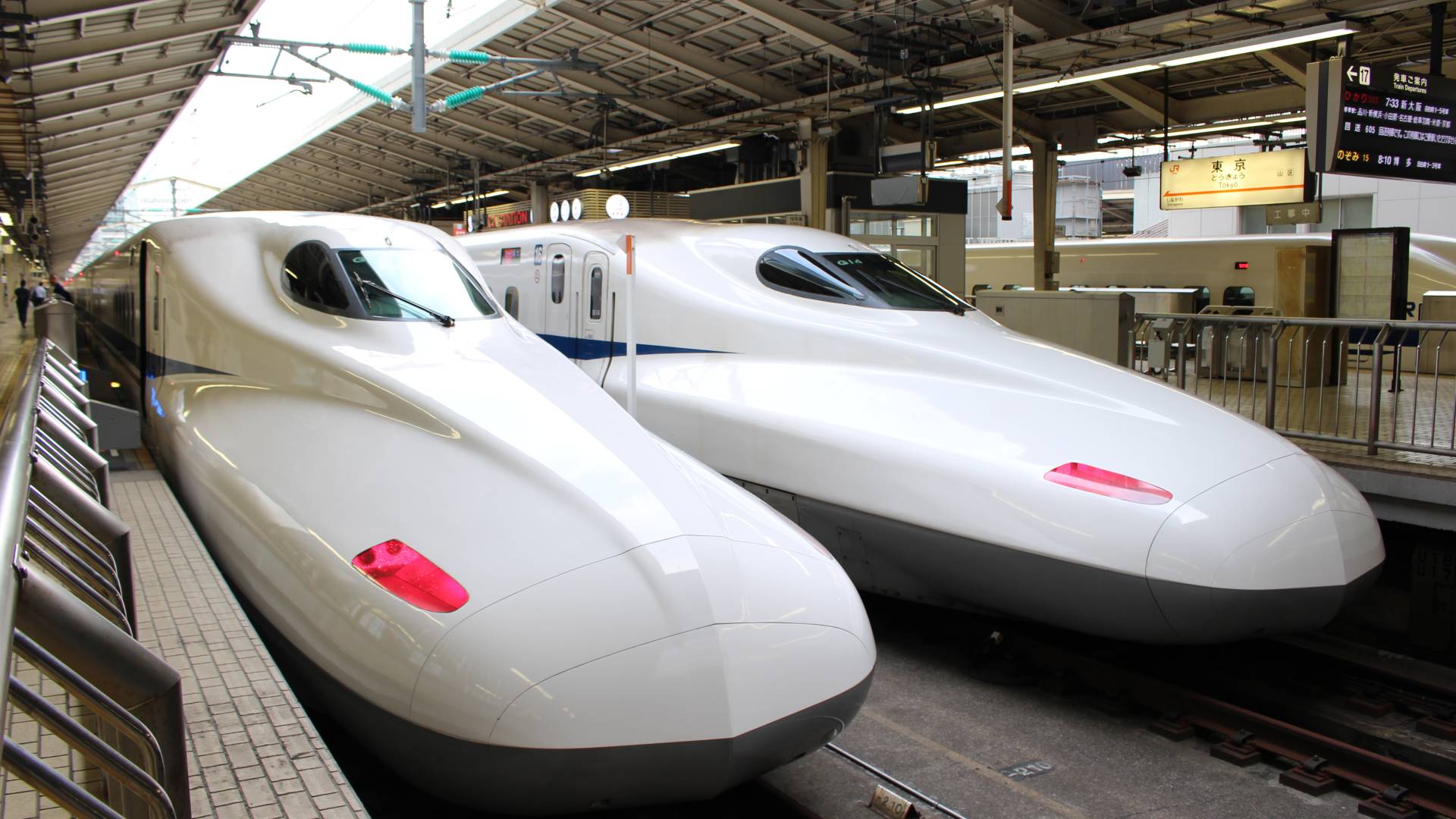
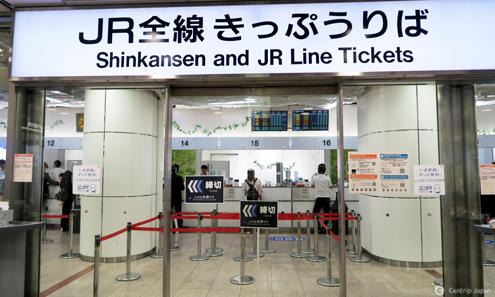
Everything here runs with a level of perfection that feels almost surreal in Switzerland. Every single seat reservation can be made effortlessly online – or lightning-fast by highly competent railway staff at the station. If you’ve ever watched a Japanese railway employee in action, you’ll understand: this is not just a job; it’s a calling. Pride, precision, and speed go hand in hand.
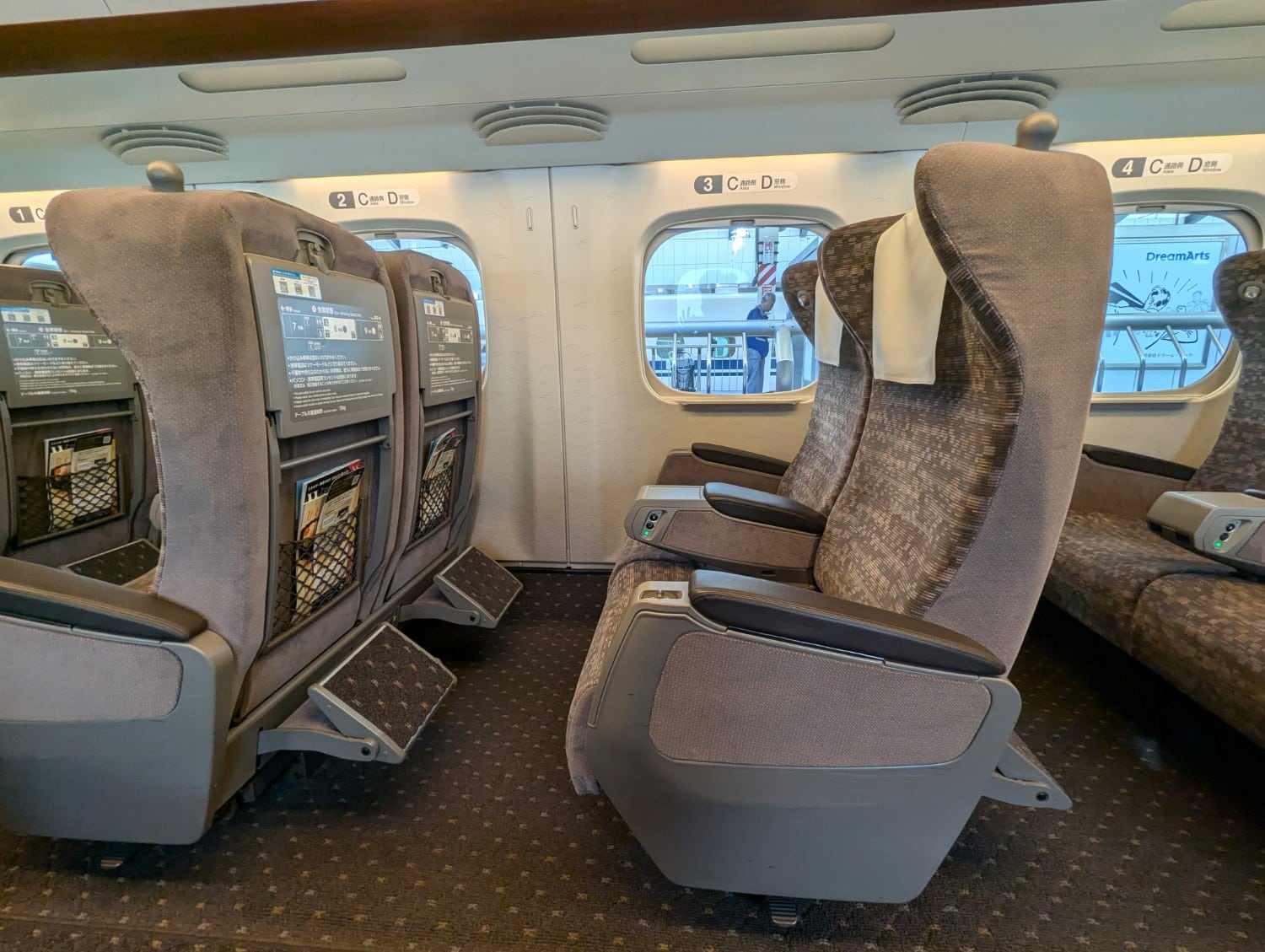
And then there’s the comfort! While in Switzerland, you’re lucky if the air conditioning works and the train is relatively clean, Shinkansen service is on another level. Refreshing towels are handed out, trash is regularly collected, and the carriages remain immaculate. The seats? Spacious and comfortable, with plenty of legroom – a stark contrast to the often cramped conditions in Switzerland.
The Platform: Chaos in Switzerland, Perfection in Japan
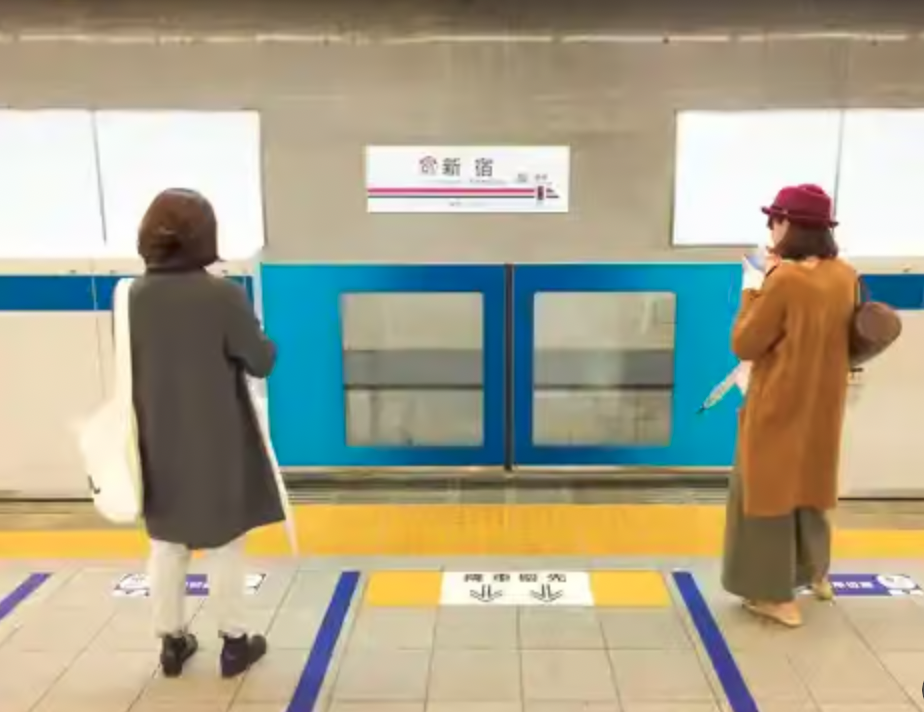
Another eye-opening experience is waiting for the train. In Japan, there is no guesswork. Floor markings indicate exactly where each carriage will stop. They show passengers where to line up in an orderly fashion – left and right – leaving a clear path in the middle for those exiting. Barriers add another layer of safety, only opening when the train is ready for boarding. This system is not just for the Shinkansen – it applies to every train in Japan, even the metro. Everyone knows where to stand. No pushing, no confusion.
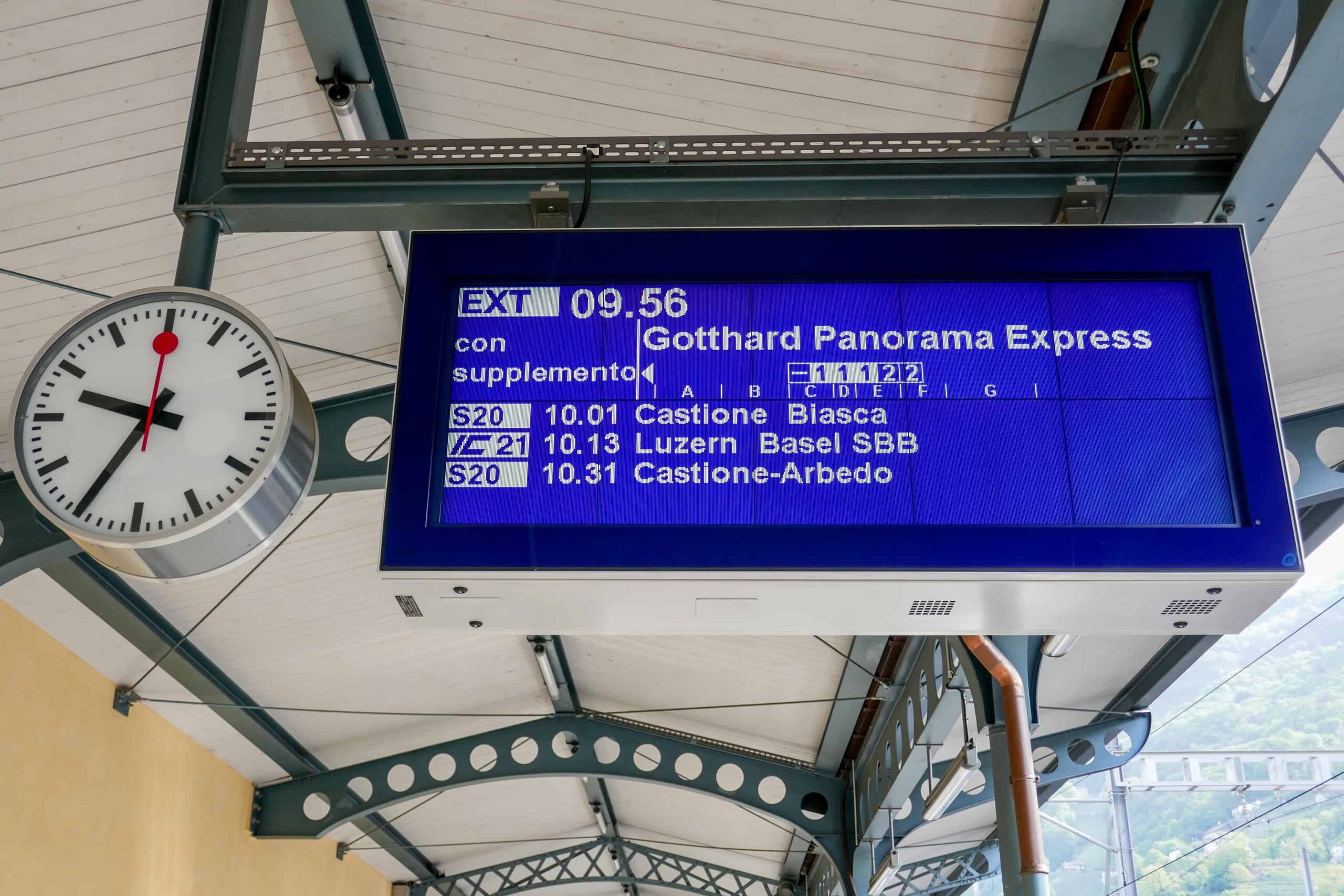
In Switzerland? Pure improvisation. If there’s an information board at all, it only gives a rough idea of where each class (marked alphabetically by sector) might stop – never the exact carriage number. And for some trains, this information isn’t even provided. Imagine buying a first-class ticket but having no option to reserve a seat, no clue where to stand, and no certainty of actually finding a place to sit. A perfect recipe for frustration. In addition, it is not possible to make reservations on all trains in Switzerland (not even in first class). There are often restrictions on reservations, which makes planning uncertain and the journey less comfortable.
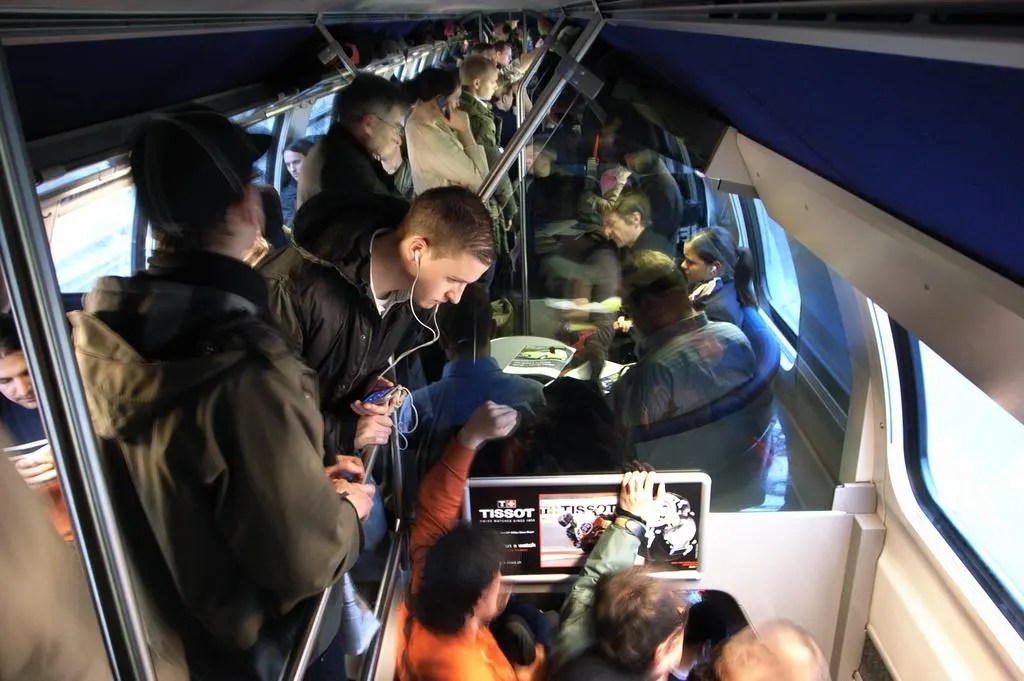
Even worse: in Swiss long-distance trains, passengers often have to stand in the compartments – crammed in tightly. A stark contrast to the Shinkansen, where standing spaces don’t even exist.
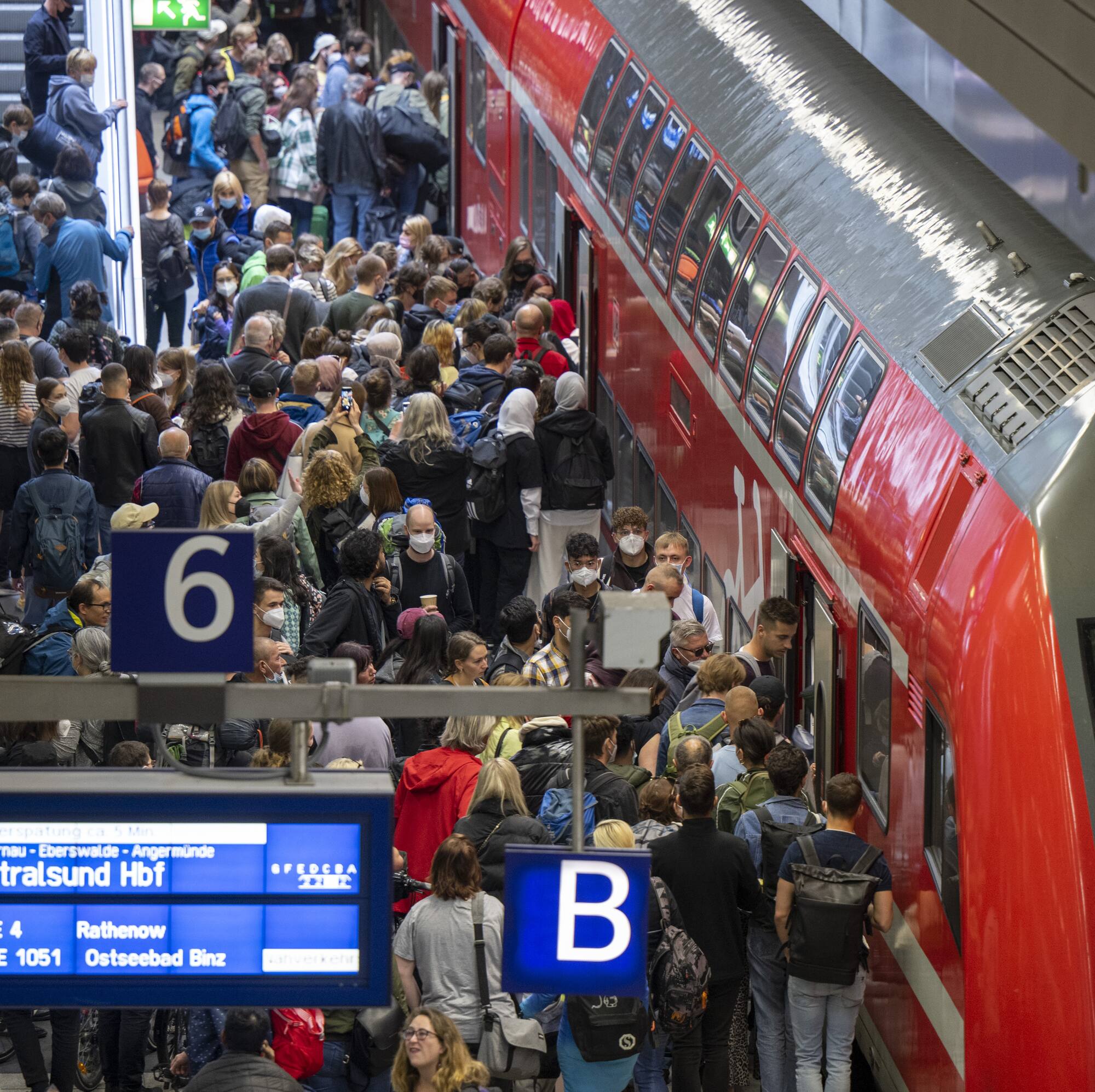
Let me give an example where this inferior concept of the Swiss railroads becomes clear once again. Imagine having to change platforms for train connections. The short transfer times can lead to real chaos situations, especially on vacation trips, which can even be dangerous. People rush out of the trains with their bulky luggage and try to get into the cramped connecting underpass between the platforms only to desperately find a carriage with free seats. It’s almost like a war zone. Unthinkable in Japan.
Conclusion: Switzerland Has a Lot to Learn
Swiss railways are good. But compared to Japan, they feel almost archaic. Anyone who has traveled on a Shinkansen will wish the Swiss Federal Railways (SBB) would take a study trip to Japan. Precision, efficiency, and service are not just promises there – they are a way of life. Until then, we in Switzerland can only do one thing: rely on intuition, dive into the seat-finding chaos, and hope for a lucky break.
 alexreusch
1 comment