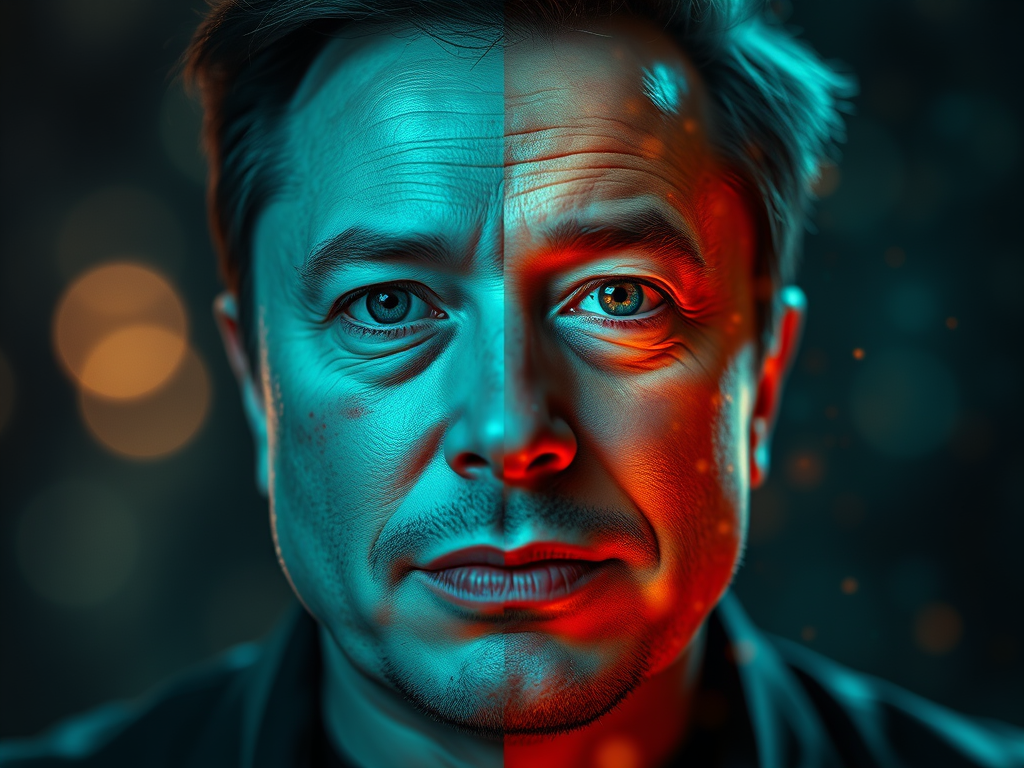
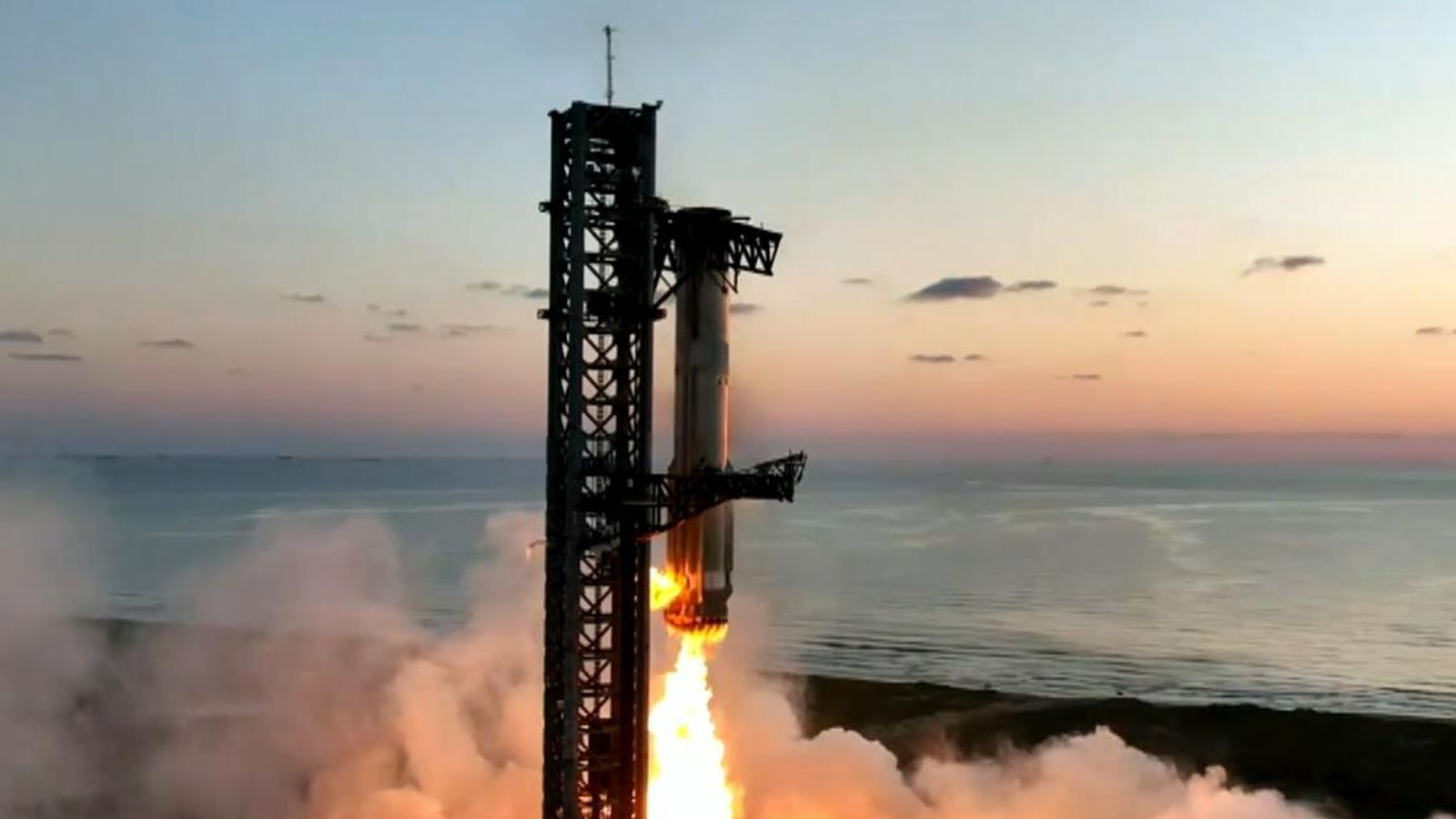
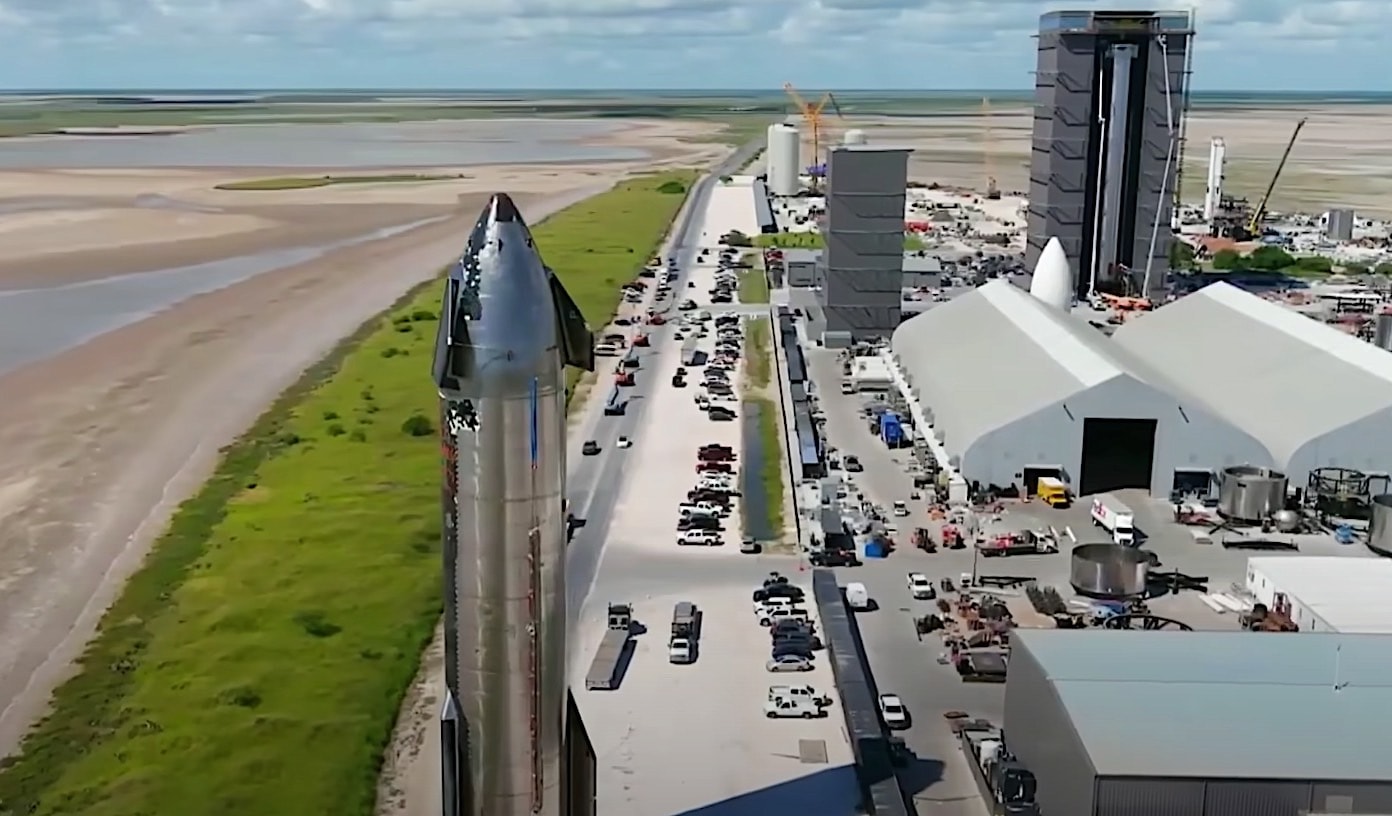
Just three days after what can only be described as an underwhelming performance at Tesla’s much-hyped Robotaxi event, Elon Musk’s other brainchild, SpaceX, achieved an engineering feat that borders on the surreal. The largest multi-stage rocket ever launched successfully reached orbit, and in a stunning display of precision, the first-stage booster was caught mid-air using a crane on landing. Grandiose, unthinkable, and utterly jaw-dropping. This is the kind of achievement that cements Musk’s reputation as a visionary, even after a stumble. So how is it possible that the same man who left the world scratching its head at Tesla’s missed opportunity managed to pull off a stroke of engineering genius at SpaceX?
Two Worlds, One Mind
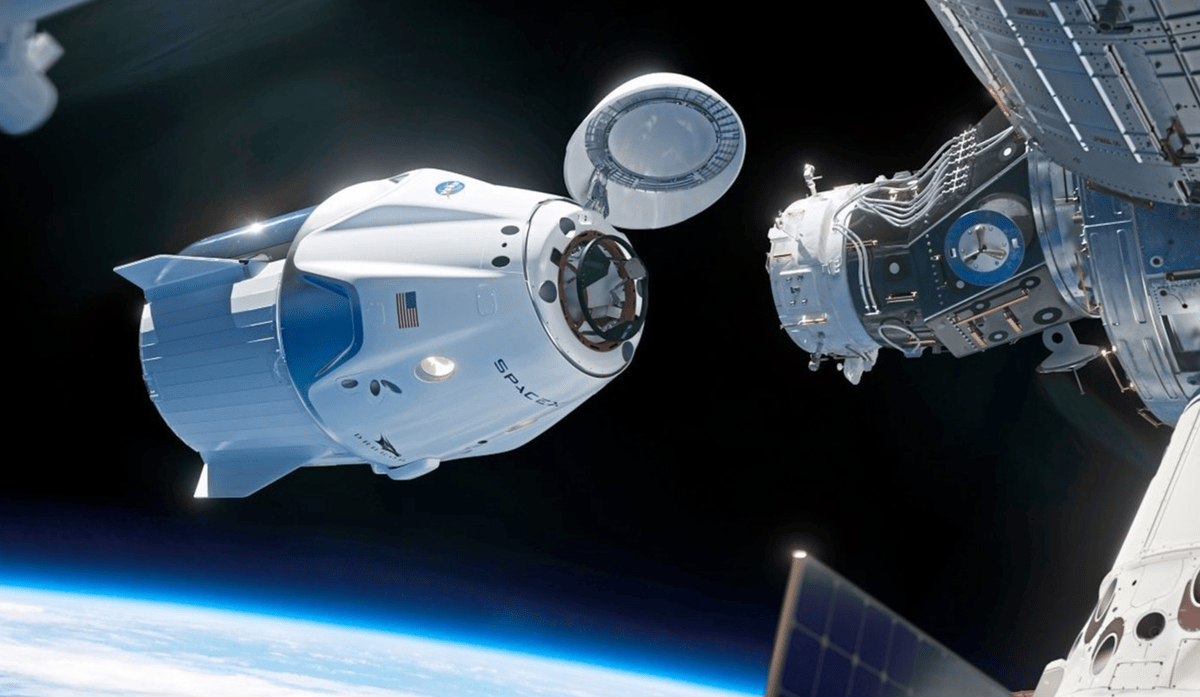
SpaceX’s accomplishments have always been nothing short of spectacular. They push the boundaries of what humanity thought was possible. The company’s bold, almost reckless approach to experimentation seems to thrive on the possibility of failure — the kind of failure that can spark innovation. SpaceX is not just about getting things right; it’s about breaking things, learning from them, and then getting it right on the next attempt. Maybe a genius like Musk needs this kind of playground, one where the stakes are high, but the possibility of groundbreaking success fuels him. At SpaceX, mistakes are part of the process, and the results often feel like magic when they finally come together.

Yet, SpaceX is also deeply rooted in practicality. It has to be. The company has numerous government contracts, commercial launches for private customers, and a lot of money on the line. Failure, while part of the process, is never the final destination. There’s a tangible, clear goal: to deliver results. In this context, Musk seems to flourish. He is allowed to think big, break norms, and dream of Mars, all while tethered to the discipline required by commercial commitments. It’s a delicate balance between risk and reward, but it’s where Musk’s brilliance shines brightest.
Tesla: Too Ordinary for the Imaginative Musk?
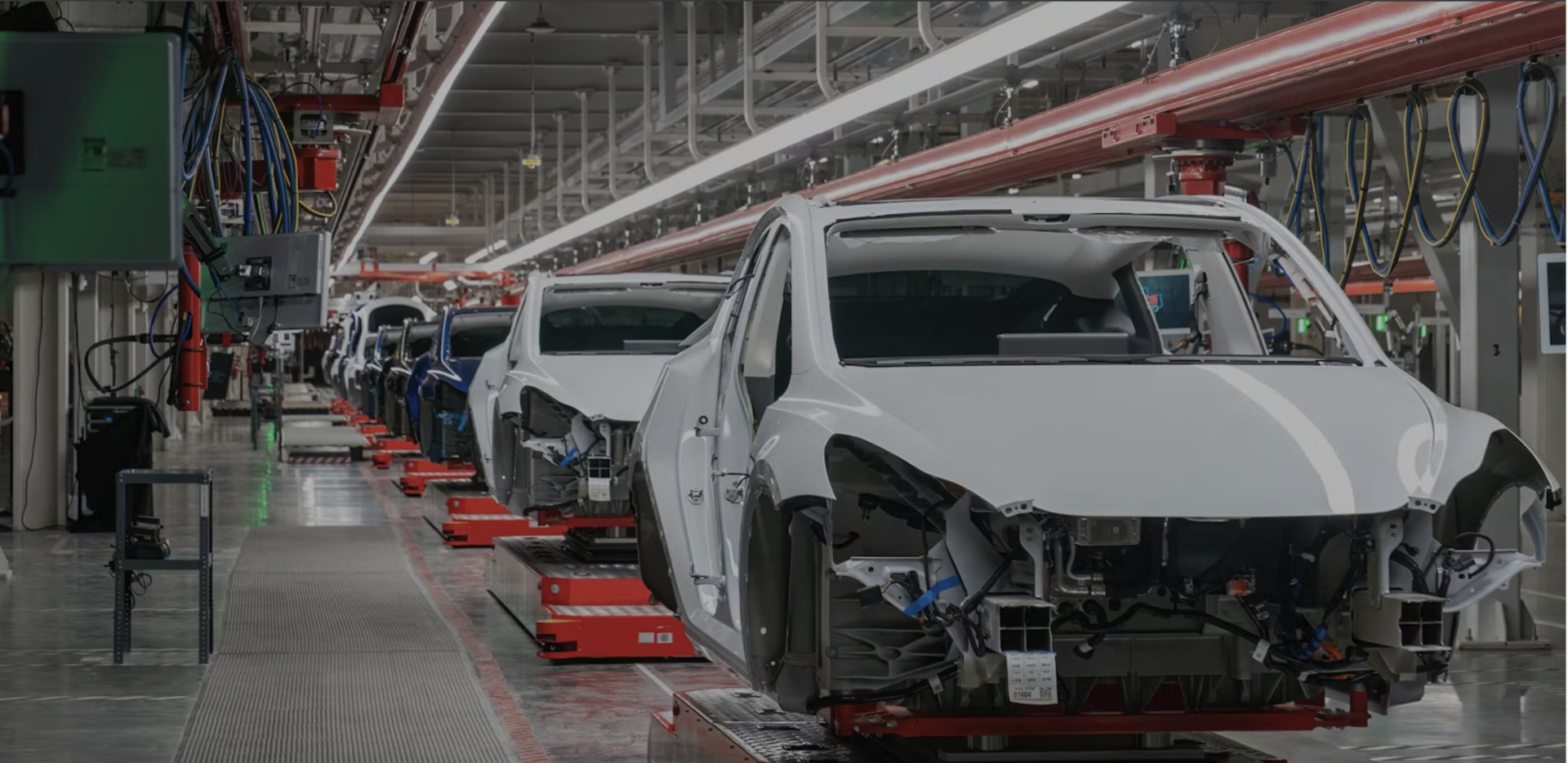
Contrast that with Tesla, a company that, despite its electric vehicle revolution, has grown to resemble a more “conventional” automaker. Tesla is listed on the stock market (SpaceX is not). It’s beholden to quarterly earnings reports, shareholder expectations, and Wall Street scrutiny. These pressures seem to stifle Musk’s more imaginative tendencies. At Tesla, innovation often comes across as incremental, hemmed in by the reality of making cars that people actually buy. There’s no Mars colony on the horizon here — just a new battery technology, a sharper software update, or a redesign of a vehicle. Oh yes, I forgot: autonomous driving.
And that leads us to the heart of the matter: is Musk at his best in a publicly traded company, where investors expect clear, accurate, and carefully prepared information? Musk’s Robotaxi event was a perfect example of how he can struggle with this aspect of leadership. The event lacked substance, precision, and a clear strategy — elements crucial to winning over investors and proving Tesla’s long-term vision. It was filled with vague promises, without backing it up with data. For a CEO of a listed company, this kind of vagueness is unacceptable, and Musk should know it. So why does he continue to make the same mistakes?
Perhaps the answer lies in Musk’s reluctance to conform. Maybe a mind like his, brimming with innovation and unconventional ideas, finds it difficult to fit into the mold of a traditional corporate CEO. Business is not like space exploration. There’s less room for failure and fewer chances to “blow things up” metaphorically or literally. At Tesla, he seems more constrained, weighed down by the need to appease investors, regulators, and analysts.
At SpaceX, the leash is longer, the playground bigger, and the expectations seem more aligned with Musk’s wild ambition. Could it be that Musk is simply more comfortable in an environment where he is not constantly watched by stock market analysts? SpaceX, after all, is privately owned. No public shareholder meetings, no quarterly earnings pressure, no endless scrutiny over every decision. Here, Musk is free to be as imaginative and unorthodox as he wants, making mistakes along the way, but always with an eye on the stars.
Is Musk the Right Leader for a Public Company?
Which brings us to an intriguing question: is Musk the right person to lead a publicly traded company like Tesla? His genius is undeniable, but does that genius come with limitations? It’s one thing to dream of a future where robotaxis fill the streets, and Mars colonies are a reality. It’s another thing entirely to meet the conventional, methodical expectations of investors who demand clear results and timelines.
Musk’s managers and advisors surely understand these expectations and likely push for more structure and clarity. But Musk has a history of ignoring those around him, preferring his own path, even if it means alienating investors or producing lackluster presentations. Could this be the downfall of a genius who simply struggles to meet conventional requirements? After all, business — especially public business — is not politics, where grandiose statements can rally followers. Here, facts and performance matter, and a CEO must guide with a steady hand, not just visionary ideas.
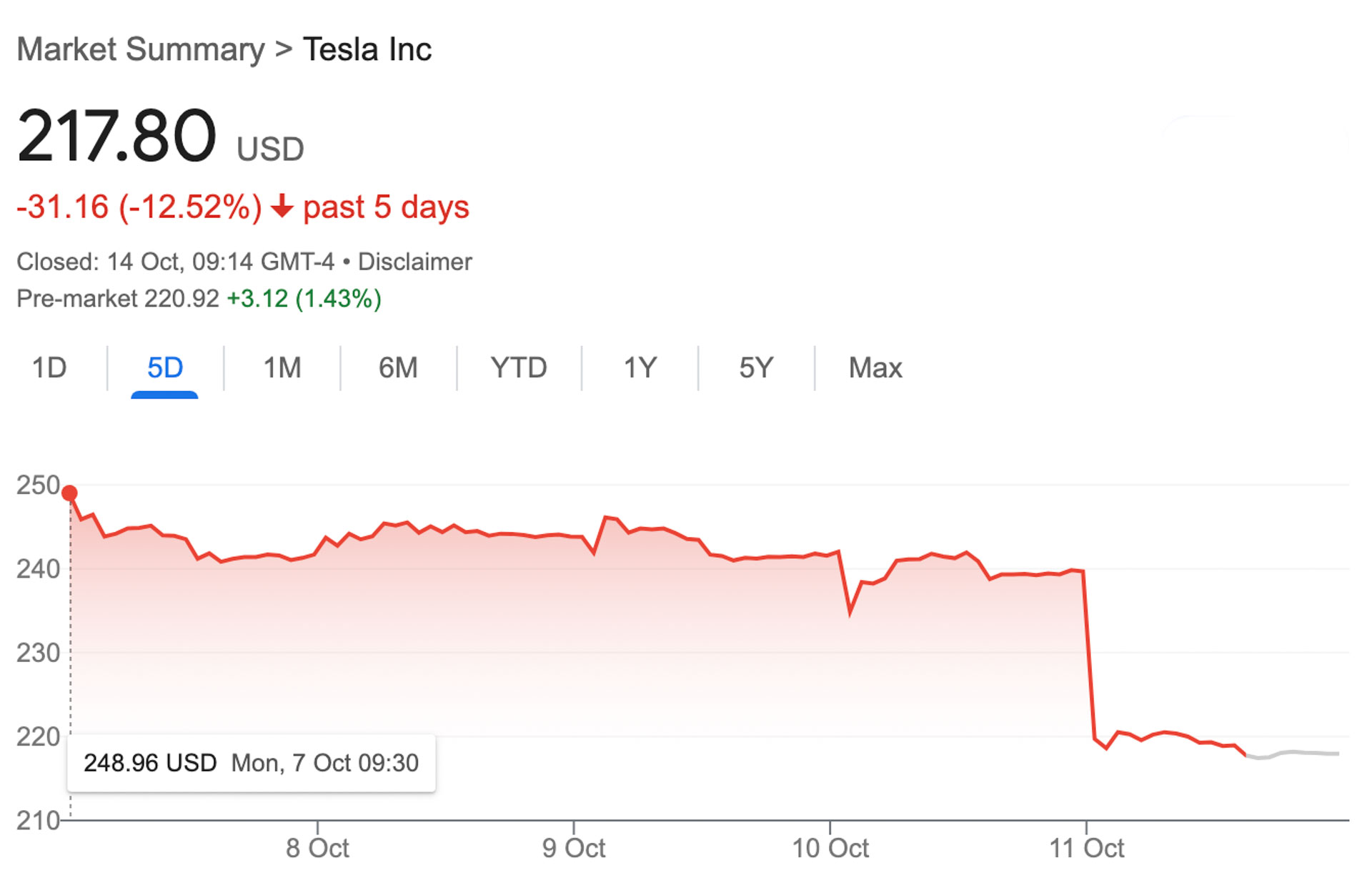
In the end, Musk may be a visionary, but perhaps not a conventional CEO. His strengths lie in dreaming the impossible and occasionally pulling it off. But when it comes to managing expectations, sticking to facts, and delivering what investors demand, he might just find himself out of place. Tesla may have revolutionized the auto industry, but for Musk to continue leading it effectively, he will need to balance his genius with the discipline of the corporate world — something that SpaceX seems to afford him more easily than Tesla.
And so, after one week that showcased both sides of Musk — from the underwhelming Robotaxi event to the breathtaking achievement at SpaceX — we’re left with more questions than answers. What kind of leader does Musk want to be? Can he continue to straddle the worlds of engineering brilliance and corporate governance, or will one eventually give way to the other? Perhaps it would help if he focused more on the fortunes of his companies and created a little more distance from the distractions of social media and politics.
Just my 5 cents.
//Alex
 alexreusch