The United States is often hailed as one of the world’s first and most enduring democracies. For centuries, it has served as a beacon of democratic governance, inspiring nations worldwide with its model of stability and effective political systems. Moreover, as the global superpower both economically and militarily, the U.S. carries immense responsibility in maintaining a leadership role that its allies rely upon. The office of the President, as “Commander in Chief,” wields considerable power and is entrusted with overseeing the nation’s military, economic, and diplomatic affairs. This responsibility demands a sound and fair electoral system that reflects the will of the people. Nonetheless, the presidential election system is fraught with structural weaknesses that call for urgent reform.
But where to start? Here are some effective suggestions for improvement:
1.) Outdated Electoral College System
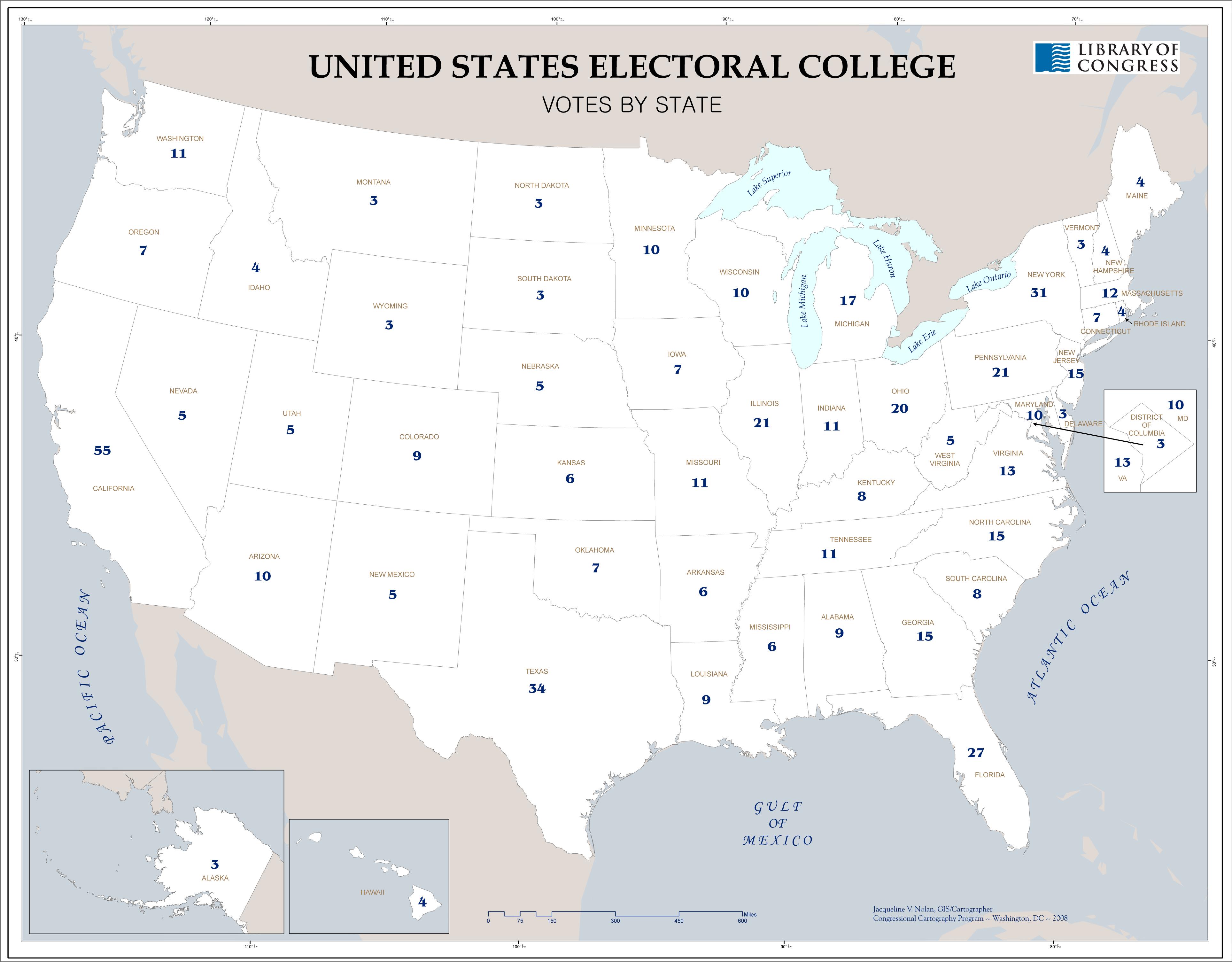
One of the most significant flaws in the U.S. democratic framework is the Electoral College. This system, established in the late 18th century, remains virtually unchanged despite technological advancements and demographic shifts over the past two centuries. At its inception, the Electoral College was devised in an era where information traveled by horseback, and direct communication between states was difficult. While it was intended to balance the influence of smaller states against larger ones, this system no longer aligns with modern realities.
1a.) Not respecting Popular Vote
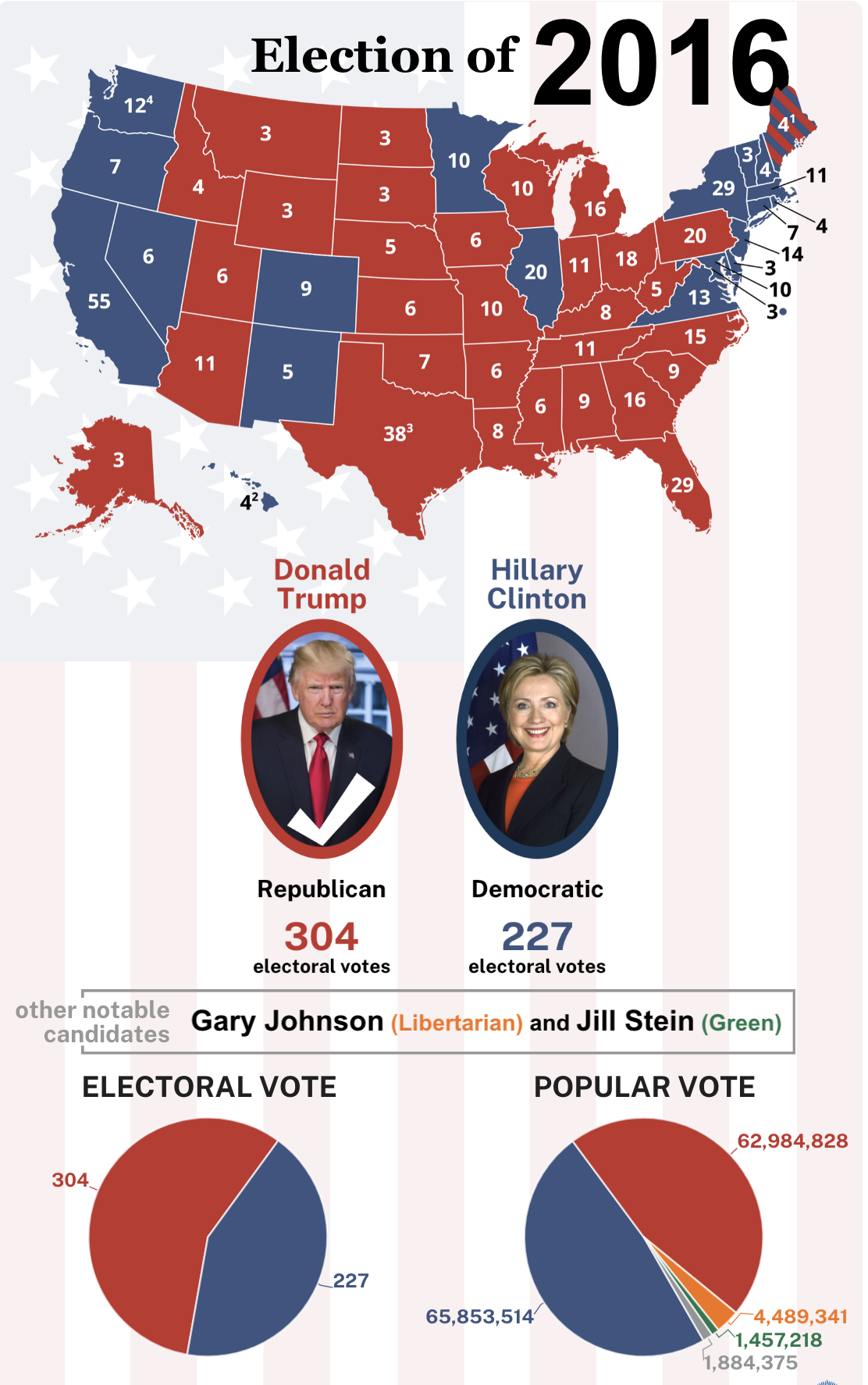
One can still argue that balancing the weight of states with smaller populations is important to avoid domination by densely populated urban areas. Yet, the current state fails to meet the basic principle of democratic fairness: ensuring that every vote counts. In its current form, the current system does not reflect the popular vote, often allowing a candidate to win the presidency despite losing the national popular vote. This undermines the legitimacy of the election and leaves millions of Americans feeling disenfranchised. A key reform should ensure that every citizen’s vote contributes directly to the outcome, regardless of state boundaries. Moreover, the president should be elected based on the majority of both the popular vote and the Electoral College vote, which better reflects the democratic will of the people.
1b.) Winner-Takes-All System
The “winner-takes-all” rule, where the candidate with the majority of votes in a state wins all of that state’s electoral votes, presents another major issue. This system renders the votes of those supporting the losing candidate in a state effectively meaningless. For example, Republicans in California or Democrats in West Virginia feel no incentive to vote, knowing that their preferred candidate has little chance of winning the state’s electoral votes. This creates an undemocratic situation where votes from swing states hold disproportionate power in deciding the election. A few thousand votes in the swing states typically decide the election, while millions of votes from all other states are completely irrelevant.

As a result of this system, presidential candidates focus almost exclusively on a small number of swing states, where the outcome is uncertain. States with strong leanings toward one party, such as California, New York, or Texas, receive little to no attention during the campaign because their electoral outcome is largely predetermined. This neglect leaves millions of voters feeling overlooked and undervalued, as candidates tend to cater to the specific concerns of swing-state voters at the expense of those in “safe” states. This uneven attention is fundamentally unfair, as it distorts the national debate and excludes many regions from meaningful participation in the election process.
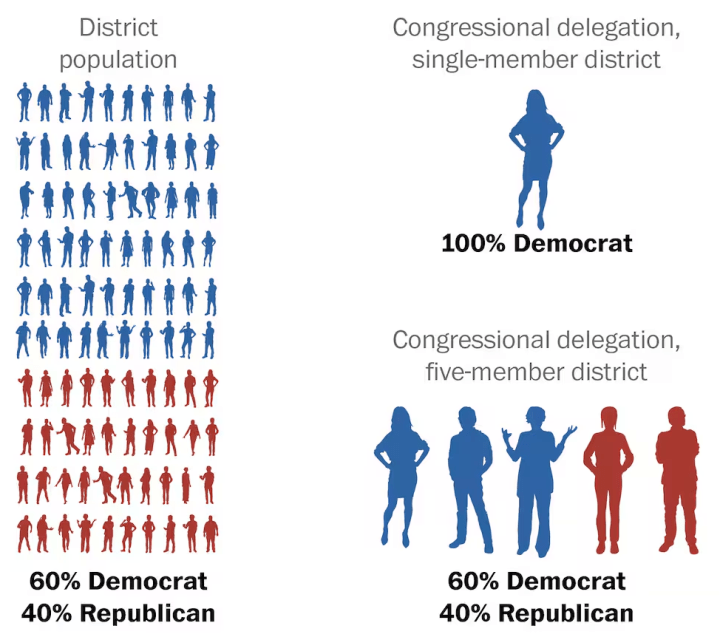
A more equitable solution would be to implement a proportional allocation of electoral votes, where each party retains the number of electoral votes it earns in a state. This would encourage candidates to campaign across a broader spectrum of states, making every vote more valuable regardless of geographical location. This approach would ultimately strengthen voter engagement and reduce the sense of political disenfranchisement felt by millions of Americans whose votes are currently overshadowed by the “winner-takes-all” rule.
But, opponents of proportional allocation often raise concerns that such a system could empower smaller third parties or fringe groups. These critics argue that third-party candidates might garner enough electoral votes to prevent any major party candidate from reaching the required 270 votes, thereby plunging the election into chaos. While this is a legitimate concern, it can be easily addressed by implementing a runoff system. In the event that no candidate secures the necessary 270 votes, a runoff election between the two candidates with the highest number of votes could be held. In this scenario, only the top two candidates would be on the ballot, ensuring that one of them achieves the necessary majority in the second round. This approach preserves the possibility of third-party participation in the initial stages while preventing them from acting as spoilers in the final outcome. Alternatively, the system could be designed to reduce the election to two main candidates from the outset, eliminating the risk of an inconclusive result.
1c.) Imbalanced Weight of Electoral Votes
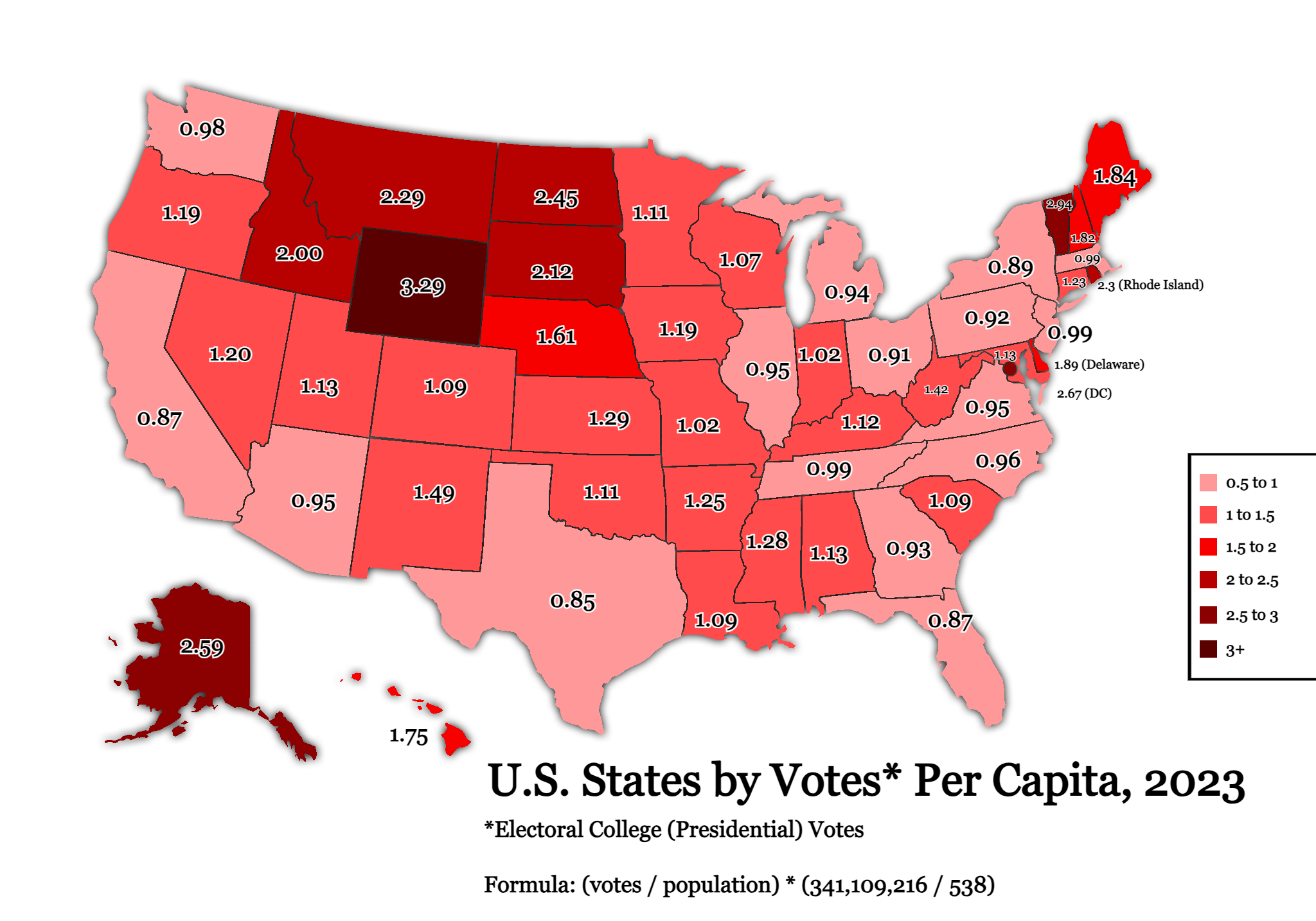
The allocation of Electoral College votes is also deeply flawed. Although the system is designed to give smaller states a voice, the disproportionate value of votes between states is extreme. For instance, a vote in Vermont or Wyoming carries almost four times the weight of a vote in Texas, California or Florida. While ensuring representation for less-populated regions is important, a vote in any state should not carry more than twice the weight of another. The current imbalance devalues the principle of equal representation and skews the election results in favor of smaller states, further distorting the democratic process.
1d.) Gerrymandering
Gerrymandering, or the manipulation of electoral district boundaries for political gain, exacerbates the inequalities in the U.S. voting system. When a party controls both the legislative body and the governorship of a state, it can redraw districts to favor its own candidates and disenfranchise its opponents.
This practice undermines the democratic process by allowing politicians to choose their voters rather than the other way around. To combat this, electoral districts should be drawn based on clear, nonpartisan criteria, using simple, regular shapes like straight lines or polygons with a limited number of sides. Additionally, these districts should reflect roughly equal population sizes, with minor exceptions for state or natural boundaries.


2.) Voter Registration Barriers
One of the most persistent issues hindering the democratic process in the U.S. is the complex and often exclusionary system of voter registration.
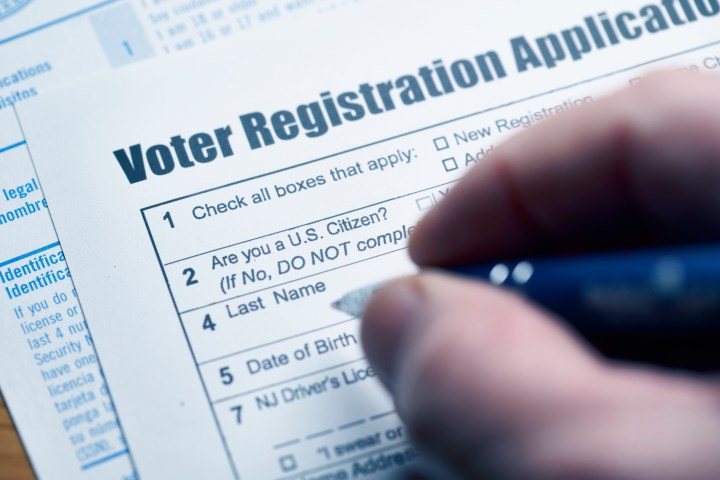
Unlike many other democracies where citizens are automatically registered to vote, the U.S. places the burden of registration on the individual. This creates unnecessary obstacles, especially for low-income and marginalized communities. The registration process can be cumbersome, requiring people to navigate bureaucratic systems, meet strict deadlines, and often deal with voter ID laws that disproportionately affect minority groups.
Given the technological resources available today, the process could be vastly simplified. Why is it that every eligible U.S. citizen isn’t automatically registered to vote upon reaching voting age? The government already has access to crucial identification information, like the Social Security Number (SSN), which could be used to automatically enroll citizens into the voter registry. This would eliminate the bureaucratic hurdles and ensure that all eligible citizens are included in the democratic process without having to jump through hoops.
Moreover, critics have long argued that voter suppression tactics target specific groups to influence election outcomes. These tactics, often disguised as “election security measures,” are frequently used to disenfranchise groups that are less likely to vote for the party in power. This specifically targets vulnerable groups in the population.
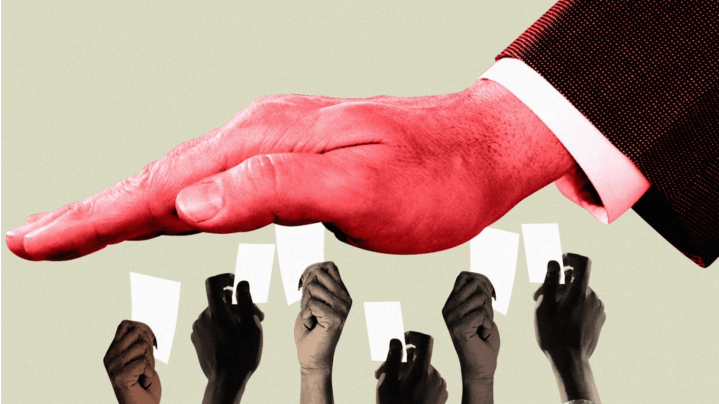
For example, restrictive voter ID laws, limited polling places in minority communities, and arbitrary purges of voter rolls are methods that have been rightfully criticized as undemocratic. Ensuring automatic voter registration would not only simplify the process but would also safeguard against attempts to suppress voter participatio
2a.) Disenfranchisement of Felons
Another issue is the disenfranchisement of U.S. citizens with felony convictions. In many states, individuals who have served their time and paid their dues to society are still denied the right to vote. This leaves a significant portion of the population permanently marginalized, stripping them of a fundamental democratic right. The idea that a person can be perpetually denied participation in civic life, even after rehabilitation, contradicts the values of justice and redemption. Reforming this practice to restore voting rights to all citizens who have served their sentences would strengthen the inclusivity and fairness of the electoral process.

3.) Presidential Age Limit and Cognitive Fitness
As the demands of the presidency continue to grow, ensuring that candidates are both physically and mentally fit for office is crucial. Given the immense power and influence of the presidency, with decisions that shape domestic and global policies, it is vital that the person holding this office possesses the sharp mental acuity required to navigate these responsibilities effectively.

The lack of an upper age limit for presidential candidates is concerning. In recent years, the cognitive abilities of some elected presidents have been called into question, raising doubts about their ability to handle the immense pressures of the office. Given that presidential decisions have long-term consequences that affect future generations, it is essential that the person holding the office possesses the mental sharpness required for the role. A reasonable reform would be to introduce a cognitive fitness test, ensuring that candidates are mentally capable of performing their duties.
Furthermore, an age limit of 70 years at the time of assuming office could ensure that presidents are likely to witness the long-term effects of their policies and remain in touch with the challenges facing younger generations. Additionally, this restriction would help ensure that candidates maintain a high level of cognitive and mental fitness, enabling them to effectively handle the complex challenges and demands of the office.

Conclusion
The U.S. presidential election system, while rooted in the country’s long democratic history, is in need of modernization. The Electoral College, winner-takes-all rule, gerrymandering practices, and voter registration hurdles and voter suppression all diminish the fairness and inclusivity of the process. Additionally, the disenfranchisement of ex-felons and the lack of an age limit for the presidency raise serious concerns about representation and leadership quality. By addressing these issues through reform—like automatic voter registration, proportional allocation of electoral votes, and anti-gerrymandering measures, cognitive fitness tests for candidates—the United States can ensure that its democracy remains not only a model for the world but also a system that truly reflects the will of all its citizens.
 alexreusch