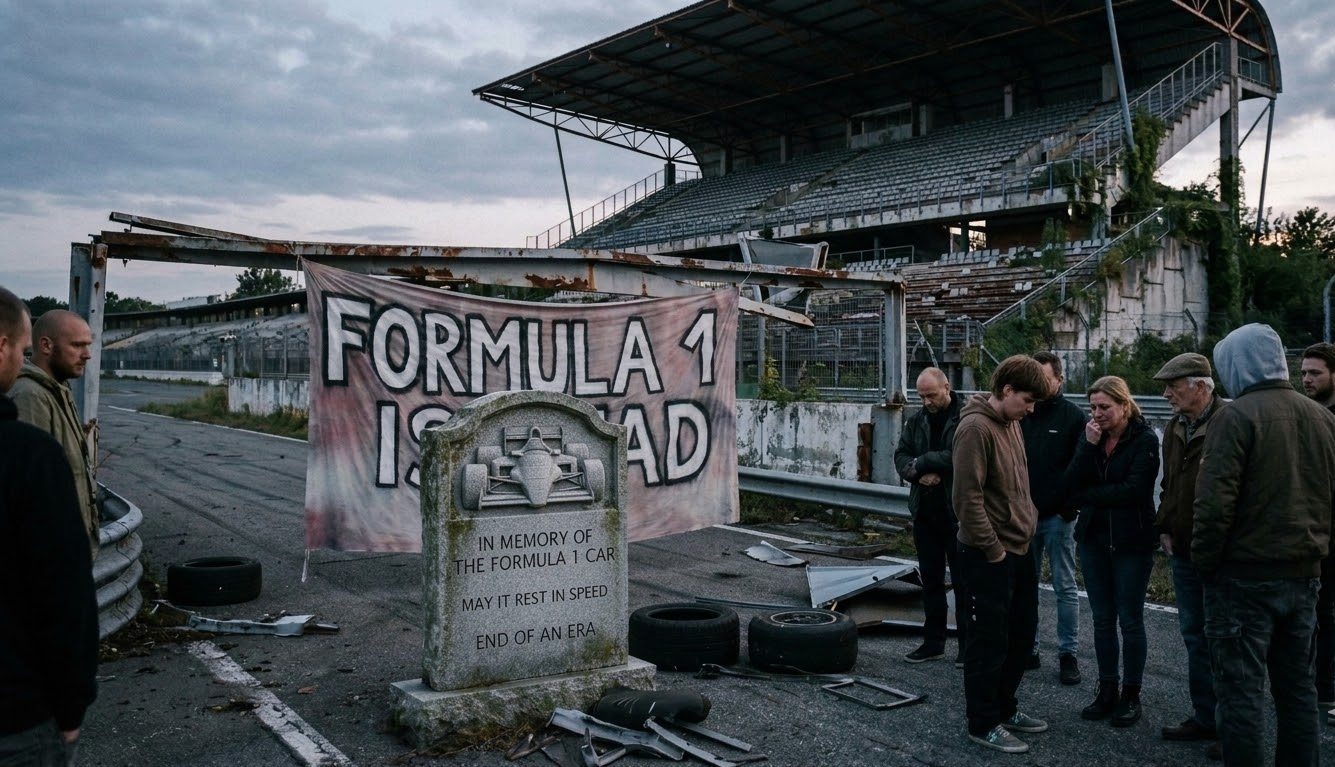
What Formula 1 fans had to witness at the 2026 season opener in Australia was not a spectacle. It was not the beginning of an exciting new era. It was not the kind of racing experience that reminds you why this sport has fascinated generations of fans. What we saw was efficiency management in its purest form. What we saw was energy accounting at racing speed. In other words, exactly what many people feared when the 2026 regulations were first announced.
This was a disaster with advance notice.
The warning signs were not subtle. They were visible years ago. In fact, they were discussed openly. In my article “The 2026 F1 Regulations: You’re Doing It Wrong”, written long before these cars ever appeared on a racetrack, I argued that the entire philosophy behind the new rules was fundamentally misguided. If you design a racing series around energy conservation and battery management, you inevitably create a sport where drivers spend more time managing systems than pushing the limits of performance. That prediction unfortunately aged extremely well.
The pinnacle. Really?
What we saw in Australia looked less like the pinnacle of motorsport and more like a carefully controlled energy management exercise. Instead of drivers attacking every lap with the fastest machines on the planet, they were negotiating with their battery systems. Instead of relentless performance we saw cautious deployment strategies.
The hybrid system has become so dominant that the available electrical energy effectively dictates how fast (or slow) a car is allowed to be at any given moment. If a driver still has electrical deployment available, the car performs at full potential. If that energy reserve is depleted, the same car suddenly becomes dramatically slower on the straights. The result is a strange new form of racing where overtakes occur not because one driver is faster or braver, but because the other driver has simply run out of battery support.
This creates performance swings that can look almost absurd. In extreme situations the speed difference between a car with full electrical deployment and one that has depleted its battery can approach fifty kilometers per hour. Fifty kilometers per hour purely because the software decided that the electrical assistance has reached its limit.
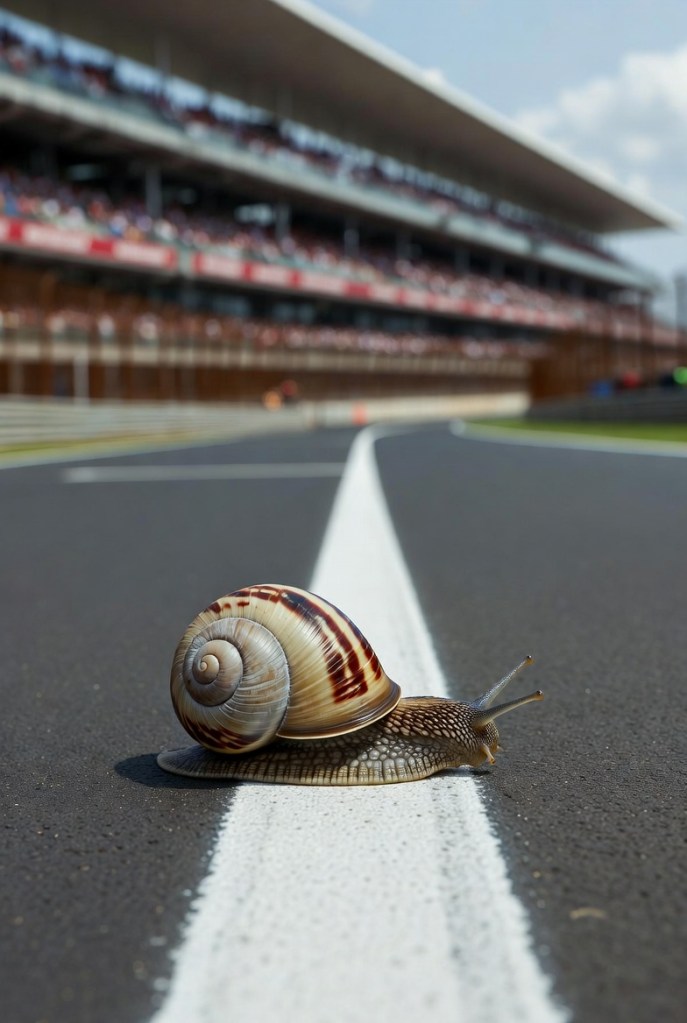
When overtakes are produced by battery depletion rather than pure racing performance, the spectacle becomes questionable. That is not the heroic image people associate with Formula 1. It feels less like a duel between the best drivers in the world and more like watching a laptop switch into energy saving mode.
Welcome to Formula Eco.
The official justification for all of this is sustainability. Formula 1 wants to present itself as environmentally responsible, technologically progressive and aligned with the future direction of the automotive industry. The marketing language sounds noble and forward thinking. The reality is rather amusing. Formula 1 is a global traveling circus that moves hundreds of tons of equipment across continents every few weeks. Entire paddocks are flown around the world. Thousands of people travel between races. Temporary cities are built around every single event. Television compounds, hospitality structures and logistics infrastructure appear and disappear like military operations.
Yet somewhere in the middle of this enormous logistical machine, someone thought it would be a brilliant idea to convince the public that this sport is becoming environmentally neutral. It is a charming piece of storytelling. The truth is much simpler. A spectacle like Formula 1 will never be truly carbon neutral. The logistics alone make that impossible. And quite frankly, it does not need to be.
Formula 1 was never meant to be a demonstration of ecological restraint. It was supposed to represent the most extreme version of motorsport technology humanity could build. It was meant to be loud, fast, aggressive and occasionally slightly insane. The sport existed precisely because it pushed engineering and performance far beyond what was sensible or reasonable.
Nobody sits down on Sunday afternoon thinking, “I hope the fastest racing series in the world demonstrates responsible energy management.” People watch because they want speed. They want noise. They want machines that feel slightly outrageous and completely uncompromising. However, F1 management sees things differently.
The new regulations move the sport in the opposite direction. Instead of encouraging maximum performance, they encourage careful restraint. Drivers are constantly reminded that they cannot push indefinitely because the electrical system will eventually punish them. Energy has to be saved, deployed strategically and rationed throughout the race. Efficiency has become the central philosophy.

The FIA proudly explains that the new generation of cars is slightly smaller and slightly lighter than before. Technically that statement is correct. In practice the change is so modest that it barely alters the fundamental character of the machines. Modern Formula 1 cars are still enormous vehicles that struggle on classic circuits originally designed for far smaller cars.
This was another problem I addressed in my article “It’s Not Just the Monaco Circuit, Dummy. It’s the Tanks We Call F1 Cars.” My argument there was that Formula 1 had already drifted far away from the agile machines that once defined the sport. Instead of dramatically reducing the size and weight of the cars, the sport produced vehicles that remain extremely large while becoming even more dependent on complex energy management systems.
The emotional result is predictable. The cars remain impressive pieces of engineering, but the visceral thrill has faded. The sound no longer creates goosebumps. The sense of raw mechanical violence has been replaced by carefully optimized efficiency.
The golden age of F1. Gone.
There was a time when Formula 1 engines screamed at nearly twenty thousand revolutions per minute. The V10 era produced a sound that could make the air vibrate and the grandstands tremble. When a field of cars accelerated down a straight it felt like an orchestra of mechanical fury. The experience was loud, slightly ridiculous and absolutely unforgettable.

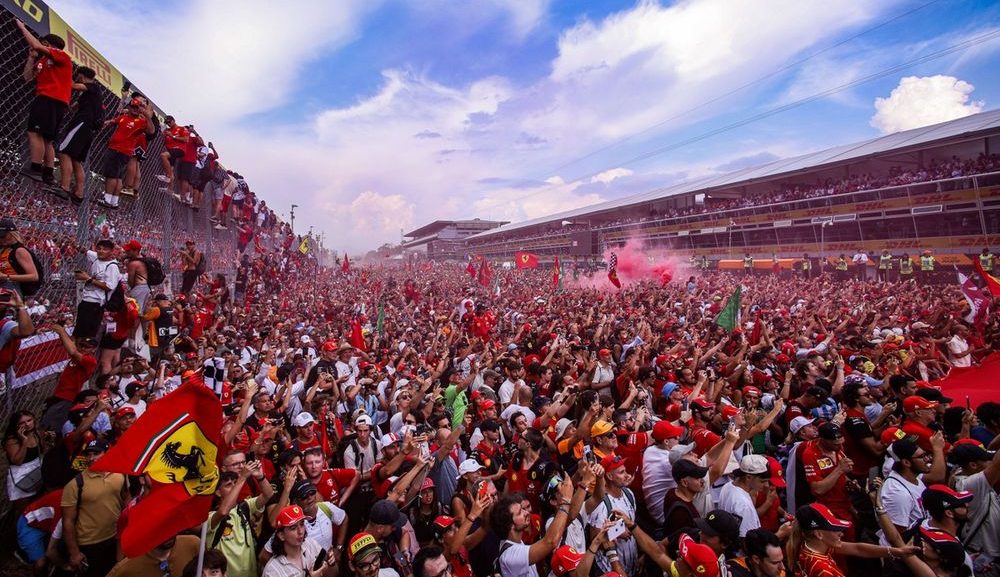
Nobody in those grandstands was thinking about carbon neutrality metrics. They were thinking about how incredible it felt to witness such raw performance. That emotional connection is becoming harder to find in the “modern” version of the sport. Perhaps the sport will eventually realize that it has wandered too far down the path of technological virtue signaling. Sometimes ideas have to be pushed to their logical extreme before their weaknesses become impossible to ignore. Maybe this new era will eventually force that realization.
After watching Formula 1 for almost fifty years, I have seen the sport reinvent itself many times. Technologies evolved, regulations changed and entire eras came and went. But I have never seen a season start as absurdly as this one. What happened in Australia was not the future of racing. It was a demonstration of how far Formula 1 has drifted away from what once made it great.
If this is the future of Formula 1, then the sport has achieved something remarkable: Instead of sitting on the edge of the sofa with adrenaline pumping through our veins, we will soon sit calmly in front of the television and start knitting. Because that is the level of excitement this new era seems determined to deliver.

Sorry, but at some point it has to be said clearly. For many long time fans, this feels like the final betrayal of what Formula 1 once stood for.
This sport was never meant to be responsible.
It was meant to be loud, irrational and glamoriously insane.
As always: Just my 5 cents.
//Alex
 alexreusch
1 comment